Is It Safe to Use Cell-Turnover Creams Near Permanent Eyeliner?

If you’ve been wondering, “Is it safe to use cell turnover creams near permanent eyeliner?” you’re probably not the only one. Lots of people who have invested in a permanent eyeliner tattoo want to know whether they can use effective skincare products without messing up their eyeliner. After all, you’re looking for healthy skin and a long-lasting look from your cosmetic tattoo.

I’m Uliana Kasperska, a professional at Cosmetic Tattoo Studio – Face Figurati in Brisbane, and I’ve spent a lot of time helping clients figure out how to balance their active skincare with success with their cosmetic tattoos. So the good news is – you can have great skin and a beautiful permanent makeup look too – but with some smart product choices and good aftercare.

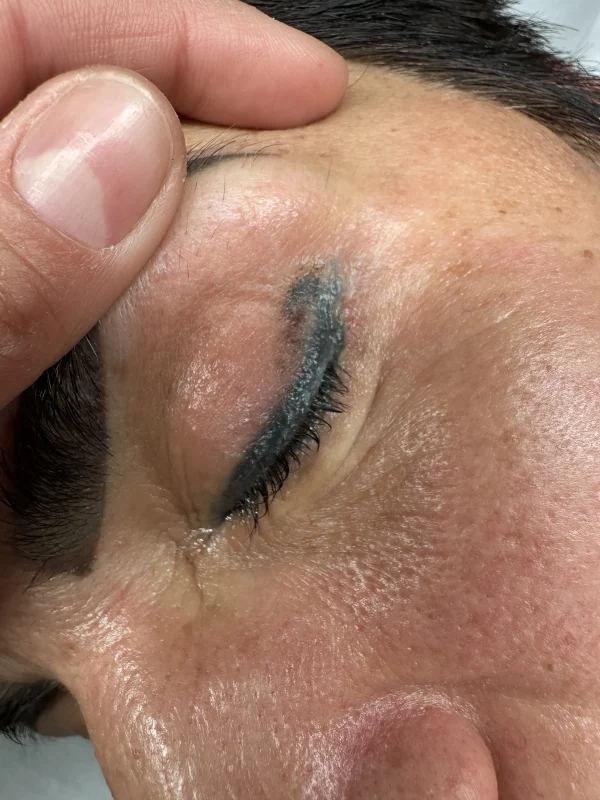
Healed permanent eyeliner
Table of Contents

Eye Area Needs Extra Care

The skin around your eyes is super thin and delicate, which means its pretty reactive to all the active ingredients in skincare. But the thing is, the permanent eyeliner is not just sitting on the surface of your skin – its actually been implanted a bit deeper into the dermis during the eyeliner procedure using fancy tattoo equipment. So, its not a question of just washing the pigment away with your skincare cream.

When your eyes are healing after the procedure, a bit of swelling and lymph fluid is normal and actually quite helpful in keeping things looking their best. But by following the aftercare instructions and avoiding irritation to the area, you can help ensure you get the most out of your permanent eyeliner and keep the colour looking great.

What Are Cell-Turnover Creams?

Cell-turnover creams give your skin a nudge to shed those old, worn-out surface cells and replace them with fresh new ones. Loads of people use ’em to sort out rough texture, even out their complexion and make fine lines look a bit softer.

Common stuff you’ll find in these creams includes:

  • Things like retinol, retinal and prescription tretinoin – all forms of vitamin A for short.
  • Alpha hydroxy acids (AHAs), including glycolic acid and lactic acid.
  • Beta hydroxy acids (BHAs), which include salicylic acid.
  • Polyhydroxy acids (PHAs).
  • Exfoliating enzyme treatments.
  • Oddly enough, some people love using antioxidants such as Vitamin C alongside their exfoliating routine.

When you use all these ingredients correctly, they can do some great work. However, our eyelids are naturally pretty delicate, and the rest of our face needs a gentler approach – especially after getting cosmetic tattooing done.

Active serum and eyeliner care
Eye area aftercare

Can Creams Fade Eyeliner?

Most of the time, no.

Retinoids and exfoliating acids mostly work on the epidermis (the skin’s outer layer, for those who don’t remember high school science). At the same time, the cosmetic tattoo pigment sits only in the upper dermis. They don’t remove the tattoo ink or make it fade in the first place.

Alternatively, over-exfoliating, irritating your skin or rubbing your eyes too much can all cause annoyances around the tattoo while it’s healing. And you know what? People often mistake that for actual product fading, which is just the way semi-permanent makeup looks as it ages.

If you’re researching what causes pigment migration, it’s important to distinguish migration from colour oxidation, normal fading and changes in the surrounding skin, because they aren’t all caused by skincare products.

Which Ingredients Need The Most Caution?

Not every skincare ingredient is created equally, and some are fine in your routine while others are best avoided when you’ve just had your eyelids tattooed and are waiting for them to heal.

IngredientSafe Near Healed Eyeliner?Recommendation
Retinol (Vitamin A)Use cautiouslyAvoid direct eyelid application
Prescription retinoidsHigher irritation riskKeep well away from the lash line
Glycolic acidLimited useAvoid eyelids completely
Salicylic acidUsually unnecessary around the eyesKeep away from tattooed skin
Lactic acidGentler optionApply only around the orbital bone
PeptidesGenerally suitableOften appropriate in eye products
CeramidesExcellentSupport the skin barrier
Hyaluronic acidExcellentHelps maintain hydration
Micellar waterGenerally suitableUse gently without excessive rubbing

The same principle applies to eyebrow tattoo aftercare: during healing, stick to products approved by your practitioner instead of adding extra active skincare that may irritate the treated area.

The Healing Period Changes Everything

Getting a new permanent eyeliner is more than just slapping on some makeup – it’s a cosmetic tattoo that changes during the early healing stages. Your body is essentially mending the treated area while getting the pigment to settle.

Most people will notice some swelling, skin feeling tight, and a little flaking before the final result really starts coming through. This is completely normal – don’t freak out if it doesn’t seem like the pigment is sticking around.

Here at our Brisbane studio, I usually recommend giving active exfoliating ingredients a wide berth for at least a month or a bit longer, depending on how your skin is doing. Just keep using your recommended aftercare balm or healing gel, don’t rub your eyes, and follow the aftercare instructions to the letter.

One thing to keep in mind is that if you’re taking blood thinners or turn up with bloodshot eyes, either can affect your appointment, so be sure to let your practitioner know. If you’re a contact lens wearer, take them out before treatment and wait until the coast is clear before putting them back in – especially if you develop some sensitivity to light.

And don’t be surprised if some of your mates get some cracking results after a scheduled touch-up or a follow-up session – it’s not uncommon for a few tweaks to make all the difference.

Why Aftercare Is Critical

Living in Brisbane has its upsides, but our climate can sure make the healing process a bit more challenging. The sun beating down, the humidity and a big active lifestyle all take their toll on how well you heal after getting permanent makeup.

Look, I get it, avoiding active skincare might sound like a no-brainer, but protecting your new eyeliner is more than just that – wearing sunglasses, limiting the sweat in the first week and following the aftercare instructions are all key to a healthy recovery. If your eyes start to feel a bit dry or you notice a bit of sensitivity to light, don’t panic – it’s normal for a short while and usually settles down once the skin recovers.

Gentle cleansing around eyeliner
Permanent eyeliner procedure

What I See In The Treatment Room

There was one client of mine who was convinced that her eye cream had messed up her eyeliner. After taking a look, it turned out her cosmetic tattoo had healed as expected – the softer colour was just the pigment starting to fade over time.

That’s one of the reasons why reviews from seasoned professionals are so valuable. An experienced tattoo artist or makeup artist can usually spot the difference between healthy healing, natural ageing, and something that’s actually gone wrong. Most of the long-term changes we see are just down to normal skin renewal, sun damage and lifestyle rather than any dodgy skincare products.

Permanent Eyeliner Naturally Softens Over Time

A subtle lash enhancement tattoo will also soften over time, helping the result stay natural as your face and skin continue to change over the years.

Its longevity is influenced by a bunch of things, including:

  • Your body’s natural defences and the way your lymphatic system works.
  • Daily exposure to the sun’s UV rays.
  • The specific needs of your skin, whether its oily or dry.
  • The type of pigment used and how it was implanted.
  • The skill level of the practitioner who did your treatment.
  • And of course, the normal process of skin cell turnover that happens as we age

Some clients like to book a touch-up session every couple of years, but its more about their skin type, lifestyle and personal style. These sessions will keep your pigment looking fresh and defined.

Safe Active Skincare Use

Once your eyeliner has fully healed, you can gradually return to your regular skincare routine and discuss when treatments such as a hydrafacial treatment are appropriate around previously tattooed skin.

To get the best results, you should:

  • Apply retinoids and exfoliating products around the orbital bone, but not directly onto your eyelids.
  • Leave a bit of space between those products and the lash line.
  • Clean the area gently with micellar water if thats okay for your skin.
  • Use an aftercare balm if you experience any dryness.
  • Introduce new products gradually into your routine.
  • Always protect the eye area from the sun’s UV rays.

Healthy skin is all about finding a balance, not just slapping on loads of products. Supporting your skin barrier will help your skincare & permanent makeup work way better.

Skincare routine after eyeliner tattoo
Sun protection for permanent eyeliner

Safety, Hygiene, and Professional Standards Matter

Getting a winged eyeliner tattoo that heals well and remains balanced is all about choosing a practitioner who understands hygiene, proper technique and realistic long-term results.

Here at Cosmetic Tattoo Studio Brisbane Face Figurati, we go the extra mile to make sure everything is spotless, from our sterilisation protocols to our clean environment. We also use single-use cartridges and do every treatment by hand to make sure its always perfect.

Before we start, we have a pretty thorough consultation to make sure you’re a good candidate for treatment. We also want to know about any allergies, medications you might be on and any irritation around your eyes.

And, so that you know, you should turn up with clean skin and remove any contact lenses before your appointment.

For an eyeliner tattoo in Brisbane treatment, you should expect to pay anywhere from $450 to $900, depending on the practitioner and what is included in the price.

Healthy Skin Supports Eyeliner

Healthy skin and a great-looking shaded eyeliner tattoo aren’t at odds with each other when you allow the area to heal properly and use active skincare carefully around the eyes.

The one thing I always tell my clients is this: let your eyeliner fully heal before you start using new skincare; start with gentle stuff and build up gradually; don’t apply harsh exfoliants to your eyelids; and if you ever have any doubts, see a pro. Being consistent is way more important than chasing after miracle skincare products.

At Cosmetic Tattoo Studio Brisbane Face Figurati, I really think the clients who do their research get the best long-term results. Having a thoughtful skincare routine, being realistic about what your eyeliner can do, and taking proper care of it will keep it looking natural and great for years to come.

eyeliner procedure Brisbane
Skin Expert
artist

Welcome to Cosmetic Tattoo Brisbane, where healthy skin and long-lasting permanent eyeliner can work together with the right skincare approach. With Uliana Kasperska at Face Figurati, clients receive practical guidance on using retinol, exfoliating acids, and other cell-turnover products around cosmetic tattooing without unnecessarily irritating the delicate eye area. These products do not simply wash implanted eyeliner pigment away, but timing, placement, and careful aftercare matter—especially while newly tattooed eyelid skin is still healing.

FAQ

Well, yeah, but wait until your eyeliner is fully healed first. Because retinol is basically just vitamin A for your skin, try to avoid using it right on your eyelids or lash line.

Most people who wear contact lenses can probably leave them out on treatment day, and then see how their eyes feel before putting them back in.

Yeah, unfortunately, it will. Being out in the sun without any protection all the time will cause the colour to fade, so yeah, put on some sunglasses or a hat or something.

Touch-up sessions let your practitioner tidy up any bits that may have healed a bit wonky. Loads of my clients get the best results when they do the recommended number of follow-up sessions.

The key is to go with someone super experienced with permanent cosmetic procedures, who is super good at keeping things clean, uses high-quality pigments, and is good at telling you exactly what to do afterwards to make sure you get the best results. A good tattoo artist will always put safety and getting a natural look first.