Can Plant-Derived Stem Cell Serums Speed Recovery Without Affecting Colour?
Can plant-derived stem cell serums speed recovery without affecting colour? Its a question that comes up time and time again in my Brisbane studio from clients looking to upgrade their skin care routine and wanting the reassurance that their new products won’t mess with the results of their cosmetic tattoos – calmer skin and better colour retention without losing that fresh pigment look.
I’m Uliana Kasperska, and I work with many clients who’ve had brows, eyeliner, lip blush, and treatments such as saline tattoo removal in Brisbane. Now I’ve dug into the latest research, and it suggests that plant stem cells and plant-based stem cells used in stem cell skincare do offer some benefits for skin comfort and hydration, but they don’t contain actual living stem cells, nor will they go anywhere near your well-healed tattoo pigment.
Table of Contents
What Are Growth-Factor Serums?
These are super popular right now because they promise to help your skin look healthier after cosmetic treatments. Before you rush out and add one to your routine, its worth knowing what’s really in them.
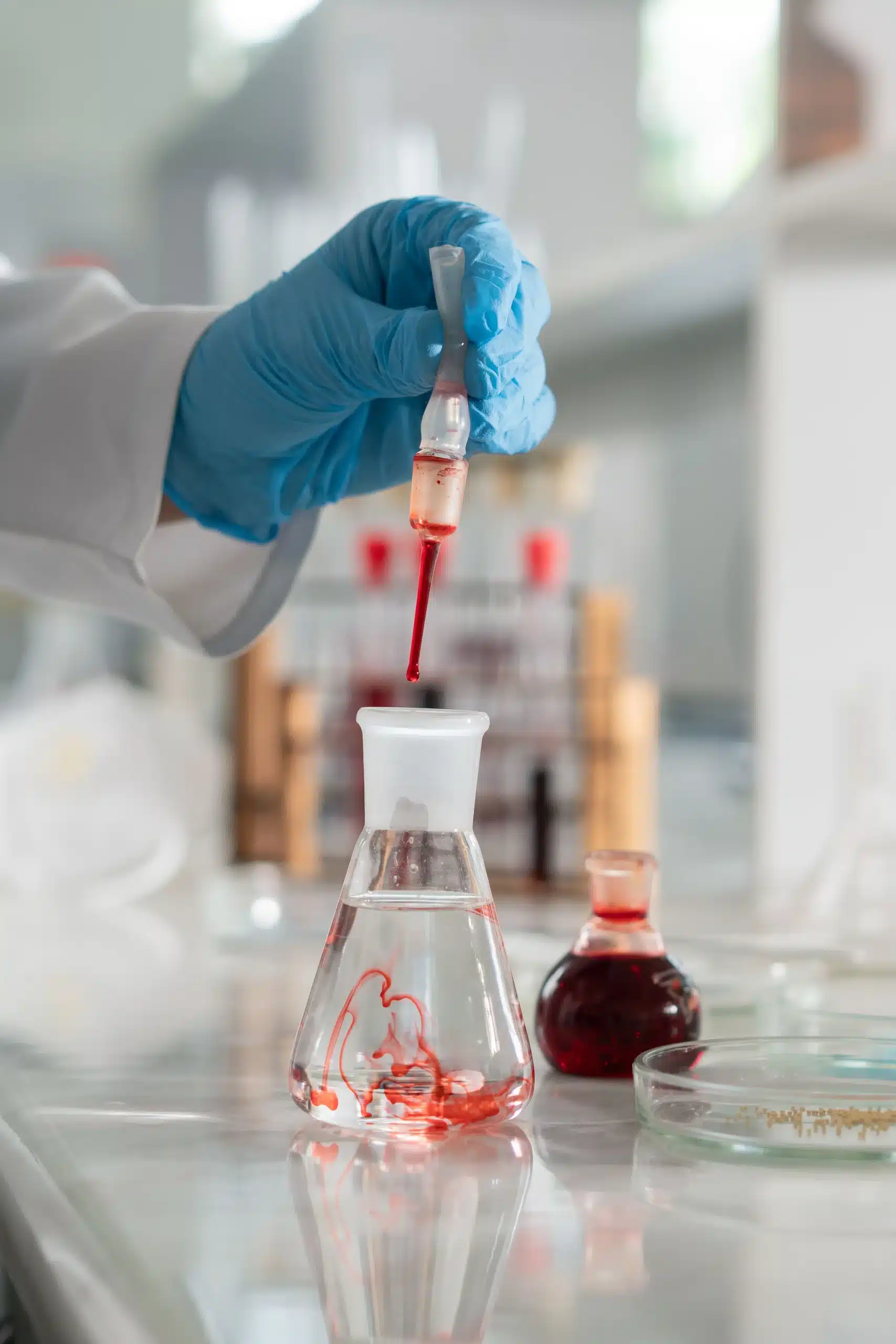
A quality plant stem cell serum contains plant stem cell extract, produced through a process called plant tissue culture. Essentially, scientists use a bit of plant-cell magic to create stable ingredients for cosmetics. They grow cells from meristematic tissues in a controlled environment, use callus formation and de novo organogenesis to create the product, and the result looks and feels just like a natural, healthy skin ingredient.
You might come across some confusing terms, such as pluripotent vs. totipotent plant stem cells. The reality is, these skincare products don’t contain living cells or extracts rich in beneficial compounds. Many formulas also combine botanical extracts with bioengineered extracts, biomimetic peptides, peptide complexes, hyaluronic acid, vitamin C, antioxidants and various patented technologies to work in harmony with your skin.
Can They Affect Cosmetic Tattoo Colour?
And this is probably one of the biggest concerns for people who’ve had permanent makeup or cosmetic tattoo removal in Brisbane treatments — will these serums interfere with the pigment that remains? To put it simply, the evidence says no – once your skin has healed, quality plant-derived stem cell serums wont remove or accelerate the fading of your pigment.
Permanent makeup pigment sits in the dermis, while your skincare products work on the outer epidermis. So yes, healthy skin can make your colour look better, but these products aren’t going to go digging into your dermis and start dissolving implanted pigment. Now, I know some products may mention growth factors, but the reality is, plant-derived ingredients aren’t going to work like the human growth factors used in medical treatments. Instead, they help keep your skin hydrated, support the skin barrier and work towards overall skin health, without messing with your tattoo pigment.
Concern
What Current Evidence Suggests
Pigment fading
No direct evidence from plant stem cell serums alone
Faster healing
May support skin hydration and skin barrier recovery
Colour retention
Healthy healing may contribute to more even results
Pigment removal
Not considered a pigment-removal treatment
Long-term skin quality
May support smoother skin texture
Research has consistently shown that keeping your skin barrier in good nick supports normal healing. Many dermatologists will also advise against using too many active ingredients in the early recovery period – your skin is in no state to handle a lot of new things.
When Can You Start Using One?
Timing is key, not just the serum itself. During the initial healing phase, follow your practitioner’s aftercare instructions before introducing any new skincare products.
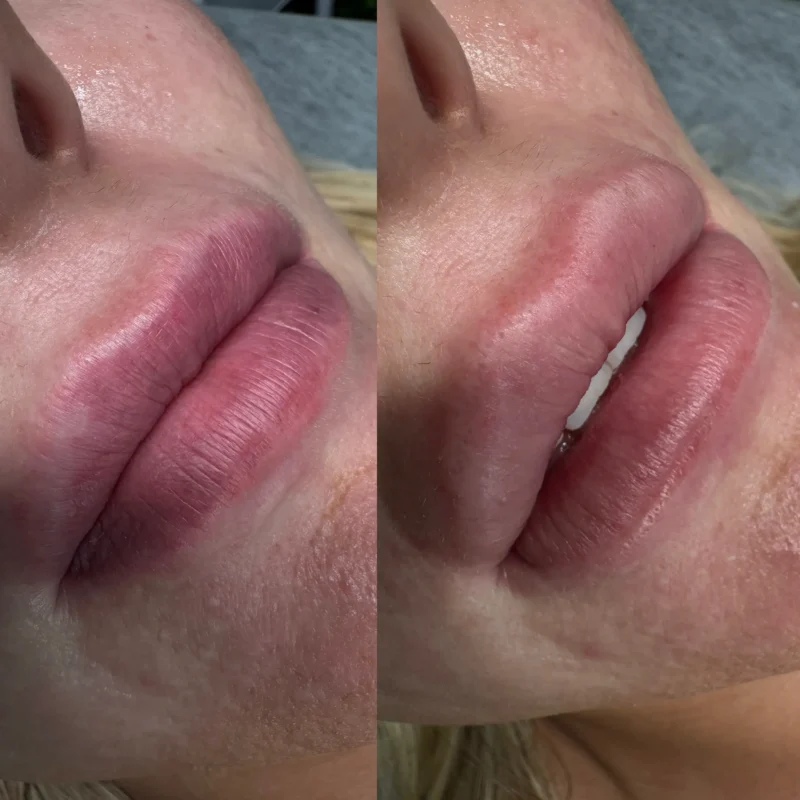
For most permanent makeup procedures, wait until the skin has fully healed – usually 10-14 days, depending on the area. Lips, for example, can take a bit longer. During the initial healing phase, whether you’ve had permanent makeup or lip tattoo removal, follow your practitioner’s aftercare instructions before introducing any new skincare products.
You should hold off on introducing new products if you still have any of the following:
Open skin that’s vulnerable to infection
Active scabbing
Significant peeling off
Oozing lymph fluid, which is a big no-no
Fresh irritation that can be easily irritated further
Once it’s all healed up, a gentle serum can help support hydration and skin renewal, and only then would I start thinking about introducing other skincare or a hydrafacial treatment.
Ingredients That Support Recovery
You don’t need to break the bank – fragrance-free is usually the safest choice for healing skin.
Look for ingredients that help with hydration and the skin barrier, such as:
Hyaluronic acid to lock in moisture
Panthenol (Vitamin B5) to keep things calm
Ceramides, which are a bit like natural lipids that help hold your skin together
Centella asiatica
Aloe vera to soothe any irritation
Vitamin C, which is a bit of a superstar when it comes to keeping skin looking healthy
Botanical antioxidants – think of them as a natural “superfood” for your skin.
Some products will also contain peptides, which can help support normal collagen production – something that can be affected by age. Clients also ask how does this pigment interact with future laser skin treatments, which is another reason I recommend avoiding procedures such as laser resurfacing until the cosmetic tattoo is completely healed.
Brisbane Conditions Can Influence Healing
Living in Brisbane means you’re faced with heat, humidity and a lot of sun exposure after cosmetic tattooing, which doesn’t make healing any easier. Sweat can make things inflamed, so follow your aftercare routine to the letter.
Rather than chasing every new beauty trend that comes along, I reckon you’d be better off keeping things simple:
Keep the treated area clean and dry
Avoid doing too much exercise for a few days
Wear a hat instead of smothering your skin with sunscreen
Only go back to your normal skincare routine once your skin is completely healed.
These simple habits will usually have a greater impact on healing and colour retention than any fancy serum you can buy.
A Real Brisbane Studio Example
The best way to know if a skincare product is any good is to see how it fits into someone’s real-life healing plan. Every person heals in their own unique way, so introducing new products one at a time makes the most sense.
We had a client return after previous work on her eyebrows, and whether someone has had a touch-up or eyebrow tattoo removal, I always want to understand the treatment history before recommending new skincare. After looking over the ingredients together, we figured out it was all about hydration and antioxidants – not exactly about stripping away dead skin cells with harsh acids.
Six weeks later, her brows looked great – the colour was still even, and her skin just felt a whole lot more comfortable. The serum seemed to help out her skin without touching the colour of the tattoo.
What Science Says About Skin Recovery
You’d think these products would be super powerful, but the science doesn’t quite match up to the marketing.
Most of the actual science-backed stuff is based on plant extracts – not actual living cells. They get these extracts from plants grown in a lab using bits of stem tissue, and it turns out they’re pretty good at keeping the skin healthy – not to mention having some nice antioxidant effects. When you combine those with some hyaluronic acid, vitamin C, some peptides that mimic how skin is supposed to behave, and a few other bits and bobs, you might actually see some real benefits – like better skin texture, more even hydration, and maybe even some normal collagen production happening again.
With so many products out there, sometimes the simplest option is the best. Look for something that’s just a well-made serum that actually delivers, rather than some product that promises the world.
Before you buy, ask yourself:
Does it smell natural – i.e. is it fragrance-free?
Is it just a good all-rounder for keeping your skin healthy and hydrated?
Can your practitioner say it’s okay to use?
Is your skin fully healed?
Does it steer clear of those harsh acid exfoliants?
Some of the fancy brands have made a big deal out of stem cell skincare, but the truth is it’s all about the ingredients, not the price tag. Don’t get caught up in the hype; look for what actually works.
Final Thoughts
Adding a plant-derived stem cell serum to your routine once you’re fully healed can be a good idea. They may help keep your skin hydrated & healthy, strengthen your skin barrier, and give your skin a bit of a glow – but don’t expect them to magically remove any implanted pigment or guarantee that the colour will stay looking good for longer.
At my Cosmetic Tattoo Studio, Brisbane Face Figurati, I always stress to my clients the importance of really looking after themselves after getting permanent makeup done: that means gentle cleansing, wearing sun protection and being patient. These habits have a much greater impact on how well your finished look holds up than any single skincare product can.
If you’re not sure whether a particular serum is any good for your skin, bring it to your appointment, and we’ll look at the ingredients together.
artist
Welcome to Cosmetic Tattoo Brisbane, where skincare choices are considered carefully alongside the long-term appearance of your permanent makeup. With Uliana Kasperska, clients receive practical guidance on when products such as plant-derived stem cell serums can be introduced after brows, eyeliner, lip blush, or pigment-removal treatments. While these serums may support hydration, skin-barrier recovery, and overall skin comfort once healing is complete, they do not reach implanted pigment in the dermis or directly cause cosmetic tattoo colour to fade.
Loads of them are, especially fragrance-free ones with hyaluronic acid, centella asiatica & ceramides included. For sensitive skin, it’s still a good idea to do a patch test to be sure.
Not necessarily – the ones that actually have some science behind them help out with the skin barrier are what you really want to look for, rather than spending a fortune on fancy branding & marketing.