

What is the riskiest tattoo colour? Well, not to sound too jaded, but the short answer is still red ink – widely considered to be the most reactive and unpredictable tattoo pigment out there, closely followed by some pretty aggressive yellows and certain dodgy synthetic mixes. But lets get real – it’s not just about the colour.
We’re Uliana Kasperska and the team at Cosmetic Tattoo Studio Brisbane Face Figurati – we see it all, from lovely healed tattoos to allergic reactions that take bloody months to sort out. So if you’re thinking about a discreet lip tint or a more dramatic tattoo, then we’ve got some hard-won knowledge to share – not just what looks good on Instagram.
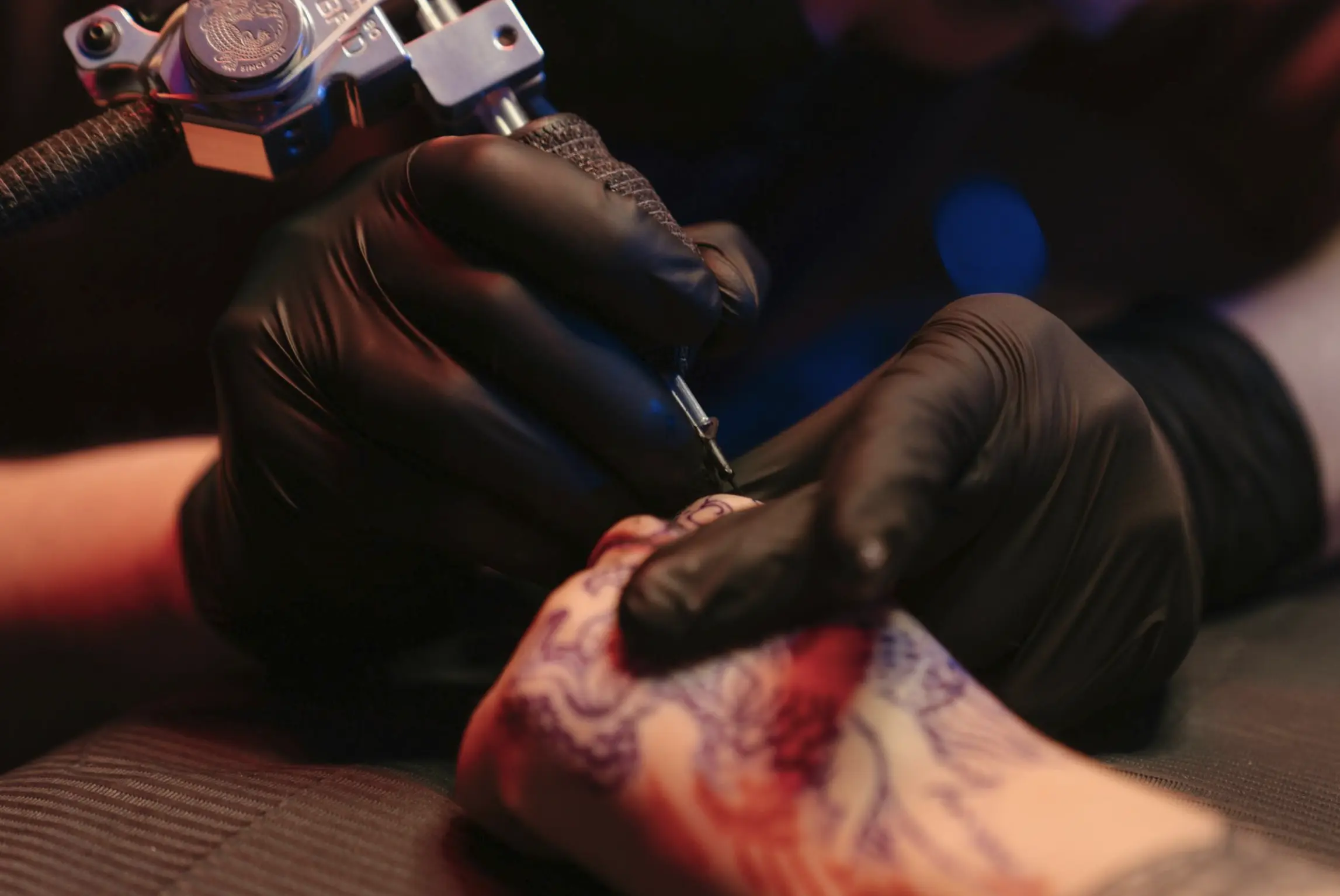
Not all colours behave the same under the skin – and that’s what makes it all so interesting.
The risk factor comes down to a few key things:
From our experience in Brisbane, where UV is pretty strong year-round, some colours break down faster or cause sensitivity issues more often than others.
According to the research, about 1-5% of people experience tattoo-related hypersensitivity reactions with coloured inks, especially red tattoo ink, which is a bit of a culprit.
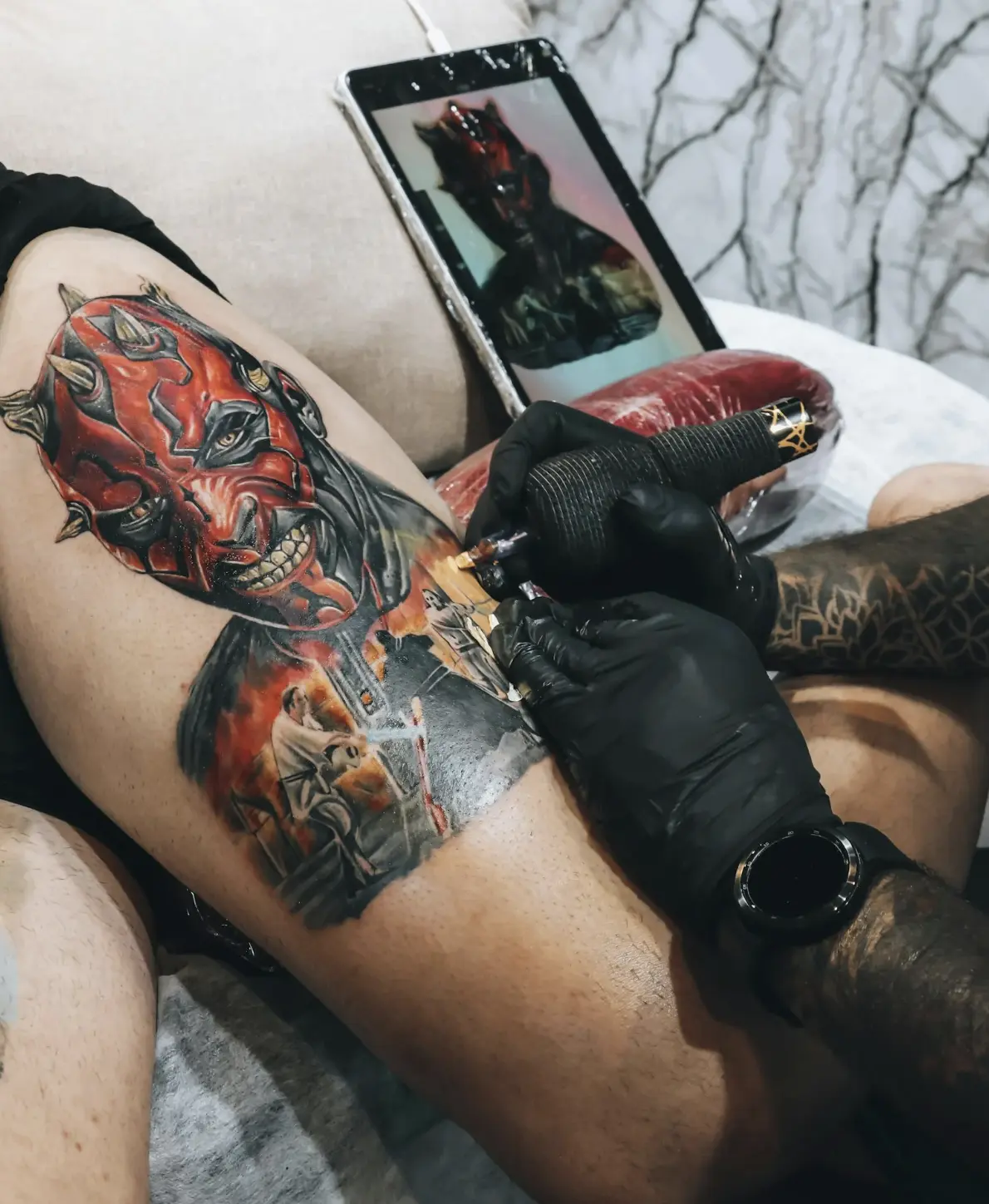

Let’s get straight to the point – red ink is a known troublemaker. We’ve had clients come to our studio years later, scratching their heads over a particular section that’s still itchy or raised. More often than not, it’s the red ink that’s the culprit.
We’ve had to correct more than a few lip blush jobs using advanced lip tattoo colour-correction techniques when the red pigment has healed all wrong. It’s not exactly a disaster, but it’s definitely frustrating for the poor client.
Common red ink issues that we see are:
Yellow might look harmless, but it’s actually one of the trickiest pigments for us to work with.
Yellow ink and bright tones are a bit of a wild card:
We see this a lot in Brisbane’s sunny climate. Clients come back saying “it looked great at first… now it’s all but disappeared”. It’s not the artwork that’s the problem – it’s just that the pigment behaves badly in the sun.
Here’s a clear breakdown based on real studio experience and pigment behaviour:
| Colour | Risk Level | Common Issues | Longevity | Removal Difficulty |
|---|---|---|---|---|
| Red ink | High | Allergic reactions, irritation | Medium | High |
| Yellow ink | Medium | Fading, UV sensitivity | Low | Medium |
| Green shades | Medium | Uneven fading, instability | Medium | High |
| Blue tattoo ink | Low-Med | Occasional sensitivity | High | Medium |
| Black ink | Low | Minimal complications | Very High | Easier |
Results vary depending on skin type, pigment quality, and aftercare.
The age-old question: are tattoos toxic? It pops up a lot — and the answer is: most modern tattoos done by pros are alright, but they’re definitely not completely risk-free.
Ink stays in the dermis, but tiny particles can still end up in your lymphatic system. Some pigments even hang out in your lymph nodes long-term. Studies have used fancy equipment like inductively coupled plasma mass spectrometry to sniff out trace elements in tattoo skin and nearby lymph nodes.
At our Brisbane studio, we use only approved pigments and controlled ink blends, and we steer clear of dodgy pigments.
Most people get it all wrong – it’s not just about the colour.
Skin reactions usually come down to:
We’ve seen clients blame a specific colour for a reaction when it was really just about doing the work or the needle settings being wrong.
Some people need corrective methods, like saline removal, to lift unwanted pigment and start over.

Colours aren’t just about how they look – it affects how your tattoo recovers and ages.
Good pigment:
And a bad choice?
We had a client who came to us in Brisbane for an eyebrow tattoo correction because their previous work had healed incorrectly. By tweaking pigment choice and layering, we were able to fix it up. That’s what experienced tattoo artists do.

Let’s just say it straight up: technique is more important than pigment choice.
Even the good stuff, like black ink or blue ink, can heal poorly if:
At our studio, every eyeliner tattoo or brow procedure is performed using controlled, skin-specific techniques to ensure it heals evenly.
Where you live actually has a bigger impact than you think.
In Brisbane, the heat and humidity make it harder for skin to recover. The sun can also break down lighter pigments faster, which is one of the key answers to what damages tattoos the most. We’ve seen clients with yellow or soft tones lose definition within a year because they weren’t using SPF. Meanwhile, deeper pigments like black tend to stay crisp.
So we always recommend high SPF sunscreen once your tattoo is healed – especially for colour work.
“Black Ink Is Always Safe To Go With“
The thing is – even black ink can cause issues if it’s got poor-quality pigments in it.
“Colour Will Always Fade Faster“
But actually, it’s the sun and your skin type that have more to do with fading than the ink’s colour.
“White Ink Is Completely Safe“
But white ink often contains titanium dioxide, and if that doesn’t heal evenly, it can be a bit of a problem.
“Reactions Always Show Up Straight Away“
The thing is, sometimes tattoo-related hypersensitivity reactions can turn up months or even a few years down the line.

Because a good tattoo isn’t just about how it looks at first – it’s about whether it still looks great in years to come.
Tattoo colour isn’t something to be scared of – it’s something you just need to understand.
Red may be the riskiest colour, but that doesn’t mean you have to give up on it altogether – it just means you need to take a bit more care, choose a good quality pigment and work with an artist who really knows what they are doing.
At Cosmetic Tattoo Studio Brisbane Face Figurati, we’re all about giving you results that look and feel natural and age well – no fancy shortcuts, no guesswork. We just make informed decisions based on years of experience.

Since 2016, Anastasia has specialised in cosmetic tattooing with a focus on pigment safety, colour behaviour, and long-term results. Fully certified across Europe and Australia, she understands how different ink colours interact with the skin — including higher-risk shades.
She selects pigments based on skin tone, undertone, and how colours age, helping reduce fading and discolouration. At Cosmetic Tattoo Studio Brisbane, Anastasia delivers results that are natural, stable, and safer over time.
Red ink is probably the most commonly linked to allergic reactions.
Small particles can occasionally be swept up by the lymphatic system, but they rarely cause any problems.
Yeah, it is – laser tattoo removal tends to work a lot better on darker colours like black.
Strong UV rays can break down the pigments and even change their colour.
Absolutely – especially in Australia and Europe, where there are pretty strict safety standards in place.