

“Is laser going to hurt the human body?” is one of the most common questions we get, and it usually hits us at some point, either right before someone books their first treatment and is getting cold feet, or at 3 am when they’re frantically Googling the safety of laser treatments. Quick answer: Laser treatments are generally safe, and have been widely used in medicine and aesthetics for years – but if those treatments are botched, used on the wrong skin type, or administered by someone who hasn’t got a clue, well, yes, they can cause harm.
I’m Uliana Kasperska, and the team at Cosmetic Tattoo Studio Brisbane Face Figurati – together we’ve been working hands-on with skin and pigment for over 15 years, and having done all sorts of corrective treatments in Europe and Brisbane, we’ve seen it all, from amazing results to more than a few cases that just plain didn’t go right elsewhere. So let’s break it down properly so you can make an informed decision.
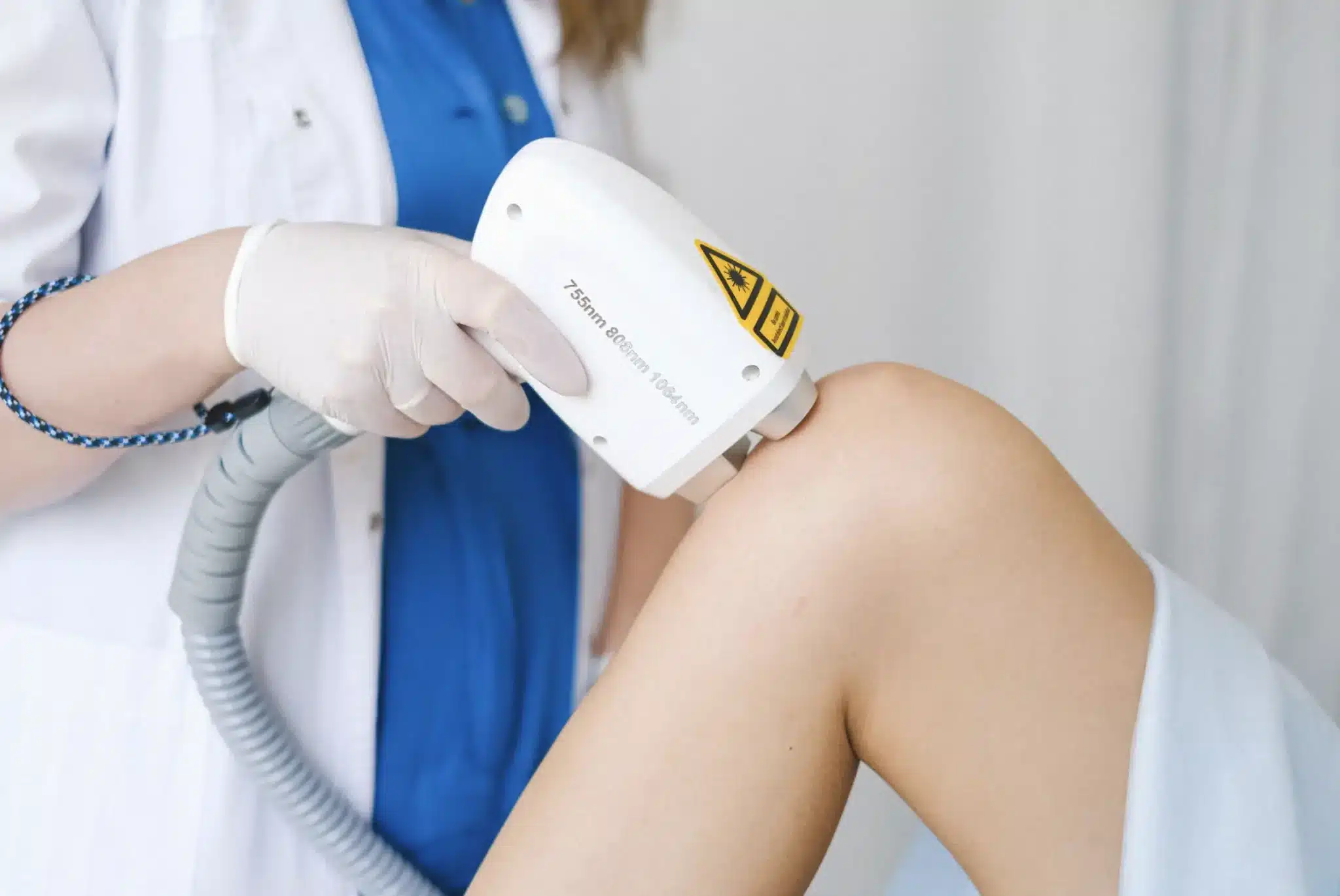
Laser treatments aren’t just some passing fad in the beauty world – they’ve actually been used in medical settings for decades, and it’s no surprise they’ve stuck around that long. From resurfacing the skin to removing unwanted tattoos in Brisbane, lasers use controlled light energy (a form of optical radiation) to perform very targeted work on the skin.
In our Brisbane studio, clients usually come to us for things like:
We often combine laser sessions with other treatments, like a hydrafacial in Brisbane or a good dermaplaning facial, to help the skin look clear and get the most out of our laser treatments.
Different lasers just aren’t the same, and when it comes to laser equipment, the wavelength and the output power all play a part in how they work on the skin – and the level of risk involved with that (which is why understanding laser vs ipl skin concerns is an important part of choosing the right treatment).
| Laser Type | What It Does | Risk Level | Downtime |
|---|---|---|---|
| Non-ablative laser | Stimulates collagen production without removing surface | Low | Minimal |
| IPL (Intense Pulsed Light) | Targets pigmentation and redness | Low–Moderate | Minimal |
| Diode laser | Hair removal (targets melanin) | Low | None |
| Fractional laser | Skin resurfacing and collagen stimulation | Moderate | 3–7 days |
| Ablative laser (CO₂/Erbium) | Removes top skin layers | Higher | 7–14 days |
Some specialised systems, such as excimer lasers or dye lasers, are more commonly used in medical dermatology than in cosmetic clinics.
The higher the intensity of the laser and how deep it goes, the higher the potential for laser hazards – but it also means you can get stronger results.
A laser beam shoots its radiation directly into the skin. The laser energy is absorbed, creating heat. This heat interacts with:
This heat, in a controlled way, can get the cells in the skin working properly, improve blood flow and stimulate collagen production. That’s why treatments seem to improve skin texture, tone, and general quality.
At Cosmetic Tattoo Studio Brisbane Face Figurati, we tend to get better outcomes when we prep the skin with a dermaplaning facial first – that way, the energy can get distributed more evenly, which is a good thing.
But there is a line: if you push the energy levels too high, it can cause some serious damage to the skin. That’s where experience and knowledge come in.

Most of the time, treatments go smoothly – and it’s not just luck, it’s all about how well you do things.
It comes down to operating the laser properly, setting the right settings and following the laser safety guidelines. And the body helps out a bit, too. We’ve got natural protective responses, like the blink response (also known as an aversion response), which can help protect your eyes from sudden exposure to the laser.
When everything is done right, most people will just get a bit of redness, mild warmth, and some sensitivity for a short while.
The main area of concern, though, is the eyes – if you don’t take proper precautions, laser radiation can cause damage to the eye, including damaging the sensitive area in the middle of the eye called the macula lutea and the fovea centralis. That’s why we always make sure people have proper eye protection.

Let’s not pretend there aren’t risks out there – there are, but they’re usually ones you can see coming.
Problems tend to happen when:
When that happens, you might end up with laser burns, pigmentation issues, or just general skin damage.
We’ve treated people who’ve had rushed or poorly done eyebrow tattoo removal (often without even getting a proper consultation). These cases can be sorted out, but it’ll take some time and patience.
And then there are the less obvious risks – like exposure to surgical plume – tiny particles that get released when some treatments happen. Good clinics manage this by using ventilation systems with ULPA filters to maintain safe air quality.
We often help the healing process along with some calming facial treatments or recommend a hydrafacial in Brisbane once your skin has had a chance to recover. Our clinics follow strict internal safety policies, regular safety audits, and proper hazard mitigation – all overseen by a trained professional.

Laser devices are regulated (FDA in the US and TGA in Australia), and that comes with very specific standards for safety.
But here’s the deal:
Having a safe device is just the beginning – operator skill is way more important than any of that.

Experience teaches you things no manual can teach you We’ve seen it all – from different climates to all sorts of skin types. What we’ve learned is that slow and steady wins the day. Aggressive treatments are just not worth it. Brisbane’s sun, humidity and lifestyle all have a real impact on how your skin responds. We had a client once with uneven pigmentation after a treatment elsewhere. We took our time with her case – rebuilding her skin gradually, session by session. And you know what? It worked. That’s how real results happen – the slow and steady way.
Home devices are safer because they use lower laser energy exposure – but that also means they’re less effective. They can be useful for maintenance, but I don’t think they can replace professional treatments. Results are slower and a lot more inconsistent if you don’t know what you’re doing. For anything major like pigment correction or tattoo removal, you really do get better results with a pro.
Lasers are often misunderstood – and that’s a problem.
No, absolutely not. Cosmetic lasers actually use non-ionising light, not the same as the radiation from an X-ray.”
Not true. The controlled kind actually helps your skin by kicking off collagen production.
Well, no – some treatments are tolerable, but let’s not pretend they’re completely pain-free.
Not gonna happen. The truth is, skin is more complicated than that.

Don’t be scared of laser treatments – but do show some respect for how they work. Get trained professionals to do the job, and don’t set your expectations too high.
Used properly, they can really make a difference to your skin – even for things like saline tattoo removal. But used carelessly, and you’ll end up with a whole lot of trouble.
So, choose your practitioner wisely – get a proper consultation – and don’t take shortcuts.

Since 2016, Anastasia has worked in the professional beauty industry in Brisbane, developing extensive knowledge of the technologies used in modern aesthetic treatments. As a certified and licensed specialist with qualifications across Europe and Australia, she focuses on safe treatment protocols, client education, and evidence-based practices.
Her approach includes understanding how laser technology interacts with the skin, selecting appropriate treatment settings, and ensuring procedures are performed with a strong focus on safety and skin health. By combining technical expertise with personalised care, she helps clients make informed decisions about laser-based treatments and their suitability for individual concerns.
Yeah, it can if you’re not using proper protection – that’s why shielding your eyes is a must in every session.
Only if it’s done wrong. Issues arise from poor technique or neglect of aftercare.
No, not by a long shot. Higher output does increase both the chance of success and the risk. You need to find the balance.
Most skin types can be treated, but it does need to be customised carefully.
Yes, if it’s used badly. A laser burn is almost always a sign of incorrect settings or treating skin that’s not quite right.