Taking a closer look at new cosmetic tattoo technology leaves us with way more questions than answers. Are needle-free (pressure-based) pigment delivery systems actually available in Australia yet? This topic is generating a lot of interest right now because people are looking for treatments that seem less invasive yet still deliver long-lasting results.
I’m Uliana Kasperka, and this is one of the most common questions I get from clients researching modern cosmetic procedures. At Cosmetic Tattoo Studio Brisbane, Face Figura is always looking at new equipment, techniques and innovations to see how well they work. Now, while its true that needle-free delivery systems are available in Australia, how they fit into cosmetic tattooing is a bit different from what most people think.
For now, the old-fashioned way of doing things with traditional cosmetic tattooing still gives us the most predictable results for how well the colour will hold up in the long term.
The idea behind pressure-based delivery systems is pretty straightforward. Instead of using a needle to put the ink under the skin, the device uses pressure to push it in. It’s not a million miles away from how skincare things are delivered – a traditional subcutaneous injection using a plastic syringe. Instead of using a needle, these use a high-pressure stream to deliver the material through your skin.
For skincare stuff, that can be pretty effective. Cosmetic tattooing, though, is a different story altogether. The challenge with cosmetic tattooing is getting the pigment to the right depth in the skin, and that’s not as easy as you might think.
Most of these pressure-based systems use:
They can be a bit more complicated than they sound – depending on the device, the substance can end up in the deeper layers of skin, or even right under the subcutaneous tissue.
Now I’ve seen some research being done in places where its easier to measure skin consistency – places like the upper arm, where the skin is softer and less prone to changing. But, as you know, the skin on your face is a whole different ball game – its got a different thickness, a different amount of oil, and it heals differently too.
That’s why even with all the advancements in technology, precision still matters a great deal for long-term colour retention.

Placement is only one part of the equation. Clients also increasingly ask are the pigments REACH compliant, EU standards or TGA listed, because pigment quality and safety matter alongside depth, distribution and technique.
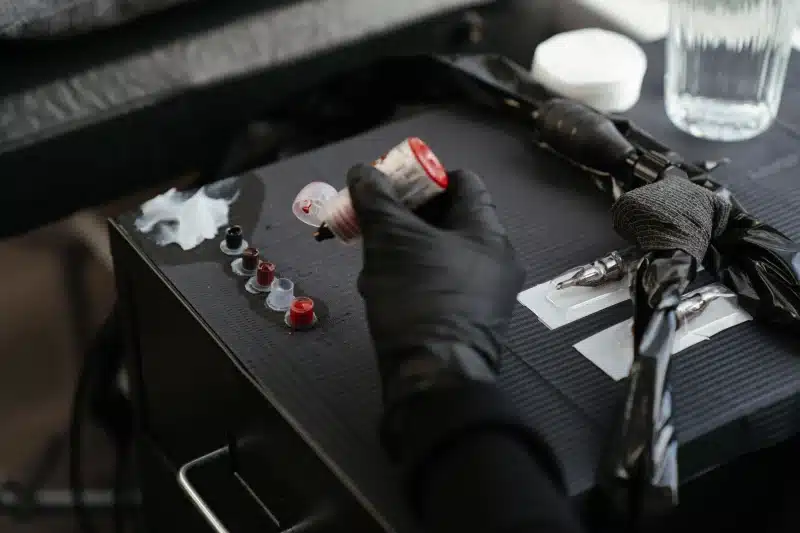
Newer cosmetic tattoo machines give artists a lot more control over:
| Treatment Factor | Why It Matters |
| Pigment depth | Influences colour longevity |
| Pigment distribution | Creates even healed results |
| Skin trauma management | Supports predictable recovery |
Many clients researching cosmetic tattoo in Brisbane are often surprised to find out that just how deep the pigment is placed – rather than the method of placement itself – can be the deciding factor on how well it turns out.
If the pigment is placed too close to the surface, the colour tends to fade quickly and may look patchy or uneven, requiring the client to come back in for more touch-ups. But if it goes in too deep, the colour can spread to the wrong areas, and the skin doesn’t heal as smoothly afterwards, which can also cause problems if the client needs to make any future changes.
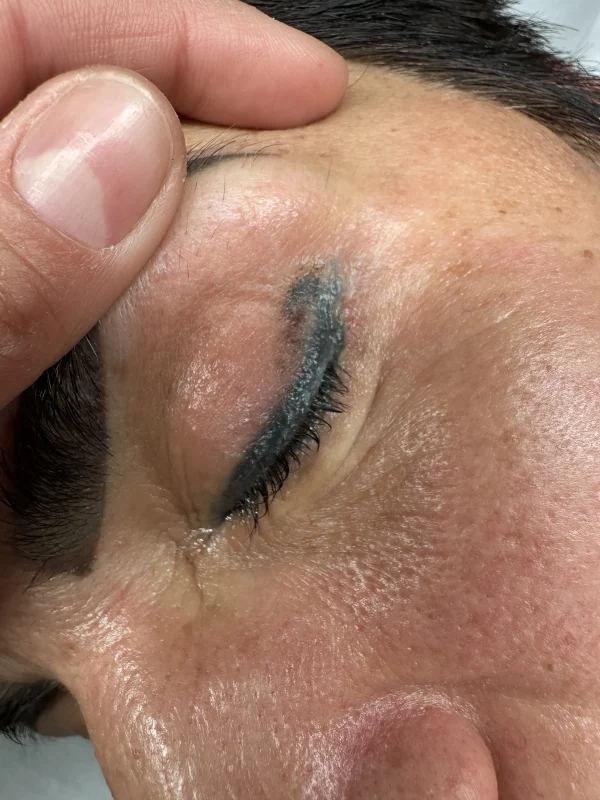
Whether you’re going for a soft lip blush tattoo in Brisbane or just a subtle enhancement, making sure the pigment is placed just right will determine how good the final result looks. The same rules apply when doing a cosmetic eyeliner tattoo in Brisbane – even a tiny difference in where the pigment is placed can make a big difference to how the colour stays and overall how it looks.
There’s been a growing interest in these new pressure-based delivery systems of late – especially in the world of aesthetic medicine and high-end skincare.
A lot of the gear out there is used for things like delivering skincare ingredients, providing hydration treatments, and certain types of skin rejuvenation. Some people have even been experimenting with it to help with the appearance of acne scars and uneven skin texture.
But there’s a world of difference between delivering some active skincare ingredients into the skin and placing cosmetic pigment into the skin, which is meant to stay there for years.
Most of the pressure-based systems that are available in Australia right now aren’t even designed specifically for permanent cosmetic tattooing. That’s one reason why traditional cosmetic tattoo equipment still pretty much dominates the industry.
And when clients research powder brows in Brisbane, one of the things they always ask is whether these new systems can deliver the same results as a proper modern cosmetic tattoo treatment. At this stage, conventional machines still deliver the most consistent long-term results.
The cosmetic tattoo industry, as a rule, is a bit conservative when it comes to adopting new tech. It’s not that they don’t like innovation – it’s just that the clients are judging the results weeks, months, and years after the treatment, not just on the day it’s done.
That same caution applies when clients ask does wireless low-vibration equipment actually reduce healing time — before adopting new equipment, artists want solid evidence of consistent healing, reliable pigment retention and safe treatment protocols. Without that, even some pretty exciting tech is unlikely to take off and get any real traction.

The phrase “needle-free” can create unrealistic expectations.
A lot of clients assume that if a treatment doesn’t involve a needle, then it’s automatically going to be less uncomfortable, have a faster recovery time, and fewer complications. While some of these pressure-based systems might be able to reduce certain types of skin trauma, they don’t eliminate the fact that the body is going to react whenever something is injected into the skin – that’s just how skin works.
Pressure-based treatments can still cause some temporary side effects – clients may get redness, swelling, tenderness, and mild injection site reactions after the treatment.
Now, these side effects are usually temporary, but they do highlight an important point: just because a treatment doesn’t involve a needle doesn’t mean it’s automatically free from reactions. Any time you’re doing something that alters the skin in some way, you run the risk of triggering a healing response.
Brisbane’s climate can significantly affect how well you recover from treatments.
Heat, humidity, being outdoors a lot, and those scorching UV rays all play a part in how your skin heals – whether it’s a cosmetic tattoo or some other aesthetic treatment.
In our studio, we always remind clients that aftercare can be just as important as the treatment itself for achieving the best results.
To help your skin heal properly:
We’ve seen time and again how much of a difference these simple steps can make in the final result.


All that fuss about pressure-based delivery technologies isn’t going unnoticed – researchers all over the world are taking an interest.
There’ve been loads of clinical trials and clinical studies looking at these systems for a range of medical and cosmetic purposes. They’ve also been exploring their use in vaccines, medications, ingredient infusion treatments, and a whole range of other aesthetic procedures.
A lot of these studies have shown some pretty promising results, but we’ve still got a challenge on our hands when it comes to cosmetic tattooing – because we’re not just delivering a substance into the skin; we’re trying to achieve stable, attractive colour that lasts the distance long after the healing has finished.
Pressure-based systems are working out okay in some areas, but long-term performance data for their use with permanent pigment implantation are still pretty thin on the ground.
What we’re mostly seeing is research on delivering substances into the skin, rather than actually maintaining visible cosmetic colour over a long period of time.
This is a pretty important distinction.
A treatment might successfully get pigment into the skin, but that doesn’t automatically mean you’ll end up with attractive, stable results months or years down the track.
That’s why many experienced artists are sticking with established cosmetic tattoo equipment.
Anything new should be approached with a bit of a reality check.
Whether you’re talking about traditional cosmetic tattoo equipment or a pressure-based delivery system, safety always comes first.
Before any procedure, you should always check that your chosen practitioner follows proper hygiene and treatment protocols.
Before booking in for any procedure, consider asking your practitioner:
Anyone with concerns about allergies, skin conditions, medications, or healing responses should also chat with a healthcare professional before proceeding with a treatment.
Technology is advancing so quickly, and pressure-based systems will keep improving over time.
Future advancements could well lead to improved pigment stability, far more precise treatment, more predictable healing times, and better depth control. If the evidence accumulates to show that these technologies are reliable in the long term, they might just become a valuable addition to the cosmetic tattoo industry.
As correction techniques continue to improve, procedures like saline tattoo removal in Brisbane remind us that getting the pigment placement right from the start remains one of the most important aspects of the entire cosmetic tattoo journey.
For the time being, however, machine-based cosmetic tattooing remains the most reliable way to achieve long-lasting colour.


So, are pressure-free (pressure-based) pigment delivery systems available in Australia yet?
They are out there and continue to attract considerable interest within the aesthetic and skincare communities, but they haven’t yet replaced traditional cosmetic tattooing.
As a cosmetic tattoo artist, I think clients deserve an honest rundown of the options rather than being sold on the latest hype. While new technology is always exciting, at the end of the day what really matters is proven results, safe protocols, and predictable healing. So before you go ahead with any cosmetic procedure, do your research on the practitioner, take a good hard look at the healed results, and find out whether the treatment has a solid track record – rather than just chasing the next big thing.

Longevity varies wildly – it all depends on the technology being used, the type of skin you have, the type of pigment, and what you’re trying to achieve with the treatment. The trouble is that most pressure-based systems have far less long-term retention data available than traditional cosmetic tattooing.
If you’ve got oily, mature, sensitive, or highly reactive skin, you may find it responds differently to these technologies. And the thing is, all of us heal at our own pace, which can affect both how long the pigment lasts for and the overall outcome of the treatment.
Yes, most of the pressure-based technologies currently available in Australia are used for skincare procedures, ingredient infusion treatments, and other aesthetic applications rather than for permanent cosmetic tattooing.
When you’re looking around for treatment providers, the things that really matter are practitioner training, hygiene standards, healed results, client reviews, and a proper, transparent consultation – not just the marketing blurb.
Fresh results often look heaps different from the way they do when they’ve fully healed. The real measure of how good a treatment is is how the colour, shape and overall appearance look after the healing process is complete.