

Letting the mask slip ontattoo products reveals a lot more than people might expect. When my clients ask me, “Do the pigments we use meet EU REACH standards or are they on the TGA list?”, they’re usually trying to get a handle on whether the products I’m using are up to scratch and backed by recognised safety standards to ensure safe and long-term results.
I’m Uliana Kasperska, and at Cosmetic Tattoo Studio Brisbane, I get asked all sorts of questions by clients who want to know more about the ingredients, regulations, and product quality before they book in. And you know what? I think thats a good thing. Cosmetic tattooing is more than just churning out beautiful brows, lips or eyeliner. Its also about understanding what goes on in the skin and thinking about the kinds of products that go in.
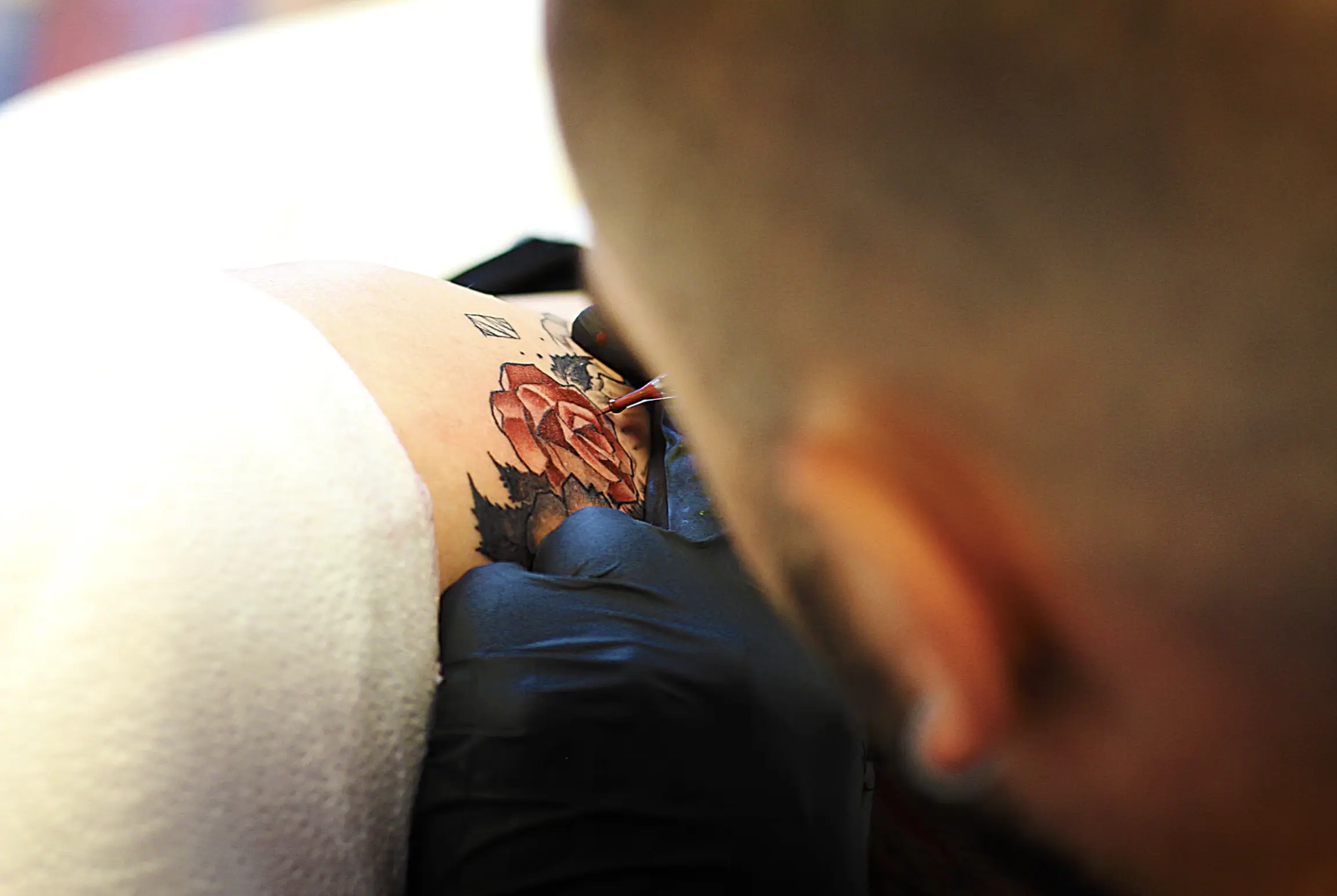
These days, the clients coming to see me are more knowledgeable than ever before. A lot arrive at consultations having done their research on ingredients, the manufacturing process, and what happens in the long term. Personally, I think this growing awareness has had a really positive impact on the PMU industry. Clients are no longer just worrying about getting the job done; they’re asking really thoughtful questions about heavy metals, clinical safety, patch testing and how open the manufacturer is about what they put in their products.
When I sit down with clients to chat through their options, the most common things on the agenda are:
These conversations are really helpful for the client – they get to make informed decisions and feel much more confident about their treatment.

Also known as the elephant in the room – one of the biggest things thats changed in the cosmetic tattoo world has been the new rules coming in from Europe. REACH regulations were established to ensure that chemical safety is taken seriously and to reduce people’s exposure to substances that could harm their health. For us in the cosmetic tattoo industry, the introduction of EU Regulation 2020/2081 introduced new restrictions specifically for tattoo and permanent makeup inks.
The point of these regulations isn’t just to add more hoops for us to jump through – it’s about keeping our clients safe and reducing the risks of any ingredients causing problems. Several categories of substances are restricted or closely monitored.
| Substance Category | Why It Matters |
|---|---|
| Heavy metals | Supports consumer safety |
| Aromatic amine compounds | Reduces toxicological concerns |
| Polycyclic aromatic hydrocarbons | Improves chemical safety |
| Certain preservatives | Helps reduce irritation risks |
| Restricted colourants | Supports safer formulations |
The point of these regulations isn’t just to add more hoops for us to jump through – its about keeping our clients safe and reducing the risks of any ingredients causing problems. That includes answering practical questions such as what is the riskiest tattoo color. For artists and their clients, these changes have been a real game-changer in bringing transparency to the industry.
Most people don’t even think about what’s inside a bottle before we slap on a colour. But in all seriousness, the science behind colour formulation is super important – it makes all the difference between a safe treatment and a successful one. Clients deserve clear information about what is in tattoo ink before they commit to a procedure. When I go over a product range I’m considering using, I take a close look at the ink chemistry because it directly affects how the colour adheres, how well it stays put, and how well it holds its colour.
Modern product development involves a few key things:
At Cosmetic Tattoo Studio Brisbane Face Figura, I spend a lot of time poring over technical information and testing how well the cosmetic tattoo pigments I use will perform before I even consider bringing them into my studio.
Once the colour is in your skin, it becomes part of this complex biological process. The pigment cells chill out in the dermis, where the immune system goes to work on them over time. Stuff like particle size and how well the immune system can grab onto those particles affects how well the colour stays visible and how well it fades. All this helps explain why some people heal a little differently than others.

A lot of people get it wrong when they think that cosmetic tattoo colours are regulated just like medicines. But the truth is a bit more complicated than that. Most cosmetic tattoo colours aren’t individually listed by the Therapeutic Goods Administration, unlike medicines and medical devices, which are regulated.
The Therapeutic Goods Administration is all about therapeutic products, medicines, and medical devices. Cosmetic tattoo products generally fall under broader chemical and public health frameworks here in Australia, and relevant legislation may include the Industrial Chemicals Act 2019, as well as requirements from various government agencies and the Department of Health.
Getting your head around this distinction makes it a lot easier to make sense of product claims and marketing language.
The European regulations and the Australian requirements aren’t the same thing. A product can be compliant with European chemical restrictions and still meet Australian requirements. They’re two separate systems, but they both contribute to improving safety standards in the industry.
Every product I use has a big impact on my work and my clients’ results. Before introducing a new range, I go through a process that checks out their quality, consistency and safety – and I take this very seriously.
I take a close look at:
If a manufacturer can’t clearly explain how a product is made, that’s a red flag for me.
It’s easy for manufacturers to make big claims, but what really matters is the evidence. I don’t just take their word for it. I look at healed results, colour charts, retention patterns and long-term performance across different skin types before making a decision.

Working in Queensland means I have to take into account the unique challenges of our climate. Brisbane’s strong sunshine and outdoor lifestyle can really affect how colours age over time – and I discuss this with almost every client during consultations.
Our UV Index is often high for much of the year, and excessive exposure can cause all sorts of problems – including faster fading, reduced intensity and more frequent maintenance appointments. Many clients considering a lip tattoo in Brisbane want to know whether product quality affects retention. And the answer is yes, but it’s not the only factor. Aftercare and lifestyle play a pretty big role too.
Once your tattoo has healed, I recommend following the guidance from Cancer Council Australia. Some helpful habits include applying broad-spectrum sunscreen, wearing hats outdoors, choosing clothing with a high UV Protection Factor rating, and choosing products that contain Zinc Oxide where relevant. Good sun protection is not just good for your skin; it also helps your colour to last longer.
Product quality is important, but it’s not the only thing that matters. Even the best products can produce poor results if they’re not implanted correctly.
When it comes to professional outcomes, skill still matters a lot, and I think about this when I’m performing an eyebrow tattoo in Brisbane or a cosmetic eyeliner tattoo.
Some of the key factors I consider include:
Its the attention to detail and the way I tailor the treatment to the client’s skin and goals that really makes the difference.


I had a client walk into my Brisbane studio after dealing with a lip liner tattoo that had faded all wrong from another provider. The colour had unevenly faded, and she could no longer pull off the look that suited her natural skin tone. At first, she blamed substandard products, but after reviewing her treatment history and assessing her skin, it turned out that several factors had led to this disastrous result.
You see, you can’t just make a plan without first understanding what went wrong. So we sat down, reviewed everything we could, talked through her expectations, and got a good idea of where we were at. Sometimes a saline pigment remover is the way to go, but in this particular case, a more delicate approach through colour correction gave us a far better outcome.
This kind of thing always reminds me that both the quality of the products and how they’re used will make or break a cosmetic tattoo job.
A consultation should be a chance to learn what you need to know. It’s not just about me telling you what looks good or what prices are – it’s about educating you on the whole process and helping you make an informed choice. Here are some of the key things to ask, take note:
These are all the questions you should be asking, and I’m more than happy to give you the straight answer.
When you ask me whether I use products certified to international safety standards, what you’re really asking is whether I can be trusted to deliver high-quality results.
Here at Cosmetic Tattoo Studio Brisbane Face Figura, I’ve made it my priority to be as open and honest as possible – whether it’s explaining the process, discussing what products I use, or just making sure you feel like you’re getting the best possible advice. I stay up to date on the latest industry developments and focus on products that deliver great results while keeping my clients safe.
To me, good cosmetic tattooing is about way more than just getting the colour right. It’s about being honest, transparent, and knowledgeable, and then using that knowledge to create a result that will continue to look amazing for years to come.


Since 2016, Anastasia has worked in the professional tattoo industry in Brisbane, placing a strong emphasis on pigment safety, regulatory compliance, and long-term treatment outcomes. As a certified and licensed specialist with qualifications across Europe and Australia, she carefully selects products that meet recognised industry standards.
Her approach focuses on using high-quality pigments, understanding REACH compliance and relevant Australian regulations, and ensuring every treatment is tailored to the client’s skin type and goals. By prioritising safe, reputable materials, she helps achieve results that are both reliable and designed to age predictably over time.
You’ll be happy to know that the regulation ended the use of certain dodgy ingredients, like heavy metals and other nasty stuff, in tattoo inks.
It’s pretty simple – the bigger the particle, the more quickly it will fade. A smaller particle will hold up longer.
Yeah, it definitely can. UV exposure and our love of being outdoors means that your tattoo will fade more quickly than it would in a duller climate. Sun protection is a must aftercare.
It really depends on the job, but colour correction is often the way to go when we need to tweak the colours a bit. Removal is usually the last resort.
It’s all about using high-quality products, using the right techniques, taking care of your skin, and generally being mindful of your aftercare routine. Sun exposure, skin type and lifestyle all play a part in how well your results will last.