

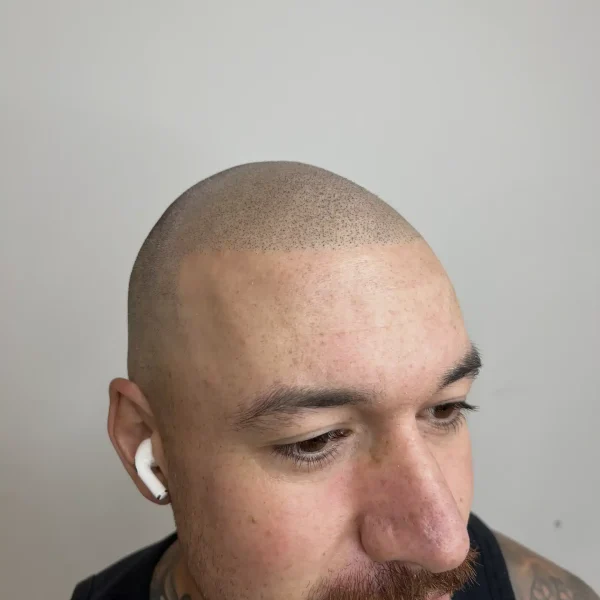
Scalp Micropigmentation, a beautifying procedure addressing hair loss, employs techniques akin to hair tattooing to replicate the look of actual hair. The process involves using microneedles to embed pigment into the scalp, thus generating the visual semblance of distinct hair follicles. This technique effectively conceals bald spots, diminishing hair density and scars on the scalp. Hair micropigmentation is a natural and efficient alternative for individuals seeking solutions other than hair transplants or comparable invasive approaches. Opting for a hair tattoo can offer a short-hair appearance in cases of baldness and create the impression of enhanced hair thickness for those with sparse hair.
duration 4 hours
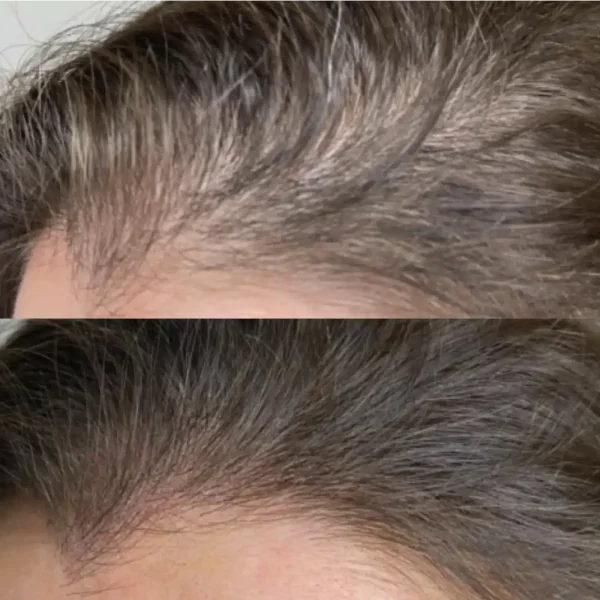
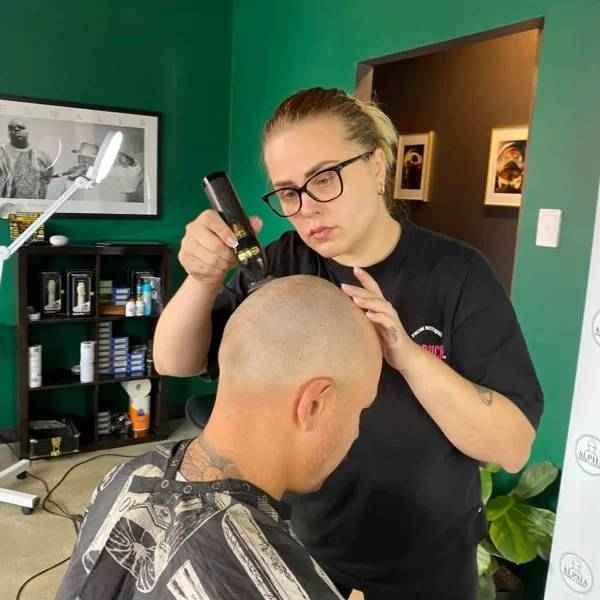
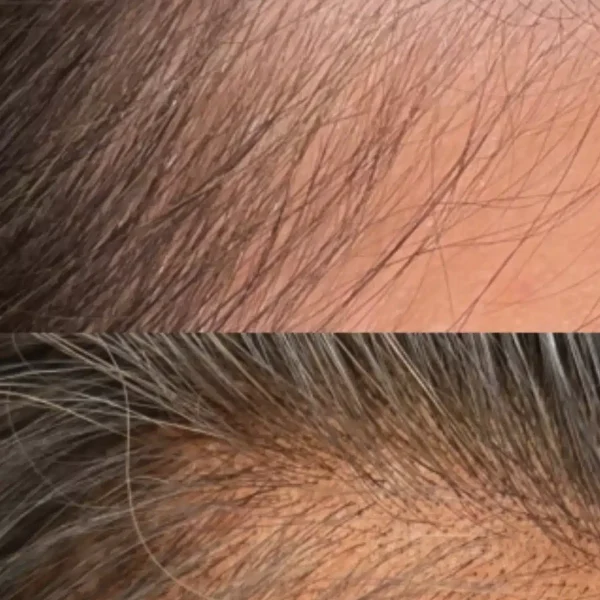
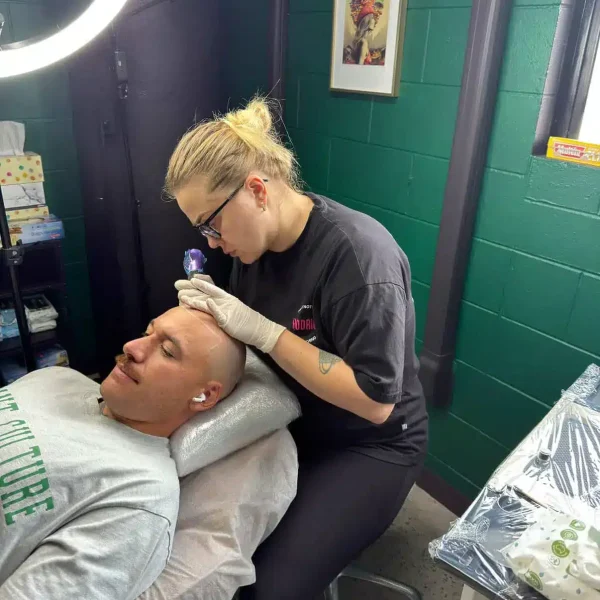
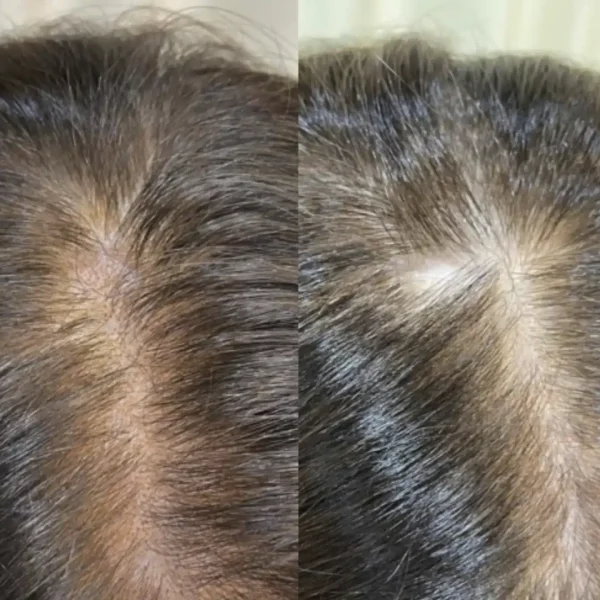
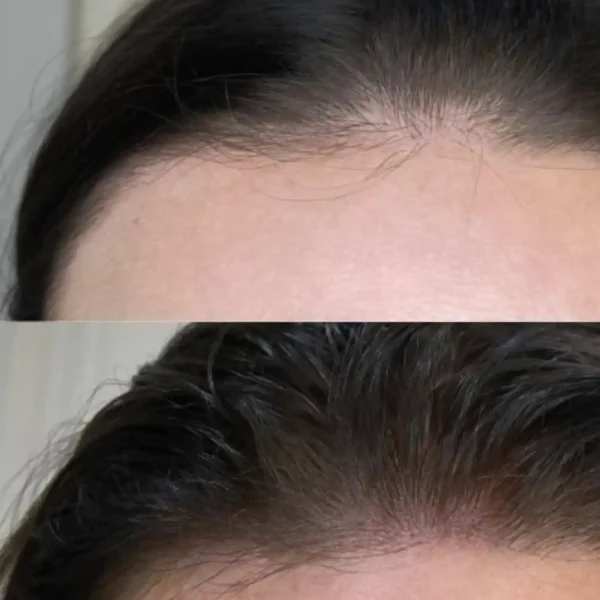
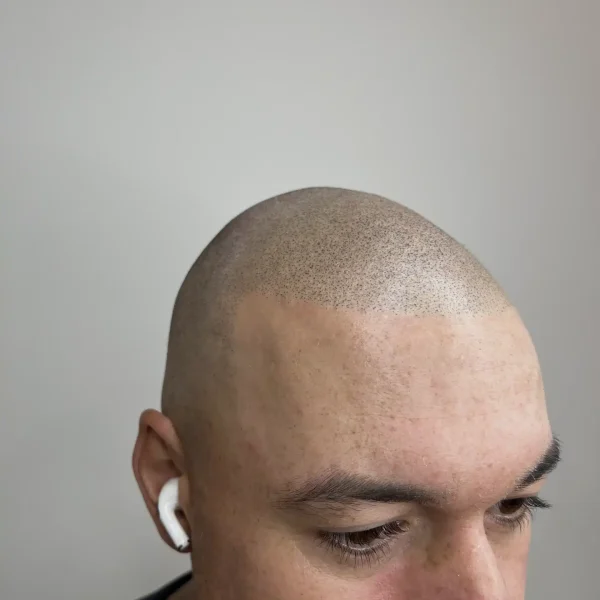
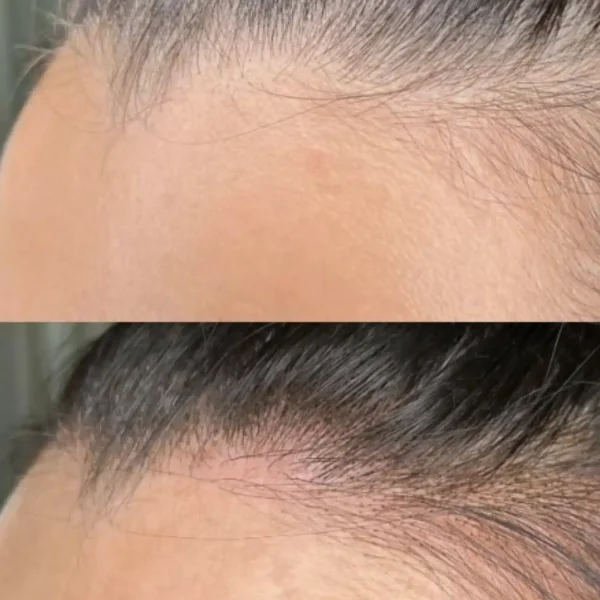
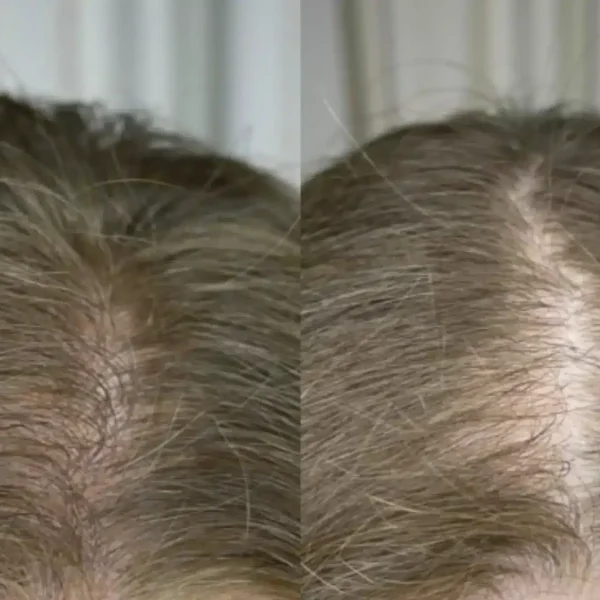
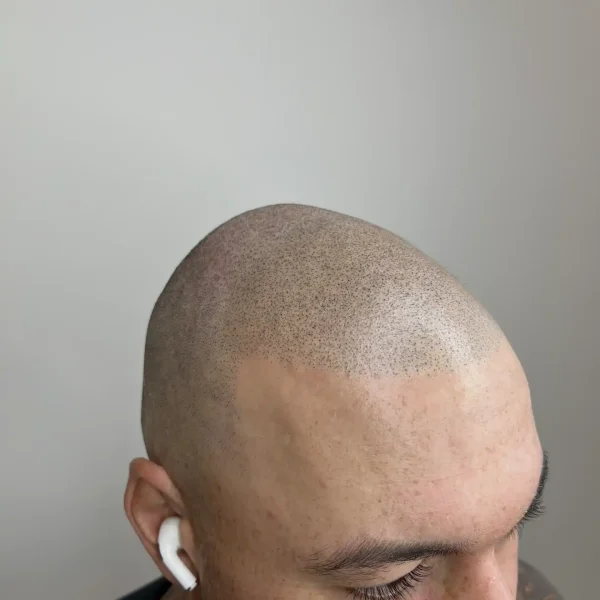
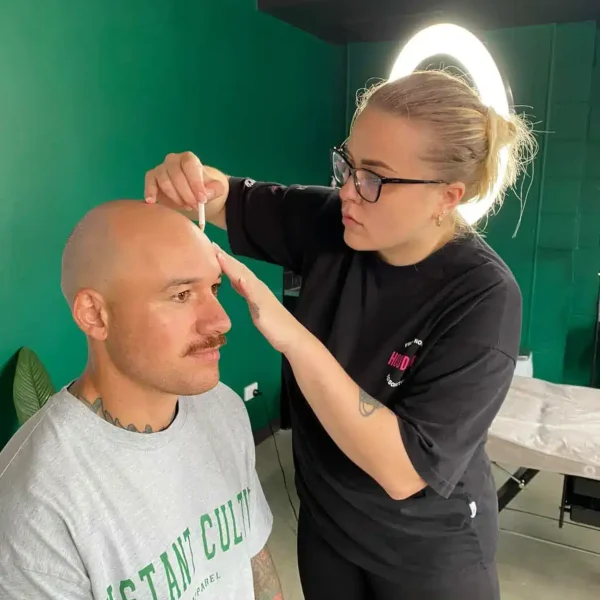
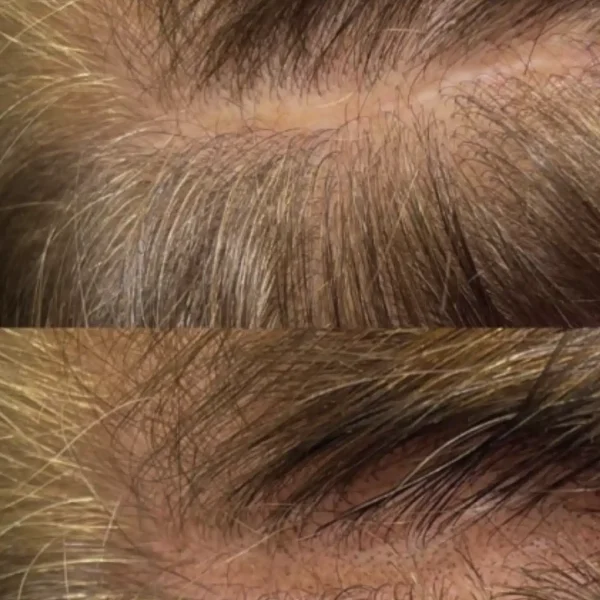
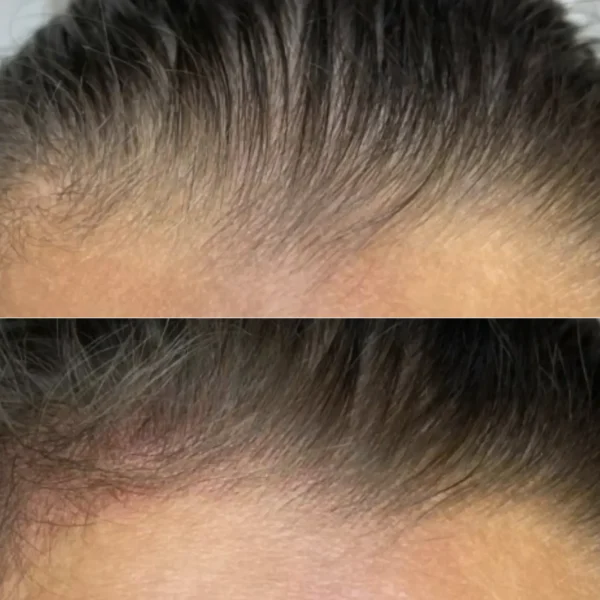
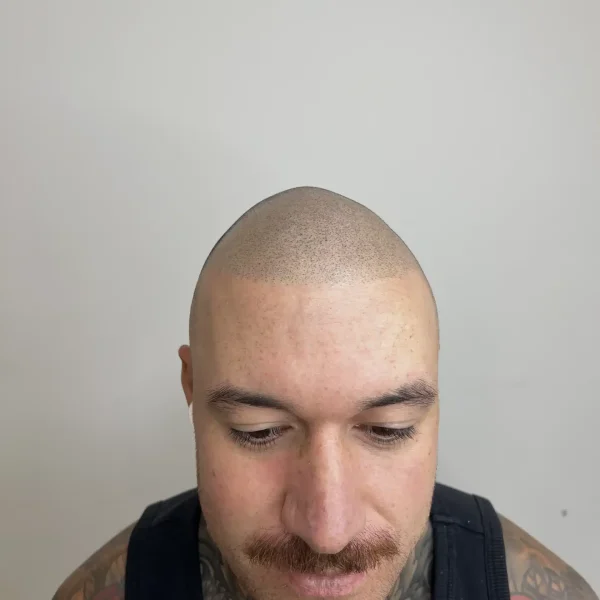
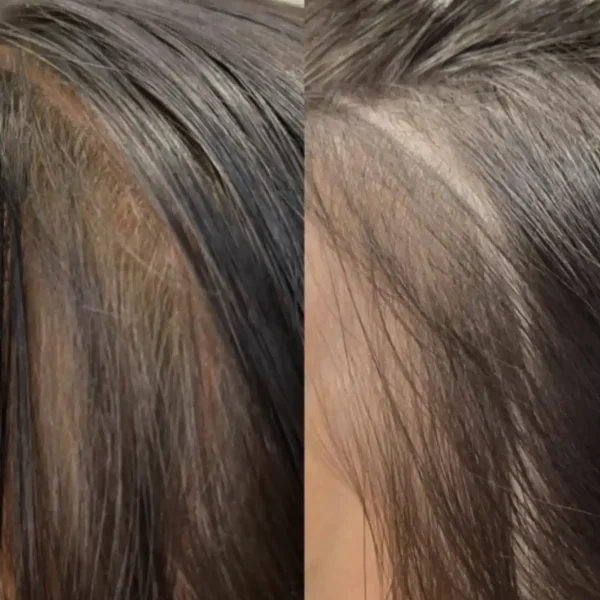
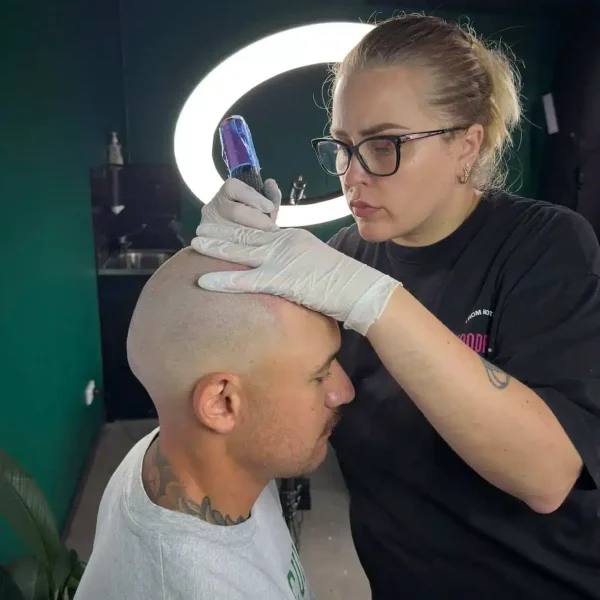
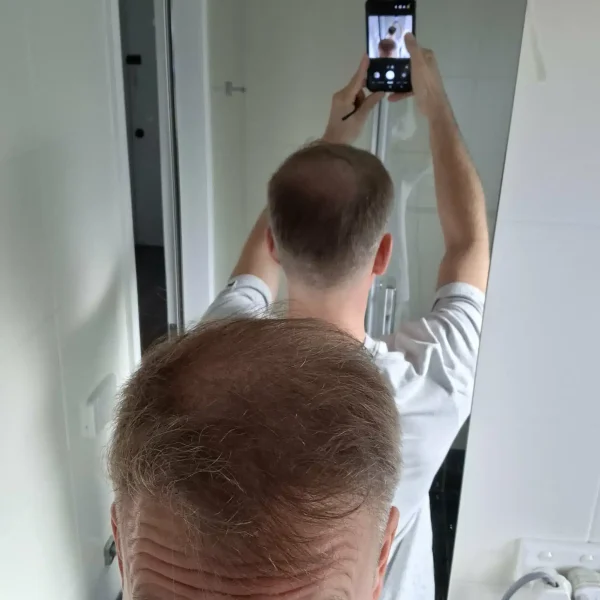
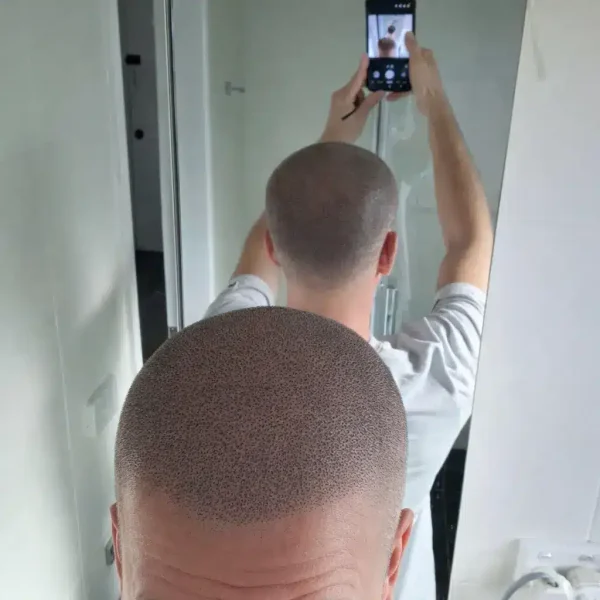
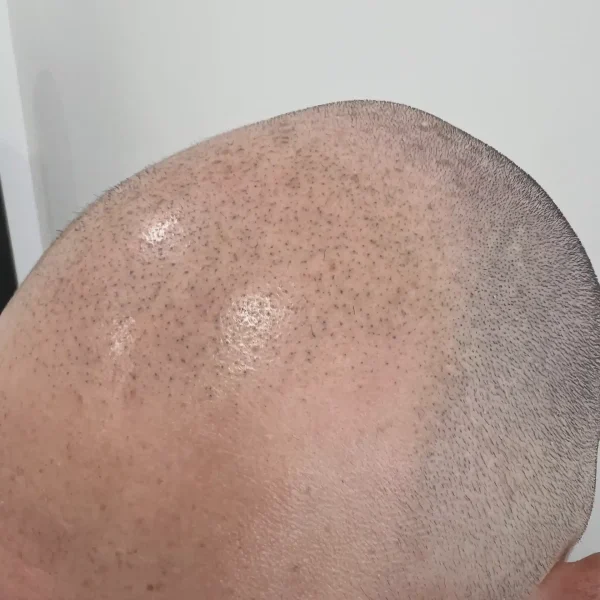
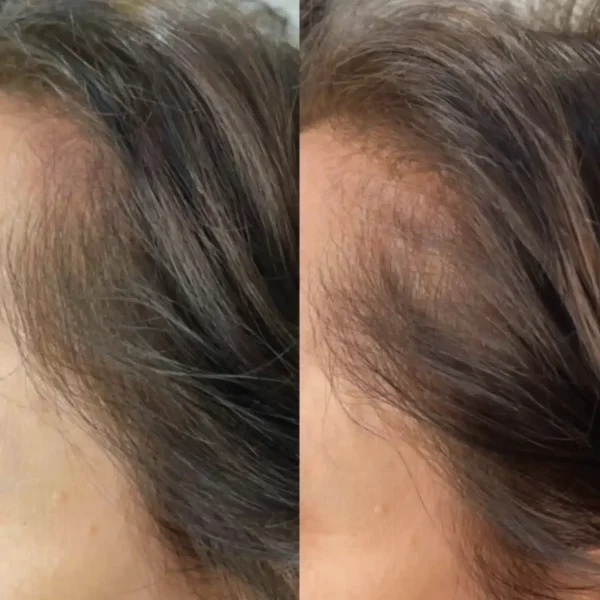
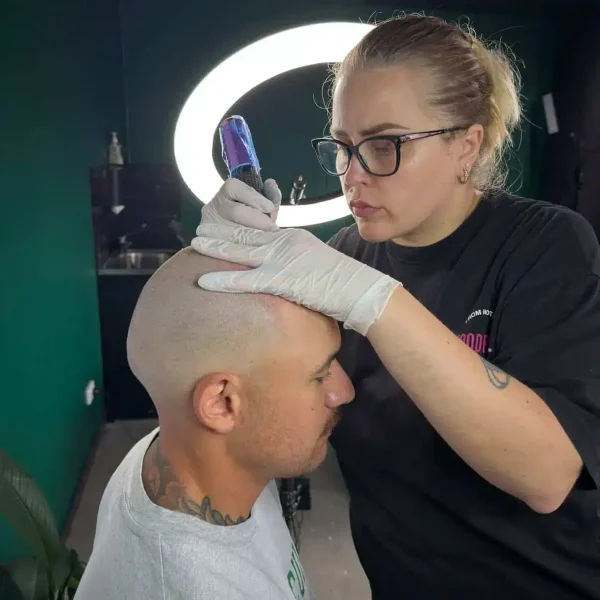
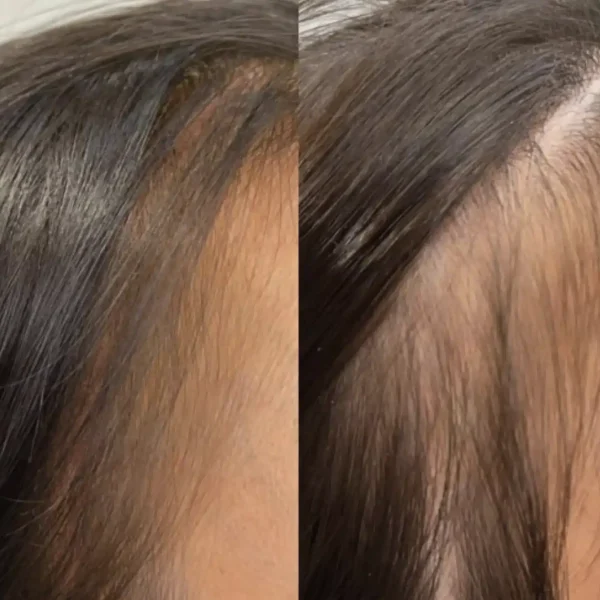
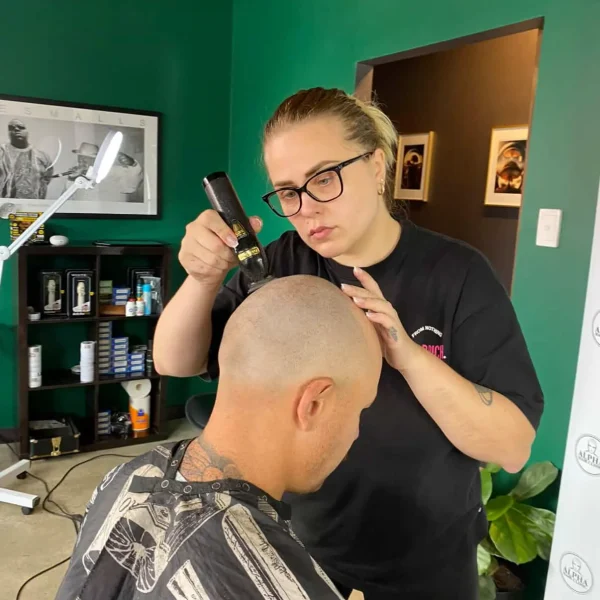

















Since 2016, Anastasia has been helping clients restore confidence through the art of scalp micropigmentation. With extensive expertise in the professional tattooing industry, she combines precision techniques with a keen eye for natural detail to create realistic, hair-like results.
Fully certified and licensed in both Europe and Australia, Anastasia works closely with each client to design a customised treatment that seamlessly blends with their hair colour and skin tone—delivering a natural, fuller-looking hairline every time.


The style of hair one selects often mirrors one’s identity and can positively influence one’s looks and self-assurance.
Numerous people undergo psychological turmoil when they notice their hair thinning. Such distress can take the form of stress, anxiety, depression, and fears related to social interactions and settings.
For those facing hair loss, an option known as scalp tattooing or scalp micropigmentation is accessible.
A hairline tattoo is a non-invasive, non-surgical technique that simulates a short, “buzz cut” hairdo. This method involves the application of pigment onto the scalp using tiny micro-needles, which create an effect resembling natural hair follicles. Expert technicians must apply these small dots in different shades of black to effectively replicate the natural shadow of hair on the scalp.
A key benefit of choosing scalp tattoos for hair loss over FUE (Follicular Unit Extraction) hair restoration is the lack of required recovery time and its relative cost-effectiveness.
Hair shedding, diminishing hair density, or reducing hair volume is a widespread issue impacting both genders across different ages. The extent of hair loss can significantly affect one’s emotions. Scalp tattoo presents an apt remedy for those suffering from diverse hair restoration conditions, such as:
Scalp micropigmentation offers a secure alternative to hair transplantation procedures. It bypasses the need for surgical interventions or drugs that may have undesirable side effects. This approach is characterised by minimal invasiveness, zero downtime, and an uncomplicated recuperation phase. Our cosmetic tattoo practitioners possess exceptional skills, ensuring adherence to the highest work standards, thereby reducing the likelihood of scarring, infections, or other complications post-treatment.
Micropigmentation presents a durable remedy for hair thinning without the necessity of donor hair. It demands only basic upkeep, like periodic touch-ups to address fading or further hair thinning.
Hairline tattoo is an economically favourable choice compared to other hair-thinning solutions, with initial costs of $500. The final cost varies depending on the severity of hair loss and the potential necessity for additional sessions in the future to manage continuous hair thinning or colour fading.
Preparation steps before undergoing SMP treatment include:
The skilled SMP practitioner will utilise fine needles to meticulously implant pigment into the scalp, focusing on the required regions. The dots created will differ in depth, size, and angle to simulate the appearance of natural hair.
The length of your session will depend on the area size being treated and might last as long as five hours.
Patients usually need three to four sessions spaced several weeks apart. In each session, more ink is added to the scalp to build dense hair’s natural, layered look.
The SMP method involves minimal recovery time, enabling a quick return to usual activities. It also carries mild side effects, such as brief redness or swelling on the scalp, which generally diminish within a day.
The potential risks of scalp micropigmentation are associated with choosing an unlicensed or inexperienced practitioner who may fail to follow the necessary precautions.
Possible risks include:
To avoid these risks:
Significant distinctions between a hair tattoo and a genuine micropigmentation on the scalp go beyond the surface.
Traditional tattoos involve using heavy gauge needles to inject ink into the skin at a deep level. In contrast, SMP needles have a thinner profile and only penetrate the top layer.
Interestingly, top SMP clinics do not use perfectly round needles to administer the “dots” that cover the scalp during the procedure. This is because organic hairs are irregular and jagged when examined under a microscope.
Authenticity is everything!
Colours play a significant role in tattooed hair, as even short hairstyles can expose the actual colour of the hair follicles and create a distinct appearance under specific lighting conditions.
Micropigmentation professionals frequently blend ink combinations to create custom colours for each client to achieve the desired result. This meticulous approach ensures that the best SMP procedures are executed with precision and careful consideration.
People who are unsuitable for scalp micropigmentation include those with an allergy to the ink used in the procedure. Conducting a test patch before the treatment is advised to identify any allergic reactions.
Scalp micropigmentation does not encourage regeneration or modify your inherent hair growth patterns. It isn’t a remedy for hair thinning and does not lead to hair loss or damage to existing hair follicles. The scalp micropigmentation technique produces an illusion of more abundant, denser hair.
Following the scalp micropigmentation treatment, it is recommended to refrain from certain activities for a few days, including:
Scalp micropigmentation typically maintains its appearance for a minimum of four years. The pigments utilised in this procedure are permanent cosmetics, distinct from tattoo ink, ensuring resistance to fading or colour alteration.
Shaving your head is not mandatory for tattooed hairline, but it is often recommended for optimal results; however, it is not a requirement.
This procedure is appropriate for thinning hair, receding hairlines, bald patches, or scalp scars. Ultimately, the choice of hairstyle with a hair tattoo is yours. However, it is frequently advised to shave your head for optimal outcomes.
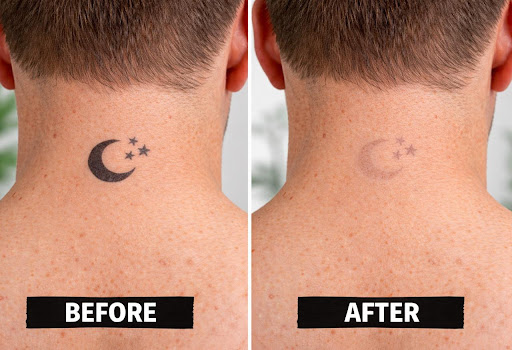
Hair pigmentation is reversible via laser therapy or the application of fading creams. For those wishing to alter their pigmentation, fading cream is a feasible choice, though it often necessitates several applications to achieve total removal.
The number of sessions required for this procedure depends on individual goals, scalp condition, and other factors. Usually, it is recommended to have 2-3 sessions for the best outcomes.
Most people are satisfied with the results of scalp micropigmentation. However, as with any cosmetic procedure, regret is possible. Before deciding, it is essential to thoroughly research and ensure you are comfortable with the process, outcomes, and expenses.
The process of cosmetic hair tattoos is generally not painful. Many clients describe it as a mild scratching sensation. A topical anesthetic is typically used beforehand to reduce any discomfort.
Scalp tattoo does not stimulate hair growth or alter your natural hair growth. It is not a hair loss treatment and does not result in hair loss or harm to your existing hair follicles. Scalp micropigmentation creates the appearance of fuller, thicker hair.