

One thing I get asked all the time is: Are there vegan and ‘organic’ pigment options that don’t come at the cost of colour retention? Clients are looking for products that align with their values and deliver lasting results.
I’ve been in the cosmetic tattoo business for years now, and the progress in ingredient technology has been pretty dramatic. At Cosmetic Tattoo Studio Brisbane Face Figura, I meet clients all the time who are after ethical alternatives that don’t compromise on performance. The good news is that a lot of the latest formulations can deliver on all fronts: great longevity, beautiful healed results, and strong safety records.
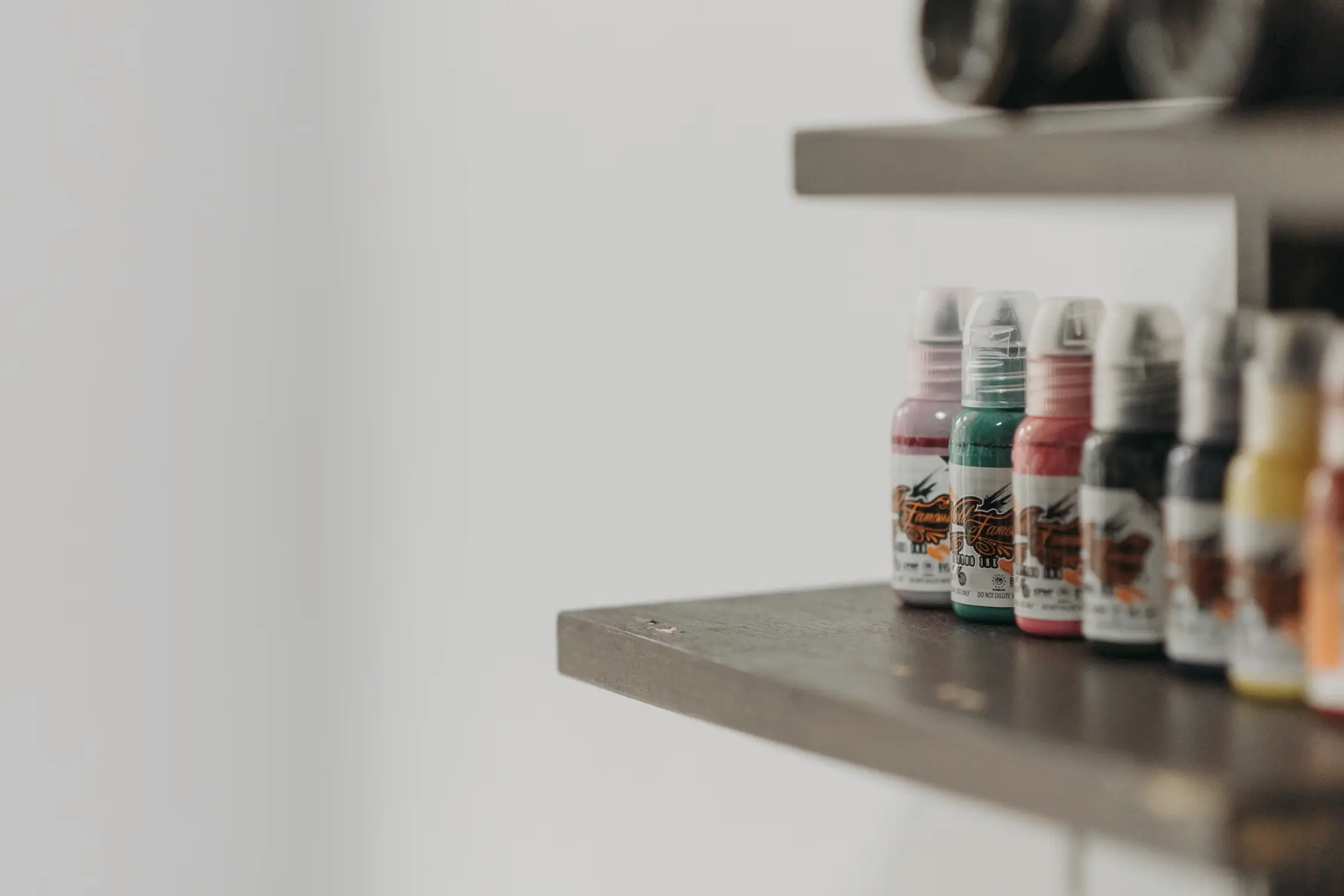
The term “organic” gets tossed around a lot, but in cosmetic tattooing, it means something different from how its used in skincare or food.
Carbon-based colourants can create way more intense colour, much more vibrancy, and brighter healed results. This makes them perfect for lip procedures where you really need to get the colour just right.
Many pro formulations use a combination of organic colourants and iron oxide pigments to achieve the best results.
This mix lets artists get both the vibrant colours and the predictability they need, and thats why hybrid compositions have become so popular in the PMU industry.
The ingredients in a bottle can make all the difference to how a treatment heals and ages over time. Clients should be able to understand what is in tattoo ink before choosing a procedure.
| Ingredient | Purpose |
|---|---|
| Titanium Dioxide | Influences brightness and opacity |
| Iron oxide pigments | Natural-looking healed tones |
| Carbon black | Strong definition for eyeliner |
| Propylene Glycol | Supports consistency |
| Water-based formulations | Improves pigment suspension |
One of the most valuable skills I use every day is understanding colour theory principles.
No pigment is simply brown, blonde, or pink. Every formula contains undertones that influence how it heals in different skin types.
Understanding colour theory principles helps me select correction colours when required and avoid unwanted healed tones. This becomes particularly important during lip neutralisation procedures and corrective treatments.

Many people assume longevity depends entirely on the formula used. In reality, several factors affect how well a cosmetic tattoo ages.
| Factor | Influence |
|---|---|
| Skin type | Oily skin often fades faster |
| UV exposure | Accelerates fading |
| Lifestyle | Impacts healing |
| Application depth | Influences longevity |
| Aftercare | Supports retention |
| Formula quality | Improves stability |
Many of our clients who book powder brow treatments in Brisbane are surprised to learn that aftercare and skin type can be more important than the formula itself.
One thing that I always make a point of prioritising is good colour stability. A stable formula will fade out gradually and consistently, rather than suddenly changing or looking out of sorts.
These days, many of the top brands are using hybrid compositions that combine different colour technologies.
Hybrid systems often provide:
I had a client recently who wanted only the most natural and ethical ingredients for her lip treatment. I often use aquarelle lip blush as an example of just how far modern pigment technology has come – it delivers beautiful, soft colour that still lasts a long time.
Even 12 months after her treatment, the colour remained vibrant and in balance. I don’t think this was just because of a marketing label – it was because we chose the right formula for her skin, and applied it carefully.

While ethical sourcing is really important, safety standards are always my top priority.
Before I start using any new formula, I want to assess:
Many manufacturers cite agencies such as the European Food Safety Authority and the FDA when discussing ingredient quality and manufacturing processes. Although cosmetic tattoo products are regulated differently from food products, discussions about food safety and consumer protection have influenced how ingredient transparency is approached in the industry.
Many clients who are looking for cruelty-free products are also keen on sustainability.
Some manufacturers focus on:
I don’t think clients should have to choose between being good for the planet and getting a good result. It is worth asking what cosmetic treatments are actually worth it based on safety, performance and long-term results.

Different treatment areas require different approaches.
For brows, I tend to choose formulas that create soft, natural-looking results while still keeping the shape and definition intact.
Lip procedures require a bit more saturation and careful management of undertones, which is especially important when doing neutralisation treatments.
When I’m doing a natural eyeliner tattoo, I choose a stable formula that fades evenly and looks soft over time.
Scalp micropigmentation requires a special formulation that creates realistic density and looks natural after healing.
Equipment surely matters – but it’s just one piece of the jigsaw.
Modern PMU cartridges can be highly precise and consistent during implantation, especially when combined with decent formulations and proper technique. That all adds up to better healed outcomes.
I’ve also had experience with people trying to get a super fine line tattoo in Brisbane – same drill: quality gear, good technique, and good habits during the healing process all make a big difference in the result.
After working with all sorts of systems over the years, I’ve found that even if the formulation is top-notch, it’s still got to be the right one for the job. For example, we now have a huge range of products containing Titanium Dioxide, iron oxide pigments, carbon black, Propylene Glycol – and the most advanced water-based inks on the market have totally transformed the cosmetic tattooing scene.


Since 2016, Anastasia has worked in the tattoo industry in Brisbane, with a strong focus on pigment quality, safety, and long-term colour performance. As a certified and licensed specialist with qualifications across Europe and Australia, she understands the growing demand for vegan and ethically sourced pigment options.
Her approach prioritises high-quality formulations that deliver reliable colour retention without compromising on safety or aesthetic results. By carefully selecting pigments that align with both client preferences and professional standards, she helps ensure treatments heal beautifully and maintain a natural, balanced appearance over time.
No way – when applied right and followed up by good aftercare, modern cruelty-free alternatives can be just as long-lasting as the more traditional options.
Titanium Dioxide is great for getting the right opacity, brightness, and colour balance in the ink.
No – some of them are actually manufactured to be more consistent and do the job better.
Colour stability is important because it helps the colours fade evenly and predictably – and keeps the risk of unwanted undertones down.
Features like recyclable packaging definitely help with sustainability, but they don’t actually affect how well the treatment lasts in the long term.