How Do You Tell Normal Peeling From a Mild Allergic Reaction?
How do you tell normal peeling from a mild allergic reaction? Its something I get asked all the time – especially after a first-time client has a cosmetic tattoo, especially here in Brisbane where the weather’s warm and humid. Some skin peeling is expected after a cosmetic tattoo, but ongoing redness or itching can leave you wondering if everything’s okay.
I’m Uliana Kasperska, and I’m on hand to put your mind at ease — healing after a cosmetic tattoo in Brisbane treatment isn’t always pretty, but it should be predictable.
Table of Contents
A Normal Part of the Process
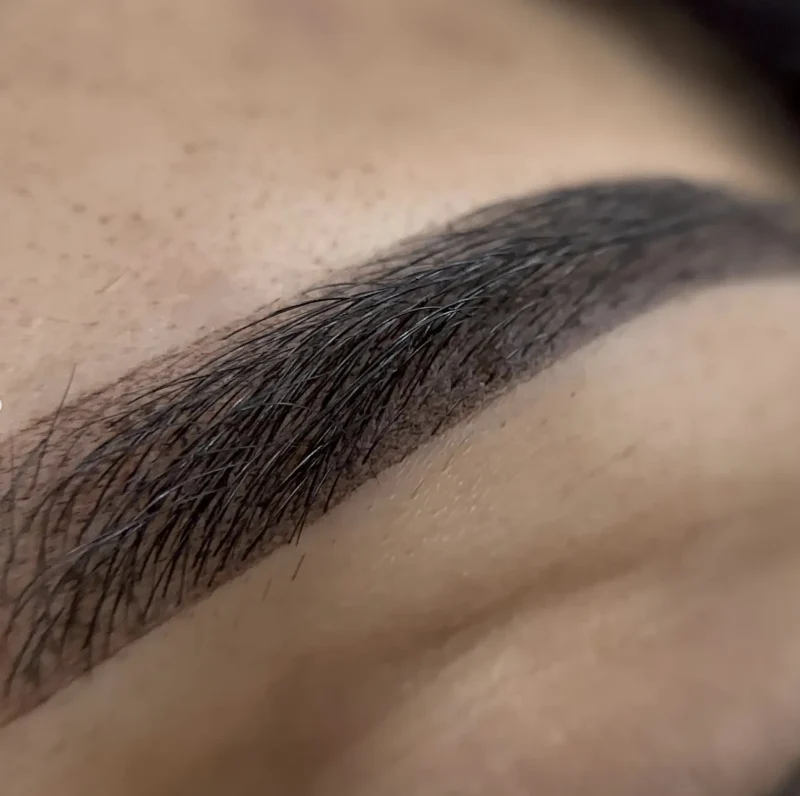
When you get permanent makeup, it can look like the ink is disappearing, but its just your skin doing its repair work. Understanding how your body responds to the procedure makes it easier to tell what’s normal and what’s not.
Healing can look like this:
Light peeling between days 3 and 7 – don’t worry, that’s totally normal.
Your skin might get a bit tight and dry – that’s normal too.
You might feel a bit tender – just be gentle with yourself.
The pigment will look darker before it settles – don’t worry thats just part of the healing process.
You’ll get some tiny little flakes – like fine paper.
Normal peeling should be very mild, but be on the lookout for any large scabs, heavy cracking or persistent pain – those aren’t normal.
Research published in the Journal of Clinical Medicine found that true pigment allergies are rare, but you can still experience a mild inflammatory response after a cosmetic procedure. Most people get a few mild symptoms that settle on their own.
When Healing Isn't Normal
Timing and progression are usually the best clues here. If you’re healing nicely every day, then thats great, but if things are getting worse or you get redness or itching as you’ve never experienced before, then that’s when things get a bit more serious.
Normal Peeling
Mild Allergic Reaction
Starts around days 3–5
Can begin within hours or several days later
Thin, dry flakes
Persistent redness or skin rashes
Mild tightness
Ongoing itching that worsens
Improves daily
Symptoms remain or increase
Even healing
Patchy irritation or spreading redness
Little discomfort
Burning or unusual irritation
If anything isn’t quite right, send a couple of clear photos to your practitioner before trying to figure it out online.
Signs of a Mild Allergic Reaction
It’s easy to get itchy about cosmetic tattoos, but not every itchy one is an allergy. The skin can react to all sorts of things, like adhesive tape or aftercare products, or just get irritated from a bit of friction, so we need to look at the whole picture rather than trying to guess one symptom.
A genuine allergic reaction tends to persist rather than improve. You might notice that the itching won’t go away, the redness starts to spread, bumps or blisters pop up, or it feels swollen beyond the tattoo area. In some cases, your practitioner might suspect contact dermatitis or even photoallergic contact dermatitis if you’ve been spending too much time in the sun. We want to identify these reactions ASAP rather than trying to treat ourselves.
Fortunately, true pigment allergies are pretty rare when we’re using good-quality pigments with proper chemical compounds in a professional setting.
How Climate Affects Recovery
Brisbane’s hot weather, high humidity, and strong UV light can make new cosmetic tattoos feel a lot itchier than you’d expect, without necessarily indicating an allergy. Things like sweat, outdoor activity, and air-conditioned environments can all make your skin feel weird during the first week of healing.
Following proper eyebrow tattoo aftercare and the instructions given by your practitioner is way more important than looking for magic fixes online.. Protect that healing skin from getting damaged by the sun, avoid fiddling with it too much, and only use the barrier cream or hypoallergenic moisturiser that your practitioner recommends – and don’t even think about introducing new products like aloe vera unless they say it’s okay, as it could end up causing problems.
A Real Studio Example
One of my clients came back on day four after an eyebrow tattoo in Brisbane treatment because her brows were flaking and itchy. She’d been reading some forums online and was worried she might be allergic.
When we looked at her skin, everything was perfectly normal – the flaking was even, there was no redness spreading, and her symptoms cleared up after we tweaked the way she was doing her aftercare. No need for allergy testing, luckily.
Then there was another client who developed some persistent redness beyond the treated area, even though she was following all the instructions to the letter. We had a good look at her medical history, including any autoimmune conditions, autoimmune disorders, and seasonal allergies, which helped us figure out what was going on.
Depending on what we find out, your doctor might recommend a patch test or blood tests to see if you’re having a delayed hypersensitivity reaction. But in this case, her symptoms were just a minor blip, and we caught them before they became anything more serious.
How We Reduce The Risk Before Treatment
Good healing starts much earlier than when the tattoo machine is actually working on your skin, whether you’re preparing for brows, eyeliner or a lip tattoo in Brisbane. Every consultation with me is a chance to discuss your health, allergies and previous procedures, including treatments such as saline tattoo removal in Brisbane, because previous work can influence how the skin responds and heals.
If you’ve had any allergic reactions before or you’re worried about your skin, it’s a good idea to chat with your GP before we proceed with the treatment. Clients sometimes askis there a patch test protocol that checks for red pigments specifically, and while we don’t automatically patch test everyone, there are situations where discussing testing with your practitioner or doctor may be appropriate. Our Cosmetic Tattoo Studio Brisbane Face Figurati follows pretty strict hygiene protocols – uses sterile needles, top-notch pigments and gear – and that helps to minimise any risks that don’t need to be there.
When Should You Contact Your Practitioner?
Most of the time, healing worries are just that – worries – but some symptoms need a prompt check-up.
You should get in touch with your practitioner if you notice:
Things are getting worse – that redness isn’t going away, the swelling is getting bigger, or that itching is driving you crazy
Any of these symptoms
Redness is getting worse
Swelling’s increasing
That itching has turned into scratching madness
You’ve got yellow or green discharge
You’re running a fever, or don’t feel right
That rash is spreading
If symptoms are getting worse fast or you’re having trouble breathing – or other symptoms that are telling you something’s really wrong – get to the doctor ASAP.
Review Treatment Costs
Most good permanent makeup studios include one or two follow-up reviews in the original treatment price, whether you’ve booked brows, lips or an eyeliner tattoo in Brisbane treatment, because aftercare is key to achieving great results. In Brisbane, initial permanent makeup jobs can cost anywhere from AUD $450 – $900, depending on what you’re getting done, how big the area is, and who’s doing the job, while scheduled touch-up appointments might be included in the price or be extra.
If you need a review because something’s gone wrong, most studios will do it for free. But if it turns out you need to see a real doctor or specialist, you’ll probably have to pay out of your own pocket.
Trust the Process
Healing can be a right old rollercoaster ride. Your brows might look dark and flaky and then light again before the final colour settles – and that’s usually just normal.
As for me, Uliana Kasperska, I always tell my clients that gentle peeling is expected, but a bit of itching, spreading redness and worsening irritation need a pro’s advice. If something doesn’t feel right, get in touch rather than guessing.
artist
Welcome to Cosmetic Tattoo Brisbane, where understanding the healing process is just as important as achieving beautiful permanent makeup results. With Uliana Kasperska, clients receive clear guidance on what to expect after cosmetic tattooing, from normal peeling, dryness, and mild itching to warning signs such as persistent redness, increasing swelling, or spreading irritation. Brisbane’s warm, humid climate can also influence how healing skin feels, which is why careful aftercare and knowing the difference between a normal recovery response and a possible allergic reaction are essential for a safe, predictable healing process.
Humidity itself won’t usually cause any problems, but all that sweat can make things a bit itchy. Just keep the area clean and dry, and you’ll be right.
It’s not that common, but it can happen. If you start noticing symptoms after things have healed, get in touch with your practitioner and see a doctor if it’s serious.