“How Candela Powers your laser treatments” is an explanation that we have to give over and over again in the studio – & straight away you can see that the laser tech has just as much to do with it as the person holding the laser. You’ve probably wondered why some laser hair removal or pigmentation treatments somehow just work out and give you a smooth even result – but others leave your skin looking patchy or irritated – that’s exactly where we start seeing the difference.
We’re Uliana Kasperska and the team – certified cosmetic tattoo artists with over 15 years of experience behind us in Europe and Australia – and in our Brisbane clinic, Cosmetic Tattoo Studio Brisbane Face Figurati, we’ve worked with heaps of different laser machines. Candela stands out from the rest because it consistently delivers controlled, predictable results on pretty much any skin type… & that’s what you want when you’re messing around with your face.
Table of Contents
Why The Machine Matters More Than You Think
Most of our clients come in asking about the treatments – laser hair removal, pigmentation correction, or even how laser compares to a facial in Brisbane. That’s fair enough, but behind every good result is the actual laser device doing all the heavy lifting.
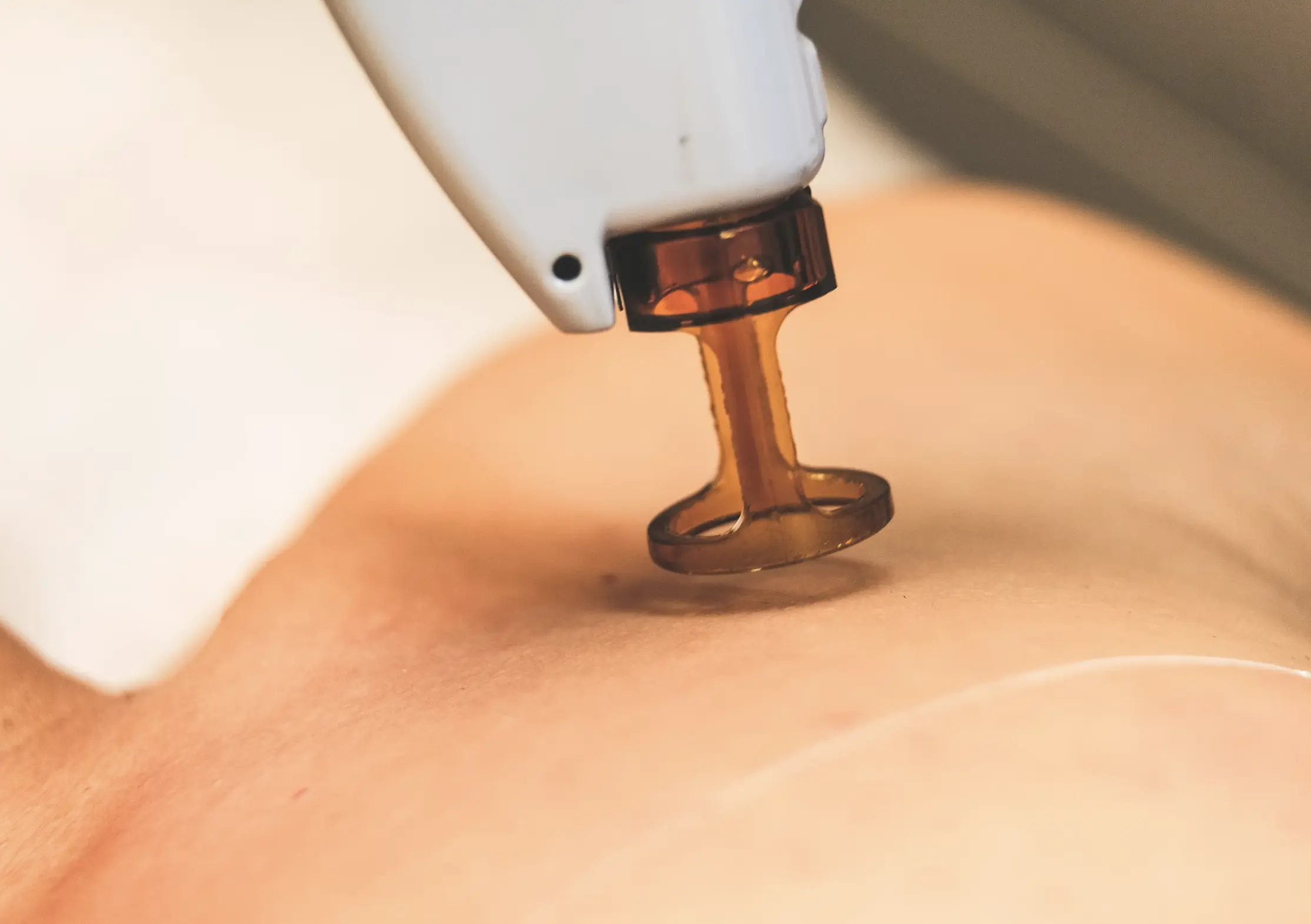
Candela systems are known worldwide for being super precise. They don’t just “zap” the skin – they target specific things like the hair follicle or melanin or blood vessels using precisely calibrated laser energy. That means you get fewer surprises, better healing, and way more consistent results across all skin tones.
Working here in Brisbane’s humidity (and yes, this does actually matter more than you might think), we’ve found that anything that overheats or scatters energy can trigger all sorts of skin pigmentation rebound problems. But a well-calibrated laser system that’s got proper cooling technology can help reduce that risk heaps.
What Sets It Apart From Other Systems
Candela is a medical-grade laser technology platform used in some of the top dermatology clinics and advanced aesthetic studios worldwide. It uses very specific laser wavelengths to target the issue you’re dealing with without damaging the surrounding skin.
The key difference is this: not all lasers are created equal.
Candela devices typically use the …
Alexandrite laser (755 nm) – which is ideal for lighter skin tones and laser hair removal
Nd: YAG laser (1064 nm) – which is safer for darker skin types
Pulsed dye laser – used for redness, vascular lesions, and stuff like port wine stains
That range lets us customise the treatment parameters – including pulse durations, spot sizes, and energy levels – so we’re not stuck using a one-size-fits-all approach.
According to clinical data (still valid as of 2025-2026), advanced systems like Candela can achieve 70-90% long-term hair reduction after a full course of treatment sessions, depending on the type of hair you have and where it is in the active growth phase.
How It Works Beneath The Surface
Laser treatments target specific bits of the skin that soak up light – and they go for the ones that need to be sorted out. The main culprits include:
Melanin (that’s pigment and hair follicles, basically), including pigments commonly used in lip neutralization tattoo procedures
Blood vessels (for vascular problems, like broken capillaries)
Water (to give your skin a smoother texture)
By fine-tuning the settings – like energy, how long each pulse lasts and how it gets delivered – we can tackle issues like patchy colour, ugly freckles or annoying ingrown hairs. And to be honest, we’ve seen some people come in after trying this stuff elsewhere and not getting the results they were hoping for – patchy fading, irritation or a nasty shock from seeing unrealistic before and after pics of laser tattoo removal online. Most of the time, the issue is just that the wrong settings were used or the equipment was outdated, not the actual treatment.
What You’ll Actually Feel During A Session
Let’s get real, laser treatments do hurt. But it’s not too bad, and the equipment makes a big difference.
Our Candela devices have a built-in cooling thingy that chucks out a quick blast of cold air right before each pulse. This cooling system is a big deal for keeping you safe while you’re getting treated.
Most people say it feels like:
A little snap on the skin
A bit of warmth from the laser
Some slight tenderness afterwards
Some say it’s a bit like getting a dermaplaning facial or a hydrafacial in Brisbane, but with more targeted results that actually last.
Treatment Timeline: What To Expect Week By Week
Here’s where we keep things real — results don’t happen overnight, and your skin needs time to respond.
Stage
What Happens
What You’ll Notice
Day 1–2
Mild redness, warmth
Skin looks slightly flushed
Day 3–5
Pigmented areas darken (e.g. solar lentigines)
Spots appear darker before fading
Day 5–10
Shedding phase
Pigment flakes away naturally
Week 2–4
Skin recovery
Improved skin texture and tone
Week 4–6
Next session
Builds cumulative results
For laser hair removal:
1-2 weeks after treatment, those pesky hair follicles usually start to fall out.
If you stick to a regular schedule, you’ll notice your hair starts to be a lot less coarse & regrows at a much slower rate.
The thing is, you really do need to turn up to all your sessions to get the results you want – long-term hair reduction requires consistency.
How To Prepare Your Skin Before Treatment
A lot of people don’t give their prep a second thought, but trust us, it makes all the difference. We go through it with every single client because it plays such a huge role in the end result.
Here are the simple things that can make a big impact:
Try to stay out of the sun for at least a week before, if not longer
Give your skincare products a break
Get a good shave in 24-48 hours beforehand
Having skin that’s as clean & calm as possible lets the laser do its thing without any issues.
Aftercare That Protects Your Results
This is where most people fall down & it really shows in the results. Don’t worry, just follow these easy steps:
Stick to soothing, fragrance-free products
Slap some SPF on every single day, especially if you’re in Brisbane
Keep away from anything that might irritate the skin – heat, sweat, sun, the works. For at least 24-48 hours, that is.
Following aftercare to the letter can make a huge difference – we’ve seen people who do it properly get a ton of pigmentation reduction, and we’ve also seen what happens when people rush it
Why Brisbane Skin Needs A Different Approach
Brisbane’s not exactly kind to skin that’s left to fend for itself. With all the humidity, UV rays & high energy lifestyles we’ve got going on, your skin’s always under attack. That’s why we adjust our treatments to take all those factors into account:
How much UV exposure you’ve had
Your current skin tone & any issues you’re dealing with
How sensitive & hydrated your skin is
Candela’s laser system gives us a lot of flexibility, so we can safely target all sorts of issues, including benign pigmented and vascular lesions, without stressing your skin out.
Real Studio Story: When Technology Saves The Day
One of our clients came in after a previous treatment left her with uneven skin tone. She was considering cosmetic tattoo removal, but she assumed the pigment changes were going to be permanent. After a good ol’ skin analysis, we adjusted the approach with the right laser system & a slower burn. Over time:
The pigment got softer over time, similar to what we aim for during eyebrow tattoo removal procedures
The skin tone evened out
No irritation issues whatsoever
It wasn’t an overnight miracle, but it was safe, consistent & that’s all that really matters.
Pricing Context In Brisbane (2026 Guide)
Laser pricing varies depending on the treatment area, technology used, and clinic standards.
Treatment Area
Typical Price Range (AUD)
Upper lip
$30 – $80
Underarms
$80 – $150
Full face
$150 – $300
Pigmentation treatment
$100 – $250
Prices are approximate as of 2026 and may vary depending on expertise and number of treatment sessions required.
Why Experience + Technology Matters
To be straight with you – even the top-end laser machines can turn out badly if you’re not using them properly. Here at our Brisbane studio, this means:
Getting a proper skin analysis done before we even start
Working out a treatment plan that’s tailored to you
Playing it safe with our laser safety protocols – we’re not taking any chances
Having a real eye for spotting and addressing any potential complications that arise.
Quick Myth-Busting Before You Book
“Every clinic uses the same equipment” – The truth is, the quality of laser systems can vary wildly from one place to another, and so do the results.
“One treatment is enough to sort out the problem” – Sorry, no luck – for hair and pigment, you need multiple sessions to really make a difference.
“Darker skin types can’t be treated” – Not necessarily – with the right settings, we can safely treat a lot of skin types.
“Just using more laser energy will give you the results you want faster” – Sorry, but not exactly – using too much energy just increases the risks, not the results.
Final Thoughts: Is Candela Worth It?
If you’re serious about the results – not just quick fixes – then yes, Candela-powered treatments are definitely worth considering. From all the time we’ve spent in the treatment room at our cosmetic tattoo studio, we’ve learned one thing: good skin doesn’t come from taking shortcuts. Good skin comes from the right combination of advanced laser tech, heaps of experience and a consistent approach.
Aesthetic Treatments Expert
Since 2016, Anastasia has worked in the professional beauty industry in Brisbane, gaining extensive experience with advanced technologies used in modern aesthetic treatments. As a certified and licensed specialist with qualifications across Europe and Australia, she focuses on safe, effective procedures that deliver reliable, long-term results. Her approach includes understanding how leading technologies such as Candela laser systems can be used to address a range of skin concerns with precision and consistency. By combining technical expertise with personalised treatment planning, she helps clients achieve outcomes that are both effective and appropriate for their individual skin needs.