
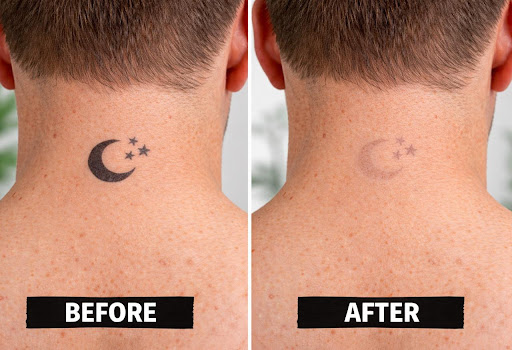
Saline tattoo removal is a gentle, non-laser method for lightening or fully removing unwanted tattoos. Using a specially formulated saline solution, the pigment is drawn to the skin’s surface, where it naturally fades during the healing process. This technique is ideal for clients with sensitive skin, those unsuitable for laser treatments, or anyone seeking precise correction for small or delicate areas. At our Brisbane studio, we combine expert application with strict safety standards to deliver reliable results while protecting your skin’s health.


















Since 2016 of expertise in the professional tattooing industry, Anastasia is a certified and licensed beauty cosmetic tattooing specialist. She has all the necessary licenses and qualifications for permanent makeup in Europe and Australia.


This procedure is similar to tattooing and microblading. It involves puncturing the skin and depositing a liquid. The specialist uses saline to tattoo the area. Saline tattoo removal can be done with a tattoo machine or microblading pens. Tattoo ink remains in liquid form in the skin. Saline tattoo removal draws out the ink through osmosis.
Saline removal removes ink or pigment by persuading cells to release it. Osmosis is the process behind this. It occurs when a semipermeable membrane has a more concentrated solution on one side. Water moves across the membrane towards the focused solution to create equal conditions. When saline is injected into the skin, water is pulled from the dermis cells, bringing some pigment. A scab forms on the open wound, incorporating the pigment. New cell growth starts below, and the scab eventually falls off.
The process only creates a temporary wound and does not harm the body. The effects of the treatment are generally limited to the specific area unless a severe infection occurs. Proper aftercare is essential to prevent that from happening.
The process is typically repeated multiple times to achieve the desired results, with intervals of time allowed for the skin to heal.
Utilising saline for tattoo removal, notably for cosmetic types such as tattoos on eyebrows, lips, and eyeliners, is acknowledged for its safety and effectiveness. This non-surgical technique refrains from incisions and the formation of scars and is typically associated with less pain and fewer complications than other tattoo removal methods.
Proper preparation for a saline tattoo removal session is essential for achieving the best results. Here are the steps to prepare:
The predominant symptom observed in saline eyebrow tattoo removal is typically temporary redness and swelling. Individuals undergoing this procedure might also feel slight discomfort or pain. On rare occasions, some may experience scarring or changes in skin colouration.
Here’s an overview of what occurs during the process.
Before commencing, the area with the tattoo is cleansed and numbed using a local anesthetic. Then, a saline solution is carefully introduced into the skin with a fine needle. The time taken for this process can vary based on the tattoo’s size, usually ranging from 30 minutes up to an hour.
Laser removal is adept at eliminating large tattoos, but it may not be as effective for specific colours like light, pink, and red. This method utilises the heat from a laser beam to fragment ink particles, which the immune system expels. However, in the case of cosmetic tattoos, there’s a potential for pigments to alter in colour, becoming darker.
Conversely, saline tattoo removal can be used on tattoos of any colour, typically fading the pigments to a lighter shade until they are removed.
The expense of saline tattoo removal generally aligns with the cost of laser tattoo removal, though it can differ significantly. The quantity of sessions needed hinges on the desired outcome of the removal. Achieving total removal often necessitates more sessions compared to simply fading the tattoo. For instance, complete removal requires around 11 sessions of saline tattoo removal, whereas 5 or 6 sessions suffice for partial fading. The precise number depends on how your body reacts to the treatment.
Attempting saline tattoo removal on your own is not advisable. It can be exceedingly painful, potentially more so than laser removal. While some professionals still utilise salt and saline, controlling and avoiding accidental application to sensitive areas, such as the eyes, is difficult. Professional-grade removal products are available for online purchase. However, it’s essential to understand that there’s a higher risk of permanent scarring when these products are used by someone without proper training.
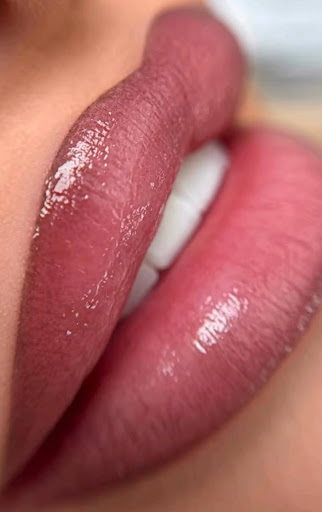
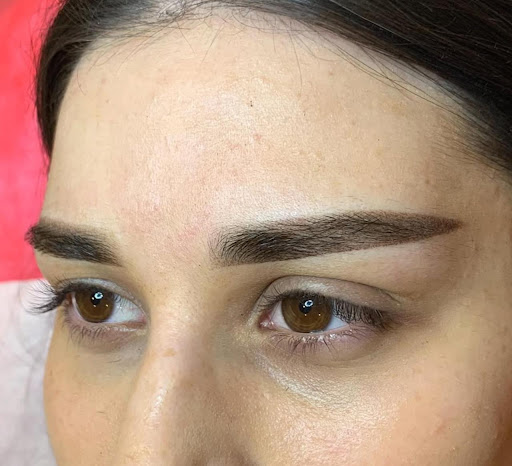
Yes — saline tattoo removal is gentle and well-suited for delicate areas, making it ideal for eyebrow, eyeliner, and lip tattoo correction.
While most popular for cosmetic tattoo removal, saline techniques can also help lighten small or shallow traditional tattoos for easier cover-ups or complete removal.
Saline removal is generally safe for most skin types, though a consultation and patch test are recommended to ensure the best outcome.