

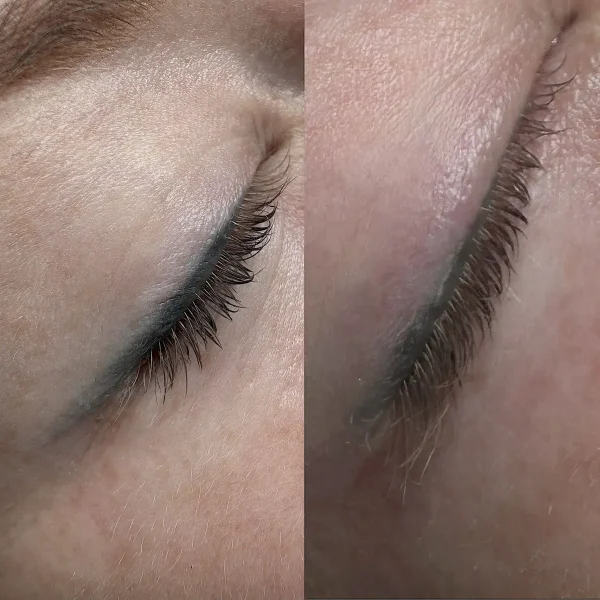
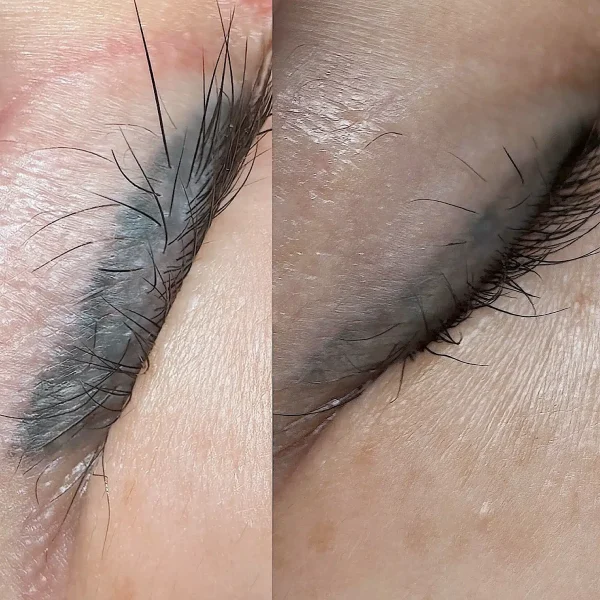
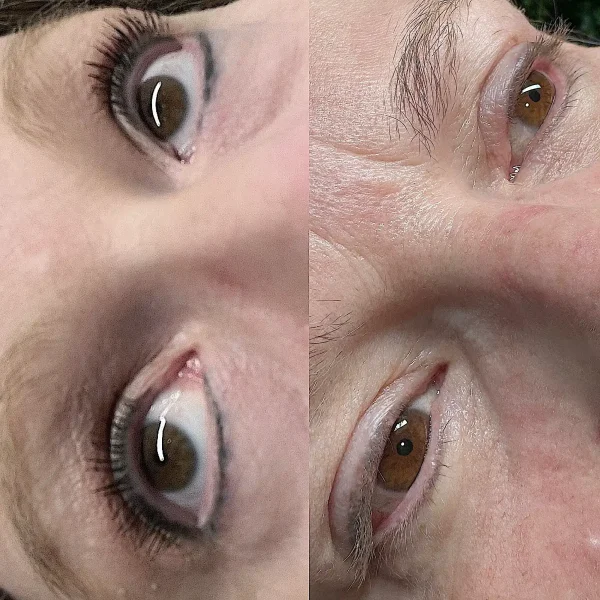
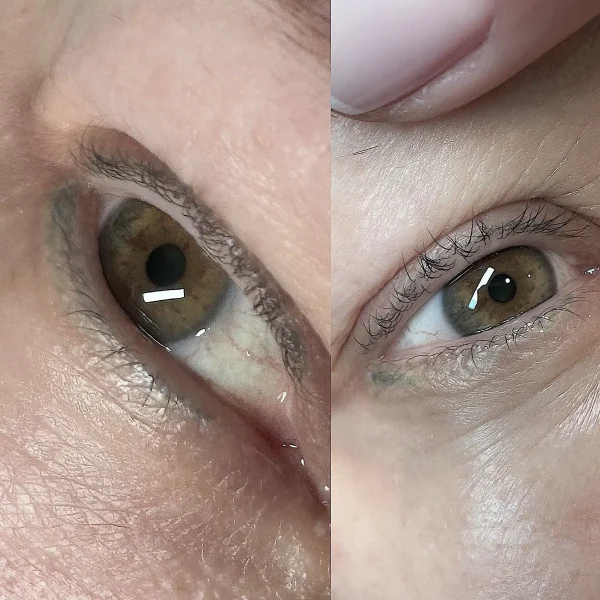
Eyeliner tattoo removal can help if your eyeliner tattoo has faded into odd shades, drifted beyond your lash line, or just doesn’t suit you anymore — you’re not alone. While eyeliner tattoos can enhance your look, when they heal unevenly or feel too heavy, many seek a fix. As a seasoned eyeliner tattoo removal artist, I’ve seen it all — from blue-tinged wings to mismatched lash lines. Eyeliner tattoo removal is possible, but it’s a delicate process due to the eye’s sensitivity and demands the right technique.
Whether your liner is too thick or just off, the first step is understanding your removal options — and knowing what to avoid. This guide walks you through safe methods like saline lightening, healing expectations, and prep tips for correction.
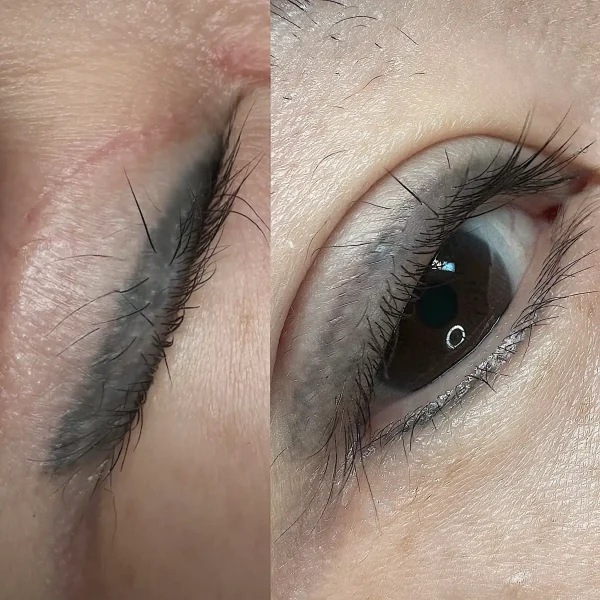
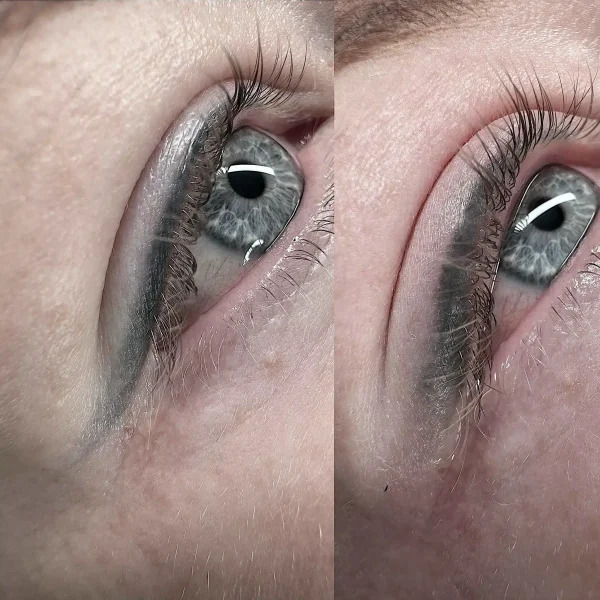
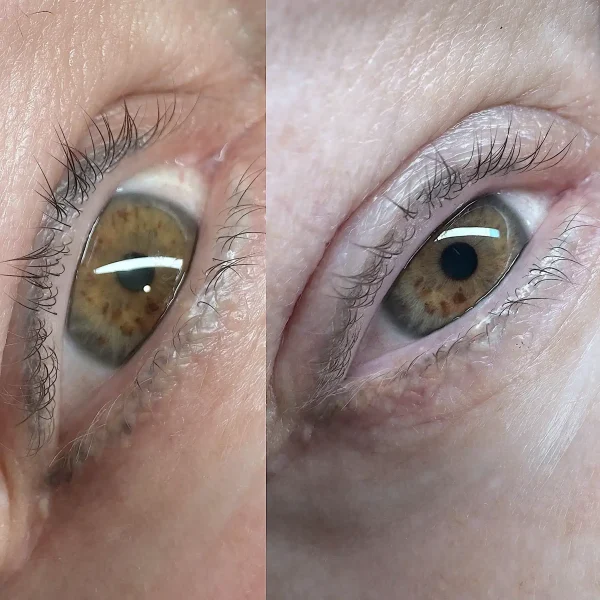
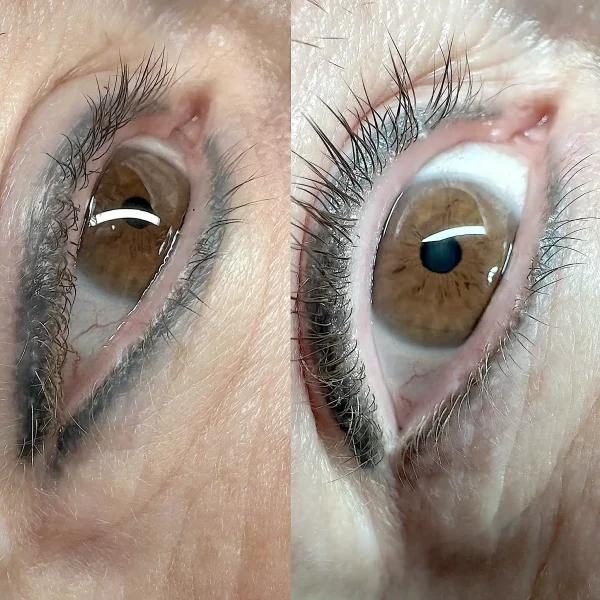

Since 2016, Anastasia has been helping clients restore confidence through safe and precise eyeliner tattoo removal. With extensive expertise in the professional tattooing industry, she is a fully certified and licensed permanent makeup specialist, holding all necessary qualifications in both Europe and Australia. Anastasia combines advanced removal techniques with a gentle approach to ensure effective results while protecting the delicate eye area, offering every client a comfortable and professional experience.


Eyeliner tattoo removal is a specialised procedure designed to safely fade or completely remove unwanted pigment from the delicate lash line area. Because the skin around the eyes is thin and sensitive, every step is performed with precision and care.
The process begins with a detailed consultation to review your eyeliner tattoo, discuss your concerns, and assess pigment colour, depth, and skin condition. This helps determine the safest and most effective removal method for you.
The eye area is thoroughly cleansed, and a protective barrier is applied to prevent irritation. A numbing cream is then used to minimise any discomfort during the procedure.
Depending on your needs, methods such as saline lightening, laser treatment, or a combination approach are used. Each technique is designed to target pigment particles, breaking them down so your body can naturally remove them over time.
Once the session is complete, you’ll receive personalised aftercare instructions to support healing and pigment fading. Following these guidelines is essential to reduce the risk of irritation and ensure the best results.
Most clients require multiple sessions, spaced several weeks apart, to achieve their desired level of fading or removal. Gradual lightening helps protect the skin and maintains a natural appearance.
There are three potent techniques for eyeliner tattoo elimination:
Accredited expert removal specialists perform such procedures.
Each of these approaches involves breaking the skin through varied means, and each necessitates several appointments (2-10 appointments, spaced 6-8 weeks in between) to remove the eyeliner tattoo effectively.
The eyes are such a sensitive region of the body. It’s not surprising that numerous individuals are wary about getting their eyeliner tattoos erased. But can you indeed remove your permanent eyeliner artistry? Certainly, eyeliner tattoos can be effectively eliminated! Laser sessions are now a favoured and efficient means to eliminate undesired eyeliner tattoos.
The laser focuses on the tattoo’s pigment, fragmenting it into tinier pieces that the body’s innate mechanisms can assimilate. Gradually, the tattoo diminishes and can vanish completely in several instances. It’s natural to harbour reservations about the safety of permanent cosmetic removal. This is why selecting a skilled expert with a background in eyeliner tattoo elimination is pivotal to guarantee the security of the operation.
While every medical treatment carries inherent risks, cosmetic tattoo removal is largely deemed safe in a renowned establishment. Esteemed experts will implement measures to alleviate discomfort and curtail the likelihood of scars or other potential complications.
If you’re pondering this procedure, liaising with a seasoned professional to explore alternatives is advisable. With the correct function and post-treatment care, unwanted eyeliner tattoos can be eradicated safely and proficiently.
Though laser-based eyeliner tattoo erasure is commonly considered safe, it’s vital to note potential risks. Typical symptoms that might manifest post-procedure encompass tissue inflammation, burning, discomfort, allergic responses, skin discolouration, and irregular pigment release. In infrequent situations, scarring of the skin or vision issues might arise.
The significance of opting for a skilled expert from a credible Brisbane establishment cannot be emphasised enough. Seek someone proficient in permanent cosmetic elimination who can vouch for the procedure’s safety.
For example, laser tattoo eradication methods can result in a loss of pigment. This is where melanin, which gives our skin its hue, gets removed alongside the tattoo ink. This could lead to lighter patches on the eyelids that resist tanning. Nonetheless, this risk can be reduced when you engage a certified expert and adhere to the prescribed post-treatment guidance.
Engaging in a conversation with a seasoned professional is advisable to deliberate on available choices and devise a tailored strategy that aligns with your requirements.
Proper aftercare is essential to ensure safe healing and the best possible results after eyeliner tattoo removal. Because the skin around the eyes is thin and sensitive, following your artist’s instructions carefully will help minimise irritation, prevent infection, and promote even fading of the pigment.
Day 1 Fresh Treatment
Immediately after your eyeliner tattoo removal session, the treated area may appear slightly red or swollen. You might feel mild tenderness or warmth around the eyelids. This is a normal inflammatory response as the skin begins to repair itself.
Days 2–4 Initial Recovery
Swelling and redness should gradually reduce. The area may start to feel dry or tight, and light scabbing can begin to form. Avoid touching, rubbing, or applying makeup to protect the delicate skin.
Days 5–7 Scabbing and Flaking
Small, fine scabs may appear as the skin heals. It’s important to let these shed naturally—picking can cause scarring or uneven pigment removal. During this stage, the treated area may look lighter or slightly patchy, which is part of the process.
Week 2 Surface Healing Complete
By the end of the second week, the surface of the skin is usually healed. Any scabs should have naturally fallen away, and the skin may appear slightly pink or lighter in tone. Avoid harsh skincare and sun exposure during this stage.
Weeks 4–6 Colour and Skin Stabilisation
The skin beneath the surface continues to recover, and pigment fading becomes more noticeable. Your natural skin tone will start to return, and any redness will subside.
Weeks 6–8 Ready for Next Session
If further removal sessions are needed, they can usually be scheduled after the skin has fully healed—typically 6–8 weeks post-treatment. This ensures the skin is healthy enough to tolerate another procedure without risk of over-trauma.
Yes, when performed by an experienced cosmetic tattoo removal specialist, the process is designed to protect the delicate eye area. Proper techniques, sterile tools, and aftercare guidelines minimise risks of irritation or scarring.
The number of sessions depends on factors like pigment colour, depth, skin type, and the removal method used. On average, clients need 2–6 sessions, spaced several weeks apart, to achieve optimal lightening or full removal.
While many can benefit from laser-based eyeliner tattoo removal, certain individuals with particular conditions or skin disorders may find this method unsuitable. The laser technique is not advised for the following individuals:
Every cosmetic procedure has potential repercussions, and laser eyeliner tattoo removal is no different. The aftermath of laser tattoo erasure can include slight swelling, irritation, a reddish tint, and a feeling of warmth, which should dissipate quickly.