

“Why is it important to maintain standards of hygiene in a salon?” Is one of those questions we wish more of our clients would ask before booking – because salon hygiene isn’t just some behind-the-scenes detail, it’s really the foundation of every safe and professional beauty salon experience.
We’re Uliana Kasperska and the team at Cosmetic Tattoo Studio Brisbane Face Figurati, & in the 15+ years we’ve spent in the beauty industry, we can tell you this: good hygiene standards are what protect your skin, your health & your results. Whether it’s makeup in Brisbane, advanced skin treatments, or any other treatment, it’s hygiene that makes the difference between a safe result and a complete disaster.
And yes, we’ve seen what happens when hygiene protocols slip – let me tell you, it’s not worth the risk.
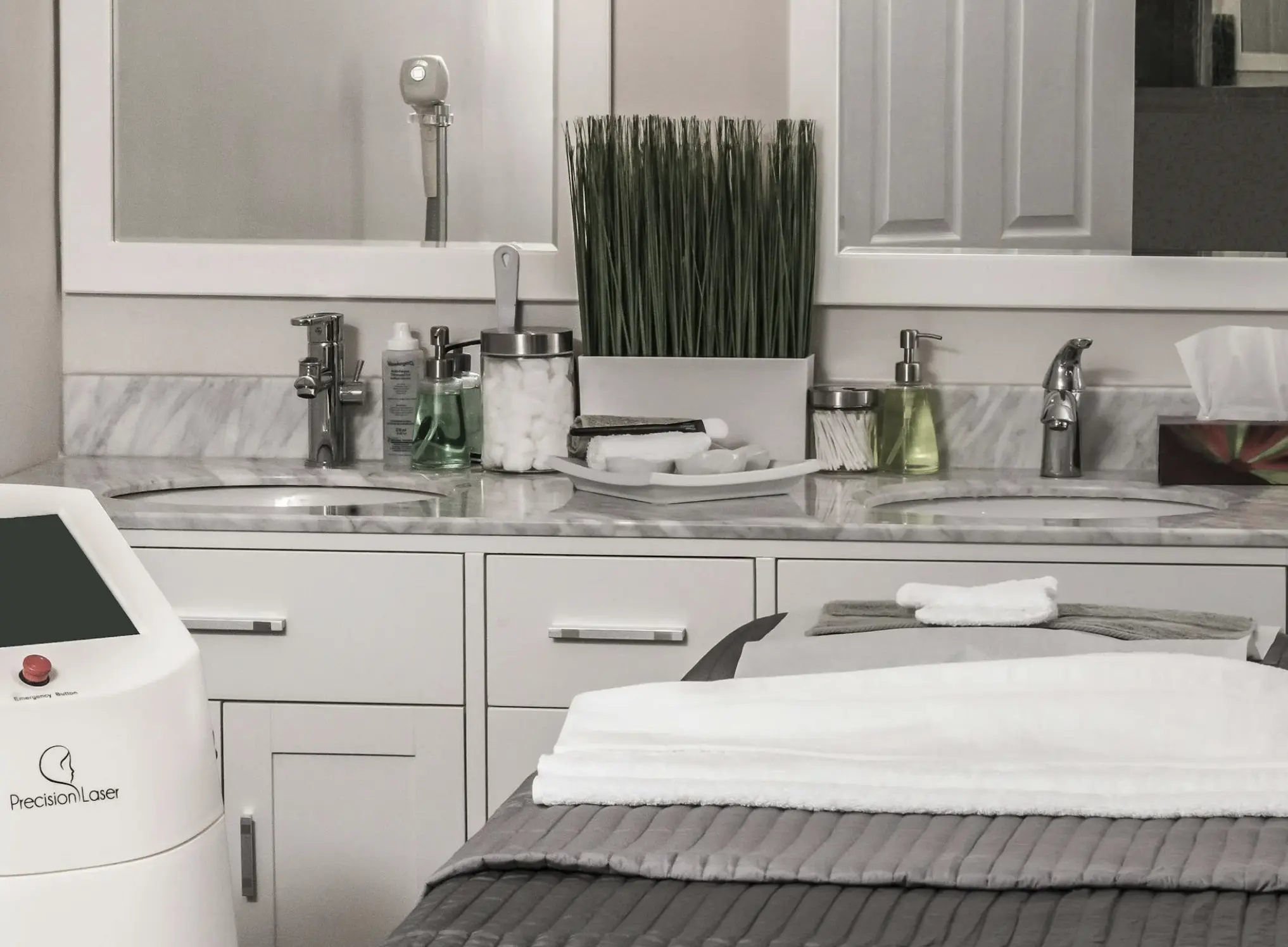
Clean tools, safe products and consistent hygiene procedures aren’t just “nice to haves”, they’re what separate the pros from the rest in any salon business. Whether it’s a facial treatment, hair cut or permanent makeup in Brisbane, client safety has to come first. Every time.
In Brisbane’s climate, infection control is even more important. All that humidity makes it easier for bacteria & infections to spread, so if treatment areas aren’t properly managed, you can end up with a whole bunch of problems.
Even something as simple as a dermaplaning facial can cause irritation or infection if the tools aren’t properly sterilised and disposable ones are reused.

Let’s get real for a second – just because a salon looks clean doesn’t necessarily mean it is. In fact, there’s a big difference between a salon that looks good and one that really adheres to proper hygiene standards. And that starts with understanding that hygienic standards are much more than just wiping down surfaces. They involve meticulous infection control and proper, professional-grade disinfection at every stage of any treatment.
And don’t even get me started on the stuff we do to prevent cross-contamination – we put down barriers on our equipment to stop germs from spilling from one client to the next. We talk about this a lot in the industry, but therapy beds, treatment tables, salon chairs, and styling chairs are all at risk of becoming breeding grounds for bacteria. Cosmetic tattoo clinics like ours are particularly high-risk, even for something as simple as saline tattoo removal.

Now things start to get scary – when you don’t take proper hygiene seriously, you’re not just risking a little irritation – you’re risking serious health issues.
And don’t even get me started on the clients we’ve treated after they’d been to a different salon that just didn’t care about hygiene. We’ve seen skin infections and all kinds of other problems pop up after a client’s treatment at a salon that just phoned it in. Like the client we had to treat after she visited a salon that just reused tools without properly cleaning them – the result was a nasty skin infection that delayed her treatment for weeks.
And even with treatments that are generally super gentle, like hydrafacial treatment or lash tint, if you don’t pay attention to hygiene, you can still end up with irritation or even long-term complications.
Hygiene risks aren’t always obvious – sometimes it’s the little things you do (or don’t do) in a busy salon that can make all the difference.
It’s crazy, but even a treatment that’s basically just a little pampering, like a hydrafacial, can go south if you introduce bacteria into freshly exfoliated skin – irritation and longer healing times are just waiting to happen.

Good hygiene is all about sticking to a routine; sanitiser is not something you just wing it. Real professionals in our industry with proper pmu training follow strict hygiene systems for keeping everything clean every single day.

You don’t need a degree in it to know when a salon takes hygiene seriously; you just need a bit of common sense.
If you’re after a treatment that needs to be done properly, like permanent makeup, don’t be afraid to ask about hygiene protocols. A real pro will always explain.
Hygiene is not just about being safe – it’s about people feeling confident that you’re taking care of them. When someone feels comfortable, they relax, and that makes for a better overall experience.
At Cosmetic Tattoo Studio Brisbane Face Figurati, hygiene is part of the service itself – whether it’s permanent makeup in Brisbane or more advanced treatments, we know that clean technique leads to better healing and longer-lasting results.
When it all comes down to it, salon hygiene isn’t optional – it’s the thing that allows us to work safely and professionally.
At our Brisbane studio, Cosmetic Tattoo Studio Brisbane Face Figurati, Uliana Kasperska and the team take hygiene seriously because client safety always comes first. We use disposable supplies, high-grade disinfectants, and we never cut corners. Every step is there to make sure you get the best possible result.

Since 2016, Anastasia has worked in the professional tattooing and aesthetic industry in Brisbane, where maintaining strict hygiene standards is a fundamental part of every procedure. As a certified and licensed specialist with qualifications across Europe and Australia, she follows professional protocols designed to protect both client and practitioner.
Her approach focuses on preventing cross-contamination, reducing the risk of infection, and ensuring every treatment is performed in a clean, controlled environment that supports safe healing and consistent results.
If hygiene isn’t followed properly, yes – but proper protocols reduce the risk significantly.
To prevent cross-contamination and reduce infection risk.
Only if they are properly sterilised using correct equipment.
A clean environment, proper glove use, and correct waste handling.
Yes – clean conditions support better healing and longer-lasting results.