Why Are You Losing Hair? Common Causes And What To Do First
When a client sits down with us and asks, “Why are we losing hair? Common сauses and what to do first”, the conversation usually starts with a sense ofworry – especially if the shedding feels sudden and the hair thinning seems to pop up out of nowhere. As cosmetic tattoo artists at Cosmetic Tattoo Studio Brisbane Face Figurati, we – Uliana Kasperska and our team – see a lot of hairlines, brows and scalps up close every day, whether that’s for someone looking to refresh their brows or for a client considering a hairline tattoo to disguise those thinning edges.
Hair changes can be really tough, both physically and emotionally, but understanding your hair follicles, your shedding patterns and your triggers can give you back some control – way before you even think about looking into things like scalp micropigmentation.
Table of Contents
What Hair Changes Look Like In Real Life
It’s easy to jump to some pretty drastic conclusions when you start noticing pattern baldness, hair thinning, or bald patches in the mirror or in photos, but once you get a handle on what’s actually going on with your hair loss, things start to become a lot clearer – whether your next step is making some lifestyle changes or heading off to see a GP.
Pattern-Related Hair Thinning
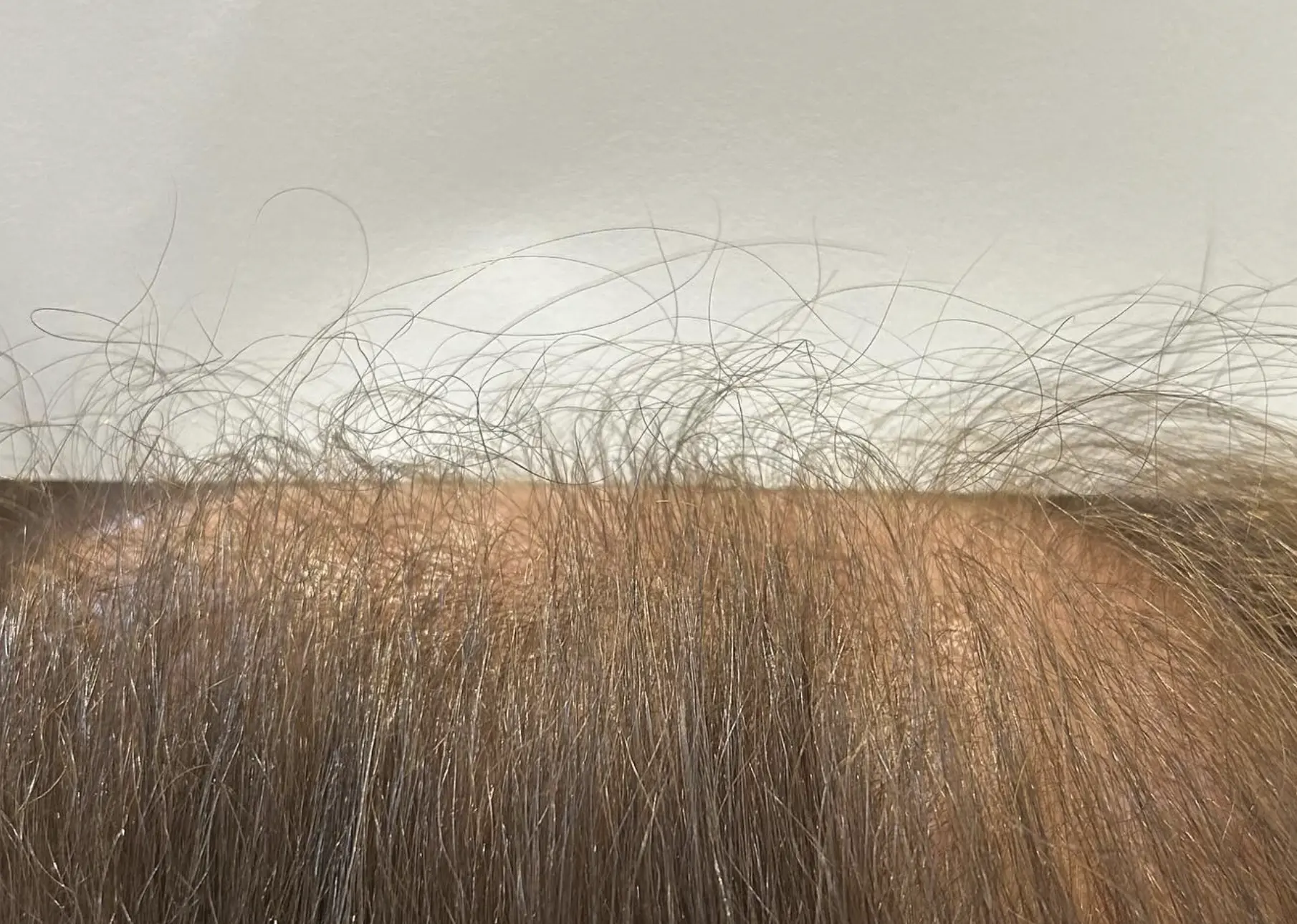
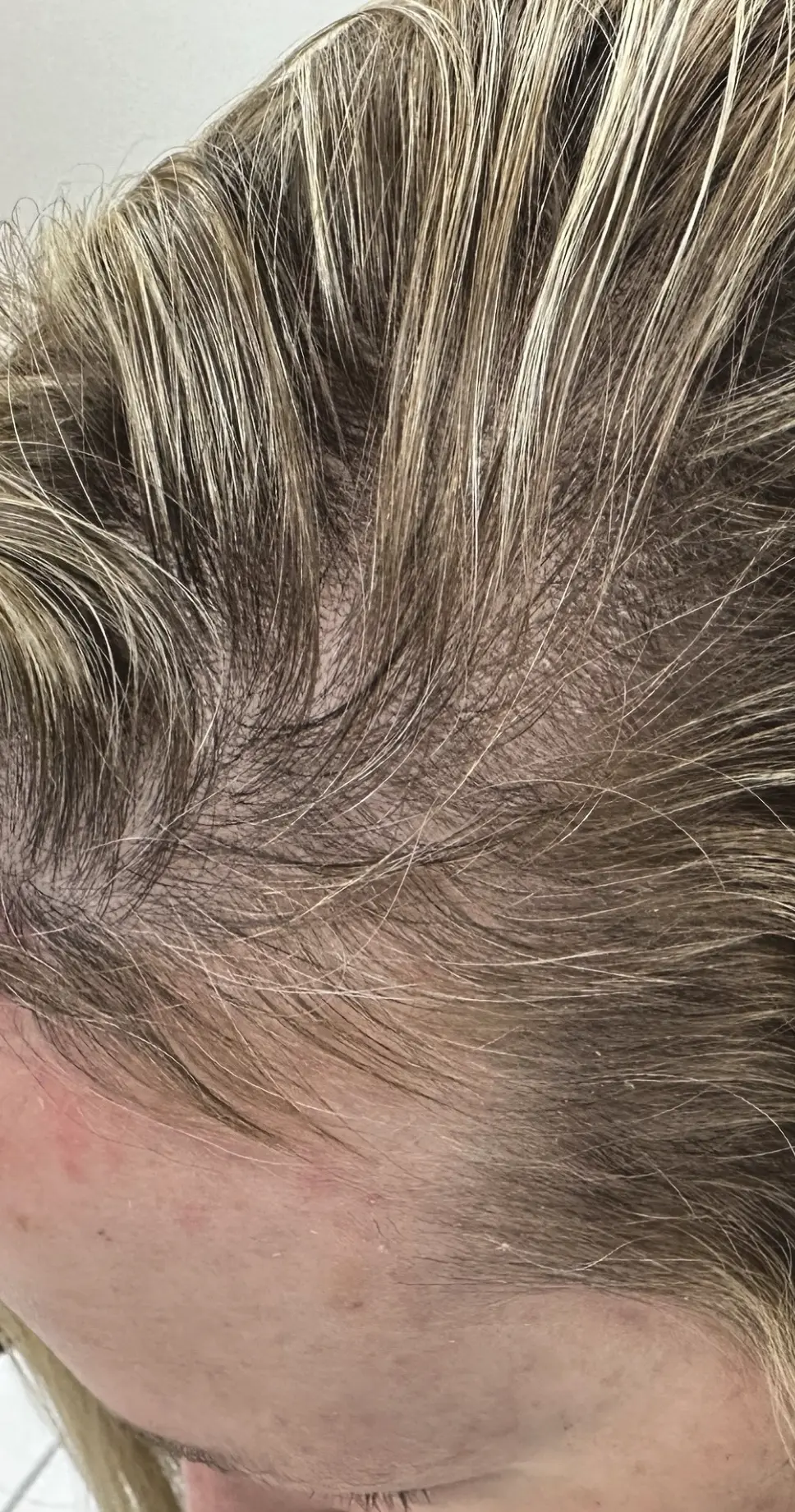
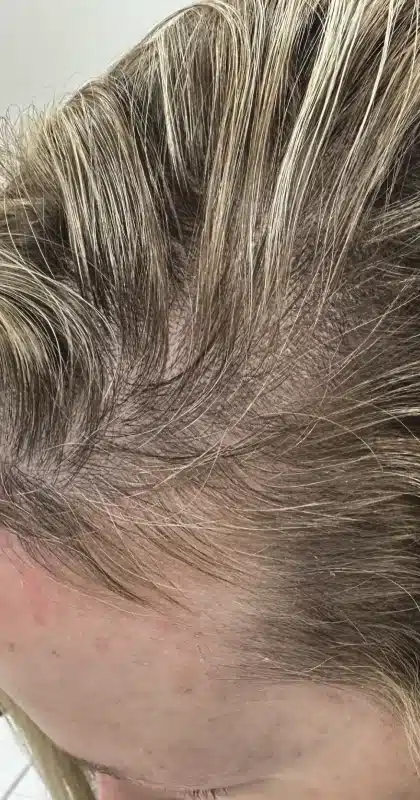
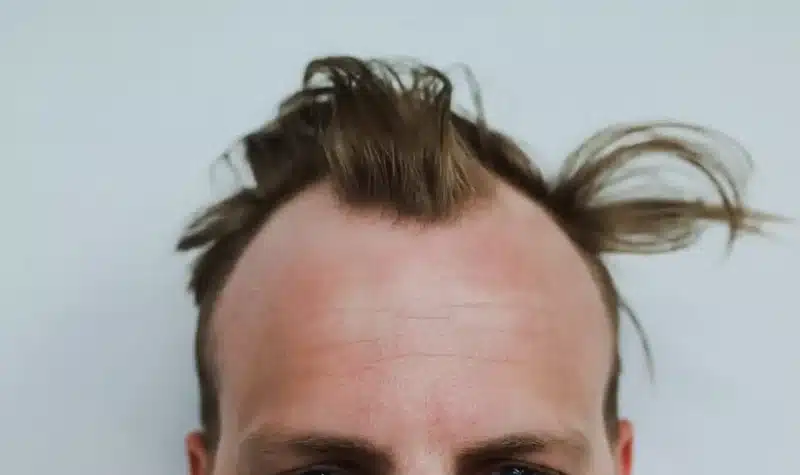
This includes androgenetic alopecia (the classic male- and female-pattern baldness) and generalised, genetic hair loss. It often involves a widening part or a gradual reduction in hair density. Many of our clients come to our permanent make up clinic, wondering whether a subtle hairline tattoo can help conceal early signs.
Shedding Triggers
A classic telogen effluvium pattern typically appears after illness, burnout, hormonal changes, or other emotional stressors. It’s usually temporary, but while it’s happening, it can be alarming.
Postpartum Shedding
This one is driven by significant hormonal imbalances and is unfortunately extremely common among Brisbane mums. It largely depends on the hair growth cycle and the transition between the anagen and catagen stages.
Tension-Related Thinning
When you’re constantly pulling your hair tight in styles, wearing extremely heavy hair extensions, or repeatedly applying tension to your hair, this can lead to traction alopecia, typically around the temples and sides.
Irritation-Related Thinning
If your scalp is inflamed or irritated – from all the sweat, pollution, heat, or product reactions – it can be a real struggle to keep hold of those healthy strands of hair.
Why Brisbane Clients See These Patterns More Often
If you live in Brisbane, you’re probably already aware that our climate has a bit of an attitude – especially when it comes to your scalp. Humidity, UV levels, and heat combine to make your hair follicles work harder, making shedding appear worse than it hair follicles work harderis.
Stress, Burnout, And Just Life In General
High cortisol levels can disrupt your hair growth cycle, pushing more hair into the growth cycle and shedding phase. Some of our clients even experience this during periods of extreme stress – it can actually look like an anagen effluvium.
Postpartum And Any Hormonal Disruptions
We see it all the time – hormonal imbalances caused by pregnancy, changes to birth control, or conditions like PCOS can really take a toll on thinning.
Diet Gaps
Even small issues with vitamin D or vitamin B12, or insufficient iron (which can be a problem with iron-deficiency anaemia), can significantly worsen thinning.
Things Going On Out There
Sweat, Brisbane’s humidity, UV damage, and all the bad stuff we breathe in – these all tend to make pattern hair loss or irritation-related shedding look way worse than it needs to be.
Medication Side Effects
We find that clients often notice thinning after taking blood thinners, acne medication, or certain steroid injection treatments.
What To Do About Sudden Hair Fall
Before you start looking at supplements, fancy products or (dramatic measures like) scalp micropigmentation, let’s try a more laid-back approach.
Step 1: Document What You’re Seeing
Take weekly photos to determine whether you’re dealing with pattern baldness, patchy hair loss, or a temporary condition like telogen effluvium.
Step 2: Book A GP Or Dermatology Appointment
Ask them to run blood tests to check your iron levels, ferritin, thyroid function, vitamin D & B12, and hormone levels. If you’re still unsure, a scalp biopsy can help clarify.
Step 3: Simplify Your Hair Routine
Try not to tie your hair up too tightly
Ease up on the heat styling
Switch to gentler shampoos
Deal with any irritation as soon as it shows up
Leave the harsh scalp scrubs behind
Step 4: Manage Stress And Lifestyle
Healthy sleep, adequate nutrition, and attention to your mental health will help get your hair growth cycle back on track.
Step 5: Be Patient
Even with the right approach, you won’t start to see improvements in the mirror for a while – we’re talking 3-6 months here.
Common Hair Concerns And What To Do First
Hair Concern
What It Often Looks Like
First Step To Take
Gradual thinning
Widening part, reduced density
GP check + blood tests
Sudden shedding
Heavy telogen effluvium
Identify stressor or hormonal trigger
Postpartum shedding
Clumps around months 3–6
Support nutrition + hormones
Tension-related thinning
Weak edges, traction alopecia
Reduce tight styles and extensions
Irritation-related thinning
Flaky or red scalp
Treat irritation or infection
Real Studio Stories: What We See Every Week
We’ve had our fair share of clients convinced they had a serious hair loss condition – only to discover it was something as mundane as a tight ponytail causing tension breakage. We’ve also had people convinced they had patchy hair loss, when in fact it was the classic telogen effluvium after a really stressful house move. And then there are the ones who think that rubbing their scalp raw is going to “stimulate their follicles” – the opposite, in fact.
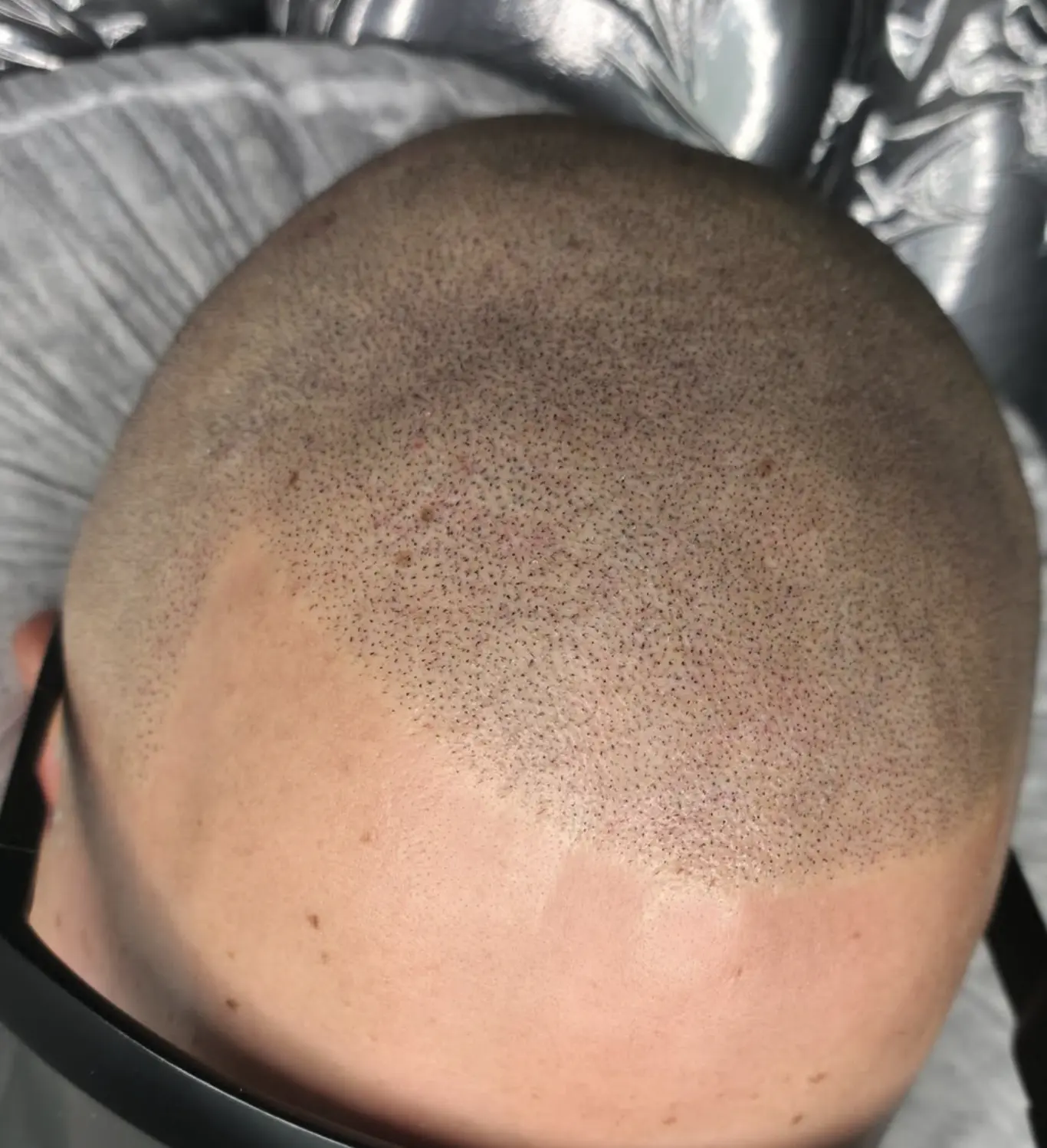
Some of our clients explore cosmetic camouflage options, such as a soft hairline tattoo or delicate scalp tattoo shading, only after they’ve stabilised the underlying issue with their GP.
When You Should Seek Professional Help
Time to book an appointment with the GP, dermatologist or a specialist at a hair loss clinic if you notice any of the following:
Hair falling out fast or for no apparent reason
Bald patches are getting worse
Shedding that just won’t quit, even after 4 months
Losing hair after a nasty illness or a new medication
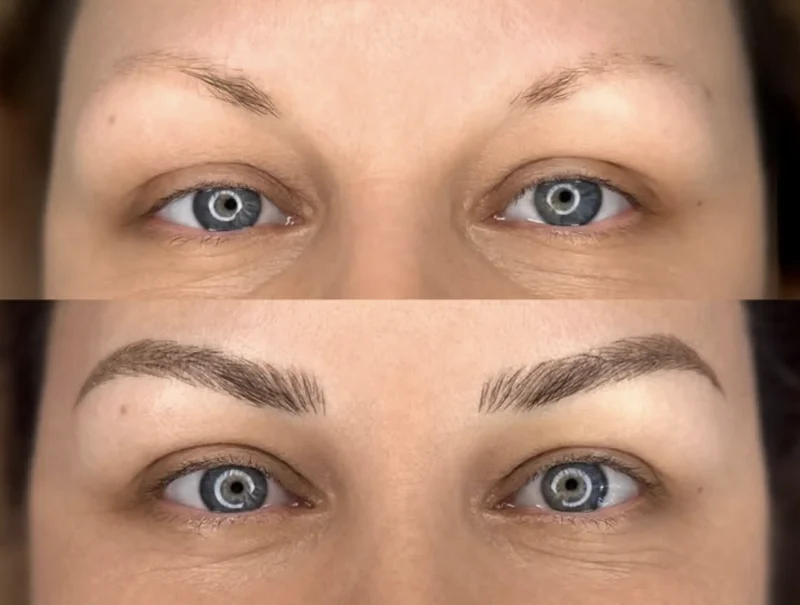
Losing eyebrows or eyelashes too — something that can sometimes lead clients to ask about eyebrow tattoo options for restoring facial balance
Pain, redness or some kind of scalp discomfort
Any signs that look a bit like alopecia areata or universalis
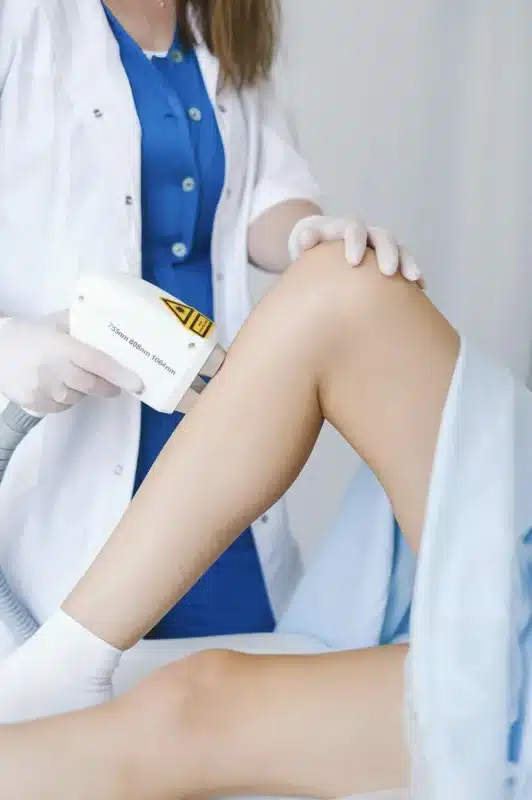
A specialist might recommend PRP treatment, topical medication, gentle laser treatment, or other hair treatments, depending on the condition.
Final Thoughts
Hair loss can be a real bummer – but most of the time, the causes are pretty straightforward, and all that’s needed is to figure out what’s going on and take the right steps. Whether you’re dealing with stress-induced shedding, postpartum changes, or your first signs of pattern hair loss, you’re not alone – and there are options. If you ever want to explore gentle cosmetic solutions like a nice scalp tattoo or density-boosting shading, Cosmetic Tattoo Studio Brisbane (or whatever they call themselves) is always happy to discuss what’s possible.
artist
With industry experience since 2016, Anastasia is a certified and licensed specialist who helps clients understand why hair loss happens, identify common causes, and take the right first steps toward managing it. She holds recognised qualifications across Europe and Australia and focuses on early detection, scalp health, and practical guidance tailored to each person’s situation.
It depends on the situation, but often it’s just a matter of addressing nutritional issues, getting medical treatment, or PRP or laser therapy, or even something as simple as a subtle scalp tattoo to add some density.