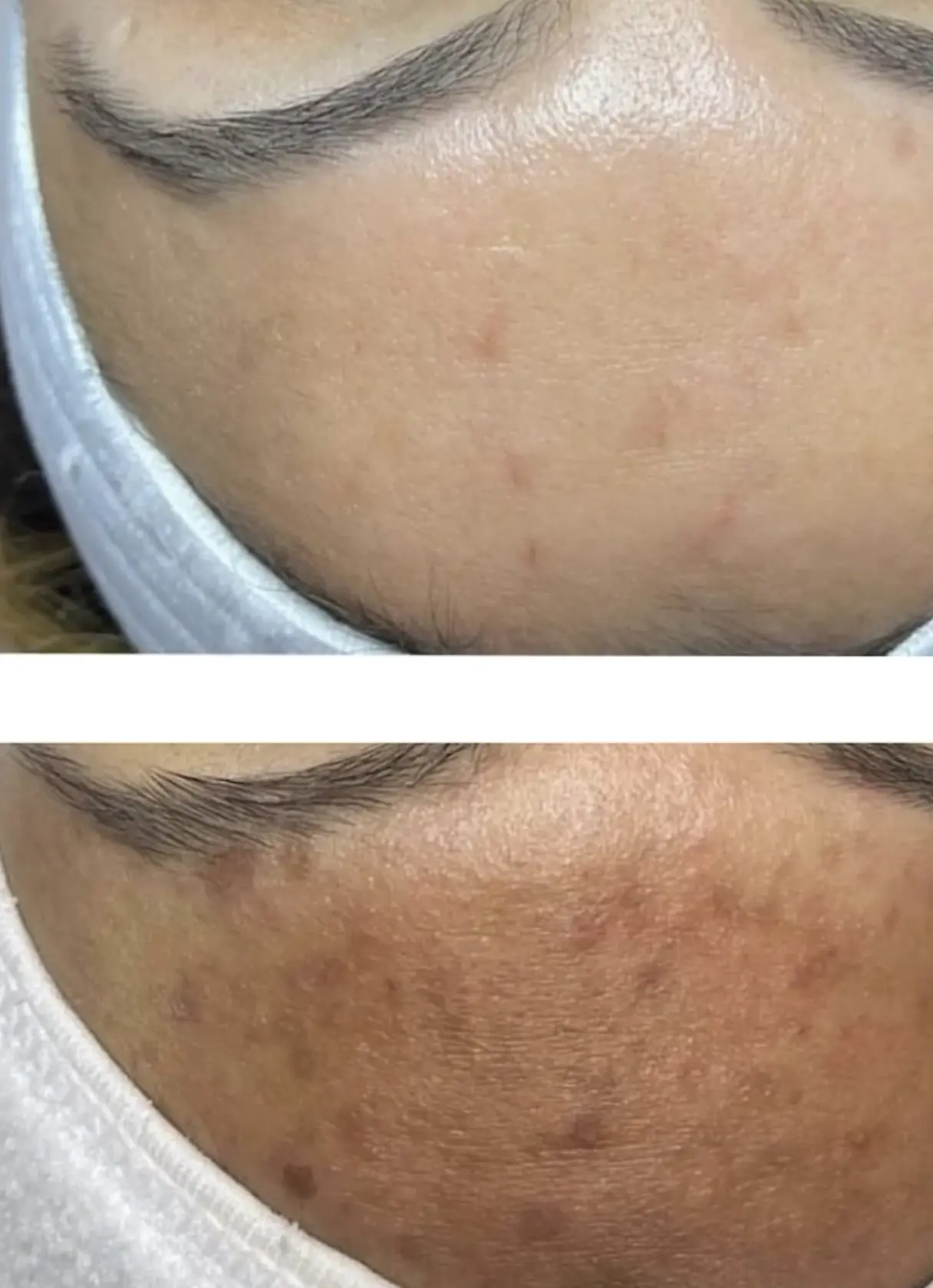
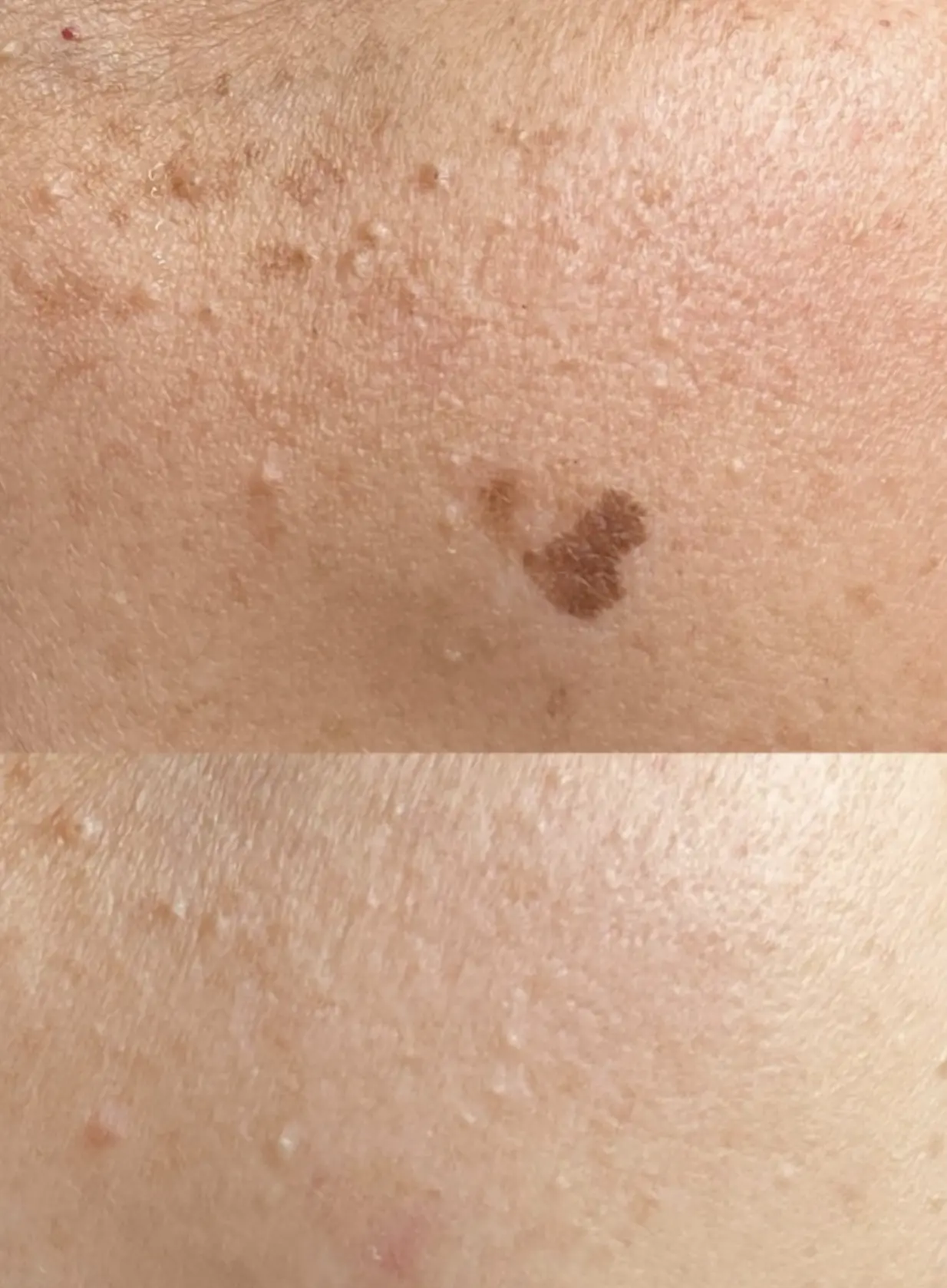
If you’re after the straight-up, no-nonsense answer to what permanently removes age spots? – Then you should know that, right now, your only guaranteed bet is to go for medical-grade laser treatments or specific prescription-strength treatments. Don’t expect creams to do it for you or peels to fix it on their own – lasers are the only treatments that can actually break down the pigment so your body can remove it for good.
Laser treatment is a pretty powerful tool when it comes to age spot removal – it targets the pigment directly, breaks it up and lets your body naturally clear it out. People love it because results are fast, reliable and long-lasting – as long as you remember to slap on that SPF 30 or higher every day after.
Table of Contents
Why Pigmented Marks Form Over Time
Imagine we’re sitting down for a chat – no fancy studio setup or anything – and you tell me you’re “done with these dark patches showing up”. That’s completely fair. Brisbane’s UV rays aren’t to be messed with, and before you know it, years of exposure have added up.
Age spots develop due to repeated sun exposure, oxidative stress, and melanin behaviour. They won’t go away on their own, but the proper treatment can eliminate them permanently.
The Science Behind Pigment Build-Up
Age spots start as a bit of a pigment overload due to melanocytes cranking out too much melanin in one place. Over time, the pigment builds up and appears as flat brown patches on your skin’s surface; the more UV light it receives, the darker they become.
Contributors include:
UV rays from the sun or tanning beds
Your genetics and skin type
Inflammation (acne, burns from waxing, etc)
Ageing skin and reduced collagen
Hormonal shifts
Which Spots Respond Best To Removal?
Many people are dealing with various types of facial pigmentation. Here are the most common ones:
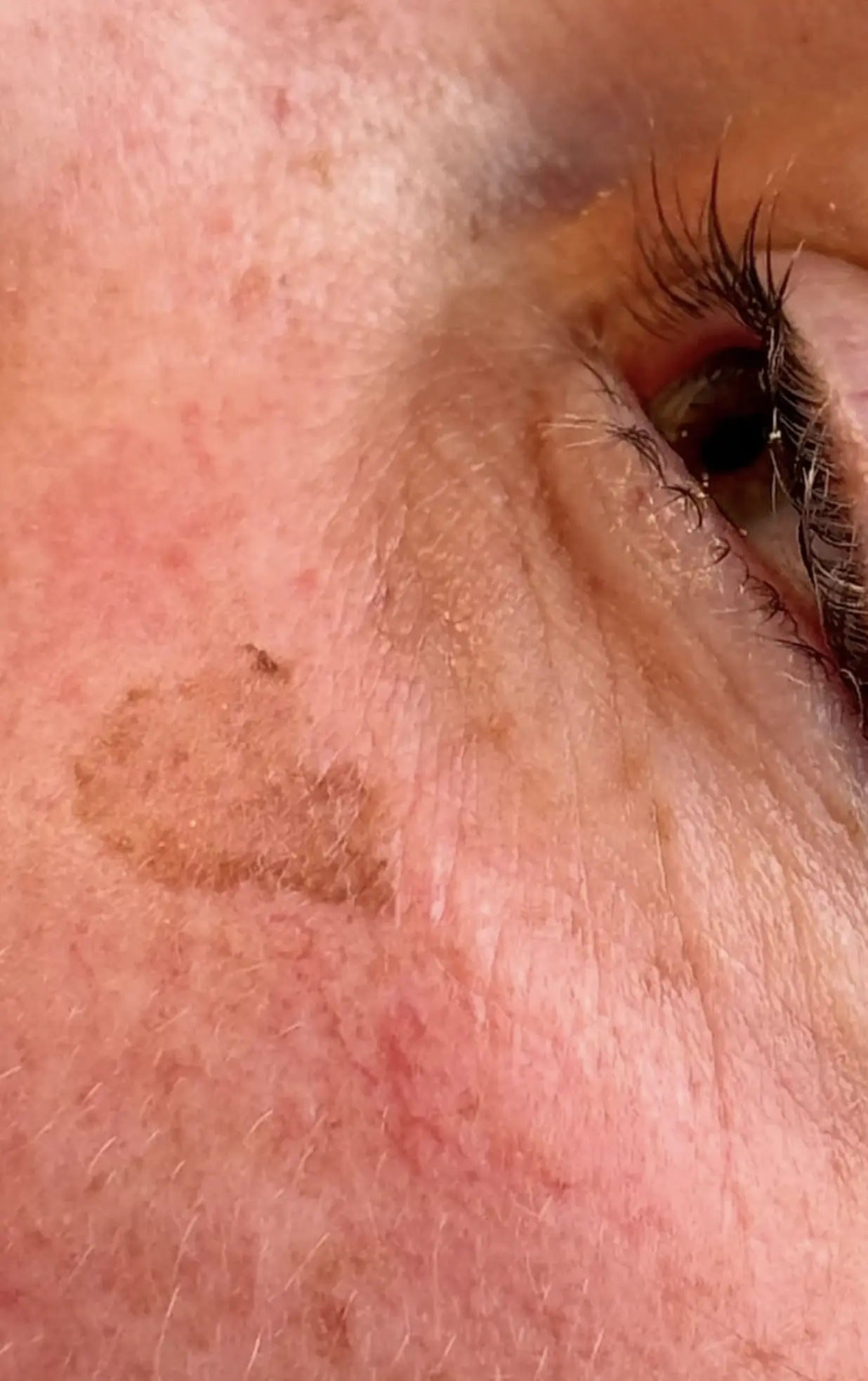
Solar Lentigines (true age spots) – these are the ones that respond super well to laser therapy, IPL, or chemical peels
Liver Spots
Post-Inflammatory Hyperpigmentation – this one responds pretty well to glycolic acid, kojic acid, and a good dose of Vitamin C
Seborrhoeic Keratoses – often need to be frozen off with liquid nitrogen
Melasma – don’t even think about trying to get rid of it with IPL. You need to address it differently.
A proper assessment is essential—especially because some spots that look harmless may need to be checked for skin cancer.
How It Works
The laser emits a wavelength that specifically targets the pigmented cells
Melanin absorbs that energy, which breaks down the pigment
It all just sort of… melts away
Laser treatment for age spots uses similar technology to laser tattoo removal, but it’s more refined for removing melanin rather than ink.
Pros
It’s great for getting rid of isolated dark spots
Downtime is pretty minimal
Works well on most skin types
Cons
You need to steer clear of UV light before and after
There’s a slight risk of redness and heat
Not a good option if you’ve got melasma
IPL (Intense Pulsed Light)
IPL is a bit of a magic bullet as it brightens your whole complexion and gets rid of a load of scattered dark spots. Many of our Brisbane clients love it because it addresses both pigmentation and skin texture in one go.
What To Expect
There’s a bit of a snapping sensation
Spots get darker, crust and flake away
You’ll start to see the brightening from about a week or two in
Best For
People with lighter skin tones
Anyone with age spots that are caused by UV exposure
Widespread sun damage
Chemical Peels For Pigmentation
Chemical peels are a great way to brighten your skin by exfoliating away pigmented cells and encouraging new, healthy skin to emerge. We’ve had loads of clients who’ve dealt with Brisbane’s humidity, and it’s really helped them heal.
Why Peels Work
Peels remove surface cells that cause pigmentation and help even skin tone over time.
Popular Peels For Age Spots
Glycolic Acid
Lactic Acid
Kojic Acid Blends
TCA
Vitamin C Infusion Peels
Results Timeline
You’ll start to notice a difference in around 4 to 6 weeks.
Topicals — Supportive But Not Permanent
Think of topicals as the maintenance crew that helps keep things running smoothly after the main work’s been done in the clinic.
Topicals That Help Fade Pigmentation
Vitamin C – a bit of an all-rounder when it comes to keeping your skin looking its best.
Kojic Acid helps lighten stubborn dark spots.
Glycolic Acid – another multi-talented topical that can really help even out your complexion
Retinoids are commonly used to treat age spots and fine lines.
Niacinamide is effective at fading unwanted pigmentation marks.
These products may help reduce the appearance of dark spots, but they’re not a permanent solution.
Comparison of Permanent Pigmentation Removal Treatments
Treatment
Best For
Sessions Needed
Downtime
Longevity
Laser Therapy
Individual Dark Spots
1–3
Mild Flaking
Permanent With SPF
IPL
Widespread UV Damage
2–4
Minimal
Long-Term Brightening
Chemical Peels
Diffuse Pigmentation
3–6
Light Peeling
Progressive Improvement
Liquid Nitrogen
Seborrhoeic Keratoses
1
Crusting 7–10 Days
Permanent Removal
Local Brisbane Advice for Reducing Skin Pigmentation
Because of Brisbane’s crazy high UV index, managing age spots can be a real challenge. Even if you’ve already had laser therapy or peels, if you’re not careful in the sun, you can develop new pigmentation.
Local Factors To Consider
Sunscreen is your best friend (look for something with an SPF of 30 or higher).
Remember that UV can get through clouds and car windows.
If you have an outdoor lifestyle, you’re at higher risk of developing more age spots.
To reiterate: skin that has recently been treated is more vulnerable.
Preparing Your Skin For Treatment
Crucially, getting your skin prepared before treatment makes all the difference – it ensures that your skin can handle the treatment and heals quickly afterwards.
Make just a few minor tweaks in the run-up to your appointment, and you’ll see a real difference in the final result.
Pre-Treatment Checklist
Give retinoids a break for 3-5 days before your treatment
Don’t bother with tanning beds or exposing your skin to UV light
Make sure to keep your skin hydrated
Clear up any active breakouts first
And of course, don’t forget to slap on some SPF every day
Aftercare To Protect Your Results Long-Term
Once that pigment’s gone, it’s up to you to keep it that way. Sunscreen and skincare are key – put in the time and effort, and you’ll be enjoying your results for months (or even years) to come.
Golden Rules
Daily application of a broad-spectrum sunscreen is a must
Don’t pick at that flaky skin – it’s tempting, but it’s a major no-no
Wear a hat when you’re out in the sun
Keep chugging Vitamin C and skincare products that are friendly to your pigmentation
And finally, ditch the tanning beds for good – they’re not worth the risk
When Age Spots Need A Medical Check
Not all dark spots are harmless; some require evaluation by a physician.
When in doubt, always get a second opinion — it’s better to delay treatment than risk overlooking a skin cancer warning sign.
In the studio, we often meet clients who come in for cosmetic tattooing consultations at Cosmetic Tattoo Studio Brisbane Face Figurati, only to discover that the “pigmentation” they’re worried about is actually a mix of solar lentigines, post-inflammatory hyperpigmentation, or, in some cases, seborrhoeic keratoses. Before we tattoo (cosmetic or fine line), brighten, or correct anything, we always make sure the skin is healthy enough for cosmetic procedures — and this sometimes means recommending a medical check first.
Lesions Worth Checking
Seborrhoeic Keratoses – these can be a bit tricky
Solar Lentigines – your typical age spot
Post-Inflammatory Hyperpigmentation – this one’s caused by inflammation
Atypical Dark Spots – these are worth taking a closer look at
Any Lesion That’s Changing – shape, colour or behaviour
If a lesion looks suspicious, you might need to get a skin biopsy – only a doctor can give you a proper diagnosis or rule out skin cancer.
artist
Since 2016 of expertise in the professional tattooing industry, Uliana is a certified and licensed beauty cosmetic tattooing specialist. She has all the necessary licenses and qualifications for permanent makeup in Europe and Australia.
They’ll definitely make a big difference, but usually, it’s not enough for a permanent removal. You might need to go with laser therapy or liquid nitrogen.