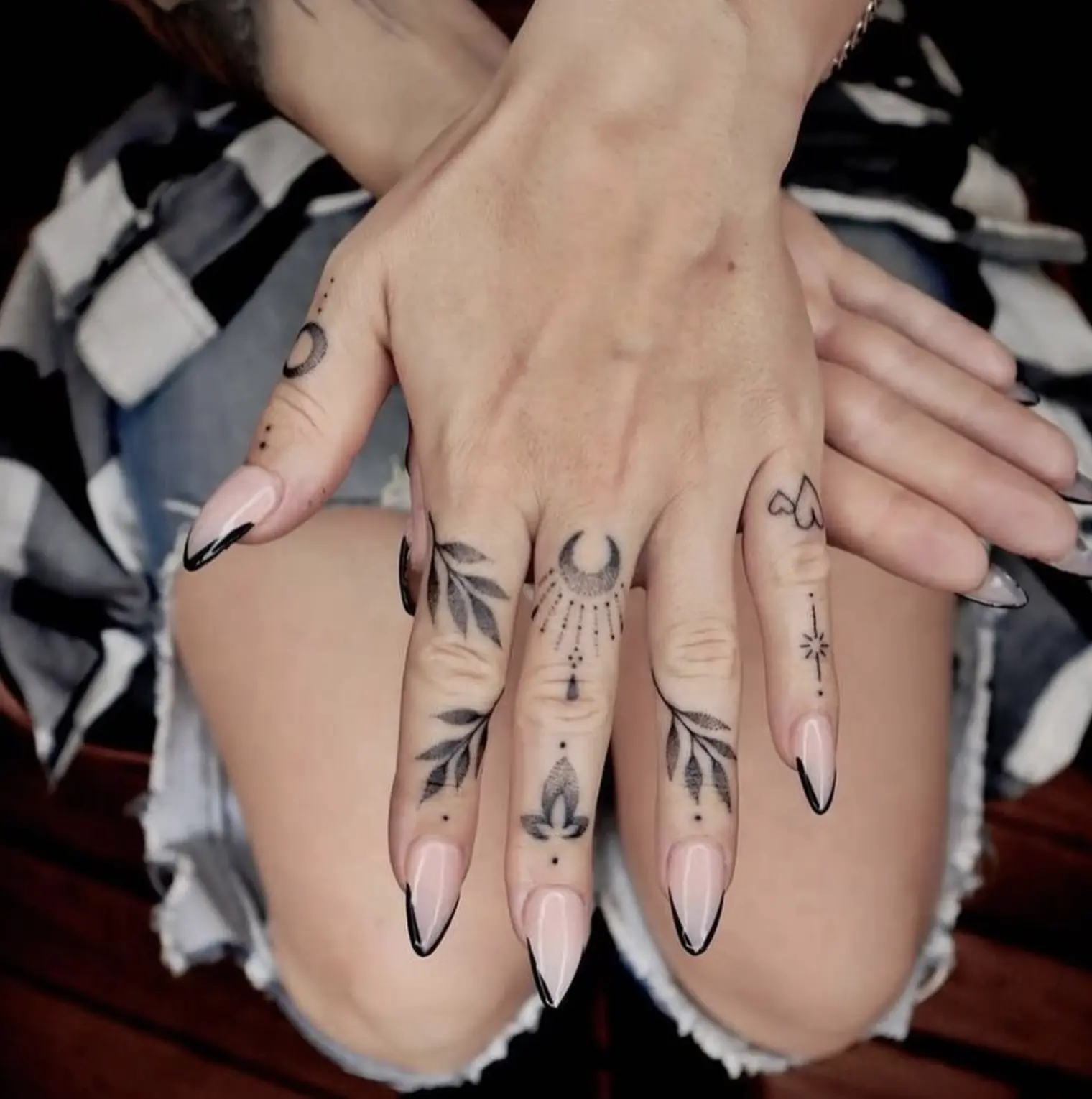
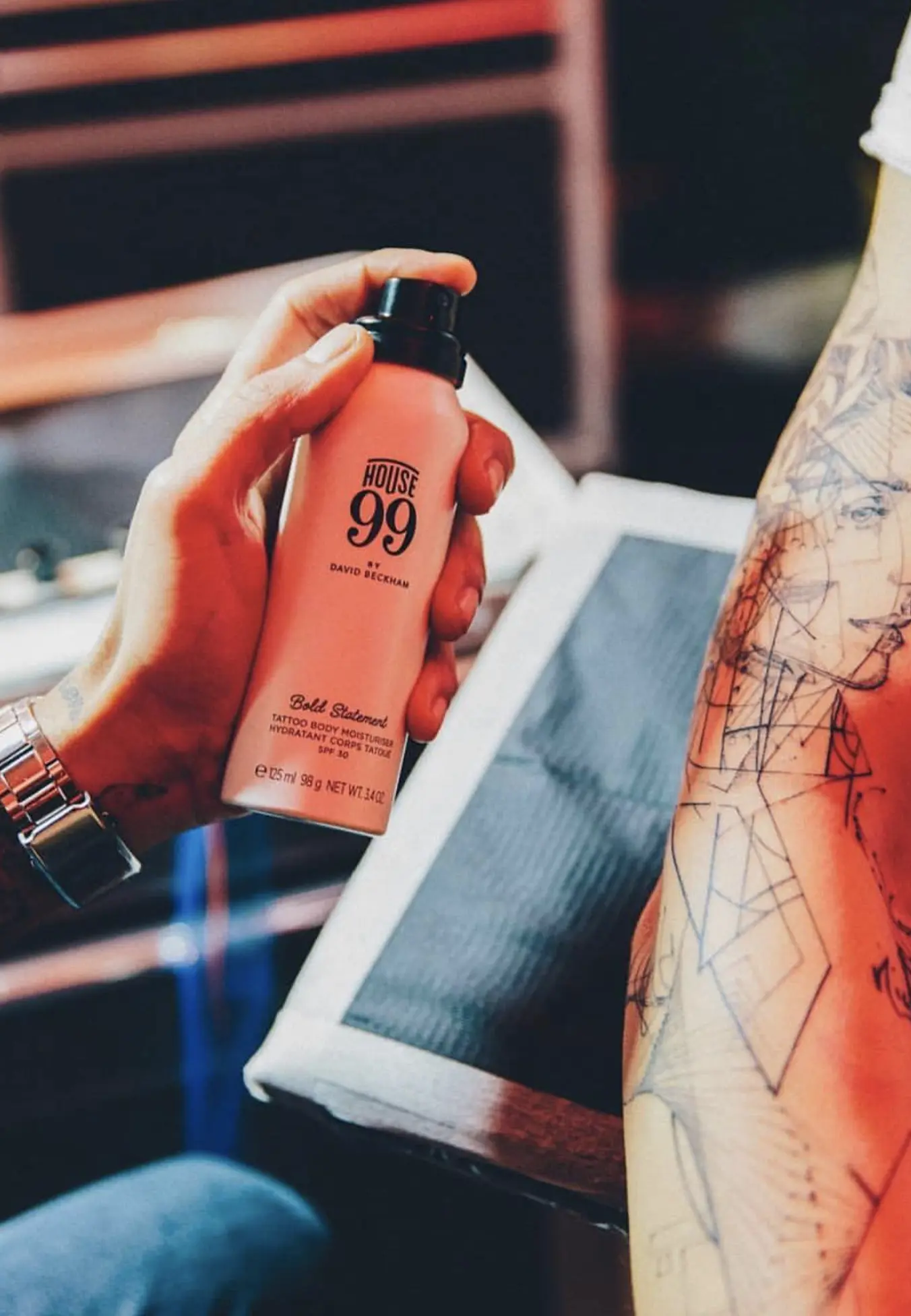
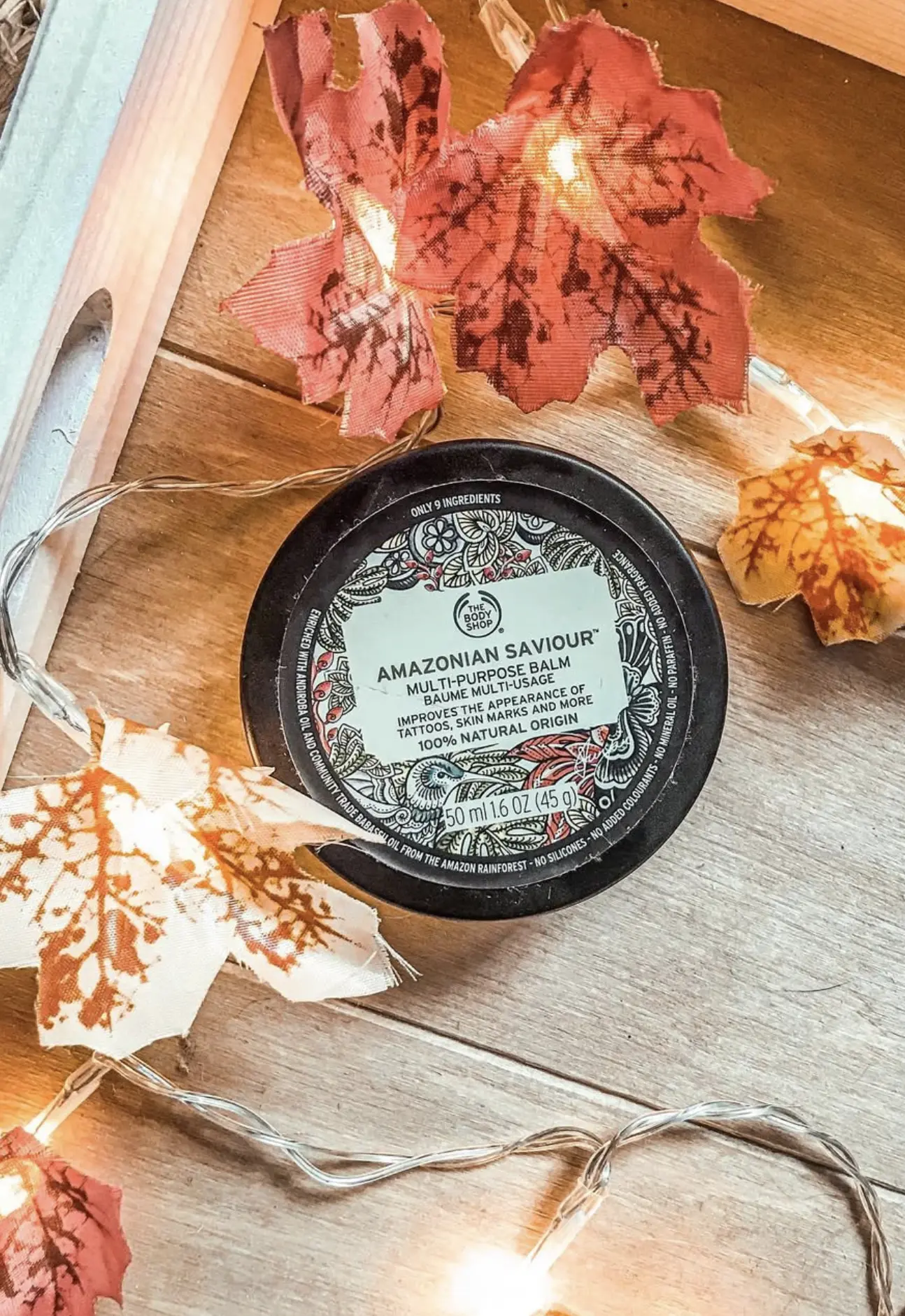
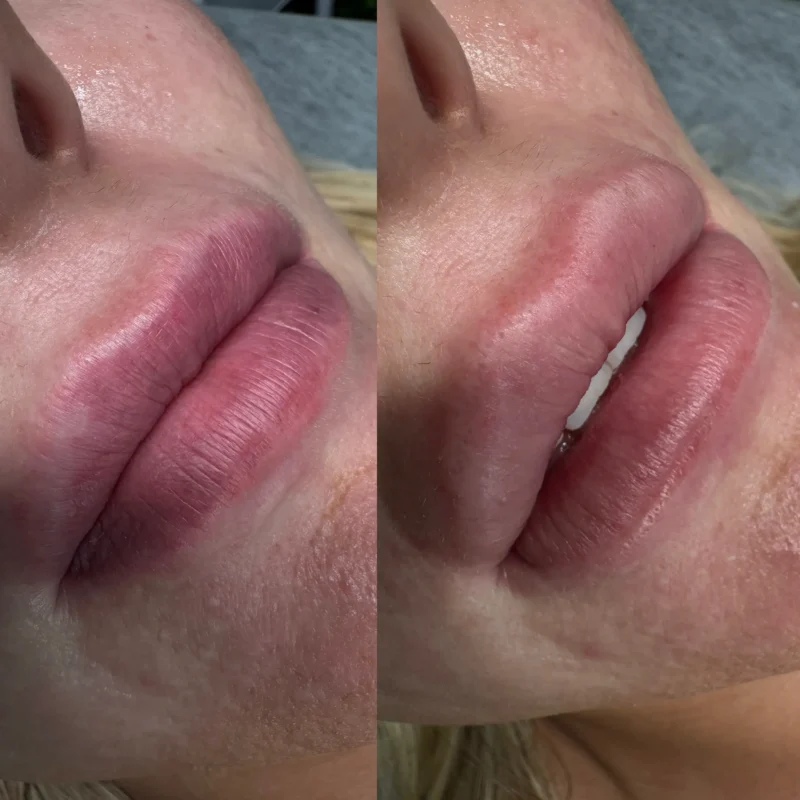
If you’ve ever frantically typed “what moisturizer should I use on my new tattoo?” into Google and found yourself staring at your fresh ink, wondering what to do to keep it from drying out, you’re definitely not alone in this. We get asked the same question all the time by new clients who come into our Brisbane studio, worried about how to keep their new tattoo safe & healthy during the healing process —especially those getting their first tattoo
The team at Face Figurati in Brisbane consists of me, Uliana Kasperska, and the rest of my licensed tattoo artists. Between us, we’ve racked up 15+ years of experience in both European and Aussie studios, working with clients to help them look after, heal, and just love their tattoos—from delicate lips to large-scale body art. And one of the things we can honestly say is that getting the right moisturiser is a really, really simple but actually quite crucial thing in keeping your tattoo looking as sharp and vibrant as the day it went on.
Table of Contents
What Your Skin Needs After Tattooing
Getting a tattoo is essentially just poking holes all over your skin – and a lot of them at that. During the actual tattooing process, the skin is poked thousands of times, and tiny wounds are created where the pigment can settle. As soon as the ink starts to dry, your body gets to work healing those tiny injuries: first forming a scab, then letting it heal over and regenerating the tissue underneath.
All that said, tattoo aftercare is basically super super important at this stage especially for fine line tattoo – it can mean the difference between a smooth healing process and one that gets bogged down with scarring or faded ink. A lot of people assume that keeping the tattoo area clean and hydrated is enough to keep it safe… and while that’s a fair call, using a really gentle fragrance-free soap and a moisturiser that actually lets the skin breathe is the key to getting that perfect balance of moisture without suffocating the skin.
Your tattoo actually needs oxygen to heal properly, so don’t be tempted to slap on a whole load of petroleum-based products right away. They might feel nice & soothing to the touch, but they can trap bacteria and slow down the skin’s healing process.
Best Aftercare Creams (Studio-Tested Favourites)
We’ve been testing loads of different tattoo balms, lotions and ointments at Face Figurati in Brisbane over the years – not just the trendy ones that get lots of buzz online, but the ones that actually work.
Here’s a handy table comparing our top studio-approved products and what each is best suited for:
Product Type
Key Ingredients
Best For
Texture
Why We Recommend It
Fragrance-free healing balm
Panthenol, Vitamin E, Hyaluronic acid
First week of healing
Light balm
Promotes skin regeneration and reduces itching
Moisturising lotion for tattoos
Aloe vera, Colloidal oatmeal
Weeks 2–3
Creamy, non-greasy
Calms irritation and hydrates sensitive skin
Natural oil blend
Jojoba, Coconut oil, Vitamin E oil
Healed tattoos
Silky oil
Restores shine and enhances vibrant colours
SPF tattoo balm
Lanolin oil, beeswax, SPF 30+
Outdoor skin protection
Smooth balm
Defends against UV fading and sun damage
Vegan butter
Shea butter, Essential oils
Dry or mature skin
Rich texture
Nourishes deeply while keeping tattoo colours bright
Studio tip: If you’re using a plastic film wrap (like Second Skin) right after your appointment, don’t apply moisturiser under it. Wait until it’s removed — usually after 2–3 days — before starting light moisturising with clean hands.
Common Aftercare Mistakes We See Too Often
We’ve lost count of how many clients have walked in saying, “I used what I had at home” — just a bit of coconut oil or scented lotion. And we get it! But here’s the reality: even good intentions can backfire.
Over-moisturising: More isn’t better. If your tattoo looks shiny or sticky, you’re suffocating it.
Using petroleum jelly too early: Great for barrier protection, terrible for healing tattoos — it traps moisture and bacteria.
Scented or alcohol-based lotions: These cause stinging and can fade pigment.
Switching products too quickly: Give your skin consistency. Changing creams mid-healing confuses it.
We always say: less product, more patience.
What About Natural Oils?
Natural ingredients can do wonders — at the right time. Oils like coconut oil or Vitamin E oil nourish healed tattoos, but they’re not ideal in the early stages. During the scabby period, they can interfere with oxygen exchange or cause irritation.
Once your tattoo has fully sealed (around week 3–4), you can use:
Jojoba oil for lightweight hydration
Rosehip oil to even out the texture
Witch hazel to reduce inflammation on healed areas
Vitamin E oil for added protection and shine
Avoid thick, comedogenic oils while healing — your skin is still regenerating, and anything too heavy can delay it.
Tailoring Aftercare To Your Skin Type
Every skin type reacts differently to tattooing. We see clients daily with skin that ranges from oily and acne-prone to ultra-dry and flaky — and the right moisturiser makes a huge difference in tattoo aftercare results.
Oily skin: Use a light, non-comedogenic gel or lotion with aloe vera and tea tree oil.
Dry skin: Choose a rich cream with shea butter, lanolin oil or colloidal oatmeal.
Sensitive skin: Stick to fragrance-free tattoo aftercare lotions — no alcohol, no micro beads, no dyes.
Mature skin: Opt for moisturisers with hyaluronic acid and antioxidants.
When in doubt, your tattoo artist can help match your skin type to the right formula — it’s part of protecting your fresh ink and ensuring your healing goes smoothly.
How Long Should You Care for a Healed Tattoo?
Here’s the part most people overlook. Moisturising doesn’t stop when your tattoo stops flaking. Once healed, the tattooed skin is still thinner and more UV-sensitive than the surrounding areas. Regular hydration helps slow down fading and keeps lines crisp.
During healing: 2–3 times daily for 2–4 weeks
After healing: Once daily, long-term
Before sun exposure: Always use SPF 30+
According to dermatological studies, tattoos exposed to sunlight without SPF can fade up to 30% faster over two years than protected ones (especially lip blush). Moisture and sunscreen go hand in hand — your tattoo will thank you.
Quick Prep & Aftercare Checklist
Before your appointment:
Stay hydrated and moisturise your skin for a few days prior
Avoid alcohol or blood thinners 24 hours before
Don’t apply heavy creams on the day
After your appointment:
Keep the tattoo covered for the first few hours
Gently clean with fragrance-free soap
Pat dry (no rubbing!)
Apply a thin layer of balm with clean hands
Avoid swimming, saunas or sun exposure for 2 weeks
And please, don’t pick. Let it shed naturally to avoid patchy healing and pigment loss.
artist
Since 2016 of expertise in the professional tattooing industry, Anastasia is a certified and licensed beauty cosmetic tattooing specialist. She has all the necessary licenses and qualifications for permanent makeup in Europe and Australia.