What Damages Tattoos The Most?

What damages tattoos the most? We get asked this all the time in our Brisbane cosmetic studio — and for good reason. Every tattoo artist knows the heartbreak of seeing a once-vibrant design fade, blur or scar too soon. We’ve seen it all, from poor aftercare routines and contaminated ink to sun exposure that bleaches colour within months.

Table of Contents
What Damages Tattoos The Most?

I’m Uliana Kasperska, a certified and licensed cosmetic tattoo artist working between Europe and Australia for over 15 years. In this guide, I’ll walk you through the biggest culprits that damage tattoos — from infection and skin trauma to avoidable lifestyle habits — and how to protect your art for life.

Bad Art From A Bad Artist

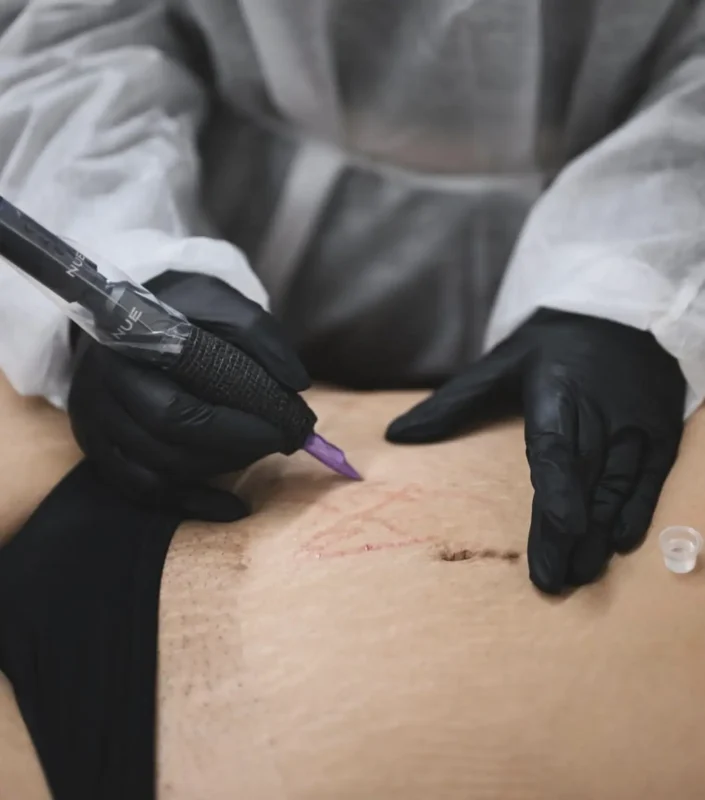
The biggest tattoo damage often starts before the first drop of tattoo ink even touches the skin. Choosing an unqualified or inexperienced artist is the fastest way to a bad tattoo experience.

An unlicensed or careless tattooist might: go too deep into the thickest skin layer, damaging capillaries and scar tissue. Use contaminated ink that can trigger allergic reactions or transmit hepatitis B and hepatitis C. Work in an unsafe environment lacking proper sanitation, exposing the skin to dirt, germs or even methicillin-resistant Staphylococcus aureus (MRSA).

We’ve fixed countless tattoos from other studios where pigment was applied unevenly or in the wrong skin layer. These cases often require laser or saline tattoo removal or extensive colour correction.

Safety Tip: Always check your tattoo artist’s licence, hygiene standards and pigment brands. Queensland tattooists must comply with strict Body Art Tattooing Licence requirements and health regulations to ensure sterile, professional practice.

Tattoo design

Keeping Your Fresh Tattoo Covered For Too Long

A new tattoo is basically a controlled wound, and like any wound, it needs some air to heal properly. Don’t get me wrong, wrappings do protect against all the nasty stuff that might have kicked up during those early hours—dirt, blood, plasma, and all that.

But if you keep that tattoo covered for too long, it starts to trap heat and moisture. And that moisture creates the perfect breeding ground for bacteria, and also slows down the flow of oxygen to those skin cells that are actually trying to heal themselves.

The Bottom Line:
Unwrap the thing after 2-3 hours (for smaller tattoos or cosmetic work).
Clean it up with gentle skincare products specifically designed for sensitive skin.
Let it breathe on its own – the healing process relies on the circulatory system and a bit of fresh air.

Tattoo infections

Tattoo Infections - The Sneaky Saboteur

Even with an outstanding tattoo artist, infections can pop up when people don’t follow the proper aftercare routine or are exposed to a foreign substance they shouldn’t have been. Typical infections include things like MRSA or fungal overgrowth from letting your tattoo get too soggy. You should keep an eye out for: swelling beyond 72 hours — that’s just too long. Any pus or oozing fluid — that’s a definite red flag right there. Red streaks or escalating pain — again, that’s just too much. If you don’t sort this out, it can cause serious damage—like destroying the pigment, leaving nasty skin discolouration behind, or even leading to severe complications.

Common Causes Of Infection: You touch it with dirty hands — that just isn’t on. You use the same clothes or towels — gross. You go for a swim in a pool — that’s just asking for it. You slather on some thick ointment that ends up suffocating the skin — no good.

Our Brisbane cosmetic tattoo studio takes all sorts of precautions to stop infections in their tracks — single-use needles, sterile gloves, the works. All this adds up to a much safer environment for our clients and means we can take a lot of the nasty stuff out of the equation—like hepatitis C.

If you ever suspect something is up, see a doctor promptly. If you do end up with a bad case of infection, it can get into your bloodstream and start causing all sorts of problems, not to mention if it gets into the deeper tissue layers.

tattoo infection treatment
what not to do after tatto

Sleeping With A Fresh Tattoo

Your tattoo might look tough, but for the first week, it’s basically as delicate as skin after a facelift.

Trying to sleep on fresh eyeliner tattoo, or other facial tattoos can ruin the pigment, pull off the scabs, and just generally make the healing process even messier across the skin layers. For facial tattoos like brows tattoo or lips, it’s pretty much a guarantee that you’ll end up losing some pigment just from the friction from the bedding.

Brisbane Sleep Tips: Use clean cotton pillowcases — and make sure to change them every night. Keep the pets out of bed — you don’t want any stray hair or dust getting in there. Try to keep the tattooed or microbladed area slightly elevated to prevent it from swelling too much.

Cleaning And Excessive Water Exposure

Too little cleaning invites bacteria. Excessive cleaning can damage the skin’s protective layer.

During the first two weeks of the tattoo healing phase, your skin barrier isn’t fully sealed. Long showers, swimming, or soaking can allow waterborne bacteria or chemical contaminants to reach the deepest skin layer, interrupting pigment retention.

StageWhat To DoWhat To Avoid
Days 1–3Clean gently twice daily with fragrance-free soapProlonged soaking or hot showers
Days 4–10Use light, non-comedogenic aftercare productsHarsh cleansers or exfoliants
Days 10–21Apply SPF if outdoorsSalt water, chlorine, or steam rooms
After 3 WeeksResume normal skincare with skincare products ideal for sensitive skinHeavy oils or tanning lotions

Pro Tip: Tattoo pigment stabilises as skin cells regenerate. Avoid chemical exfoliants and body scrubs for at least a month.

Dealing With Itchy Or Peeling Skin

Once your body starts to heal, it will form a layer of dry, flaky skin over the tattoo. And before you reach for the scratching post, just remember that’s completely normal. The problem is when you start picking or scratching — this dislodges trapped pigment, causing uneven colour and scarring.

Rather than digging in there with your nails, try gently patting the area instead, or for even better results, dab on a light layer of aftercare balm. And while you’re at it, keep your fingernails trimmed and steer clear of any tight clothing that’s likely to irritate the healing skin.

Just one more thing to remember: every flake you pick off prematurely might just take some of that lovely pigment with it. Try to let nature run its course.

The Dangers Of Excessive Sun Exposure

Let’s be clear — one of the biggest enemies of tattoos around here is UV rays.
The stuff that gives your tattoo colour — especially in black ink — degrades in the sun. UV light breaks down pigment molecules and begins to weaken the collagen that keeps your skin layers strong.
This can lead to permanent fading or even blistering on your fresh new tattoo.
Some tips to keep you safe: Avoid the sun for at least 3-4 weeks after getting your tattoo. Once you’re healed, use an SPF 30+ sunscreen to keep the colours looking their best. Reapply the suncream often if you’re out and about. When possible, cover up that tattoo with some breathable clothing.
Incidentally, research from the Australian Cancer Council has shown that Brisbane’s UV index is often off the charts, which means even a short spell in the sun can do some real damage to your new tattoo and healthy skin cells alike.

Tattoo sun exposure

What Might Cut The Life Of Your Tattoo Short

Even after your tattoo is fully healed, it’s still pretty sensitive to a range of threats — from environmental factors to lifestyle choices.

  • Smoking is terrible news for tattoos — it restricts blood flow and dulls the colour.
  • Rapid weight changes can stretch the design, altering its appearance.
  • Using skincare that’s too harsh can thin out the skin and fade the colour.
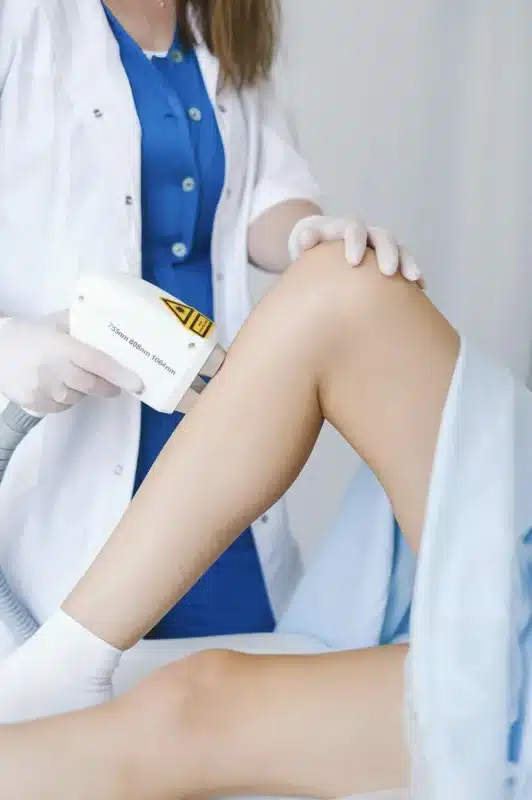
  • Getting laser tattoo removal nearby can scatter the pigment unless you take precautions.
  • Ignoring aftercare tips or skipping vital touch-ups will also shorten the life of your ink.

Healthy skin + healthy colour = happy tattoo. If you live in Brisbane, try to find some high-quality skincare products that suit your skin type and the climate — especially during our hot summers.

Aftercare Tips From Our Studio

Over the years, we’ve tried loads of aftercare routines in the studio, and we’re always refining the ones that really work for the Brisbane climate and local skin types.

tattoo aftercare

Keep Life Simple

Use a mild, fragrance-free cleanser and a thin layer of skincare product designed for healing skin. Avoid petroleum-based products, which can block pores.

Listen To Your Artist

Your tattoo artist knows your skin type, the depth of the tattoo and the pigment used. Their advice beats generic online tips every time.

Hydrate From The Inside Out

Drink plenty of water and use post-procedure moisturiser — think gentle stuff from a cosmetic surgery centre.

Avoid Tight Clothes

Tight fabrics = sweat + friction — both of which will interfere with new ink.

Book Your Touch-Up

At 6–8 weeks, get back in the chair for a top-up session to ensure even colour across all skin layers.

tattoo hydration

Common Myths That Need to be Debunked

We need to get a few persistent myths sorted out — and fast — because they’re doing more harm than good.
“A little bit of sun will help my tattoo heal.” Don’t be fooled — UV exposure basically destroys the pigment and slows down collagen repair big time.
“Coconut oil is a magic fix for everything.” It clogs pores and can trap bacteria, so let’s not get ahead of ourselves here.
“Saltwater is like a disinfectant.” Sorry to break it to you, but it just dries the skin and causes cracking.
“Peeling means the colour is shifting out of my tattoo.” No, that’s just your skin shedding old skin — just leave it alone.
“A cheap artist is fine for small tattoos — no big deal.” Except when they do a dodgy job and it ends up causing permanent damage or even an infection from those nasty bacteria.
A good artist, with proper safety standards, will always put your long-term skin health first — over shortcuts any day.

Quick Reference: Healing Checklist

Potential DamageWhy It HappensPrevention
Poor artistic skillUneven depth or contaminated inkChoose a
qualified tattoo artist
InfectionBacteria, MRSA, or hepatitis riskMaintain hygiene, avoid pools
Over-coveringTrapped heat and moistureRemove wrap after the recommended time
ScratchingBreaks healing skin layersTap gently, use soothing balm
UV exposureBreaks down pigmentSPF and shade
Harsh skincareDamages healing cellsStick to mild cleansers
Ignored aftercareIncomplete healingFollow professional advice

At our Cosmetic Tattoo Studio in Brisbane, Face Figurati, we always remind our clients: beautiful tattoos last when healthy skin lasts. Keep the SPF handy, your hands clean, and your expectations realistic, because prevention is the best aftercare there is.

artist
artist

Since 2016 of expertise in the professional tattooing industry, Anastasia is a certified and licensed beauty cosmetic tattooing specialist. She has all the necessary licenses and qualifications for permanent makeup in Europe and Australia.

FAQ

Yes – tattooing over moles or lesions can hide warning signs of skin cancer or early changes in pigmentation. Get any pre-existing moles checked out by your GP before you get any tattoos in the area.
Use a pH-balanced, fragrance-free cleanser, then pat dry. Avoid any alcohol wipes or harsh antiseptics that can damage skin cells.
Some pigments, such as black tattoo ink and bright reds, may contain foreign substances that can trigger mild allergies. Redness, itching or bumps beyond normal healing – that’s when you need to get a dermatologist involved.
Normal healing is just a bit of swelling and flaking – but if it gets warm, or you’re producing pus, or it’s got a foul smell, or it’s spreading redness – that’s when you need to see a GP – don’t delay!
Yeah, it can, if not done properly. So use a certified clinic, don’t go anywhere dodgy—because laser scatter can affect the chemicals that keep your pigment stable in the surrounding areas.