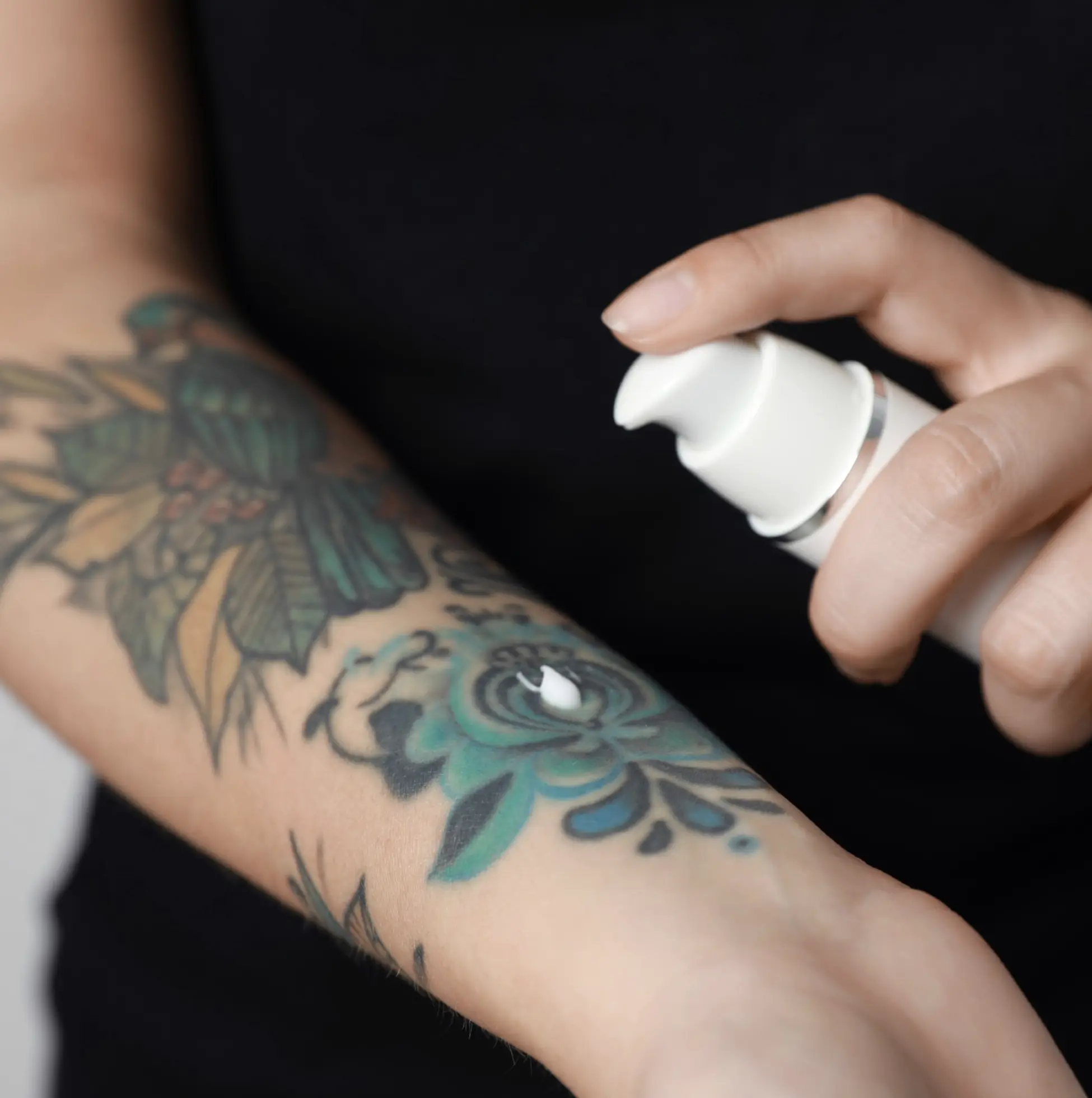
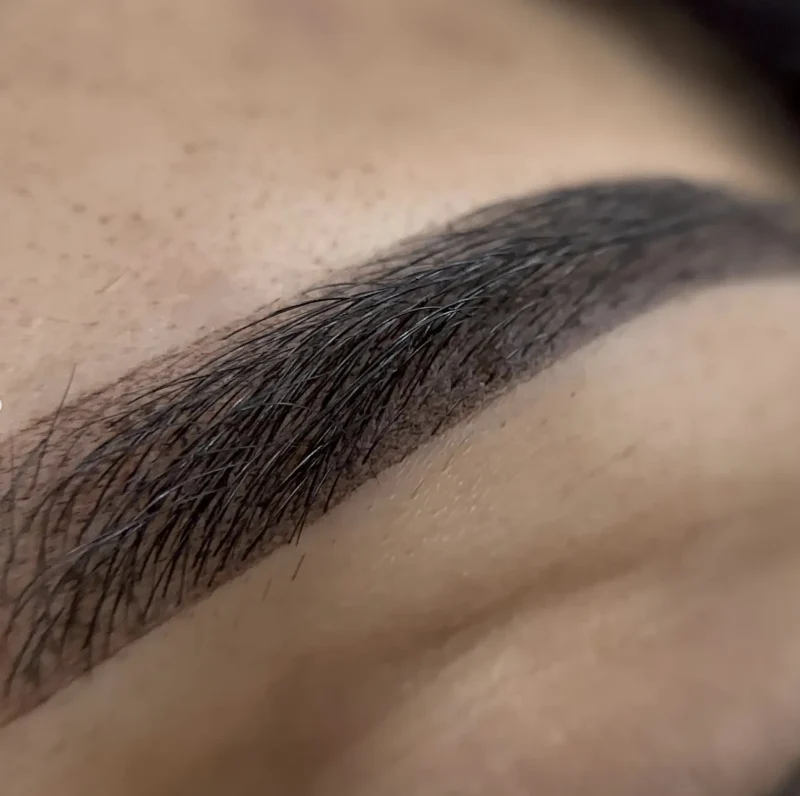
If you’ve just had your brows or lips done and you’re wondering what creams to avoid after a tattoo treatment – well, you’re already way ahead of the game. At our Brisbane studio, we see clients achieve those show-stopping results because they actually took the time to care for their skin properly after treatment. And we all know what happens if they don’t – all that beautiful artistry gets undone by using the wrong cream. In this guide, Uliana Kasperska, our certified cosmetic tattoo artist, will fill you in on which ingredients will sabotage your healing, what products aren’t going to hurt you, and how to keep your investment looking good for years to come.
Aftercare makes or breaks your results. Even if a microblade treatment, eyebrow tattoo or a lip blushing session is done precision-perfect, it can still end up looking terrible if your post-care routine doesn’t quite match your skin type. We apply our pigments just beneath the skin’s surface, so everything you put on after treatment—good or bad—affects how well the colour holds and looks.
We always remind our clients that a tattooed area is essentially a small micro-injury, not an exfoliating treatment. So just like with any cut or burn – keep it clean, steer clear of UV rays, and let your body sort itself out naturally. The cream you use should be nourishing and protective, and the truth is, some of them can actually strip the pigment from your skin, slow down the healing process or give you some nasty irritation.
Table of Contents
Common Ingredients That Can Cause Havoc
Every week, we get clients coming to us who’ve been using glycolic acid toners and vitamin C serums, thinking they’re doing the right thing – but they’ve actually been going in and wrecking their cosmetic tattoo. Below we’ve got a list of the most common skincare sins that are likely to do some damage and just how they might affect your pigment and healingtimetable.
Retinol And Retinoids
Vitamin A-based creams like retinol and prescription retinoids speed up cell turnover, but this is absolutely terrible news for tattoo pigment. They can cause your skin to peel prematurely and your tattoo to fade, especially during the first four weeks after getting the ink.
Unless you want to delay your ink healing for four weeks at least before and after getting your cosmetic tattoo, it’s best to pause any retinoid treatments. And if you’re one of the lucky ones – we mean, if you’re using something from a compounding pharmacy – double check the label for any Vitamin A-based derivatives. If you’re still unsure, just bring the product to your pre-treatment consultation and we’ll do a quick check for you.
Acids (AHA, BHA, Lactic, Glycolic)
Products containing alpha hydroxy acids (AHAs), beta hydroxy acids (BHAs), glycolic acid, or lactic acid thin the skin and can cause pigment fading or distortion. Even a gentle scrub can mess with healing.
Avoid any chemical peels or exfoliating serums near your tattoo for at least 3–4 weeks. If you’re booked for a facial or laser, always tell your therapist about your tattoo so they can modify the treatment.
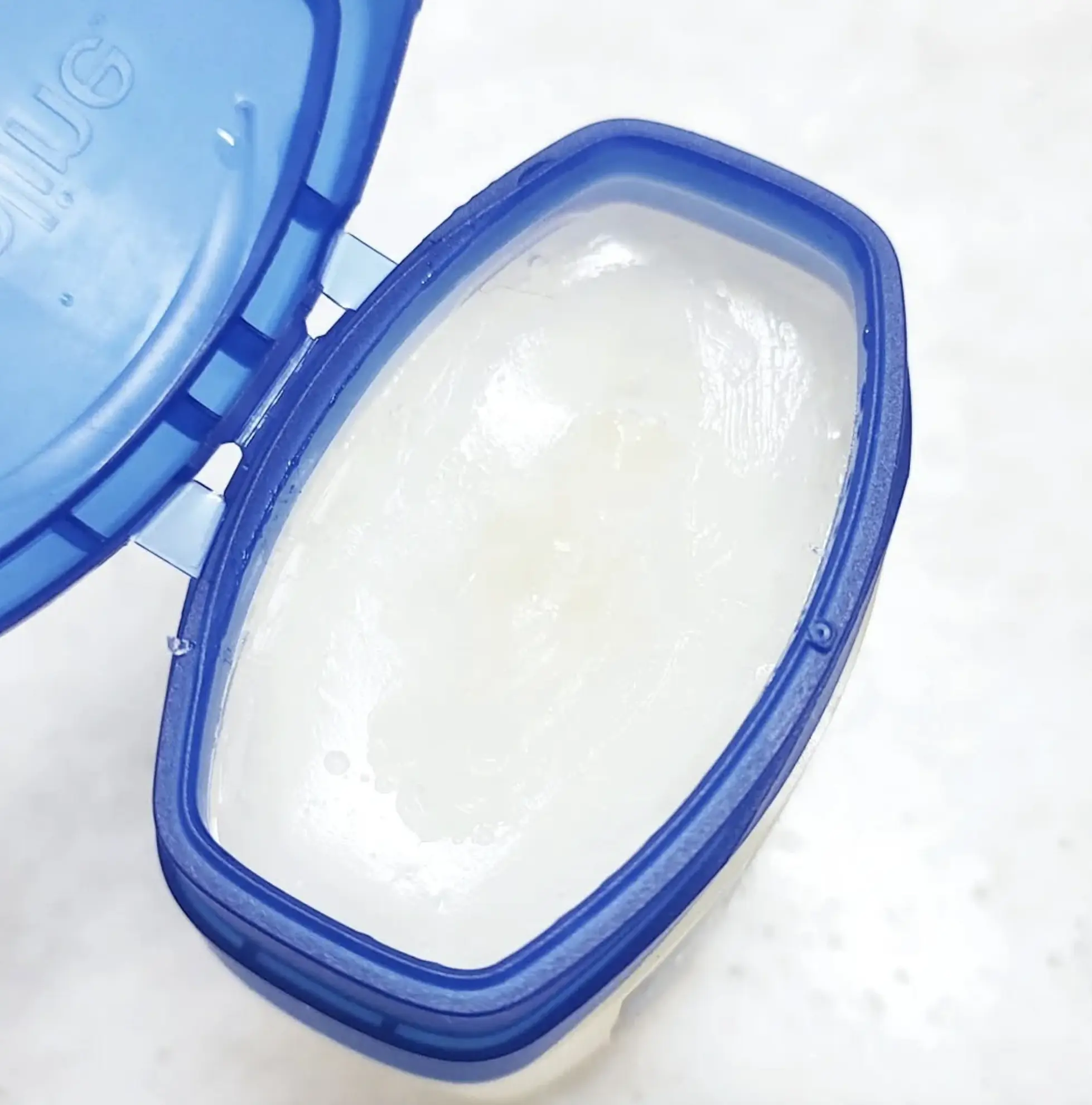
Petroleum Jelly And Thick Occlusives
Petroleum jelly and heavy occlusives trap moisture and bacteria — not ideal in Brisbane’s humidity. They can increase the risk of infection and pigment lifting.
Instead, use a light, breathable balm or pH-balanced tattoo ointment that allows oxygen flow and supports dry healing. These are perfect for ombre brow and lip bushing recovery.
Cortisone And Steroid Creams
Steroid creams like hydrocortisone can thin the skin and cause pigment bleeding or fading. Only use them under medical supervision, and always inform your tattoo artist first.
If you’re prone to eczema or cold sores after lip tattoos, ask about antiviral medication or calming balms instead of steroids.
Fragranced Or Essential Oil Creams
Fragrance and essential oils (like lavender, citrus, or tea tree) can cause redness, irritation, or allergic reactions. Even “natural” ingredients can harm freshly tattooed skin.
Stick with a fragrance-free, hypoallergenic cream designed for sensitive skin. Avoid experimenting with new skincare products during the healing phase.
Quick Reference:
Category
Examples
Effect on Tattoo
Exfoliating acids
Glycolic, lactic, citric, salicylic
Fades pigment
Vitamin A derivatives
Retinol, retinoic acid, tretinoin
Peeling, colour lift
Fragrance & essential oils
Lavender, citrus, peppermint
Irritation, redness
Petroleum-based creams
Vaseline, Aquaphor
Traps moisture, slows healing
Steroid creams
Hydrocortisone, cortisone
Thinned skin, pigment loss
Lightening agents
Niacinamide, hydroquinone
Alters pigment tone
The Impact of Brisbane’s Climate
Brisbane’s sun, humidity, and heat can wreak havoc on fresh tattoos. Moisture softens scabs, and sun exposure can oxidise pigment.
Avoid direct sunlight and tanning beds for at least 2 weeks.
Skip saunas, pools, and sweaty gym sessions for 7–10 days.
Delay fake tan or peels until fully healed.
Once healed, wear SPF 30–50 mineral sunscreen daily.
Premature fading is mainly caused by UV damage, so daily sun protection is essential for long-lasting pigment.
The Role Of Skin Type In Healing - A Quick Rundown
Dry skin: More flaking — use a thin layer of healing balm.
Mature skin: Slower healing — add hydration but avoid actives.
Sensitive skin: Avoid alcohols or botanicals that sting or inflame.
When Skincare Goes Wrong
We often see people use their usual night moisturiser (packed with Vitamin C or retinol) right after a lip tattoo and end up with uneven healing or patchy pigment.
Pigment disruption: Actives can dislodge pigment before it settles.
Inflammation: Harsh ingredients delay healing and cause swelling.
Colour changes: Acids and oils alter tone.
Infection risk: Petroleum traps bacteria in moist environments.
Always do a patch test or bring your skincare to your follow-up session so your artist can check ingredients.
What You Need to Know
We’ve seen some pretty interesting results from our clients over the years – one woman applied Vitamin C serum and lip gloss just three days after getting her lip blushing treatment and ended up with a faded, uneven area because it had over-exfoliated – and it didn’t just happen to her! Another client used petroleum jelly on their ombre brow in the summer and ended up with clogged pores and some of the pigment lifting off the skin. We had to go in and sort out the mess, and both of them learned the hard way just how important it is to pay attention to what they’re putting on their skin.
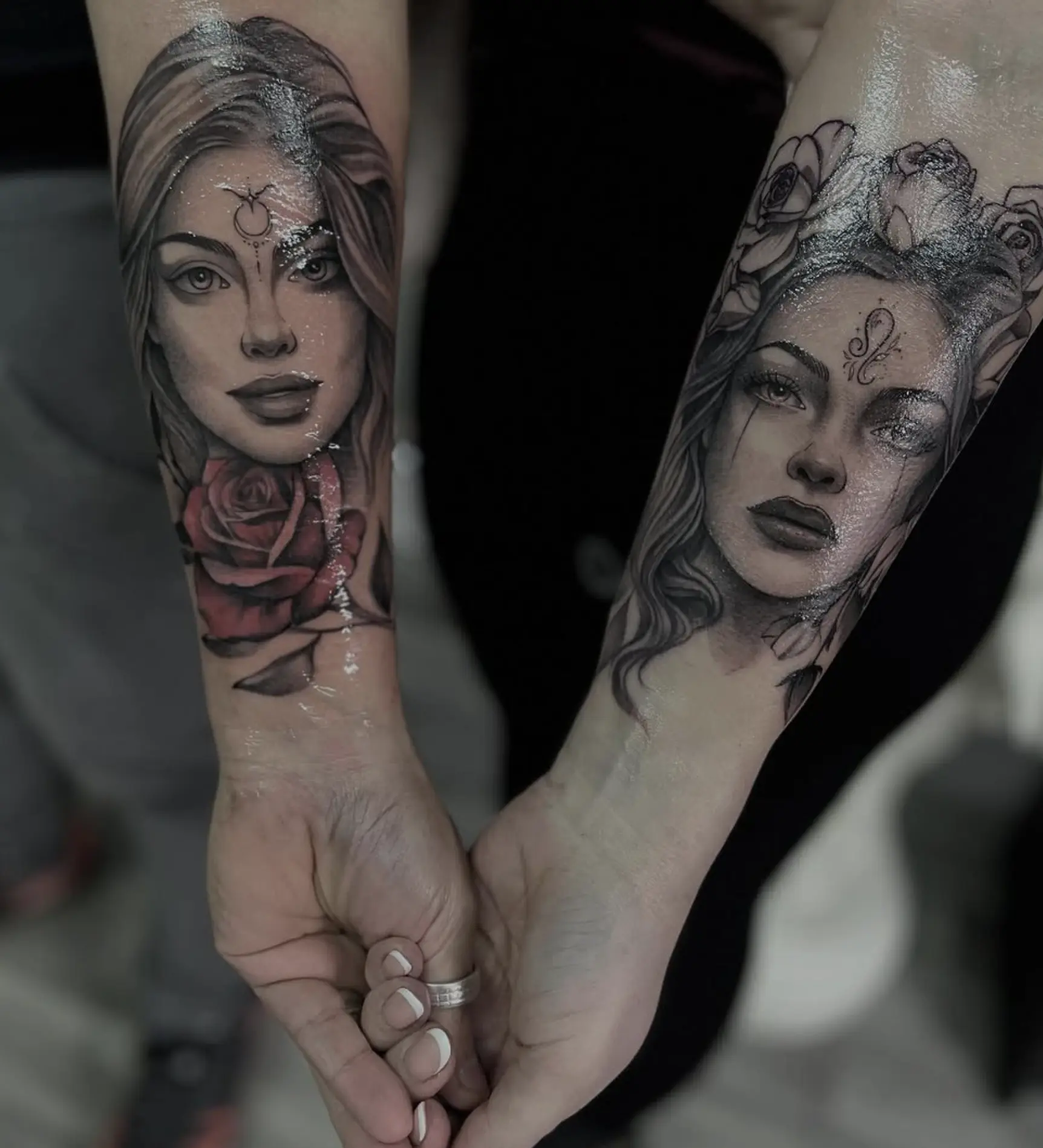
So now, when we have a new client, we show them some real photos of what the healing process looks like – because seeing it for themselves really helps them understand what’s going to happen and trust the process.
Real Studio Insight
We’ve seen some pretty interesting results from our clients over the years – one woman applied Vitamin C serum and lip gloss just three days after getting her lip blushing treatment and ended up with a faded, uneven area because it had over-exfoliated – and it didn’t just happen to her! Another client used petroleum jelly on their powder brow in the summer and ended up with clogged pores and some of the pigment lifting off the skin. We had to go in and sort out the mess, and both of them learned the hard way just how important it is to pay attention to what they’re putting on their skin.
So now, when we have a new client, we show them some real photos of what the healing process looks like – because seeing it for themselves really helps them understand what’s going to happen and trust the process.
Week
What You’ll See
What To Do (And Not Do)
Week 1
Tenderness, swelling, minor oozing
Gently blot with water wipes or saline water; apply healing balm sparingly; avoid fake tan and numbing cream
Week 2
Light flaking or scabbing
Don’t pick or scrub; continue using the approved aftercare ointment
Week 3
Skin looks lighter (“ghost phase”)
No chemical peels or Vitamin C; let pigment resurface naturally
Week 4–6
Final pigment settles
Resume CTM aftercare instructions; avoid glycolic acid or peels until touch-up session
artist
Since 2016 of expertise in the professional tattooing industry, Anastasia is a certified and licensed beauty cosmetic tattooing specialist. She has all the necessary licenses and qualifications for permanent makeup in Europe and Australia.
We wouldn’t recommend it. Bepanthen’s got lanolin and is really rich – and in our Brisbane climate, that can be a bit too much. Instead, choose an aftercare ointment that’s made especially for cosmetic tattooing – it’ll be lighter and easier to use.
No, not during the healing process. Try to avoid UV exposure for at least two weeks, and once you’re all healed up, make sure you’re wearing some sunscreen. Sun exposure is pretty much the number one thing to worry about when it comes to fading.
Oh no – that’s pretty common, but it’s totally manageable. Just apply the prescribed anti-viral medication and keep the area clean. And prevention is the best medicine – so talk to your artist about getting some medication before your session if you’re prone to cold sores.
Let your artist know before your session – these sorts of things can affect bleeding and pigment retention. And if you’re on something like that, you might need to stop or adjust your dosage under medical guidance.