What climate is best for your skin? The short version is that there isn’t a single perfect climate out there for everyone – it really depends on your skin type, how strong your skin barrier is, your age, the environment you live in and how well your skincare routine can handle temperature fluctuations and humidity levels.
That being said, places with moderate humidity, consistent temperatures, limited UV exposure and low pollution levels seem to be the most consistently linked to healthier, more youthful-looking skin and fewer skin problems – especially in sunny Australia.
So if you’ve ever wondered why your skin looks a million bucks on holiday but reactive as all get out at home, it’s probably because you haven’t figured out how the climate is affecting it. Seasonal changes, UV radiation, humidity shifts, and air conditioning significantly affect oil production, hydration, inflammation, and how your skin responds to pigments.
In our Brisbane studio, we see it all the time – from dry skin getting all ratty in winter’s air-con to that lovely summer humidity triggering congestion and delayed healing. Skincare routines that factor in climate aren’t just trendy – they’re a total game-changer.
Table of Contents
Why Conditions Matter More Than You Think
Your skin is pretty quick to respond to changes in temperature, UV rays, infrared radiation, wind and pollution. And if your skin barrier is already compromised, things can get all out of whack pretty fast – you get more water loss, more inflammation, and your treatments just aren’t doing the trick.
Climate can affect your skin in all sorts of ways:
Transepidermal water loss (TEWL)
Melanin production and how likely you are to get pigmentation problems
Sebum activity, especially when it’s humid
How quickly your skin heals after a treatment
How much UV damage you get, even if you don’t get sunburn
Clinical data show that TEWL increases significantly in dry climates. At the same time, higher humidity can increase oil production by up to 10-15%, which is beneficial if you’re prone to breakouts (International Journal of Cosmetic Science).
Dry Conditions: Calm Air, Thirsty Skin
Dry climates like deserts, mountain regions and those air-conditioned offices we all love so much just suck the moisture out of your skin barrier. We see it a lot in Brisbane, even in the middle of summer when it’s humid outside.
Who Struggles Most In Dry Conditions?
People with dry or mature skin
Clients with atopic dermatitis (which is a real pain)
Post-treatment skin
Skin that’s been over-exfoliated using glycolic acid too often
What We See Clinically
Skin feels tight after washing
Makeup separating (which is just a pain to deal with)
Pigment fading faster than you’d like
Increased sensitivity during seasonal changes
What Helps
Using cream or balm cleansers
Hyaluronic Acid serums to lock in moisture
Apply an occlusive to keep it sealed in
A humidifier at night would be a great idea, too
Dry air is a sneaky skin-ager, especially when you throw in a bit of UV exposure.
Humidity: Brisbane’s Love–Hate Relationship
Brisbane’s subtropical climate is a potent mix of heat and humidity and a whole lot of sun – great for keeping skin hydrated and plump, as long as you get it right.
The Upside
Your skin does a great job of locking in moisture
You tend to get fewer wrinkles
Wounds heal up fast if you’re good about following aftercare
The Downside
Your skin gets congested and clogged
Heavy products can bring on breakouts
If you’re not careful with aftercare, your skin colour can shift, and you might end up with heat damage from not protecting yourself from the sun
In summer, we simplify our skincare routines to survive the heat: non-comedogenic moisturisers that aren’t too greasy and won’t clog pores, lighter textures so your skin isn’t overwhelmed, and a broad-spectrum sunblock with SPF 30+ every day.
Cold Conditions: Tight, Reactive, And Inflamed
Cold weather isn’t great for circulation or oil production. Your skin may look fine, but underneath it’s sensitised and prone to irritation, especially when you put on makeup.
Typical Cold-Climate Issues
Your skin becomes redder, and the blood vessels get more fragile
You get flakes around your nose
Healing from a treatment or procedure takes ages
You’re more likely to rely on harsh exfoliants such as salicylic acid, which can further dry your skin
Cold climates can make your skin feel dehydrated, but it’s quietly taking a beating.
Sunny Conditions: Collagen’s Frenemy
Australia experiences some of the most extreme sun exposure on the planet, and UV damage accumulates, even on cloudy days. The sun’s rays keep on coming and penetrating the skin – even on cloudy days.
Clinically Observed Effects
Your skin gets darker faster
You’ve got a higher risk of getting hyperpigmentation
Your risk of skin cancer goes up
Your skin gets thicker and more uneven over time
The Cancer Council says that broad-spectrum sunscreen with SPF 30 or higher is essential in Australia, year-round – it’s not optional, it’s not seasonal.
Pollution, Wind, And Allergens: The Hidden Triggers
Pollution increases oxidative stress, and city air can strip your skin of moisture. But it’s not just outdoors that’s a problem – dust mites in your home, stale air, and dryness can all wreak havoc on sensitive and eczema-prone skin.
Look out for this:
Your skin gets dull and stays dull
Your skin flushes easily and gets reactive
Healing from treatments takes ages
Antioxidants, especially vitamins A, C, and E, are key to helping your skin become more resilient in these environments.
How Location Impacts Your Skin
Skin Type
Most Supportive Climate
Why
Dry / Mature
Mild, moderately humid
Reduces TEWL
Oily / Acne-prone
Temperate, low pollution
Less oil stimulation
Sensitive / Rosacea
Stable temperatures
Reduced inflammation
Pigmentation-prone
Low UV exposure
Less melanin stimulation
Post-treatment skin
Controlled humidity
Predictable healing
A Mediterranean climate is often considered ideal due to its balanced humidity and sun exposure, but adaptation matters more than location.
What Truly Affects Tattoo Results
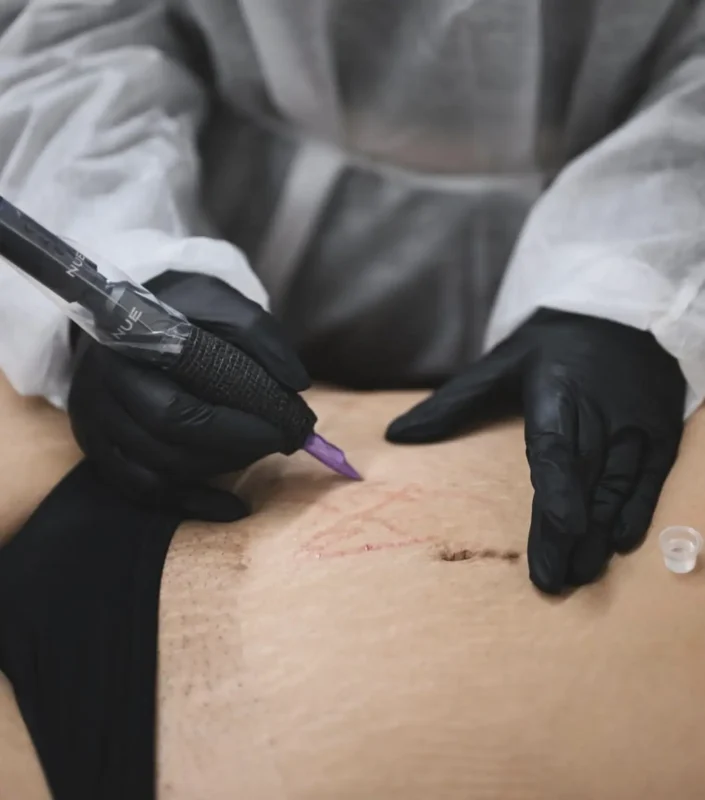
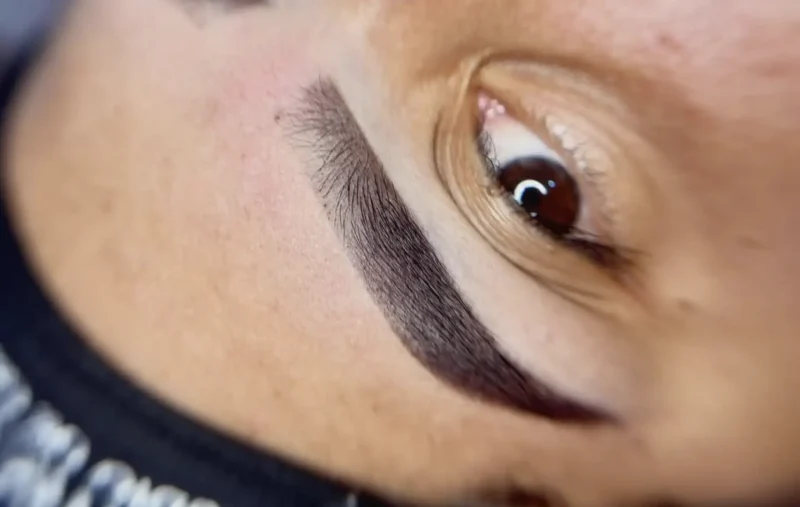
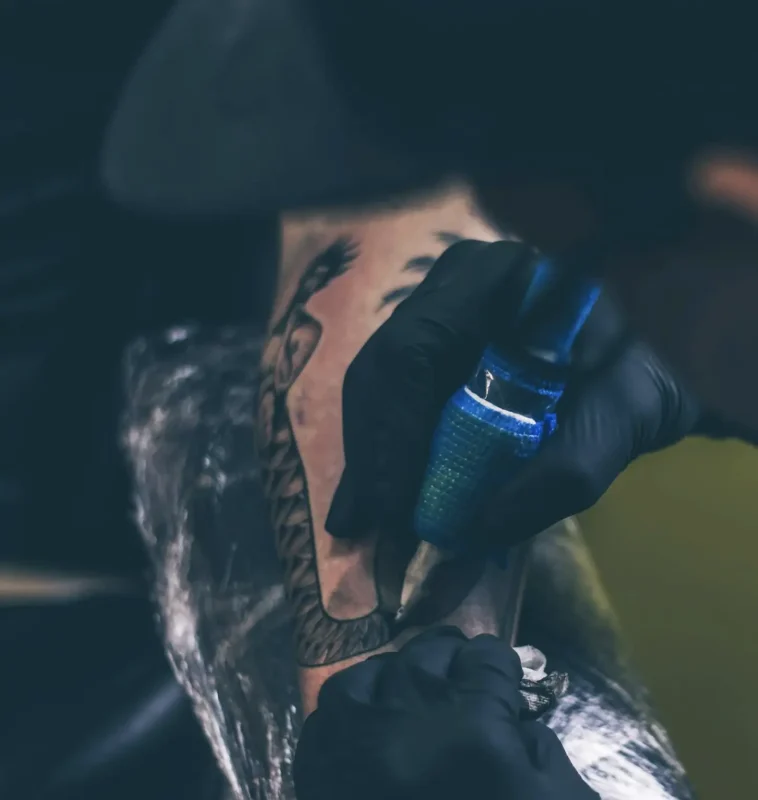
Climate has a significant impact on the way your skin behaves – swelling, lymph flow, scabbing and how well our cosmetic tattoo ink settles. In Brisbane, we factor in that hot weather causes:
Inflammation that’s just going to get in the way
Humidity that makes scabs super soft – and not in a good way
The absolute risk of sun exposure while your skin is still healing
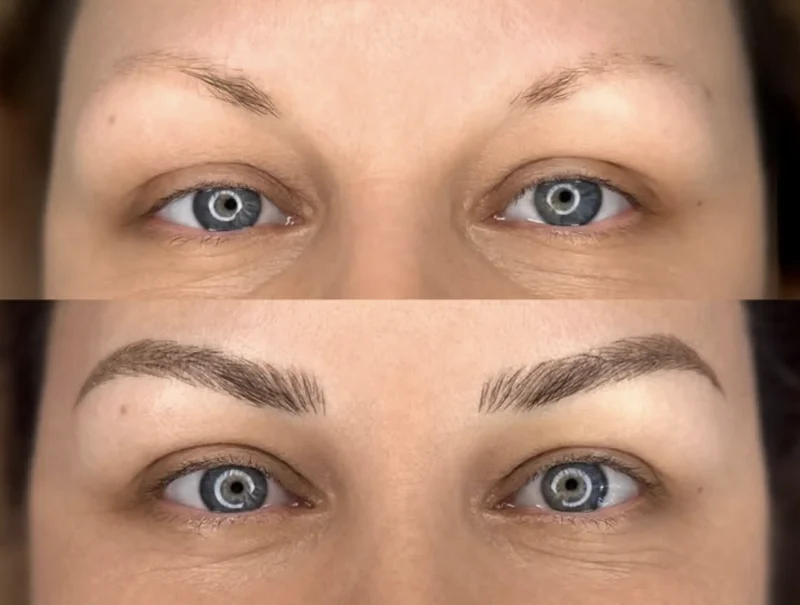
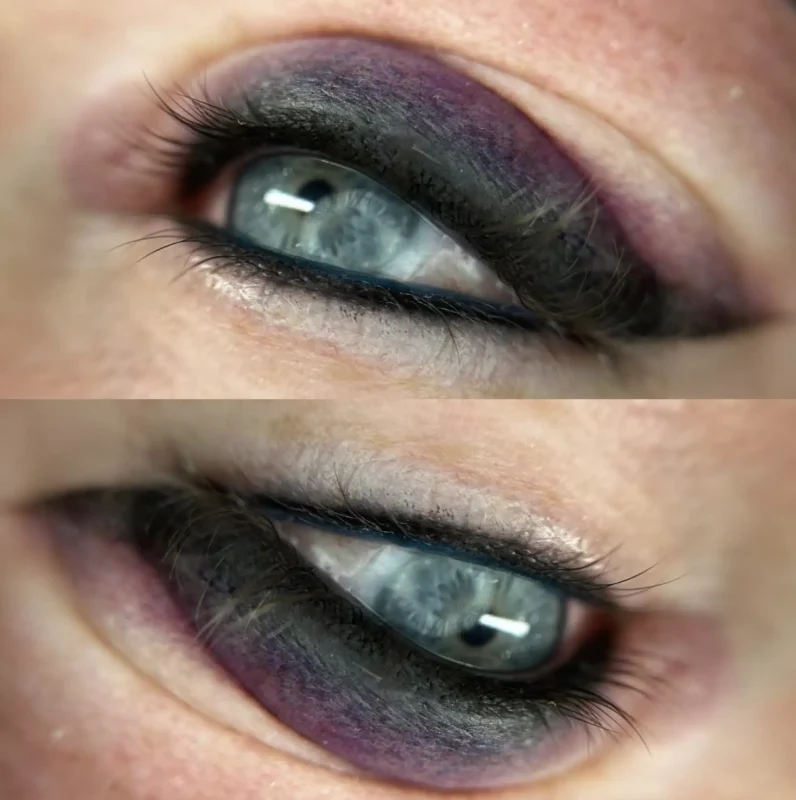
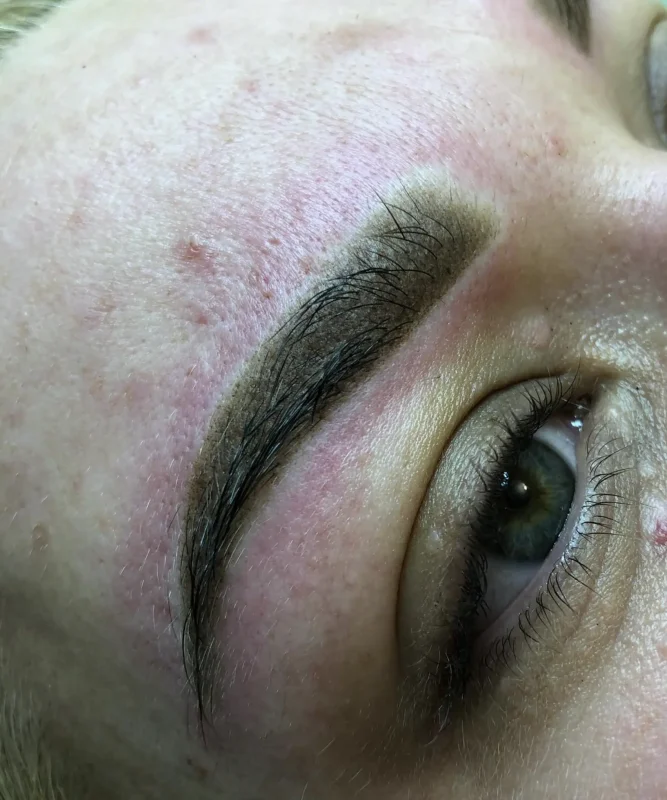
Our tattoo procedures are planned with the Brisbane climate right at the forefront – from brow and lip tattooing all the way to doing corrective work. We adjust our techniques – needle depth, pigment density, even aftercare – to get around UV damage, keep your skin barrier in good shape and make the ink really last in high humidity and intense sun. It’s this climate-aware approach that’ll help your skin heal properly and get the results you’re after.
When Conditions Aren’t On Your Side
That’s what Climate Adaptive Skincare is all about – tweaking your habits, not trying to win a geography contest.
Practical Adjustments
Swap products up with the seasons – when the weather cools down, so should your moisturiser
Hold off on using pretty heavy acids when it’s hot outside
Use a facial mist to give your skin a bit of a helping hand (unless you’re already hydrated – then stop)
Protect yourself from the sun every single day, no excuses!
Eat foods that’ll help keep your skin hydrated from the inside out
Your skincare routine should change with the season – that doesn’t mean you have to change your entire product line.
Myths We Still Need To Retire
You don’t need to hydrate your skin if it’s oily: not true
Dry climates clear acne quicker: maybe initially, but then it just comes back
Humidity causes wrinkles: UV radiation is the real culprit
Your skin type is fixed and unchangeable: wrong – climate has a lot to say about this
Final Thoughts — And Real Talk
The best climate for your skin is the one you actually get and can work with – and that’s a climate that you respect and understand. You can’t control the weather, but you can take steps to protect your skin from sun damage, manage hydration, and avoid over-aggressiveness in your skincare routine.
In Brisbane, we don’t fight the climate – we work with it. That’s how we keep our collagen, tattoo ink, and skin looking healthy over the long term.
artist
With professional experience since 2016, Anastasia brings deep industry knowledge of how climate and environmental factors affect the skin, particularly when it comes to brow and fine line tattoos. Her internationally recognised training and licensing in Europe and Australia allow her to tailor pigment choice, technique, and aftercare to different skin behaviours, helping achieve more stable, long-lasting brow tattoo results in varying climates.
Yes – as long as the tattoo artist is experienced, takes all the proper precautions for hygiene and gets you to avoid the sun while your skin is healing.