If you’ve ever found yourself scratching your head, wondering why one product just can’t seem to deliver the goods while another feels like a boatload of expensive water, then this is the guide for you. And don’t worry – we’ll keep it 100% real. Because let’s face it, skin deserves honesty over hype.

You know, those amazing Skincare Products that actually change your skin – fade those pesky freckles, iron out fine lines, and give you silky smooth skin in the process? Those powerhouses rely on Active ingredients that penetrate deeply and target your skin cells at the cellular level. Then there are the rest – the ones that just hydrate, soothe, emulsify, stabilise or support your skin microbiome – and these are the passive ingredients.
Here’s the upshot: Active ingredients are the ones that actually create change – they go in there and really get to work on your skin. The active ingredients, on the other hand, modify the conditions around them by protecting the outer layer (the stratum corneum) and generally ensure the product does what it’s intended to do. When you get them working together in harmony, your skincare routine really starts to deliver. And when you don’t? Well, you guessed it: breakouts, irritation, wasted money – it’s not pretty.
And let’s face it, people often expect miracles from their skincare products, especially in a place like Brisbane where the humidity swings wildly between ‘ oh, I’m a dewy goddess‘ and ‘I think I’ve melted all the way down to my skin‘. But the thing is, the active ingredients that really deliver are the ones backed by solid science, not just claims made by a marketing guru. Many rely on advanced delivery systems, innovative formulation strategies, and even penetration enhancers to safely deliver active ingredients into the deeper layers of your skin.
Below are the top active ingredients I recommend for your skincare routine to elevate your results.
A brightening superstar that really helps support collagen production, reduces pigmentation and generally helps to keep your skin safe from all the nasties in the environment – especially useful here in the Queensland sun, where UV rays come out to play.


Retinol, Retinal, Tretinoin – this lot’s the crème de la crème of skincare for anyone looking after their skin. Reliable, effective, and backed by solid science, they improve skin texture, support healthy skin cells, and generally boost cell turnover. But, fair warning: it’s a bit of a beast, so you need to handle it with care.
Lactic Acid, Glycolic Acid, Salicylic Acid – these chemical exfoliants are a skincare game-changer. They lift the dead cells, smooth out your skin texture, and help get your skin in a healthy balance – think lactic acid for some gentle resurfacing, glycolic acid for a glowing complexion and salicylic acid for anyone with breakouts.
The one-stop shop for anyone looking to reduce redness, improve skin health and really get their skin barrier back in order. Plus, it pairs beautifully with other activities, which is always a bonus.
These clever ingredients support skin repair, regeneration, and cell signalling, and are often used in advanced skincare and regenerative medicine formulas.
Passive ingredients – the ones everyone’s always dismissing as “filler” stuff- get a bad rap, but let’s be honest, they’re actually the key to a safe skincare routine. Without them, the actives would just cause a whole lot of problems – they’d either burn the skin, destabilise, oxidise, or feel just plain awful on your skin. They’re the ones who keep the skin barrier intact, lend support to the stratum corneum, and make sure those actives actually behave as they’re meant to.
These products don’t change how your skin works, but they create an environment where the actives can shine.
Common Types of Passive Ingredients:
Think of them as the support crew — essential, hardworking, and criminally underrated.
| Feature | Active Ingredients | Passive Ingredients |
|---|---|---|
| Primary Role | Change the skin at a cellular level | Support, hydrate, stabilise formulas |
| Examples | Retinol, Vitamin C, AHAs, BHAs, peptides | Ceramides, humectants, emollients |
| Works On | Skin cells, pigment, and collagen production | Comfort, barrier protection |
| Tech | Encapsulation, penetration enhancers | Lipids, delivery buffers |
| Risks | Irritation, sensitivity | Low risk unless allergic |
| Best For | Targeted concerns | Supporting actives |
Relevant stat:
A 2022 dermatology review found that more than 60% of irritation from active products is due to incorrect layering or insufficient passive support. This is why so many Brisbane clients come in thinking they’re “reactive” when, in reality, they’re just missing barrier support.

A routine is essentially a recipe – every step counts, and every part has its own role. Many clients come to us with multiple high-strength actives, no buffer or structure, and no understanding of synergy. Here’s the way we teach it:
Your cleanser should ideally match your skin type:
No more piling on retinol, vitamin C, AHAs and a peel pad all in one go. Your skin barrier needs a bit of breathing space. A more realistic approach might look like this:
Pair your activities with some soothing buffers:
If even your regular products are stinging, that’s a sign that your stratum corneum has been compromised. Time for a routine rethink, not piling on even more activities.


This lady had been convinced that her melasma was way beyond repair – and she was using this crazy combo of an oxidised vitamin C serum, over-the-top exfoliation, and a bog standard moisturiser that barely did a thing for her skin barrier.
But we worked some magic and reworked her routine using smarter actives, better pairings, and much more support for that poor skin barrier… and before long, her skin started to transform in a really positive way.
Case studies like this show how much of a difference good skincare formulation choices and the right pairings can make.
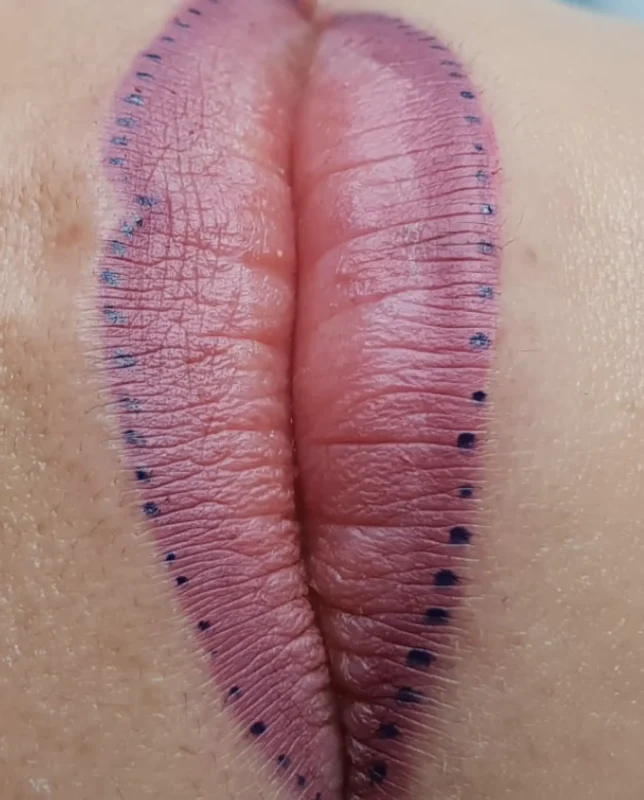
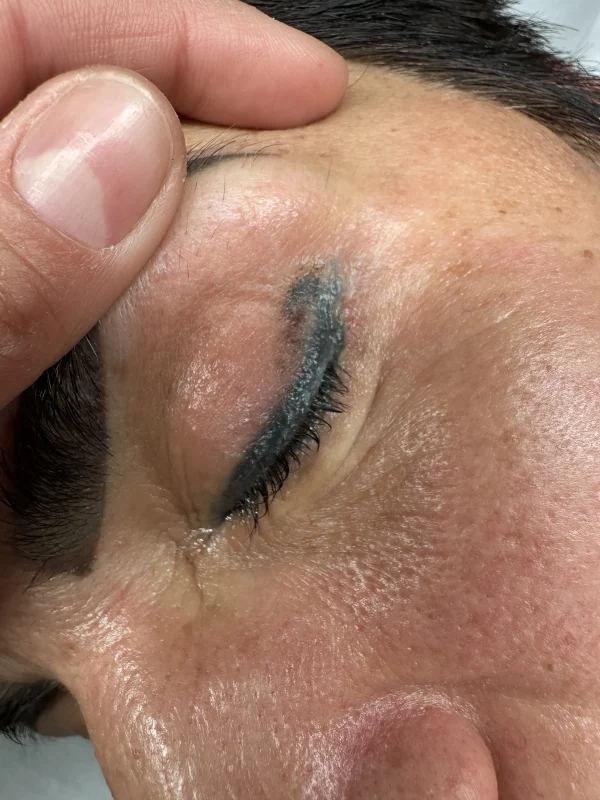
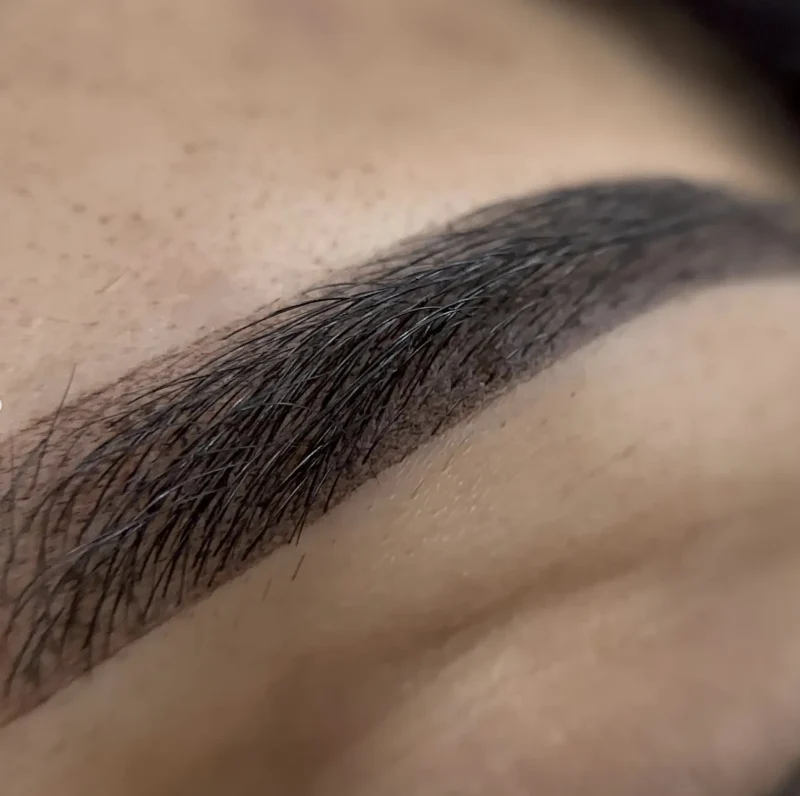
And much like we do when we’re fixing up faded or over-saturated brow tattoos at our Cosmetic Tattoo Studio, Brisbane Face Figurati. – The key to good results is always going to be a thoughtful, evidence-based approach, whether we’re working with pigment or skin itself.

You’re not alone if you’ve overdone it with the exfoliant, doubled up on actives, or just plain irritated your skin barrier. More often than not, these mistakes come from misunderstanding just how potent certain ingredients can be – especially when you layer them up.
Vitamin C + AHAs + retinol? That’s a recipe for disaster for most skin types.
Fix: Alternate nights. Use some passive support to help it all out. And for goodness’ sake, learn about penetration enhancers, or you’ll end up overpowering the skin.
Newsflash: it’s not the strength of the ingredient, it’s the strategy of the formulation.
Fix: Focus on formulation strategies rather than obsessing over active ingredient percentages.
Wrong. Irritation is inflammation, and it will slow your progress to a crawl.
Fix: Protect that stratum corneum. Honour the skin barrier.
If there’s one thing you take away from all this, let it be this: Actives drive change; passives protect your skin while it changes. When balance is achieved, your skin actually thrives.
If you’d like a skincare routine tailored to your skin type, the Brisbane climate, or your goals, then fire away – I’m here to help.

With professional cosmetic tattooing experience since 2016, Uliana is a fully certified and licensed specialist, holding all required qualifications for permanent makeup in both Europe and Australia. Her expertise ensures treatments that are safe, informed, and aligned with advanced skin and pigment knowledge.
Absolutely. They keep your actives stable, improve absorption, and support that all-important skin barrier.
Yeah, you can – but do it with a plan. Just make sure you understand what each does at a cellular level and use some passives to smooth out the ride.
It could be that your barrier is a bit wonky, or your product is using strong delivery systems that are just burning your skin.
Good bioidentical peptides and safe growth factors can support repair, but quality can vary. Choose a reputable brand that knows its stuff and has some evidence-based skincare to back it up.
Actives can take 4-12 weeks to take effect, depending on the active, the delivery system, and your skin condition.