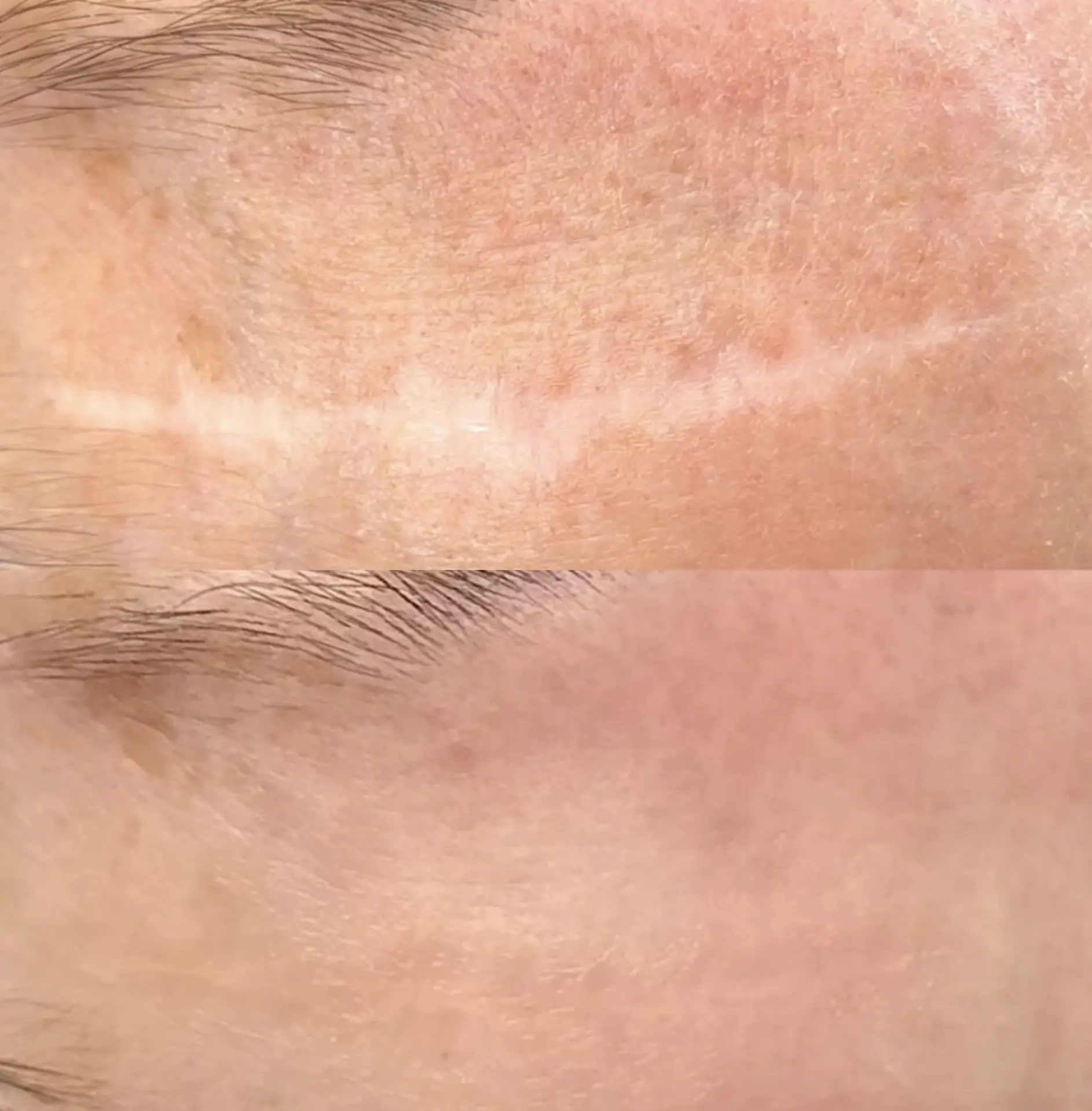
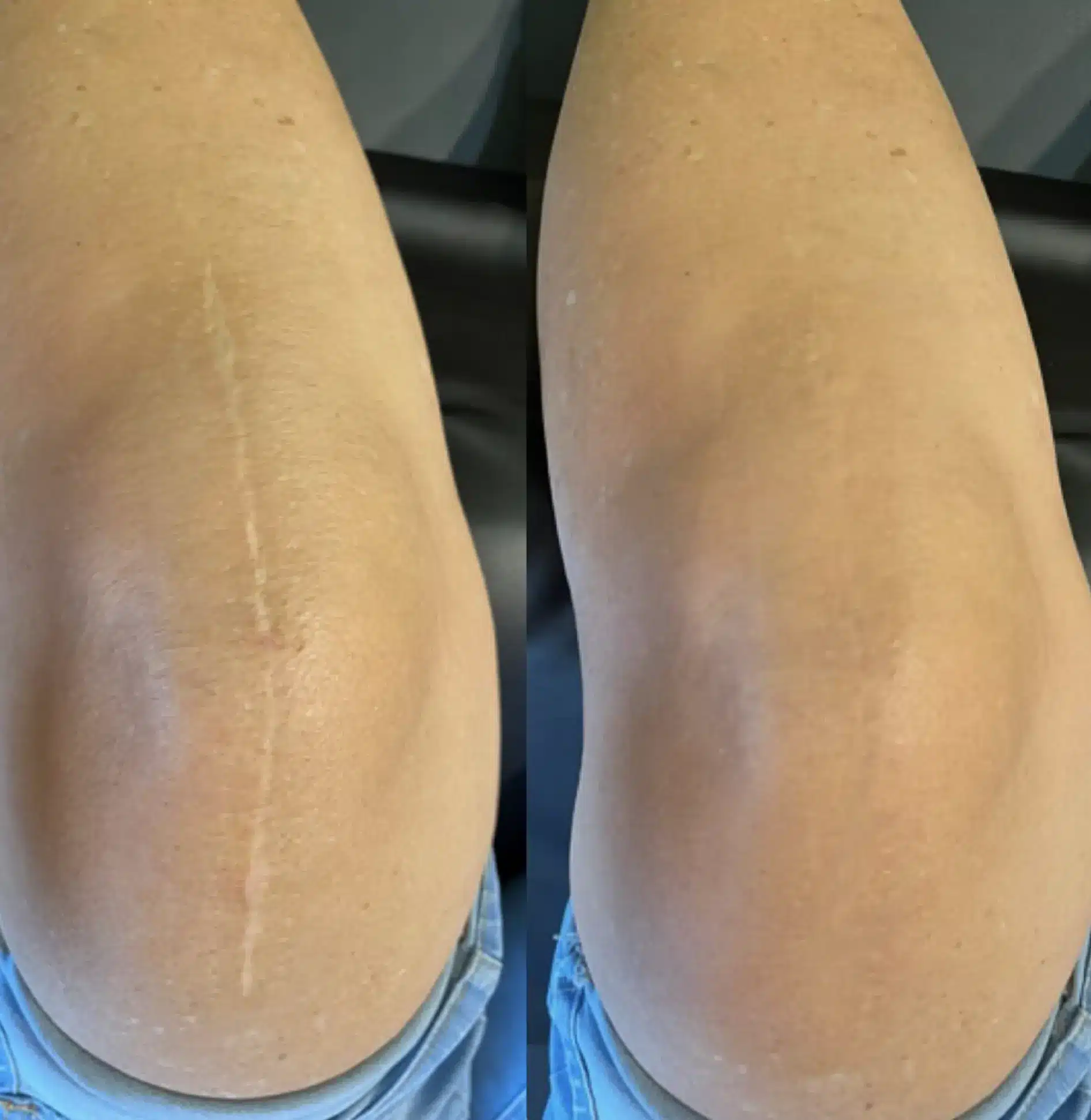
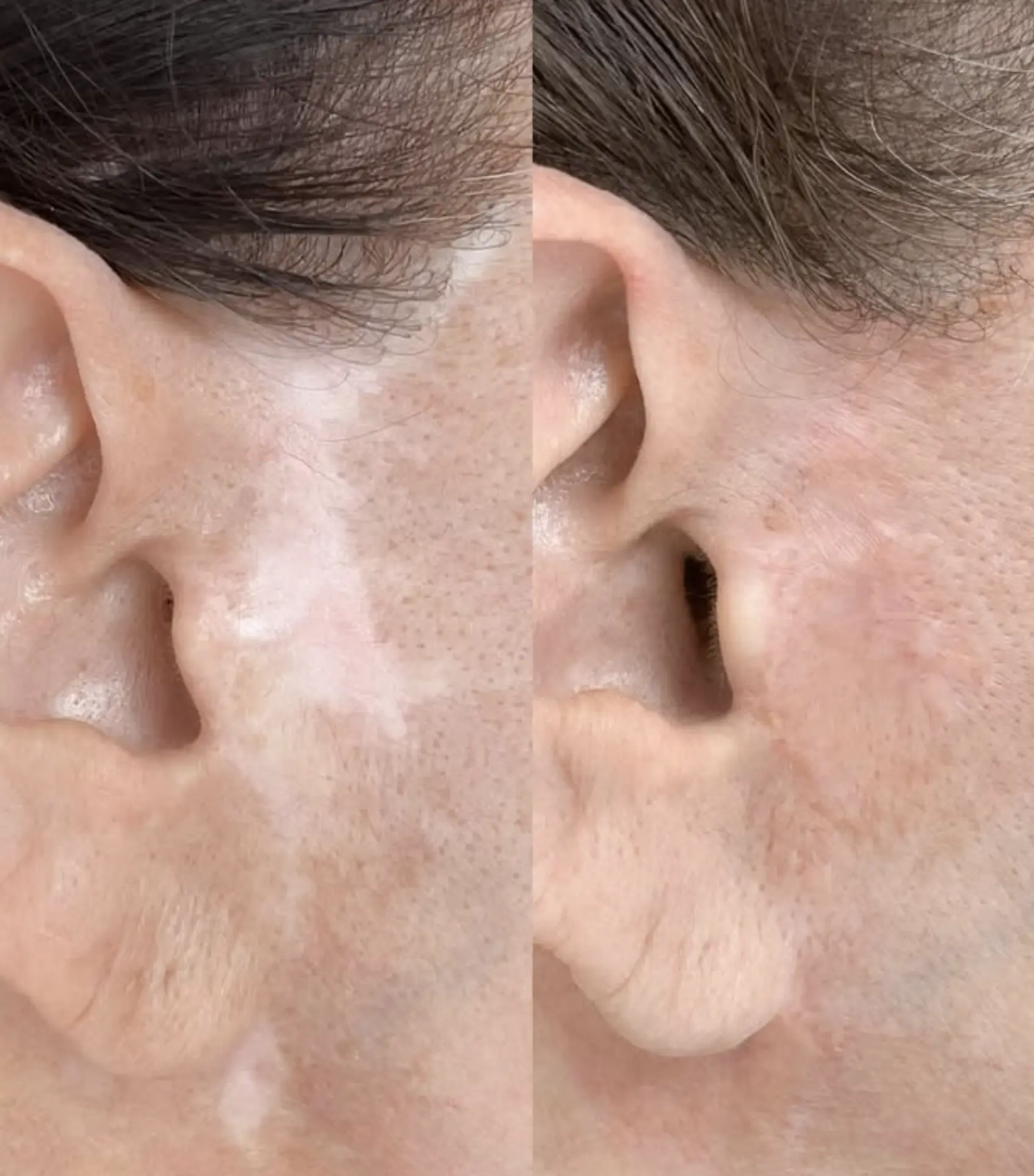
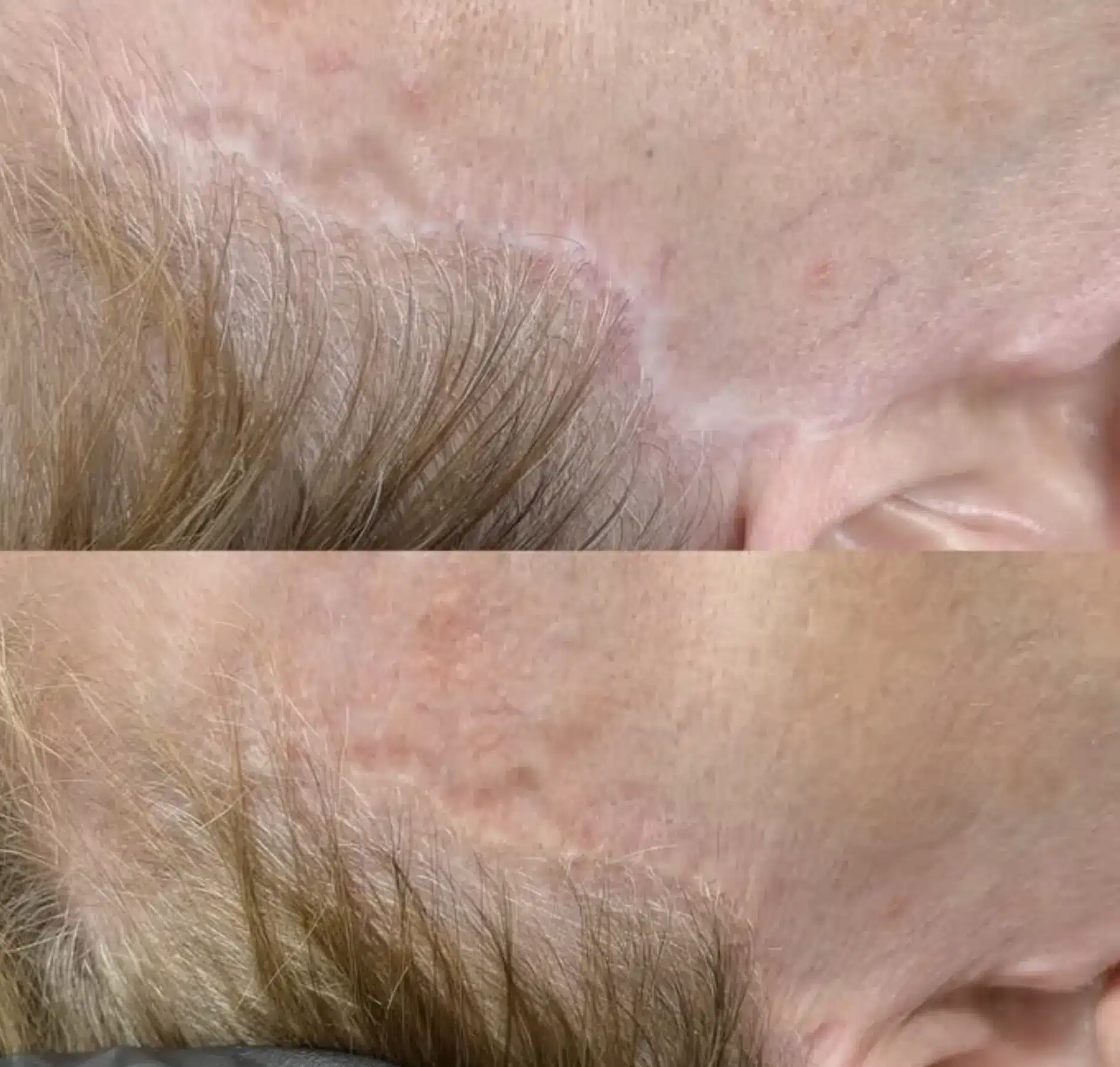
Scar Tattoo Camouflage is one of those treatments that people stumble upon and think: “Hang on, why didn’t anyone tell me this existed sooner?” For years, we’ve seen clients in our Cosmetic Tattoo Studio Brisbane, Face Figurati, carrying not just scar tissue but also the emotional weight that comes with it. Whether it’s burn scars, surgical scars or skin discolouration from old acne, paramedical tattooing offers a way to blend those marks back into the skin tone.
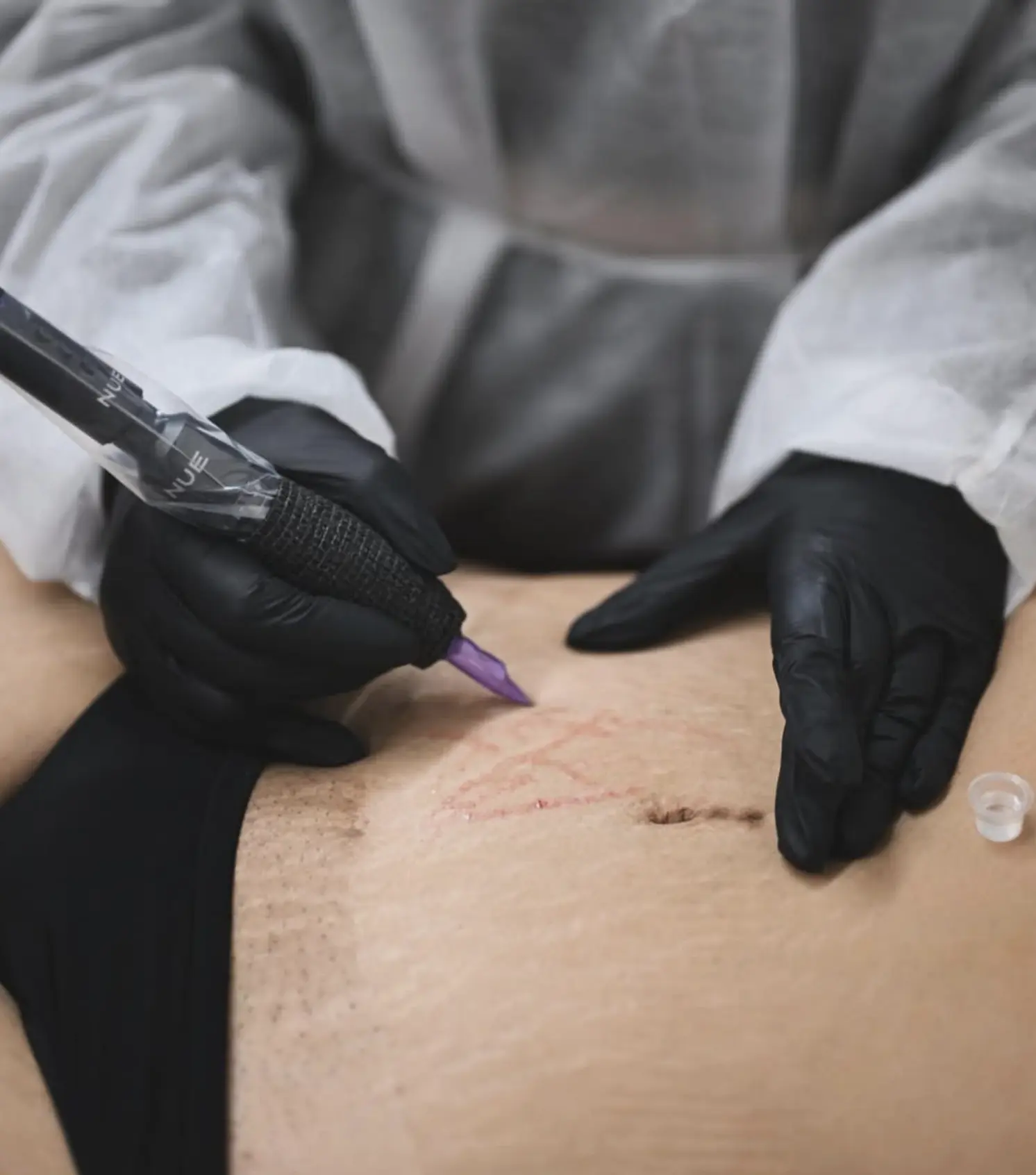
A Scar Camouflage Tattoo — also known as a paramedical tattoo — is a micropigmentation treatment where tattoo machines (electronic devices designed for skin procedures) implant medical pigments into scar tissue. These pigments are chosen to match your natural skin tone and help disguise the colour differences caused by skin trauma.
Unlike regular tattoos, this isn’t about linework or shading. It’s about softening skin irregularities, camouflaging hyperpigmented scar tissue and evening out areas where scar tissues stand out against surrounding skin.
Table of Contents
Benefits
Why do people choose scar camouflage tattooing? Because the benefits are more than skin-deep.
Improves appearance – Blends scars, stretch marks, or burn scars into natural skin tone.
Boosts confidence – Clients often say they feel free to show their skin again.
Customised approach – Pigments are mixed for your unique skin type and undertone.
Long-lasting solution – Unlike makeup, pigment doesn’t wash off in Brisbane’s humidity.
Studio story: One client with old surgical scars across her abdomen told us she finally wore a bikini on the Sunshine Coast again after treatment — something she hadn’t done in 15 years.
Medical Pigments Vs Traditional Tattoo Ink
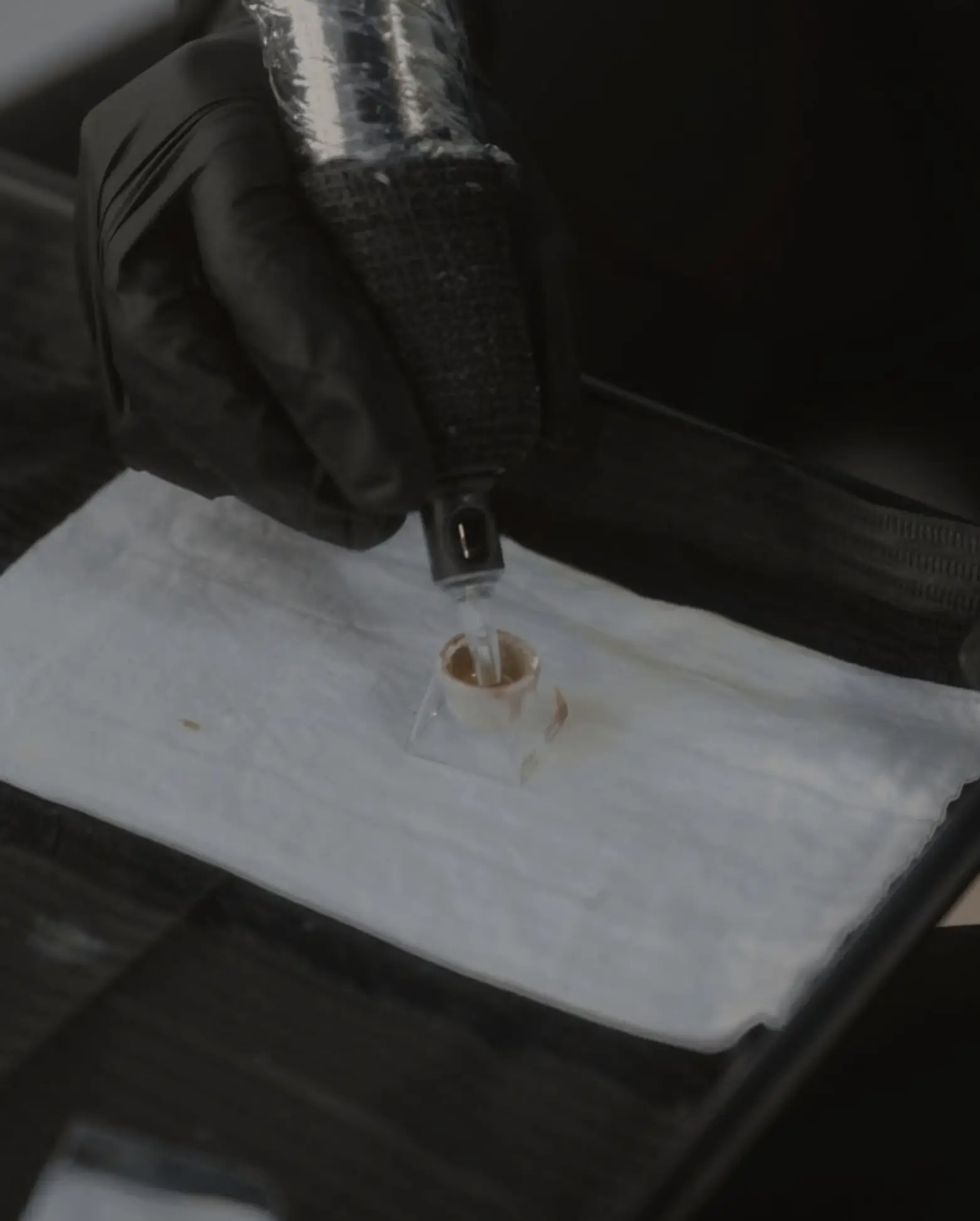
Scar camouflage uses medical pigments, not decorative tattoos. These are formulated with iron oxides and skin-shade pigments to match natural tones.
Iron oxide pigments: Stable, natural-looking, and fade slowly.
Titanium dioxide: Provides opacity but can cause ashy healing if used too much.
Hybrid pigments: Blend organic and inorganic molecules for longevity.
Tattoo artists need to consider how these pigments interact with scar tissue, as hyperpigmented or hypopigmented scars can absorb colour differently.
Techniques For Different Types Of Scars
Every scar is different. The tattoo artist’s approach depends on whether the scar is raised, flat, light, dark or stretched.
Keloid And Hypertrophic Scars
These raised scars are caused by excess collagen fibres. Tattooing hypertrophic scars or unstable keloids can sometimes trigger more scar tissue growth, so camouflage isn’t recommended unless the scar has been stable for years. Stability over time is the key consideration.
Atrophic Scars
Caused by acne or chickenpox, atrophic scars look like dents in the skin. Pigments can reduce colour contrast but don’t fix texture. Some clients combine camouflage with fractional laser or laser resurfacing to smooth skin first.
Surgical Scars
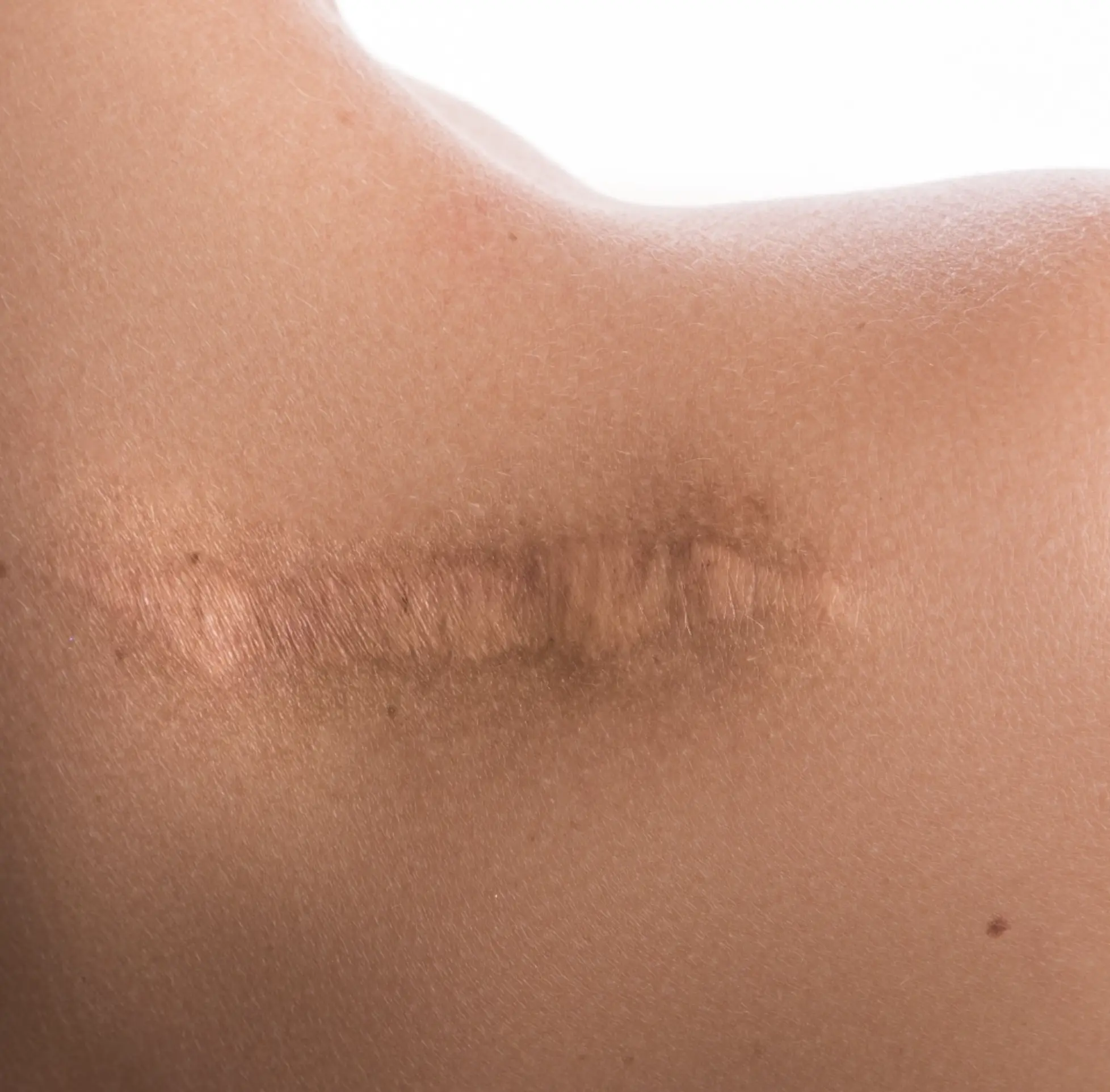
From C-sections to joint replacements, surgical scars are common. Once healed at the dermal level (usually after 12-18 months) scar camouflage helps blend the skin discolouration.
Stretch Marks
Stretch marks are technically small tears in the dermal layer of the skin. Pigments can reduce visibility, but large areas often need multiple sessions.
Burn Scars
Burn scars are complex as they often involve both colour and texture irregularities. Scar camouflage tattooing can help soften the contrast but may need to be paired with other treatments.
Who Is A Good Candidate
You may be a good candidate for scar camouflage if:
Your scar tissue is at least 12–18 months old and fully healed.
The scar is lighter or darker than the surrounding skin.
You understand that only the colour can be blended — raised or sunken textures will remain.
You don’t have active skin trauma, infections or unstable hypertrophic scars.
A good candidate also comes with realistic expectations. We’re always honest in consultations: scar camouflage isn’t about erasing, it’s about blending. The goal is for your scar to be less noticeable, not invisible.
Contraindications
Scar camouflage tattooing should be avoided or postponed if you:
Are pregnant or breastfeeding.
Have active skin conditions (eczema, psoriasis, dermatitis) on the scar area.
Are prone to keloid scars or your scar tissue is still unstable.
Take blood-thinning medication that may affect healing.
Have uncontrolled autoimmune conditions that compromise recovery.
Your health history always matters. In fact, a consultation is just as much about ruling out risks as it is about planning treatment. If you’re unsure whether you’re a candidate, we’ll often ask for clearance from your GP or specialist before proceeding.
Preparation
Proper prep is half the result. Here’s what we advise in our Brisbane studio:
Avoid alcohol, aspirin and blood thinners for 24 hours before your appointment.
Don’t tan — pigments are matched to your natural skin tone, not a temporary tan.
Stop using retinol, AHAs or strong exfoliants on the scar for at least a week.
Eat a good meal and stay hydrated before your session.
Request a patch test if you have sensitive skin or pigment allergies.
We also recommend bringing along any questions, photos of how your scar has changed over time, or even skincare products you use regularly. The more we know about your skin, the more we can tailor your treatment.
Patch Testing And Colour Correction
We always do a patch test before full sessions. Scar tissues can behave unpredictably, and pigment can sometimes heal differently from the initial colour. By testing a small area, we can predict long-term results.
Sometimes we need to layer pigments gradually — starting with a base colour to neutralise discolouration (e.g. adding warmth to a cool-toned scar) before layering in the final skin shade.
Procedure
A typical scar camouflage session involves:
Consultation & patch test We review your scar tissue, skin type and do patch tests with different medical pigments. This is for safety and accuracy.
Colour matching We use skin-shade pigments to blend custom formulas to your undertones. A client with olive skin needs different ratios than someone with porcelain or deeper tones.
Skin preparation The scar area is cleaned thoroughly. We apply numbing agents to reduce discomfort — especially important as scar tissue can be more sensitive.
Tattooing With a tattoo machine (an electronic device for fine line tattooing), pigment is implanted into the dermal level of the scar tissue. Depth control is key — too shallow and pigment won’t hold, too deep and it can discolour.
Blending We build up pigment in thin layers. This avoids harsh blocks of colour and mimics natural variation in surrounding skin.
Aftercare instructions Clients leave with aftercare products and guidance — from cleansing routines to sun protection.
Session length varies:
Small scars: 1–2 hours
Medium scars: 2–3 hours
Large areas (e.g. stretch marks): several sessions over months
Healing
Scar tissue heals differently from unscarred skin. Blood supply, collagen density and elasticity are altered, so recovery can be unpredictable. Here’s what we tell our clients:
Stage
What Happens
What You See
Days 1–3
Skin is inflamed and adjusting to pigment.
Redness, swelling, tenderness.
Days 4–7
The top layer of skin regenerates.
Light flaking and mild itching.
Weeks 2–3
Pigments appear lighter under fresh skin.
Scar looks faded, colour “drops.”
Weeks 6–8
Skin settles, pigment stabilises.
Final colour and blending are visible.
Aftercare
Aftercare is not optional — it’s half the treatment. Poor aftercare can ruin even the best camouflage work.
First 48 hours: Keep the area clean and dry. No makeup, creams or touching.
First 10 days: No gyms, pools, saunas or heavy sweating (bacteria + heat = risk of infection).
Healing stage: Only use recommended aftercare products. Natural oils or “DIY” remedies can shift pigment chemistry.
Long term: Always use SPF. UV exposure breaks down pigments faster and can cause uneven fading.
Risks And Side Effects
As with any cosmetic tattoo procedure, risks exist. Our job as professional tattoo artists is to minimise them through training, hygiene and client education.
Infection → if aftercare is ignored.
Allergic reaction → rare, but patch tests help detect pigment sensitivities.
Uneven healing → widespread in scar tissues, which may absorb pigment irregularly.
Pigment mismatch → if skin tone changes from tanning or strong chemical peels after treatment.
We always remind clients: healing isn’t linear. Some days, the area may look worse before it looks better. Patience pays off.
How Long Does It Last?
Scar camouflage tattoos are semi-permanent — they last for years, not forever. Most clients see results last between 3–7 years, depending on:
Skin type and collagen fibres: Oily skin and highly active collagen may push pigment out faster.
Sun exposure: High UV climates like Queensland speed up fading.
Type of scar tissue: Atrophic (sunken) scars hold pigment differently than hypertrophic (raised) scars.
Aftercare and lifestyle: Regular SPF and skin health maintenance extend results dramatically.
Think of it like hair colour — it’s not “one and done”. Over time, pigment fades gently, allowing adjustments as your skin ages or changes.
Price
Pricing varies depending on scar size and sessions required. Here’s a guide for Brisbane:
Scar Type
Sessions Needed
Cost Range (AUD)
Small surgical scar
1–2
$350–$600
Medium scar area
2–3
$600–$1,200
Large stretch marks
3–5+
$1,200–$3,000+
Stat: Australians spend $600–$900 per paramedical tattooing treatment, more for larger scar coverage.
If you’re interested in treatment, start with a consult. We’ll assess your scar tissue, skin type and do a patch test. Sometimes the best outcome comes from combining treatments like fractional laser with paramedical tattooing. Either way the goal is the same: to help you feel good in your own skin again.
artist
Since 2016 of expertise in the professional tattooing industry, Anastasia is a certified and licensed beauty cosmetic tattooing specialist. She has all the necessary licenses and qualifications for permanent makeup in Europe and Australia.