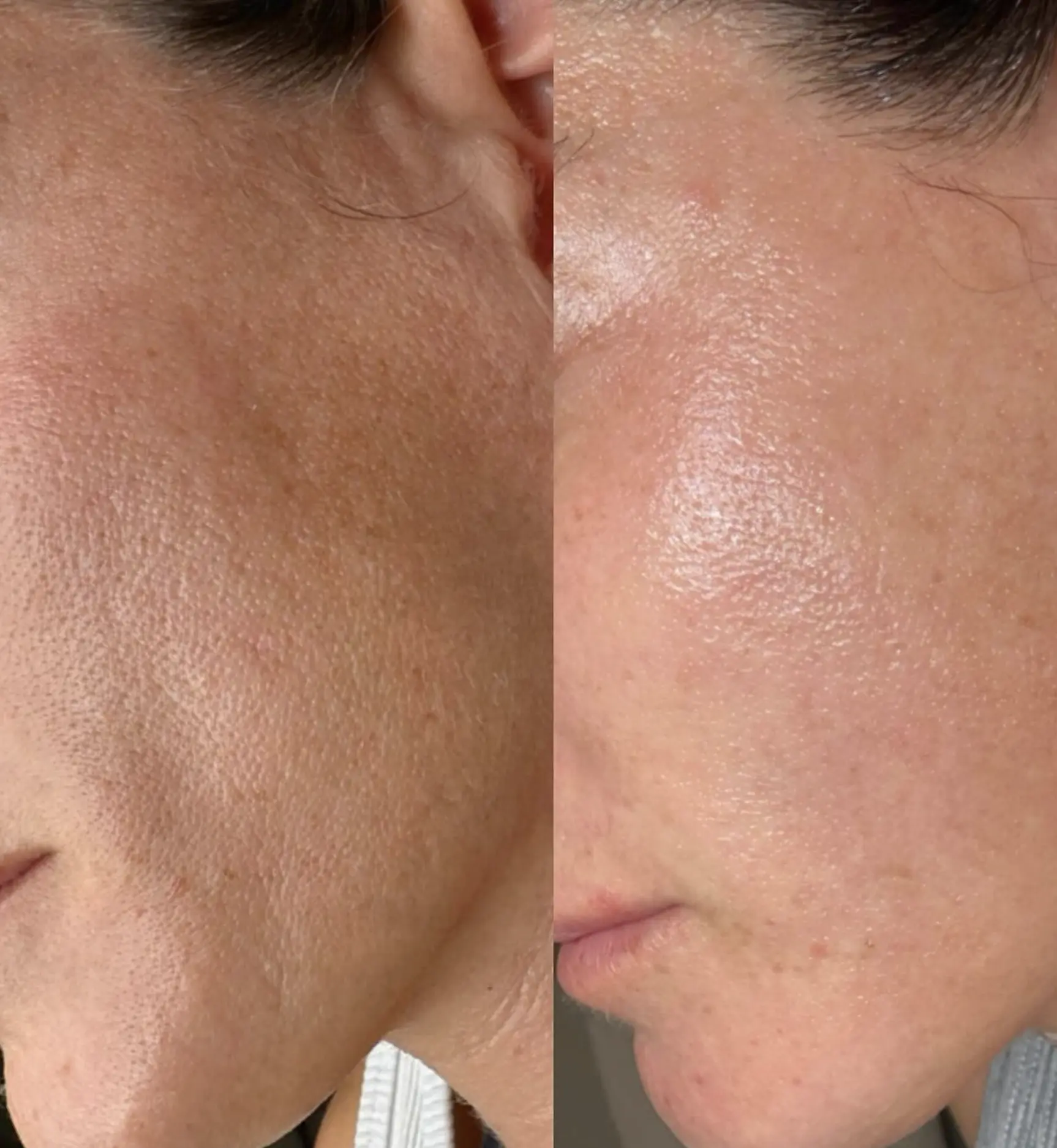
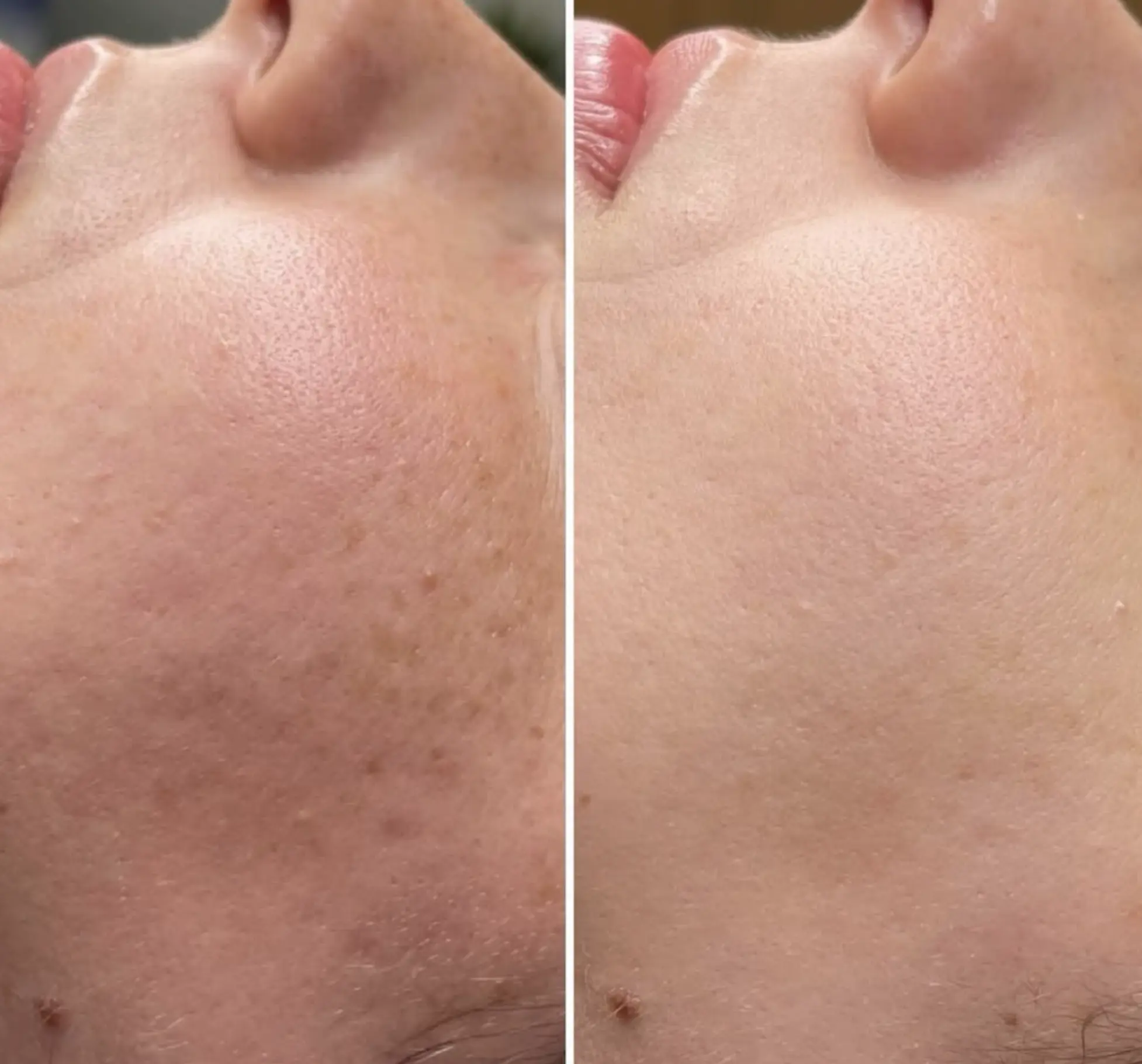
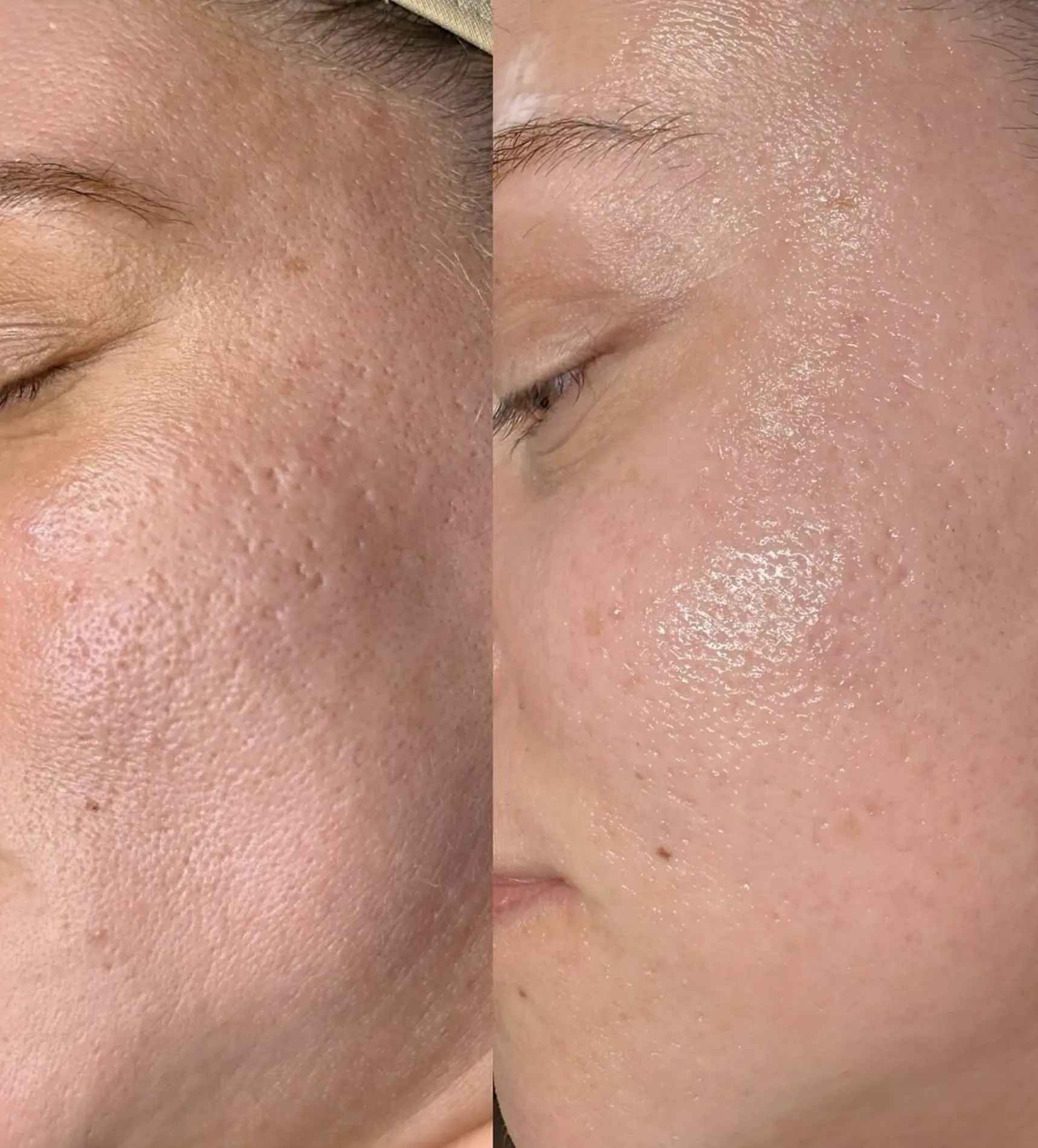
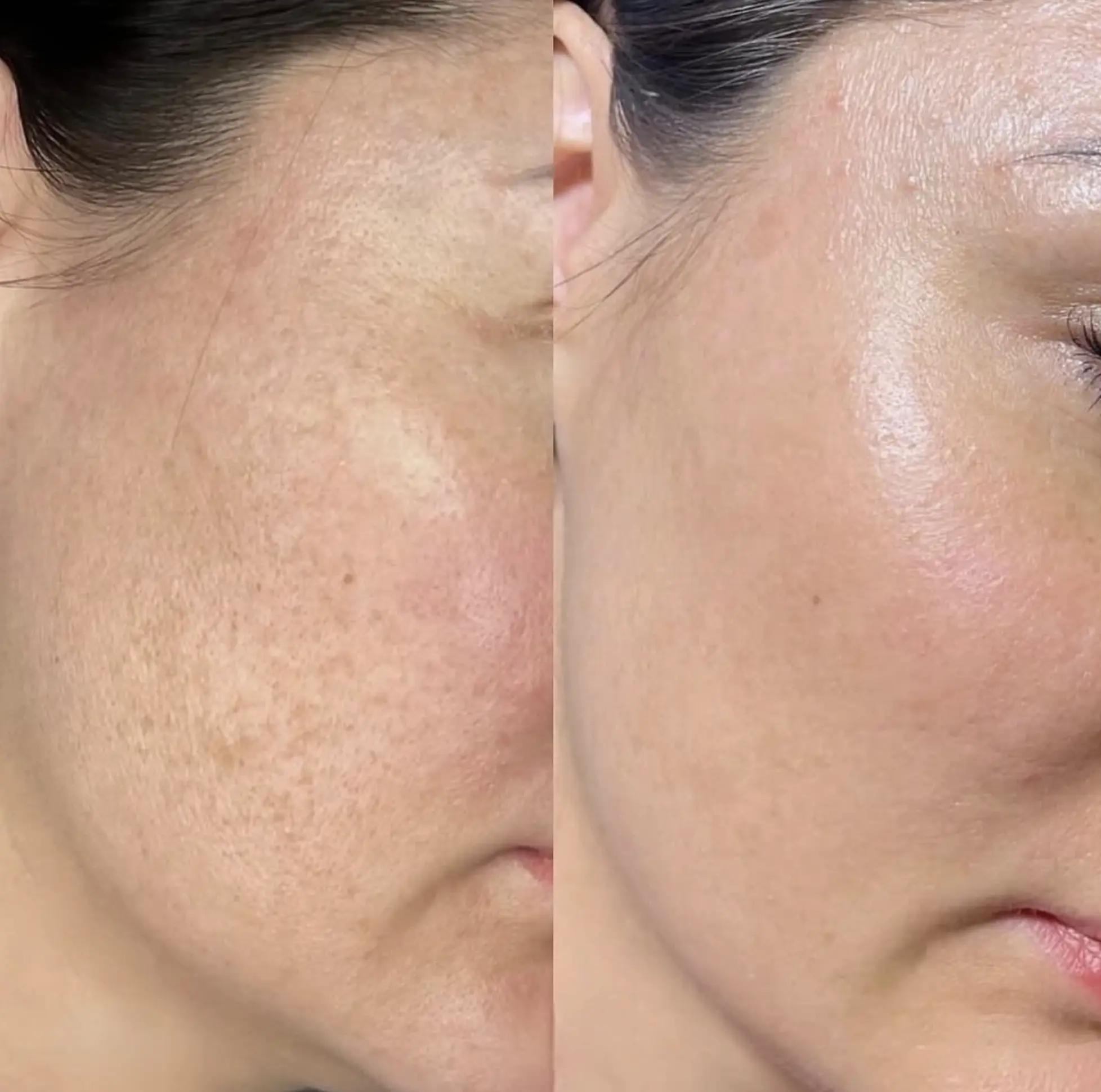
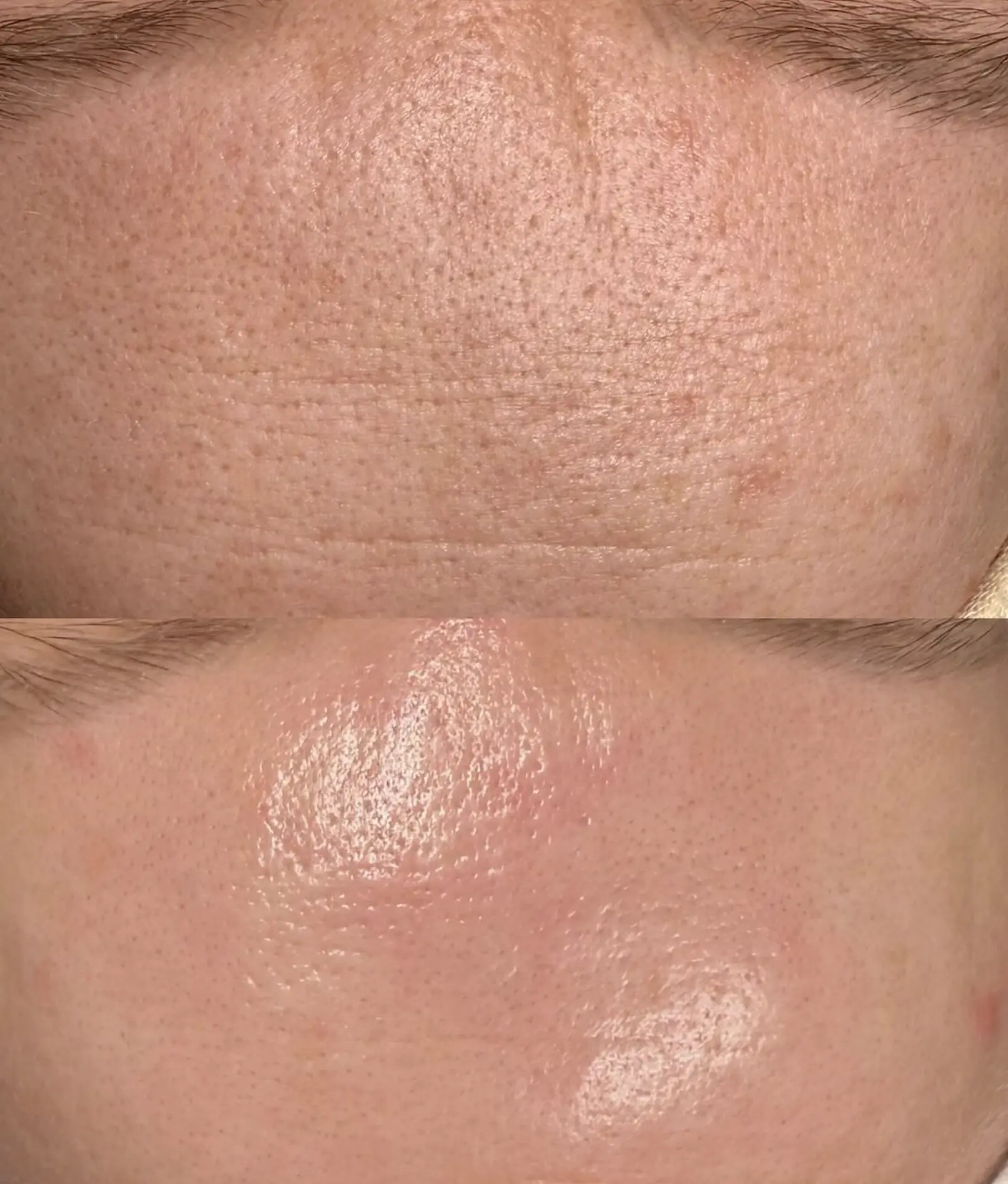
If you’ve ever tried to distinguish microneedling from skin needling, only to be overwhelmed by conflicting online information, you know the frustration is real. Here’s the unvarnished truth: microneedling and skin needling are essentially the same. Both stimulate collagen production & induce skin rejuvenation through micro-injuries in the top layer of the skin, which in turn boost collagen production, smooth out fine lines, improve skin texture, and help skincare products work better. The real difference comes down to factors such as the device used, the technique employed by the therapist, and their level of expertise.
What These Treatments Actually Do
How do they work? These treatments use teeny-tiny needles to create minor wounds that get the skin to respond with a healing response. The goal is simple: stimulate new collagen growth, remove old skin cells, and help the skin as a whole become healthier over time. When you create tiny channels in the outer layer of your skin, the body rushes in to repair the damage with fresh collagen, new skin cells, and the growth factors it needs.
Put simply, this treatment gently encourages your skin to rebuild itself, resulting in thicker, smoother, healthier-looking skin.
Table of Contents
Why Brisbane Clients Love It
In Brisbane, our skin takes a bit of a beating – what with the sun, humidity and just general day-to-day exposure to UV, etc. That’s why cosmetic needling is such a game-changer for issues like:
Acne scars
Early signs of aging
Rough skin texture
Fine lines
Sun damage and the associated pigmentation
Dull skin from poor cell turnover
Loss of elasticity
Needling also has the bonus of making your at-home skincare products work so much better – think hyaluronic acid and vitamin C, which loads of our clients already use.
Two Similar Treatments — What’s The Difference?
The truth is, both terms refer to the same treatment, and it’s just a bit of technical jargon designed to confuse you. Whether a clinic calls it “microneedling,” “skin needling“, or even “collagen induction therapy“, – the underlying science is the same. Ultimately, what matters is the therapist’s skill and expertise.
The Real Answer (Said Simply)
Honestly? Nope. They are the same thing. “Microneedling” is the more modern, social media-savvy term, while “skin needling” is the original term used by dermal therapists and clinics right across Australia. The science, technique, and collagen stimulation are the same.
Why The Names Got Confusing
Let’s be real – marketing, device brand competition and the rise of at-home needling tools (like microneedling pens and dermal rollers) have all played a part in creating this confusion. Each brand wanted its own angle, but ultimately, they’re all variations on the same collagen induction therapy.
A different name, same collagen party.
Pen Vs Roller: Why The Device Matters
The device matters – big time. It determines how safe a treatment is, how much control you have over the results, and how evenly the channels in the skin are formed. I get heaps of clients coming in who’ve bought derma rollers off the web, thinking they’re just like a skin pen – but let me tell you, the difference is like night and day in Brisbane.
Clinical Microneedling Pens
These devices are the real deal:
They use a vertical stamping action
Create nice, clean channels in the skin
Minimise damage & trauma
Reduce the risk of scar tissue forming
Let you adjust the depth of the needles
This is what I use in my studio – it’s all about precision. That means better collagen stimulation, better scar reduction.
Dermal Rollers
Rollers just drag away at the skin. It’s basic. They create jagged, angled tears in the skin and can trigger unnecessary inflammation. Not effective for stimulating collagen or improving acne scars.
Perhaps okay for just absorbing your home skincare products? Possibly. Suitable for wrinkle reduction or skin tightening? Not really.
Fractional & RF Microneedling
This is the high-end stuff – the medical needling treatments. RF microneedling combines controlled needling with radiofrequency energy to tighten the skin, target deep acne scars, and promote skin resurfacing. It’s not for the faint of heart—more of an intense treatment—usually performed only by nurses or doctors.
Needle Depth: Where Real Results Are Made
Now, let’s talk about depth because it’s not just a case of “more is better“. The depth of needling determines how deeply you stimulate collagen; if you go too deep, you may end up with long-term pigmentation or textural issues.
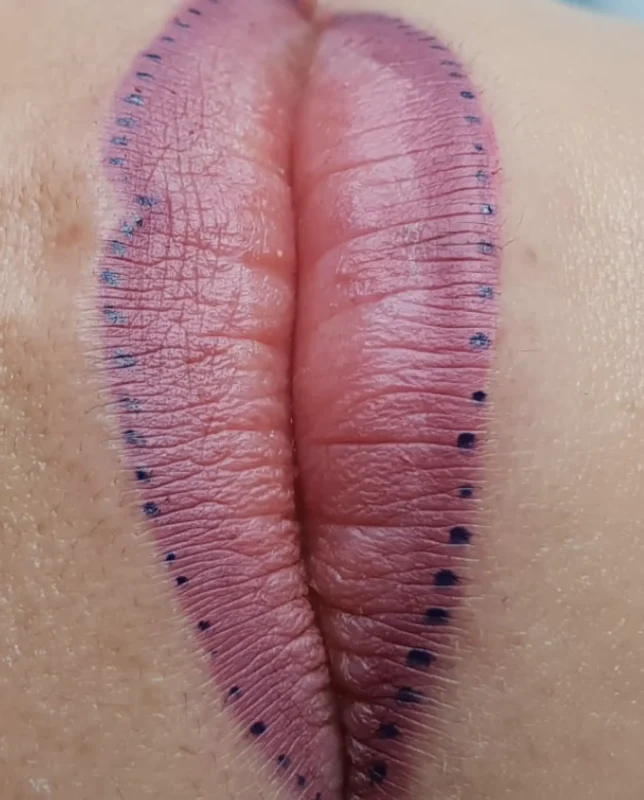
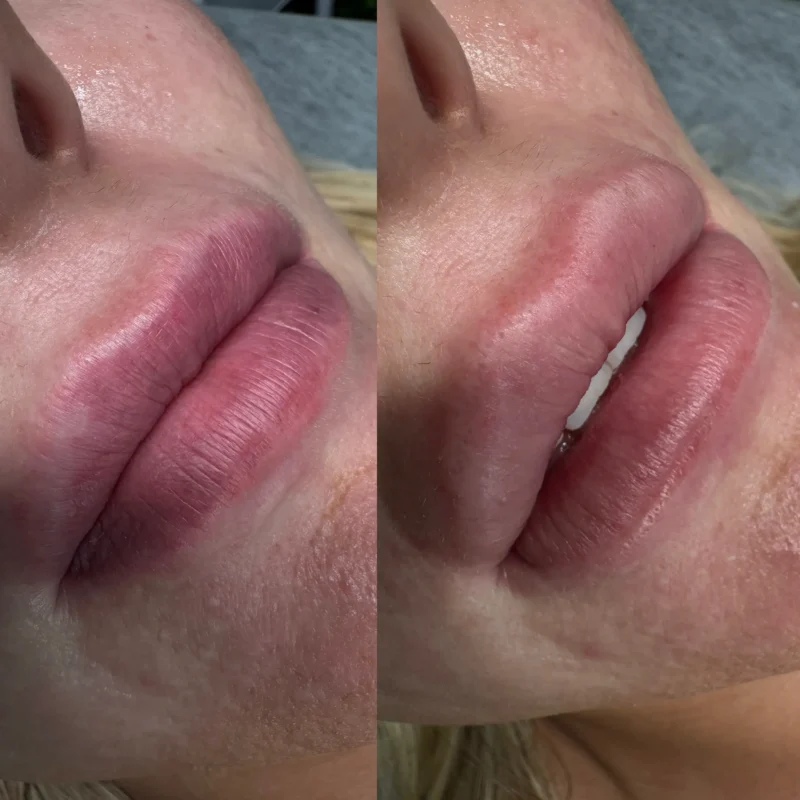
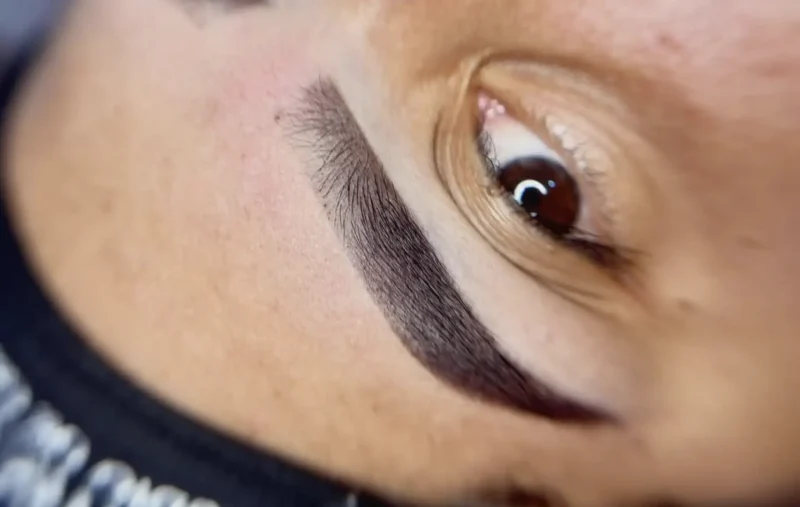
If you’re planning to get cosmetic tattoo and coming to Cosmetic Tattoo Studio Brisbane Face Figurati, schedule your needle sessions around your tattoo appointment. Try to get the needling done either just before or just after the tattoo session, and not within 4 weeks, so both treatments have a chance to heal correctly.
Treatment Type
Typical Needle Depth
Best For
Downtime
Superficial cosmetic needling
0.25mm–0.5mm
serum infusion, product absorption, brightening
Minimal
Clinical microneedling
0.5mm–1.5mm
acne scars, fine lines, texture, collagen stimulation
24–48 hours
Medical needling
1.5mm–2.5mm
deeper scar tissue, surgical scars
3–5 days
A 2025 clinical review showed needle depths between 1.0mm–1.5mm created the most meaningful collagen production for ageing and acne scars (valid at time of publication).
What The Treatment Feels Like (The Honest Salon Version)
Okay, let’s put it straight – this isn’t your average spa day facial. But with the numbing cream, most people find it to be something like:
“Warm and scratchy, like sandpaper on your face”
“Like a good strong exfoliation, but with a weird tickly vibration”
“Weirdly satisfying, I know it sounds odd, but trust me”
The microneedling pen does its thing with a bit of a buzzing rhythm, which most people can handle just fine – unless you’re from Brisbane in the middle of a humid spell, in which case I fine-tune the settings to make sure you stay comfortable.
What Your Skin Looks Like After
The good news is that with microneedling, you pretty much know what to expect – and that helps make the whole process much less stressful. That initial redness and tightness you feel? That’s your body just triggering its healing response – the bit that actually leads to collagen production and a smoother skin texture.
The first 24–48 hours usually look a bit like:
A mild sunburn in terms of redness
A bit warm
A bit tight
Your skin might be a bit puffy
By days 3–4, you might notice:
Some light flaking
A dryness that’s just part of the process
A bit of a ‘sandy‘ texture
But by days 7–10, you’ll start to see the benefits:
Your skin starts feeling smoother
Fine lines get a bit softer
You get a better glow going on
Some early scar reduction
Products absorb deeper into your skin
This is completely normal – just your skin’s micro-wound-healing response doing its thing.
Who It’s Best For (And Who Should Skip It)
The key advantage of microneedling is its versatility, which can suit most age groups and skin types when performed correctly. The fact that it targets multiple concerns at once – texture, ageing, pigmentation, and radiance – makes it a really appealing treatment.
Good Candidates Are:
Anyone with fine lines
People with acne scars
Anyone worried about texture issues
Those getting early signs of skin ageing
Those with enlarged pores
Skin that’s just looking dull and dehydrated
People with mild pigmentation
Avoid If You Have:
Active acne – you want to clear that up first before getting needled\
Eczema or psoriasis flare-ups
A recent sunburn
Open wounds
A tendency to form keloid scars
It’s always a good idea to get a patch test or a consultation with a skin therapist before getting needled.
Treatment Frequency: How Many Sessions Do You Need
Consistency is key with collagen induction therapy — your skin can’t rebuild overnight. Think of needling as a gym program for your skin: regular sessions produce stronger, longer-lasting results.
Proper collagen induction takes consistency. Brisbane clients usually need:
3–6 sessions
Spaced 4–6 weeks apart
Collagen takes roughly 12 weeks to mature — so even though you’ll feel smoother quickly, the bigger changes take time.
Maintenance every 6–12 months keeps results fresh.
Climate: A Factor Most People Forget
The Australian sun and heat can significantly affect how your skin responds to a treatment like needling. After that, your skin barrier is left somewhat vulnerable, and a day in the sun can cause unwanted pigmentation immediately.
That’s why I always stress:
Using zinc sunscreen every single day
Taking it easy for 24–48 hours on the outdoor fitness routine
Giving up on hot yoga – for the time being, at least
No ocean dips for a while
And just generally trying to stay cool. You get the idea
Saltwater and these new tiny little channels in your skin… well, let’s just say it’s a recipe for irritation.
Pricing: What’s Normal In Brisbane?
Pricing can vary depending on what type of needling you’re looking at – cosmetic, clinical or medical – and the kind of device used. Generally, you get what you pay for: paying for experience and on-the-spot, disposable needles helps keep your treatments safe and effective.
In Brisbane, standard pricing comes in at:
$200-$450 for a basic clinical microneedling treatment
$500-$900 if you’re looking at medical or Radio Frequency (RF) needling
And don’t even get me started on those super-cheap $79 deals. Good-quality equipment, certified therapists, and medical-grade needles aren’t cheap, that’s for sure.
Aftercare You Can’t Skip
Healing and regrowth after needling depend on the aftercare routine you follow. Be kind to your skin, keep it hydrated, and avoid anything that could trigger a flare-up. It’s all about getting the best results from this treatment.
Do:
Use a gentle cleanser so that you don’t irritate anything
Get some Hyaluronic Acid on that skin
Keep it hydrated at all times
Wait a bit before introducing any Vitamin C
Stick to a basic skincare routine
Reapply sunscreen
Avoid anything that might irritate the skin for 5–7 days. I mean, it’s not rocket science.
Don't:
Exfoliate for a while
Don’t pick at any flaky bits
Forget to leave the acids and other harsh actives until your skin’s healed a bit more
Sweat it out for a few days
Wear a full face of heavy makeup for 24 hours – let the skin breathe
Final Thoughts & A Friendly Wrap-Up
If you’re wondering about microneedling vs skin needling – what’s the actual difference? Then it’s pretty simple: same treatment, different labels – what really matters is the technique, the device used and most importantly, the skill of your therapist.
For me, collagen induction therapy is one of the most effective, tried-and-tested ways to improve skin texture, reduce fine lines, and address acne scars with zero downtime. Whether you’re chasing a smoother surface, fewer scars, or just a better glow, I believe needling can be a game-changer when done consistently and adequately.
artist
With professional experience since 2016, Anastasia combines advanced expertise in microneedling and skin needling with a deep understanding of fine line tattooing. Fully certified and licensed in Europe and Australia, she tailors each treatment to the skin’s condition and response, supporting collagen renewal while ensuring precision, safety, and long-lasting cosmetic brow, lips and eyeliner tattoo results.