Lip blush gone wrong is a concern worth noting, even as permanent lip tint remains one of the leading cosmetic tattoo techniques for achieving naturally enhanced lips. The main goal of this semi-permanent makeup procedure is to provide clients with long-lasting, natural-looking results that add a soft blush of colour and restore an even lip tone.
While lip tattooing can create beautiful, natural enhancements when done correctly, complications may arise if performed poorly. Issues such as uneven colouring, patchy fading, swelling, asymmetry, or allergic reactions are possible. Choosing a skilled and certified artist greatly reduces these risks and ensures safe, balanced, and aesthetically pleasing outcomes.
During this preliminary meeting, they will also choose their ideal colour tone and review any potential allergies or skin sensitivities. Try permanent makeup and see the magic! You will see changes immediately, but complete healing and pigment realisation may take some time.
This technique can offer clients naturally contoured lips without the need for painful injectables like Botox or Juvederm. Many clients express immense contentment with their achieved results and appreciate the simplicity of sustaining the look over the long term via occasional touch-ups every couple of years if required.


As with any other lip tattoo technique that necessitates piercing the skin to insert cosmetic pigment, the lip blushing approach has its inherent possible side effects. Let’s delve into the typical lip tattoo risks and those that signal a more serious problem.
The skin on the lips is more fragile and thinner compared to facial skin elsewhere, so it’s normal to feel some level of discomfort during and especially after a lip blush tattoo treatment. This sensitivity may present as soreness, tightness, heightened sensitivity, or a pulsing sensation. These post-treatment effects linked to semi-permanent lip tinting generally subside within the following day as the healing process begins.
The most common observation after a lip blush procedure is temporary swelling, with lips sometimes appearing nearly double in size. This occurs because the body sends lymphatic fluid to the treated area where the tattoo needle has penetrated. The fluid creates a natural cushion that protects the tissue during the process.
Once the cosmetic tattooing session is complete, the lymphatic fluid gradually drains, and the swelling subsides. In most cases, lips return to their normal size within 48 hours. If the swelling does not reduce within this timeframe, it may indicate potential complications and should be assessed by your artist or a medical professional.
Newly tattooed lips may release a small amount of lymphatic fluid mixed with minor traces of blood. This is a normal side effect of lip tattooing and results in the formation of a thin, scab-like layer. Similar to the healing process on other areas of the body, these lip blushing scabs will eventually shed on their own, usually starting around days 3–4 after the procedure.
It is important not to pick, scratch, or pull at the flakes or scabs during this stage. Allowing them to fall away naturally helps ensure even lip blush healing and prevents patchy or uneven colour retention.
A frequent side effect of lip blush is the onset of cold sores, which the needle’s activity can trigger.
The lip tattoo procedure may instigate a cold sore outbreak, whether or not you’re usually susceptible to them. Generally, this isn’t a grave concern, merely an inconvenience.
The only potential problem arises if the condition is severe and you interfere with it by picking — this could result in poor lip blush healing and inconsistent outcomes. Therefore, it would be wise to consult your cosmetic tattoo artist if you have a record of such flare-ups.


In uncommon instances, you might encounter a reaction or an extended side effect that could signal a potential complication from the treatment.
Extended side effects from lip blushing could stem from a persistent lip infection. Excessive soreness bordering on pain may suggest that the lips have been over-processed.
Persistent swelling beyond the 48-hour threshold could indicate an inflammatory response, an allergic reaction to tattoo pigment, or even the anesthetic agents utilised during the treatment. That’s why conducting a lip blush patch test before the procedure is highly advised.
To mitigate the risks and possible side effects related to lip blush, it’s essential to take preventative actions before and after the procedure. Here are some guidelines and safety tips:
Before confirming your lip blush session, look into credible and seasoned artists or studios with a history of successful operations. Going through online reviews and examining before-and-after pictures can offer valuable insights into the calibre of their work.

Plan a meeting with your selected practitioner. Discuss what you want to achieve, any reservations, and any past allergic reactions or sensitivities.
An adept technician will tailor the lip blush procedure based on your distinct characteristics and wishes; consultations are typically complimentary, so there’s nothing to lose!
Some practitioners include consultations as a component of the treatment itself. Still, it’s more advisable to hold them at least several days ahead so that any patch tests have time to yield results and you have a moment to contemplate it.
Some technicians strongly recommend conducting a patch test; others might have you fill out a waiver.
If your technician doesn’t proactively suggest a patch test, request one before undergoing the lip blush treatment. This step is vital for individuals with sensitive skin or reactive skin to test for allergic responses to the pigments used in the procedure.
Once your lips have fully recovered, applying a daily lip balm with SPF is imperative. This step is vital to prevent the fading of lip blush results and safeguard your lips’ well-being, especially during prolonged sun exposure.
Pre-care measures should be seriously considered to reduce the likelihood of adverse reactions to the lip tattooing.
Your behaviour before and after the procedure can significantly influence the final result. Therefore, avoid alcohol and caffeine beverages, and keep your lips hydrated and conditioned. Limit your time in the sun and conduct a gentle lip exfoliation to remove dead skin cells and residual makeup.
In the days following the treatment, it’s essential to meticulously adhere to the lip blush aftercare guidelines given by your practitioner. Critical aspects include refraining from specific activities, avoiding direct sun exposure, and ensuring the lips remain hydrated.
Opt for a nourishing lip balm rich in vitamins and apply it multiple times throughout the day to support healing and maintain colour retention.

Although lip blushing falls under cosmetic tattooing, it employs a comparable methodology and comes with many of the same risks inherent to conventional tattoos. If the lip blushing procedure is not executed correctly, you could be susceptible to the following complications:
Though infrequent, the possibility of a viral or bacterial infection in the lips exists due to the lip blushing technique.
To avert this scenario during the process, conduct your due diligence and schedule an appointment with a reputable and skilled artist who consistently utilises sterilised instruments.
Moreover, it’s essential to adhere to the appropriate aftercare guidelines to inhibit the formation of an infection as your lips go through the healing stage.
Common side effects like swelling, aching, and light itching typically follow a lip-blushing treatment. If these excessive symptoms persist beyond a few days after the treatment, you are probably experiencing an infection.
Further symptoms of a lip infection include:

Specific individuals may experience allergic reactions to the colourants employed in lip blushing or to the localised numbing agent administered during the treatment. Post-treatment care products can also be a potential source of allergens.
Such reactions could result in itchiness, inflammation, and even discomfort in the region of the lips.
Various allergic responses to lip blushing may manifest as skin rashes and raised areas or, in uncommon instances, anaphylaxis (a severe, life-threatening condition that instantly puts the body into a state of shock and necessitates medical intervention).
The necessity of scheduling your lip-blushing appointment with a seasoned artist cannot be emphasised enough, as choosing a practitioner lacking skill and experience could result in irreversible scarring.
Scar tissue formation can alter your lips’ texture and visual aspect. It may arise due to incorrect post-treatment care, such as forcibly removing skin flakes during recovery.
While lip blushing can balance out dark or cool-hued lips, not everyone is ideal for dark lip neutralisation, as the needle’s penetration could occasionally induce hyperpigmentation.
For optimal results and to avoid complications, the artist must possess a high level of skill and expertise, as only well-trained practitioners can ensure the best outcomes without issues.
This uncommon reaction is linked to using darker colourants or pigments in lip blushing. Granulomas occur when the body identifies the inserted cosmetic ink as a foreign substance and initiates an immune response to isolate it.
Keloid scars can form whenever the skin undergoes injury, trauma or, in this instance, is punctured by tattooing needles. If you are naturally predisposed to keloid formation, you should forgo lip blushing entirely.
Conversely, if you have no history of forming keloids, the likelihood of them appearing on your lips from lip blush treatment is extremely low.
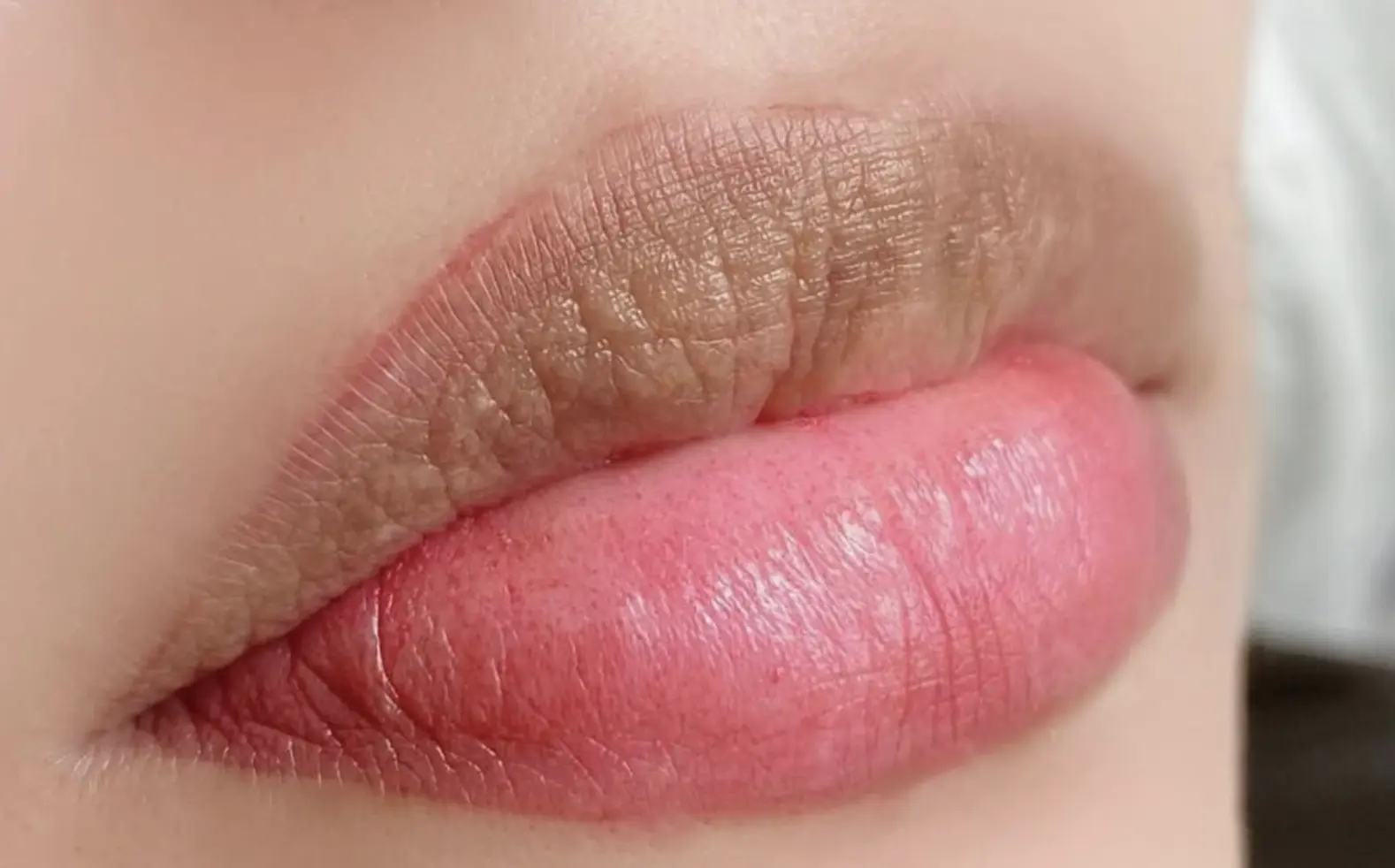
You might have encountered images online of poorly executed lip blush where the lips exhibit a darker, fuzzy outline. This shouldn’t occur – it signifies that the pigment was incorrectly placed, attempting to mimic a lip liner tattoo look, and subsequently faded unflatteringly.
Mistakes in lip liner tattoos primarily arise from flawed techniques. Specifically, the artist marks outside the vermillion border (the line where the lip skin meets the skin of the face), which should be strictly avoided.
The skin on the lips and face has distinct characteristics, causing pigments to fade differently in each, which is why these inked areas will never harmonise or maintain the same hue once they’ve healed.


If you’re fond of getting lip fillers and consider lip blushing, avoiding a mishap means never undergoing one procedure immediately following the other.
The outcomes won’t be satisfactory, and it’s overly damaging to the lip skin. Additionally, if you have recently received fillers, you might encounter shifts in lip volume and filler migration that conflict with the tattooed outline.
To avert the onset of cold sores after receiving a lip blush, especially if you’re susceptible to it, it’s advisable to consult your healthcare provider and artist to determine if lip blushing is suitable.
Your doctor will likely recommend taking antiviral medications before undergoing the treatment.
Subsequent complications related to cold sores following lip blush tattooing can be avoided by strictly adhering to the aftercare guidelines, specifically utilising only the aftercare salve recommended by your technician for lip hydration. The treated area should not be disturbed, injured, handled, or picked at.


The key to averting infections largely rests on the cosmetic tattoo artist or salon you opt for, specifically if they employ sterilised tools and comply with the required safety standards. You should invariably investigate and secure an appointment with a credible professional.
Equally important is to heed the post-treatment guidelines that your artist or technician has supplied, given that your lips are exceptionally vulnerable to bacterial infections during their recuperation period.
The optimal approach is to conduct a patch test in advance to minimise the chance of allergic reactions to lip blush. Although it’s impossible to entirely predict an allergic reaction, a patch test will allow your body to acclimate to the pigment and offer you some reassurance.
Should you nonetheless encounter an allergic reaction to lip blush, there are several measures you can take. Initially, determine whether your response is merely skin-deep (manifesting as hives, bumps, redness, etc.) or if you suffer from more concerning symptoms like facial swelling or breathing difficulties.
After assessing the seriousness of your allergic response, consult your cosmetic tattoo artist or dermatologist for milder, skin-level symptoms, or immediately summon an ambulance for more critical signs to avert anaphylaxis.
You will likely be advised to take oral and topical antihistamines (anti-inflammatory medications) for superficial reactions.


Granulomas are tough to avert since they may manifest several weeks to a few months following the lip blushing procedure. A pre-treatment patch test won’t predict the likelihood or timing of developing granulomas.
Medical intervention is essential for treating granulomas, which a dermatologist should evaluate and manage. Therapies could involve the use of topical or injectable steroids along with laser ablation.
Keloids represent one of the more challenging outcomes of botched lip embroidery that necessitates dermatological intervention. Although they aren’t life-endangering, you will want to address them promptly if they emerge on your lips.
Given that keloid scar development is largely genetically influenced, you can take limited preventive action rather than avoiding the cosmetic tattoo procedure entirely.

Since 2016, with years of expertise in the professional tattooing industry, Anastasia is a certified and licensed cosmetic tattooing specialist. She holds all the necessary licenses and qualifications for permanent makeup in both Europe and Australia.
It refers to cases where the lip tattoo heals unevenly, looks patchy, has an undesired colour tone, or creates harsh outlines instead of a soft, blended effect.
The main reasons include poor technique, incorrect pigment choice, lack of proper aftercare, or getting the procedure from an inexperienced permanent makeup artist.
Yes, lip pigments can sometimes heal into unwanted shades if the wrong colour base is used or if your natural skin undertones weren’t assessed correctly.
Most cases can be corrected with extra sessions or colour neutralisation. A skilled artist can blend and balance uneven pigment for a softer finish.
Yes. Options include saline tattoo removal, laser treatment, or corrective tattooing designed to neutralise unwanted tones.
You’ll need to wait until your lips are fully healed, usually 6–8 weeks, before undergoing safe correction work.
Yes. Not following aftercare—like picking scabs, using harsh skincare, or skipping sun protection—can cause patchiness or colour fading.
Always choose a certified and experienced cosmetic tattoo artist, check their healed results portfolio, and ensure they specialise in corrections and lip neutralisation.
Yes, when handled by a professional. Corrective tattooing or removal should only be performed by a trained artist who understands pigments, undertones, and safe semi-permanent makeup techniques.