Laser vs IPL: What’s Better for Your Skin Concerns?
In Laser vs IPL: what’s better for your skin concerns?, we tackle a question that comes up all the time in our Brisbane studio. Hi, I’m Uliana Kasperska. Even though we’re usually known for our work in natural tattooing at our studio, we also help people incorporate light-based technology into their overall skin regimen. We had a client come in last week for a facial consultation, and they’d been looking at before and after pics online – they asked if the same principles applied to laser treatments, and I said, the short answer is no. And that’s why we created this guide.
Most people don’t even know that lasers and IPL work pretty differently on the skin. When you’ve got sun damage, fine lines, uneven skin tone or are just looking for a general pick-me-up, then you need to pick the right tool for the job. Brisbane’s weather & lifestyle can be pretty tough on the skin, so you want to choose a treatment plan that’s well thought out.
Table of Contents
What’s The Actual Difference?
With laser treatments, we’re talking single-wavelength light, super-targeted energy. IPL, on the other hand, gives you broad-spectrum light; it’s a bit like a scattershot approach. Someone asked us the other day, “How does the laser get into the skin? ” Well, the best way to think of it is like a focused beam that drills straight through the top layer of skin and zeroes in on whatever it needs to target – whether that’s pigment or blood vessels.
Why Clients Choose Laser For Precision Work
Laser-based treatments are all about delivering a precise, controlled hit.
You get a really strong, focused laser beam
It’s great for texture issues, acne scarring and deeper brown spots
It’s good for stimulating collagen growth, so you get tighter skin
It’s really good for permanent hair reduction
It’s also effective at dealing with uneven texture and skin resurfacing
It’s pretty much the reason why eyebrow tattoo removal is so effective with laser (not saline) – the pigment just soaks up the wavelength straight away.
Why IPL Appeals To Clients Wanting Gentle Brightening
IPL uses broad-spectrum light to give a wider area a bit of a wake-up.
It’s really good at tackling redness and vascular lesions
It’s good at reducing broken capillaries & makes red flushes go away
It’s great for giving a gentle brightening effect to sun-damaged skin
It’s also good at refining the overall texture of your skin
And it’s perfect for giving you that photo facial glow without too much downtime.
Which Treatment Is Better For Your Specific?
Skin concerns are anything but uniform – and your treatment options shouldn’t be either. When discussing tattoo removal in Brisbane with clients, we often get asked whether IPL or laser is the better choice for their face – and to be honest, it really depends on their top priorities.
Laser Wins When You’re Treating…
Acne scars that just won’t budge
Deep-seated pigmentation that doesn’t respond to creams
Skin that’s lost that youthful bounce and needs a bit of a lift
Age spots that just won’t fade
Unwanted hair that’s more stubborn than you’d like
Uneven texture that makes your skin look dull
IPL Wins When You’re Treating…
The redness and flushing of rosacea
Broken capillaries that get in the way
Surface-level sun damage that’s left its mark
Sensitive skin that needs a gentle nudge in the right direction
Mild pigmentation that’s not too deep-seated
A general case of the reds, in the sense of redness and irritation
Real-world Dermatology Data (2025) reveals that laser resurfacing can offer up to 68% improvement in deep pigmentation, while IPL can achieve about 55% improvement in photodamage after a few sessions.
What To Expect Before, During, And After Treatment
Your prep work actually makes a pretty big difference.
Before Your Appointment
Having a proper skin consultation is really important.
You’ll want to stop using retinol and acids for a couple of days before your appointment.
Try not to get a tan or go out in the sun without any protection.
Keep moisturising as usual.
Be honest about whether you’ve recently had a dermaplaning facial or exfoliated your skin.
Also, tell them about any cosmetic tattoos you have or if you’ve had them removed before.
We also talk about any common worries you might have – like “Can you get laser hair removal over tattoos?” And the answer is a simple no: tattoo pigment absorbs laser energy straight away, which can lead to burns or colour shifts.
During Treatment
So what can you expect during treatment?
You might hear some light snaps from the IPL
With laser treatments, you’ll feel sharper pulses
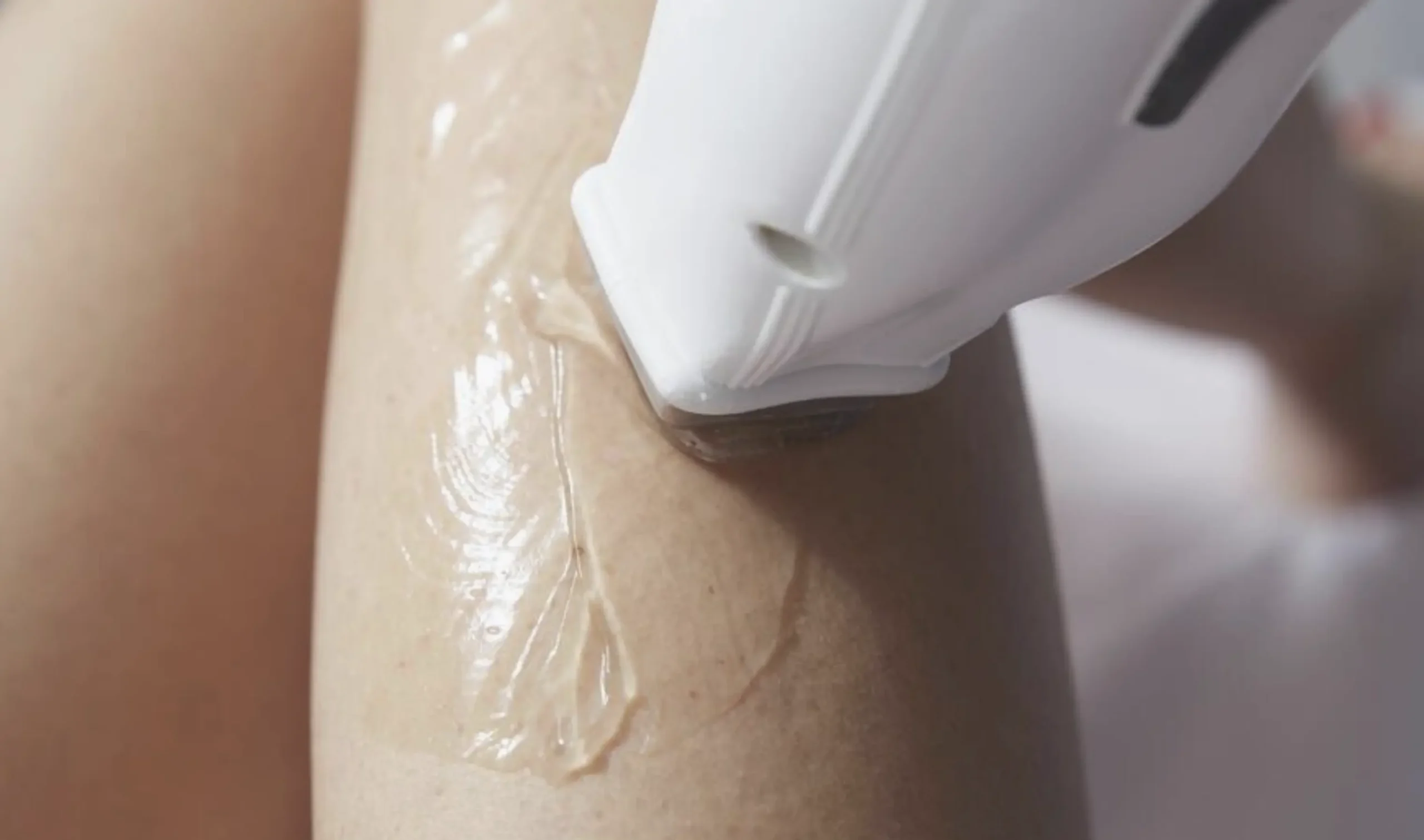
You’ll probably feel a bit of cooling gel (usually with IPL) or some chilled air (with laser)
The clinician will make focused passes over the area of skin that needs treating
And just to be clear, laser-based treatments are going to go a bit deeper than IPL, which works more on the surface of the skin
After Treatment
So what are the normal reactions to treatment?
It’s not uncommon to feel a bit pink or warm
You might experience some mild swelling
Your skin might darken a bit – although this will only be temporary
These minor changes mean collagen production or pigment breakdown is underway.
Brisbane Skin Has Its Own Personality
Living in Brisbane means we get a lot of strong UV, heat and humidity – all of which are just going to accelerate any visible skin issues you might be having. That’s why lots of our clients will do a combo of treatments through the year – combining vascular treatments with laser resurfacing sessions and seasonal maintenance.
What we tend to see a lot of in this climate is:
Sun damage showing up as freckles or brown spots
Texture issues from congestion
Redness from heat
And skin laxity from UV breakdown
Some of our clients like to do IPL in winter, then switch to laser therapy in spring – and of course, they always keep their skin looking its best with a dermaplaning facial before any big events.
Safety Considerations — Ask These Before Booking
With laser & IPL treatments, you have to be careful – so let’s get the safety question out of the way. When done by a trained aesthetic specialist using medical-grade equipment, laser is considered safe – but only if they do a proper skin assessment & use the right equipment.
Professional settings ensure controlled, precise delivery of light energies.
Common Myths We Bust Daily
Misconceptions around laser and IPL are a huge problem – because they can totally throw off your expectations, so let’s clear them up early on, shall we? This means you can make informed choices. Here are the top ones we get asked all the time.
“Laser and IPL are basically the same.”
No way – they’re completely different beasts.
“IPL is safer because it’s weaker.”
Not true – getting the settings wrong can really irritate sensitive skin or even make redness worse.
“Laser works in one treatment.”
Now some people do see fast results – but let’s be real, it takes time for collagen to kind of … remodel itself.
“You can’t treat near tattooed areas.”
Actually, this one is kinda true. But our experienced clinic staff always make sure to shield the tattoo area so the light doesn’t mess with the pigment.
Our Real In-Studio Experiences
When you see what we get to see in our everyday work, you get a much better idea of what treatments can do for your skin. It helps you understand timelines and outcomes way more clearly. Here are some examples:
Case 1 – Redness & Vascular Issues
This poor lady had chronic redness going on – and after four IPL sessions, she saw about 60% reduction. Plus, her skin just looked generally calmer, even on humid days.
Case 2 – Deep Pigmentation
Deep pigmentation problems can be a real challenge – but laser resurfacing was able to lift the stubborn patches that IPL just couldn’t get to.
Case 3 – Acne Scarring
This one was a toughie – but with fractional laser, we were able to improve those nasty acne scarring marks – and even help restore collagen fibres (all this provided she followed the aftercare to the letter).
A Closing Thought To Help You Decide
The thing is, laser and IPL both have their place in all this. When it comes to texture, pigmentation, vascular issues, and general skin rejuvenation, choosing the right light-based technology is key to maintaining long-term skin health.
artist
Since 2016, Uliana Kasperska has worked in the cosmetic tattoo and aesthetic industry in Brisbane, helping clients understand the differences between modern light-based skin treatments. With professional training across Europe and Australia, she focuses on selecting the right technology for individual skin concerns, whether addressing pigmentation, redness, or overall skin rejuvenation.
Okay, so it depends on what’s bugging you basically – redness and vascular issues are usually sorted by IPL, while deeper pigment and texture problems respond way better to laser.