Is There A Difference Between Bepanthen And Bepanthen Tattoo?
So you’ve ever stood in the pharmacy aisle after getting fresh ink and wondered, “Is there a difference between Bepanthen and Bepanthen Tattoo?” — you’re not alone. At our Brisbane studio, we get this question almost every week. So today we’re breaking it down properly — no marketing fluff, just real talk from the treatment room. I’m Uliana Kasperska, Certified and Licensed Cosmetic Tattoo Artist, and after years working with tattooed skin, we’ve seen what really works during the healing process — and what doesn’t.
Let’s start with the basics. Tattoo aftercare isn’t optional — it’s the single biggest factor in how well your ink heals, how vibrant it stays and how healthy your skin feels afterwards.
Your new tattoo is, essentially, an open wound. It needs the right balance of moisture, protection and cleanliness to heal without scarring or infection. That’s where products like Bepanthen and Bepanthen Tattoo Ointment come in — both designed to support skin regeneration and strengthen the skin barrier function, but with slightly different textures and target uses.
In Face Figurati studio, we always remind clients: great tattoo results (especially eyeliner and lip blush) aren’t just about what your artist does — it’s about what you do for the next 2–4 weeks.
Table of Contents
How It Earned Its Reputation
Before there was a tattoo-specific version, Bepanthen Nappy Care Ointment was already a quiet favourite among professional artists. It was gentle, fragrance-free and powered by Pro-vitamin B5 (dexpanthenol) — an effective formula that supports the natural healing process and keeps hydrated skin supple.
It wasn’t made for tattoos, but it ticked plenty of boxes for healing:
Helps maintain skin hydration and elasticity
Creates a breathable barrier to support skin protection
Minimises dryness and flaking that can cause tattoo colour fading
Some tattoo artists still recommend the classic version because of its simplicity and reliability. However, it’s worth noting that the original formula includes Petroleum Jelly and mineral oil, which can feel heavy or greasy — especially on oily or acne-prone skin types.
When I first started cosmetic tattooing in Europe, we’d all reach for that blue tube instinctively. It worked for most clients, but every now and then, someone with very reactive skin would want something lighter. And that’s when Bayer decided to create a tattoo-specific product.
What’s Actually New?
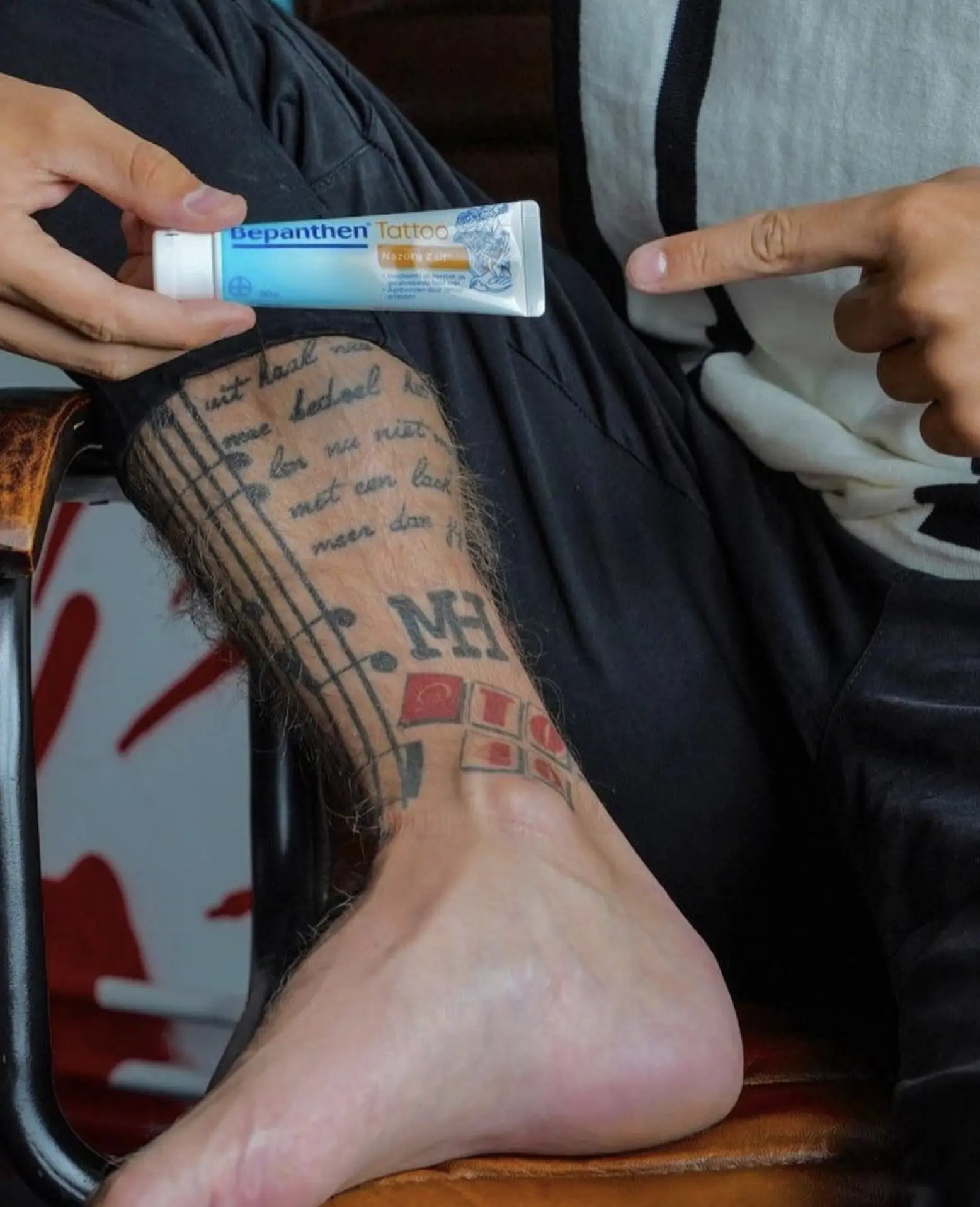
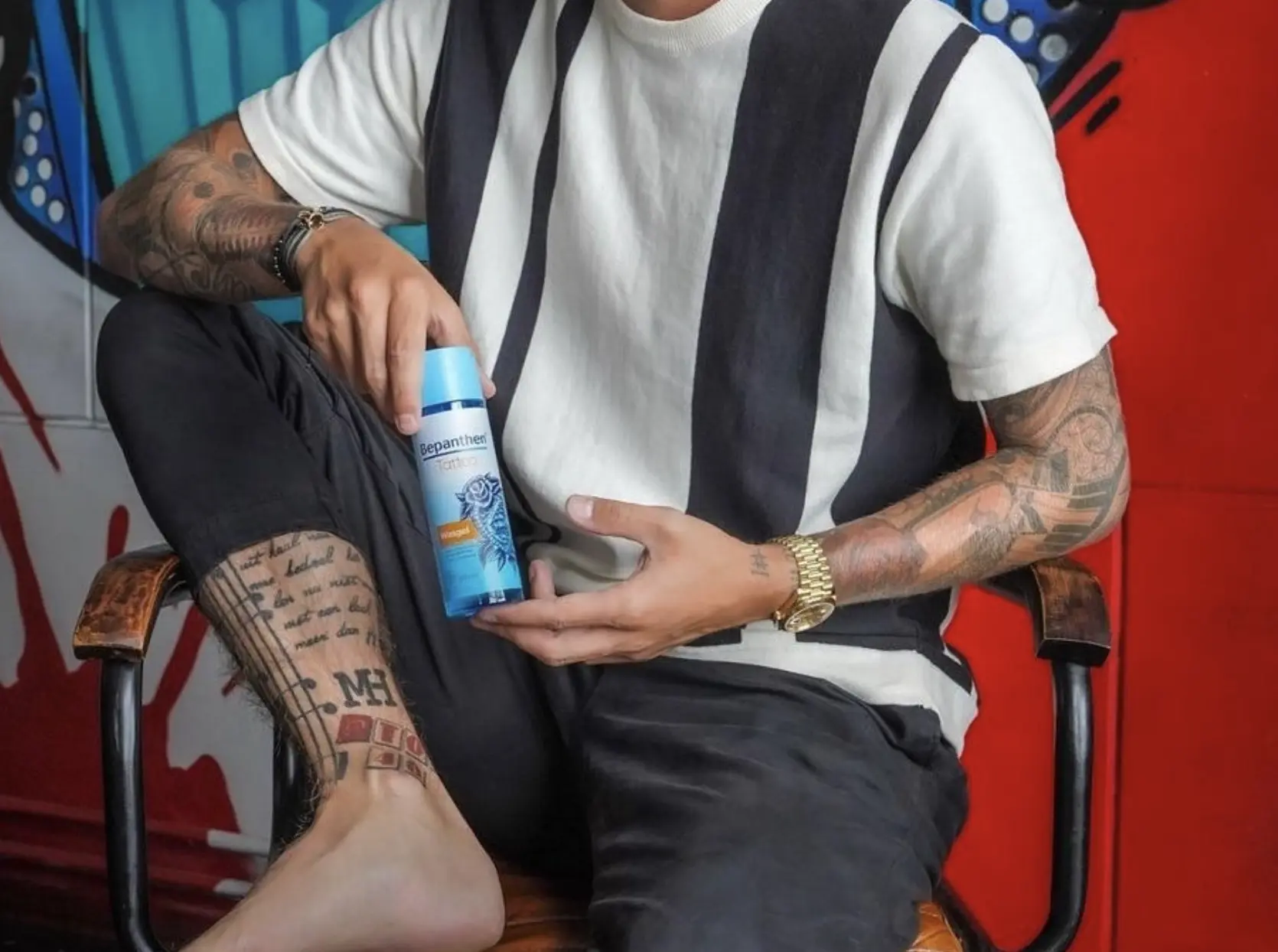
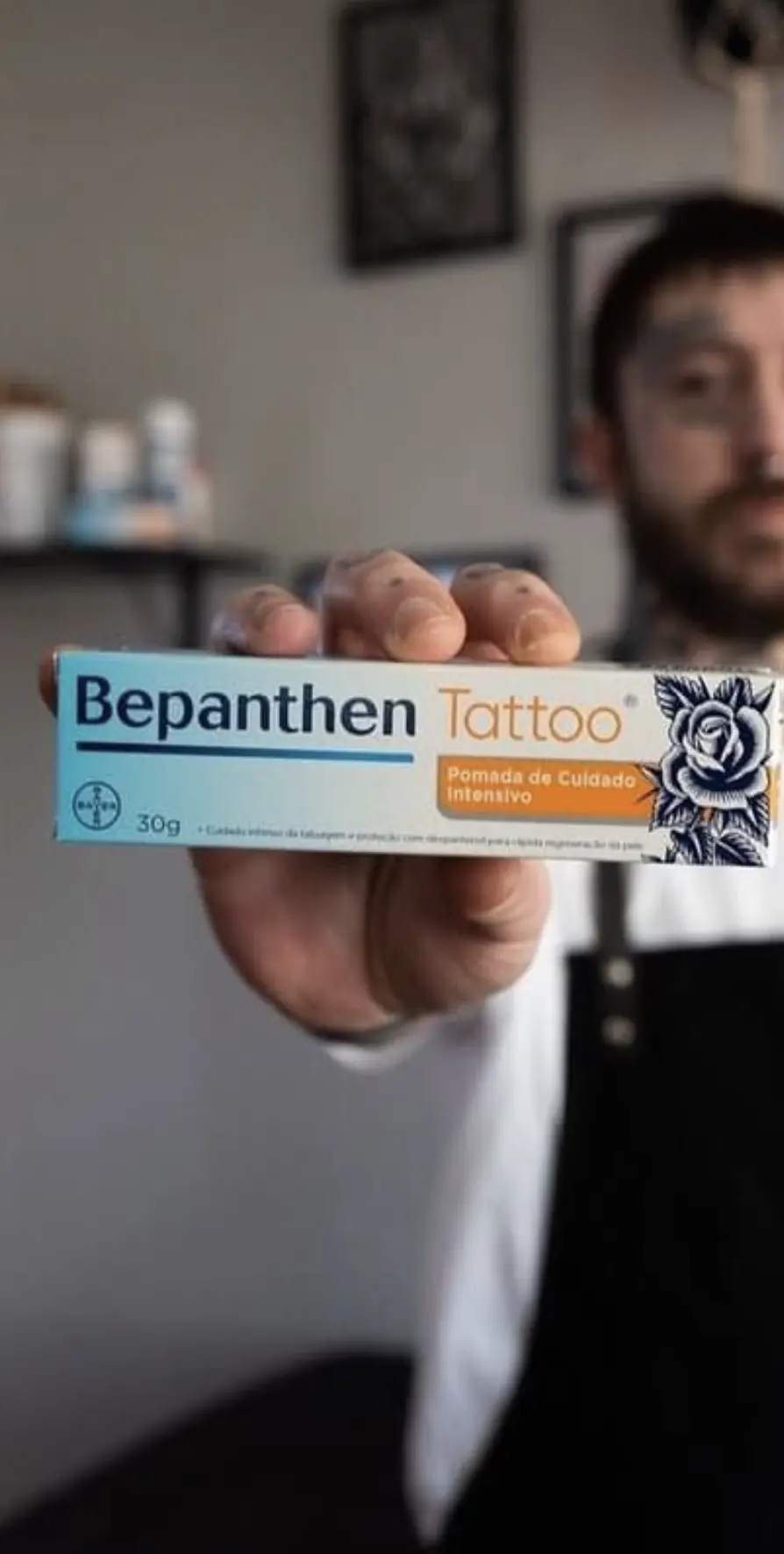
So, what’s different about the new version? While both formulas share the same core healing ingredient — Pro-vitamin B5 — Bepanthen Tattoo was reformulated with a lighter texture to suit the modern needs of fine line tattooing, cosmetic tattoo and body art.
Essentially, both products share the same healing core — dexpanthenol — which boosts skin cell regeneration by stimulating fibroblasts (the cells that help repair tissue).
But Bepanthen Tattoo has a modernised base: it’s less occlusive, allowing skin to “breathe” more easily while still protecting against bacteria and friction. For many of our clients, especially in Brisbane’s humid climate, that lighter feel makes daily reapplication much more comfortable.
What Really Matters
No ointment can do the healing for you — your body does that. But using the right tattoo aftercare product helps it along by maintaining the perfect healing environment.
Your skin heals in three stages, and the right level of skin hydration and cleanliness is key:
Stage
Days
What Happens
Care Focus
Inflammation
1–3
Redness, tenderness, slight oozing
Clean gently and apply a thin layer of Tattoo Ointment
Regeneration
4–14
Light scabbing, flaking
Support skin regeneration, avoid scratching
Maturation
15–30+
Pigment settles, skin strengthens
Focus on skin health, SPF and hydration
That’s why we prefer the Bepanthen Tattoo version: it gives consistent moisture without clogging the pores.
Common Aftercare Myths
We’ve heard all the myths out there. Let’s put a few of them to rest so your new tattoo can heal properly:
"Just let it be - it'll heal faster if it dries out."
Not a chance. Trying to dry out your new tattoo is just going to cause the scabs to crack and fall off before they’ve even had a chance to properly close, and it’ll probably mess with the tattoo’s colour too.
"Any old moisturiser is fine."
Actually, no. Most everyday lotions contain alcohol or fragrances that can sting or dry out the skin, which is the last thing your new tattoo needs. Go for a dedicated tattoo-specific product or find one that’s been given the thumbs up by a health professional.
"It's okay to jump in the pool a few days after it's been done."
Oh no. Salt water, chlorine and sunshine are pretty much the worst things for a new tattoo. Keep it dry and protected until it’s fully healed up.
"Ointments are going to make it peel faster."
Actually, that’s not right at all. Ointments like Bepanthen Tattoo are actually really good for keeping the skin’s barrier function healthy—they prevent it from cracking and flaking off, which would just take the pigment away with it.
At our studio, we like to say: your skin isn’t fragile, it’s just doing its thing – let it get on with it.
Choosing the Right One
Here’s the lowdown on choosing between them:
If you’ve got dry skin, are getting up there in years, or it’s cold and dark outside, then Bepanthen Original is your best bet.
If you’ve got oily skin, are sensitive, or are getting a cosmetic tattoo on your face or lips, then Bepanthen Tattoo is your go-to.
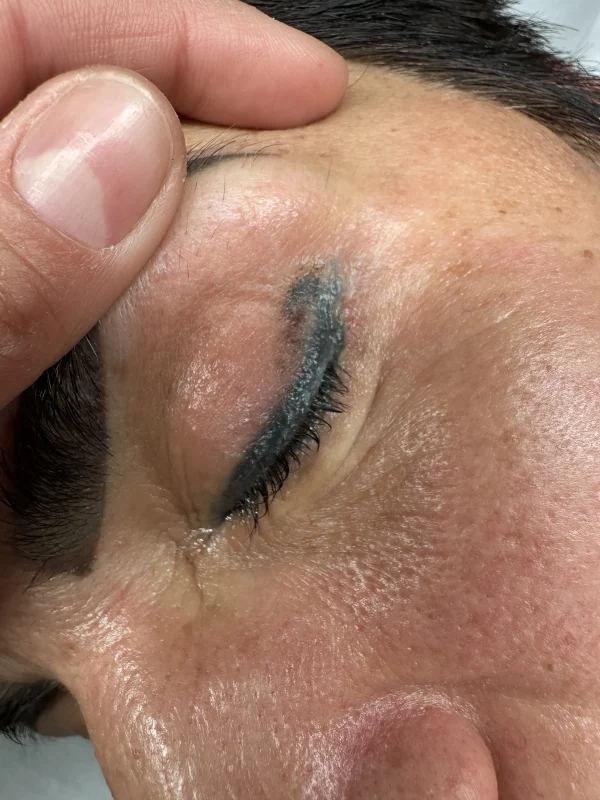
If you’re getting a tattoo on your face, the lighter stuff is usually the way to go – especially on the brows, eyelashes and lips, as that skin needs to be able to breathe.
Studio Tip: Always follow the storage instructions on the tube – keep your ointment sealed away from direct sunlight and don’t share it with anyone else. Cross-contamination can really mess with a new tattoo.
Expert Tip
We’ve spent a lot of time here at our Brisbane studio trialling almost every tattoo aftercare product on the market, and we still swear by Bepanthen Tattoo Ointment because it delivers reliable skin hydration without clogging pores.
We slather on a thin layer for those first 3–5 days after a treatment, then swap to a lighter balm or moisturiser once the top layer of skin has closed. We also advise clients to use a gentle, fragrance-free cleanser and to steer clear of those harsh scrubs or exfoliants till they’re fully healed.
Whatever it is – be it cosmetic tattooing or just traditional body art – the goal is the same: get that skin to a balanced moisture level, keep the friction low, and keep those tattoo colour pigments safe from UV damage.
And if you’re ever in a spot of doubt – just ask your tattoo artist or a trusted health professional before changing products – you’ll thank your skin for it later.
artist
Since 2016 of expertise in the professional tattooing industry, Anastasia is a certified and licensed beauty cosmetic tattooing specialist. She has all the necessary licenses and qualifications for permanent makeup in Europe and Australia.
Yeah, you can—it’s specifically formulated for delicate facial skin and will do a great job of supporting natural skin hydration without feeling greasy.