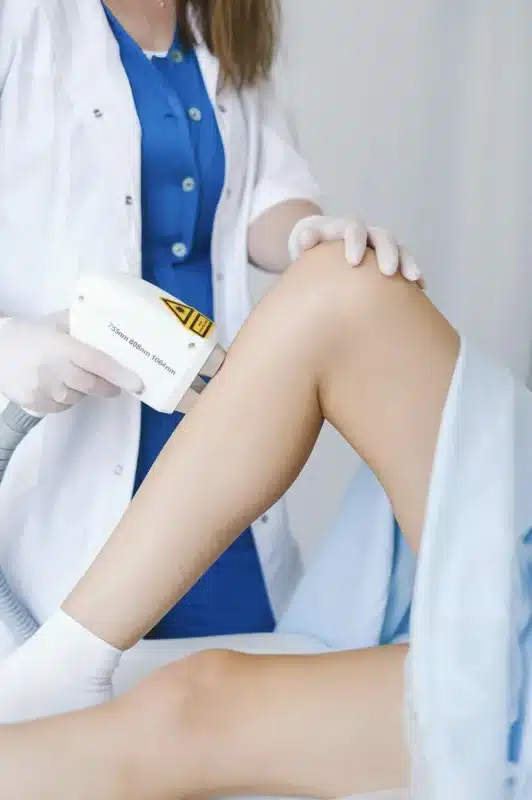
Is Red Light Therapy the real deal or just a placebo effect? It’s a question worth asking, especially when half of Brisbane seems to be decorating themselves with red LED panels, promising to make their skin look more natural and improve their mood. And let’s be honest, some of the claims made are bordering on a bit far-fetched, so what is real and what’s just hype? Time to get honest about whether it’s worth your time and money.
Red light therapy is real and has a strong track record of success, supported by decades of clinical trials. And the benefits are impressive – wound healing, skin health, collagen production, reduced inflammation – but don’t expect it to work like magic overnight, because it doesn’t.
Table of Contents
What This Technology Really Is
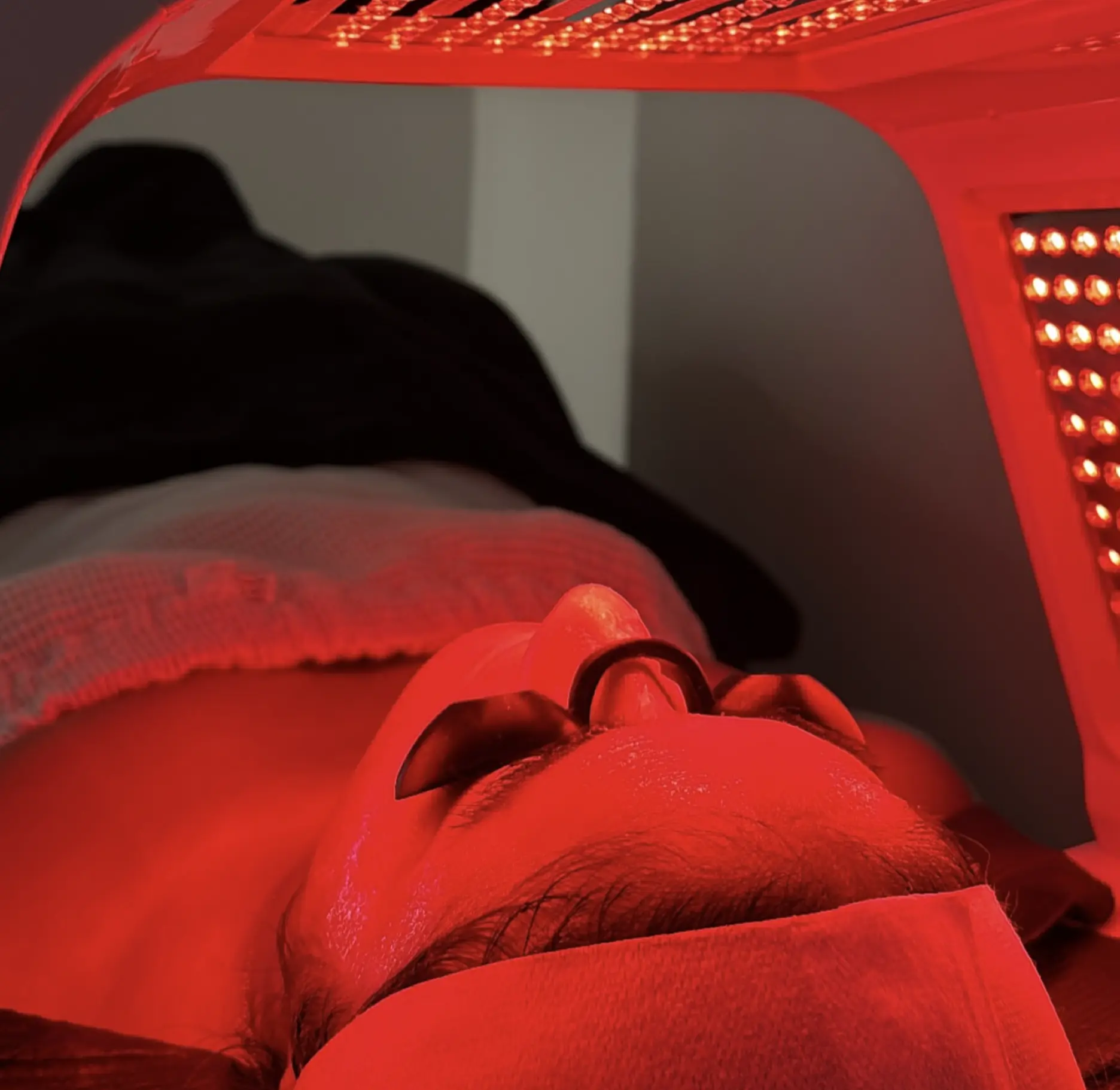
Let’s shoot the buzzwords and get down to basics. Red light therapy uses LED or low-level laser devices to deliver red and near-infrared light that stimulates cellular regeneration. No nasty UV rays or heat damage in sight, just good old-fashioned energising light.
It’s a cousin of Photobiomodulation therapy, which looks at how low-level light affects cellular repair, fibroblast activity, and ATP production. So basically, it’s giving your cells a bit of energy so they can do their thing.
It’s used in loads of places – derm care, sports medicine, wound care, and even to help with the side effects of cancer treatment like skin irritation. The tech is solid.
How It Works (The Science In Plain English)
So how does it all work? Red light therapy targets your cells’ energy factories (mitochondria) and provides them with extra energy. When the electron transport chain starts, your cells produce more ATP, which means healing, collagen production, and other benefits occur much faster.
What This Means For Your Skin
Hormones can turn your skin from normal to oily overnight or make dry skin feel like sandpaper suddenly. They affect things like oil production, inflammation levels, and even the activity of your mast cells – those are the ones that cause all the skin irritation.
Lifestyle And The Environment
When your cells have more energy, you see results like:
Improved wound healing
Inflammation calming down in reactive skin conditions
Stronger collagen and improved resilience
Dermal matrix remodelling
Better blood flow
Increased hydration in the skin
Reduced oxidative stress
But don’t just take our word for it – it’s been proven time and time again in clinical trials.
You’ll also hear people talking about low-power laser therapy, cold laser therapy, and low-level laser light therapy – same tech, just different light sources being used.
And to put your mind at rest, none of this is some placebo effect.
Key Benefits At A Glance
Living in Brisbane can be harsh on the skin – heat, humidity, UV radiation, and increased outdoor exposure all contribute to inflammation, dehydration, and accelerated ageing.
Clients wanting results without spending hours in a salon chair
People with sleep or circadian rhythm issues
Anyone under high stress affecting their skin
Athletes needing faster muscle recovery
Early evidence also suggests benefits for hair loss
Limitations
Let’s get expectations in check.
Red Light Therapy cannot:
Erase deep wrinkles
Fix severe pigmentation on its own
Treat skin cancer
Replace injectables or surgery
Restore lost volume
Stop ageing entirely
Clear cystic acne alone
Be used as a standalone cancer treatment
Red light therapy works best as an addition to a solid skincare routine – sunscreen, moisturiser, and consistency still matter.
Professional Devices Vs At-Home Red Light Devices
Not all red light devices are created equal. Professional devices deliver higher intensity, accurate wavelengths, and deeper tissue penetration. At-home devices are gentler and safer but slower to deliver results.
Feature
Professional LED
At-Home LED
Light Sources
Medical-grade LED or low-level laser
Consumer LED panels or masks
Irradiance
High (20–60 mW/cm²)
Low (5–10 mW/cm²)
Result Timeline
2–4 weeks
6–12 weeks
Tissue Penetration
Deep (NIR)
Mild
Consistency
Precisely measured
User-dependent
At-home LED devices are excellent for maintenance, especially between sessions at Cosmetic Tattoo Studio Brisbane Face Figurati, but in-clinic treatments are always stronger.
What A Typical LED Light Session Feels Like
You can expect it to feel like a gentle, warm hug for your skin:
Soft warmth that seeps deep in
A deep sense of relaxation washes over you
No pain – just pure bliss
No downtime to worry about
Your skin feels basically brand new as soon as the session is done
Lots of our clients swear by LED as their fave part of a facial – it’s like sunbathing without the guilt of UV damage.
How Often You Should Use It
Collagen production and cellular repair require consistent effort to get started. Think of LED like going to the gym for your skin – you’ve got to keep at it to see real results.
Lifestyle And The Environment
If you’re just dealing with some minor concerns, 1 or 2 sessions a week should do the trick
If you’re more concerned with ageing or inflammation, 2 or 3 times a week is the way to go
If you’re dealing with a wound, we recommend every 2 to 3 days
If you just want to keep your skin looking its best, once a week to fortnightly is perfect
The key is to be consistent because all these benefits – fibroblast activity, cellular regeneration, and nitric oxide release – tend to build up gradually.
Side Effects And Safety
LED is one of the safest skin treatments available; it doesn’t carry the risks associated with UV exposure, burning, or long-term damage when used correctly.
The odd person might experience some mild side effects:
A bit of temporary tightness
Maybe a bit of dryness
In sporadic cases, some people might get a light-triggered headache
We do want to warn you:
If you’re extremely sensitive to light, we can’t do LED
If you’re on any meds that make your skin more reactive to light, we can’t do it either
If bright lights trigger migraines, it’s best to give them a miss
Fortunately, most skin tones tolerate red light well.
Real Results Seen In Brisbane Clinics
After Tattooing
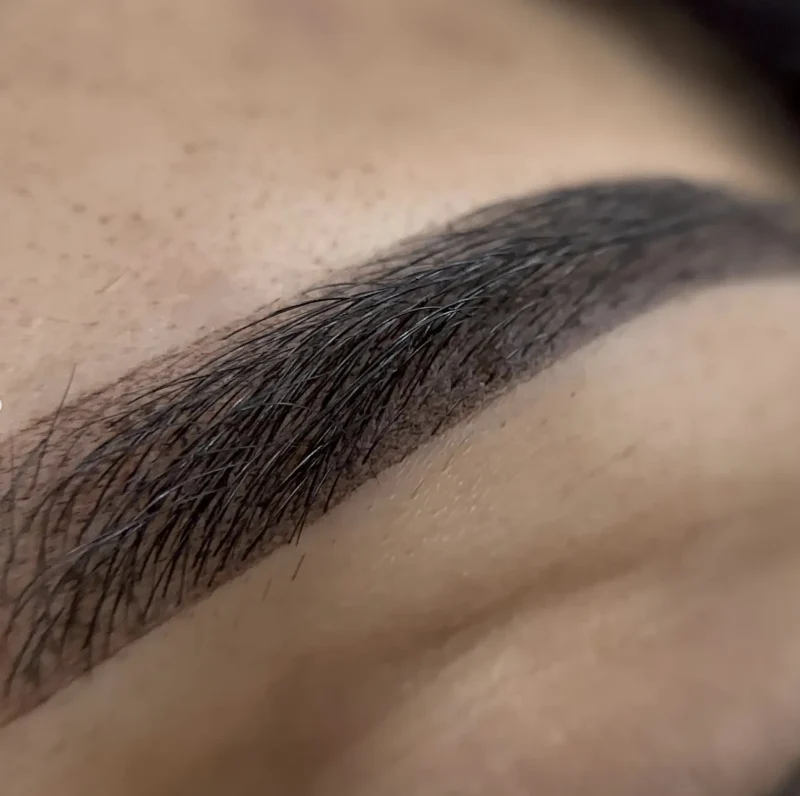
Lots of our clients use LED straight after getting cosmetic tattooing done, and it really helps with:
Faster healing
Less inflammation
Better colour retention
Ageing And Photoaging Skin LED helps out with:
Smoother skin texture
A more even complexion
A healthier dermal structure
Fine lines just seem to soften up and fade away
Acne And Inflammatory Skin Clients tend to see:
Redness calms down
Swelling goes away
You get better at keeping acne at bay
It’s not overnight magic – it’s just steady progress that adds up over time.
Is It Worth It In Brisbane?
If your goal is to perk up your skin, reduce inflammation, ease aches, or help your skin heal faster after a lip or brow tattoo, then absolutely, it’s worth it.
And if you’re after a facelift without going under the needle – sorry, no can do.
Red light helps your skin function better, heal faster, and stay in good condition over the long term. And in a climate as sizzling as Queensland’s – well, that kind of help is like winning the lottery.
Final Reflection
Red light therapy isn’t a magic bullet, but it’s among the safest, most versatile, scientifically backed treatments for supporting collagen production, healing, and skin health. When you live in Brisbane’s climate, where your skin is exposed to heat, humidity, UV, and inflammation every day, a little help from red light therapy can be the difference between looking good and feeling great.
artist
Since 2016 of expertise in the professional tattooing industry, Anastasia is a certified and licensed beauty cosmetic tattooing specialist. She has all the necessary licenses and qualifications for permanent makeup in Europe and Australia.
It can happen, especially if you have higher Fitzpatrick skin types or sensitive skin, but taking good care of yourself after a treatment can significantly reduce the risk.