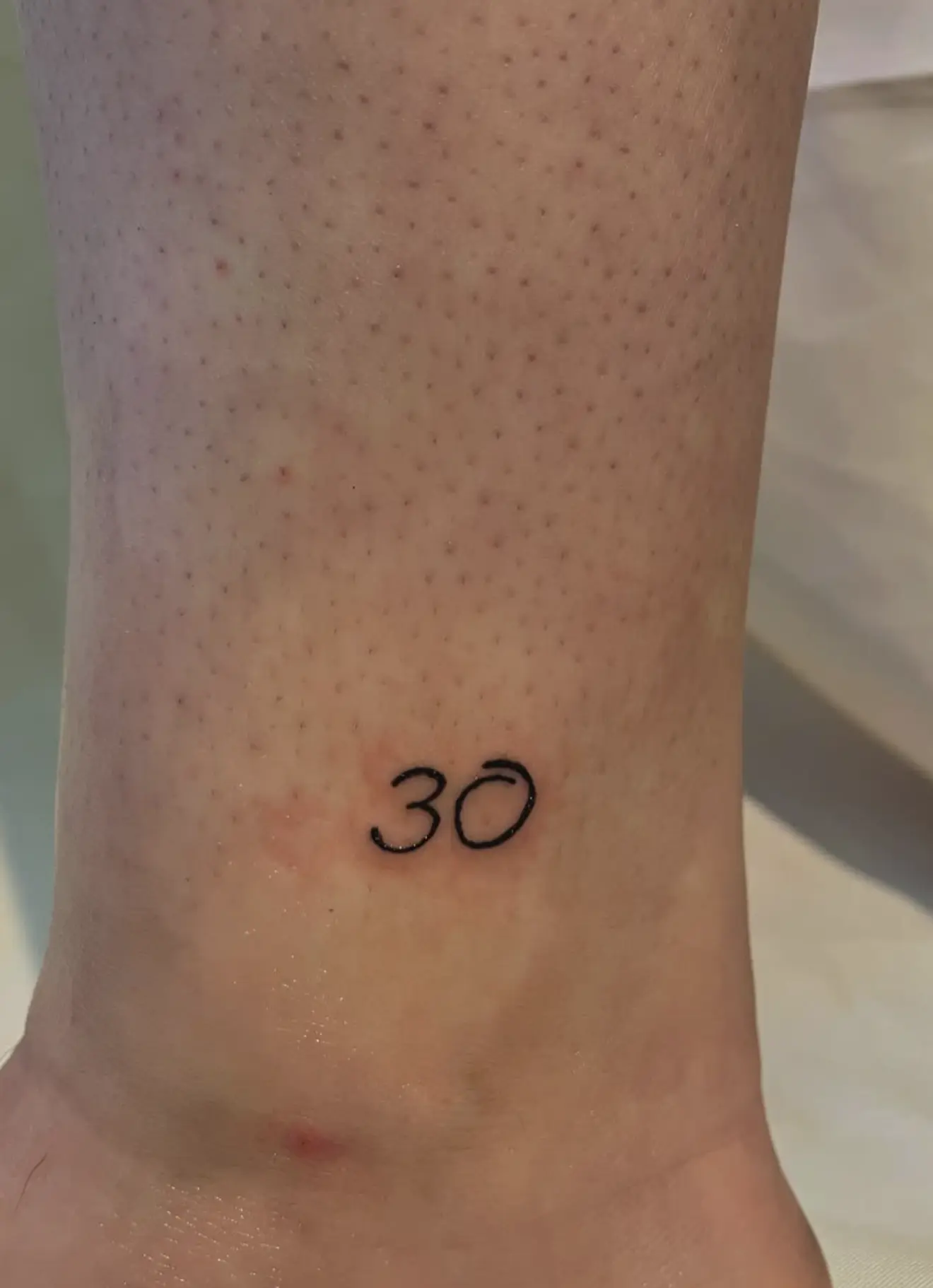
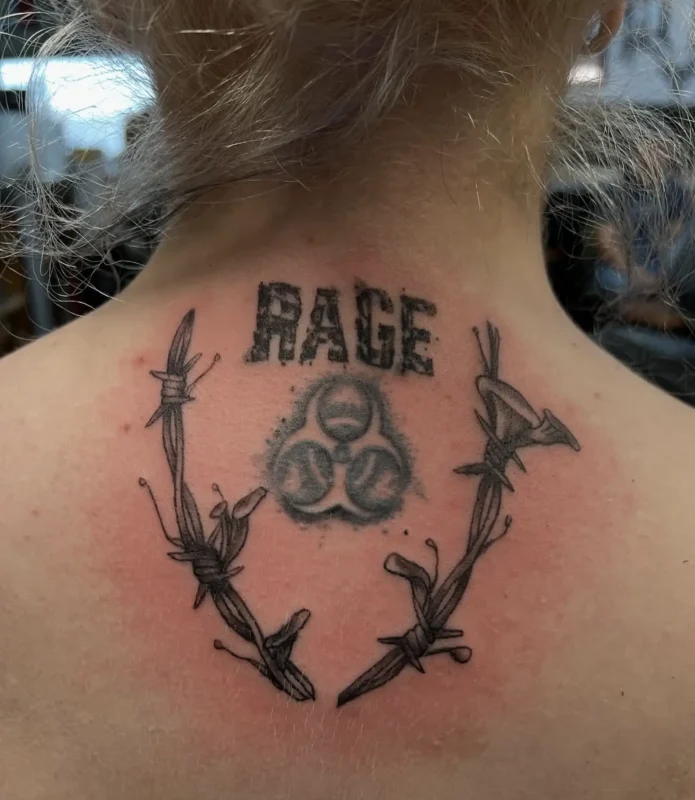
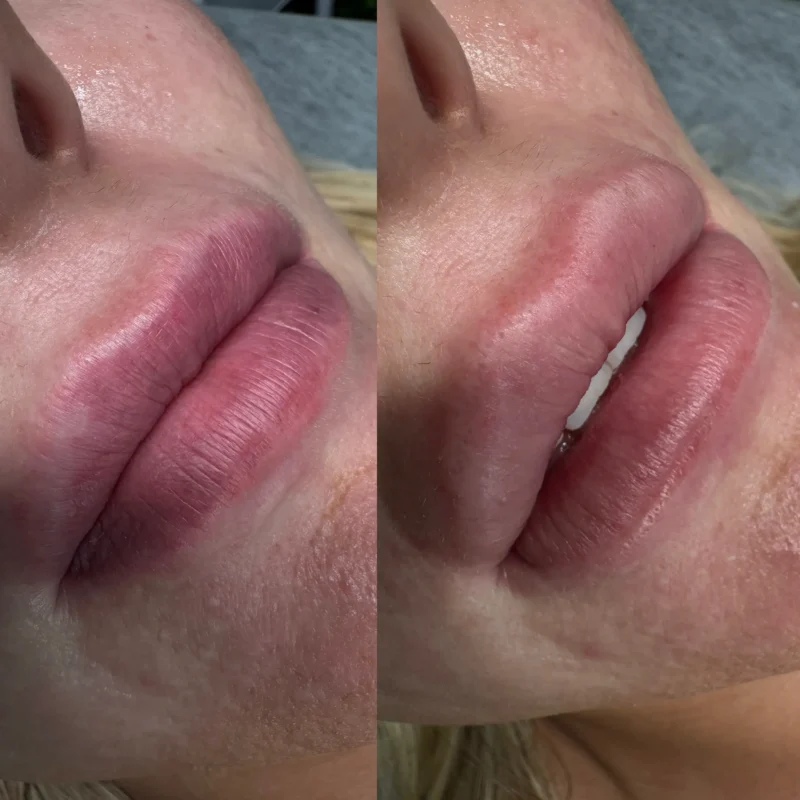
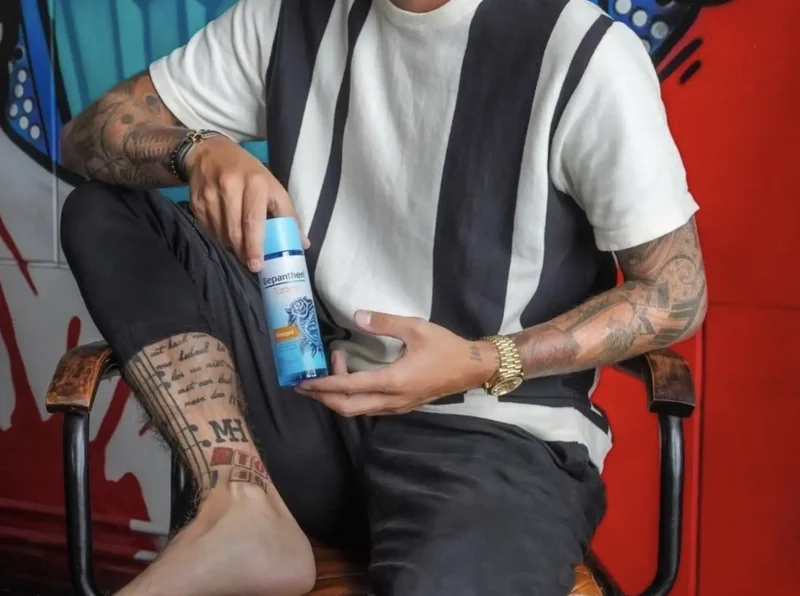
Every week, we get asked the same question: “Can I ruin a new tattoo?” And honestly — yes, you can. But not because your tattoo artist did a bad job. Most tattoo issues come down to the healing process and how you handle aftercare in those first few days.
We’re Uliana Kasperska and the Beauty Brisbane team — professional tattoo artists with over 15 years of experience in both cosmetic and body tattooing. Whether it’s a fine-line design or a soft lips, we’ve seen how proper aftercare instructions make or break your final result.
So let’s go through what can go wrong, how to prevent it, and how to protect your skin (and your investment) from things like UV rays, hot tubs, and even chlorinated pools.
Once you leave the tattoo shop, the responsibility shifts from your artist to you. The first two weeks are crucial for tattoo healing — think of it as wound care with a touch of patience. Here’s what can ruin your expensive full sleeve or small fine line tattoo faster than you’d think:
Over-washing or soaking: Too much water exposure softens scabs and opens the skin to bacteria.
Hot tubs, steam rooms and float tanks: These warm-water environments are breeding grounds for infections.
UV exposure: Direct sunlight or tanning beds break down tattoo ink and slow the healing process.
Picking and scratching: You’ll pull out pigment before it settles into the dermis.
Friction and tight clothing: Constant rubbing irritates skin and disrupts blood circulation to the area.
Not using your aftercare balm: Dry skin leads to cracking, uneven healing and faded lines.
We had a client who did aerial silks training just 3 days after getting a full sleeve — the repeated friction and sweat caused patchy pigment. Thankfully, a few touch-ups fixed it, but it’s a good reminder: tattoos are art, and wounds need to rest.
Table of Contents
Common Aftercare Mistakes And How To Fix Them
Mistake
Impact
Fix
Taking long baths or swimming in chlorinated pools
Opens skin to bacteria; can cause tattoo infections
Stick to short, lukewarm showers; avoid soaking for 2 weeks
Sun exposure in the first month
Fading and inflammation
Use tattoo sunscreen SPF 30+ after healing; cover up outdoors
Using petroleum jelly
Clogs pores and suffocates the skin
Switch to breathable tattoo balm or fragrance-free moisturiser
Ignoring aftercare instructions
Leads to uneven healing and dry scabs
Follow your tattoo artist’s advice daily
Wearing tight gym clothes too soon
Causes irritation and impacts friction
Opt for loose, breathable fabrics until healed
The Science Behind Skin Regeneration
Skin is a living organ, not a canvas — it regenerates every 27 to 40 days. During this time, pigment settles into the dermis while the outer epidermal layers heal and shed.
In the first week, you’ll notice mild swelling, tightness and maybe some light oozing — all normal. By week two, flaking begins as dead cells lift away. By week three or four, your tattoo may look faded or cloudy (this is the “ghost phase”). Once the new skin matures, clarity returns, usually around week six.
Immune response: stronger immune systems fade ink faster.
Aftercare: the more consistent you are, the better it heals.
A 2024 clinical study published in Dermatologic Therapy found that over 70% of poor tattoo outcomes were due to aftercare errors — not artist technique. The science is clear: your daily habits shape your final result.
If You Think Your Tattoo Is Damaged
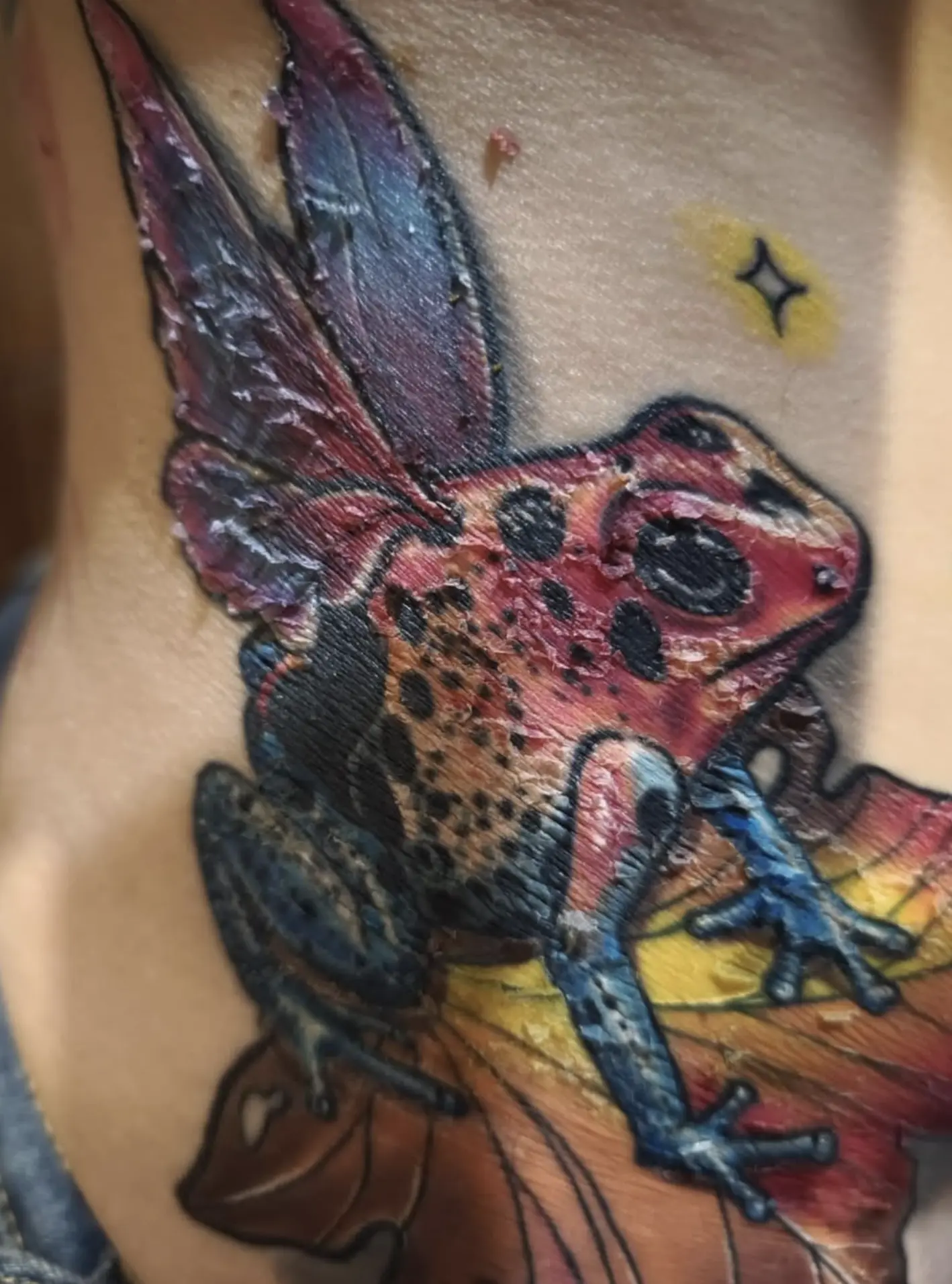
Don’t panic — most “ruined” tattoos are fixable. If you see light scabbing, uneven tone or patchiness, your skin’s still doing its job. Here’s what to do:
Stop touching or scrubbing. You’re disrupting the barrier your body’s building.
Clean with fragrance-free antibacterial soap and pat dry with medical-grade gauze.
Apply a thin layer of tattoo balm or fragrance-free moisturiser to restore hydration.
Watch for signs of infection: pus, spreading redness or extreme heat.
Call your artist if something feels off.
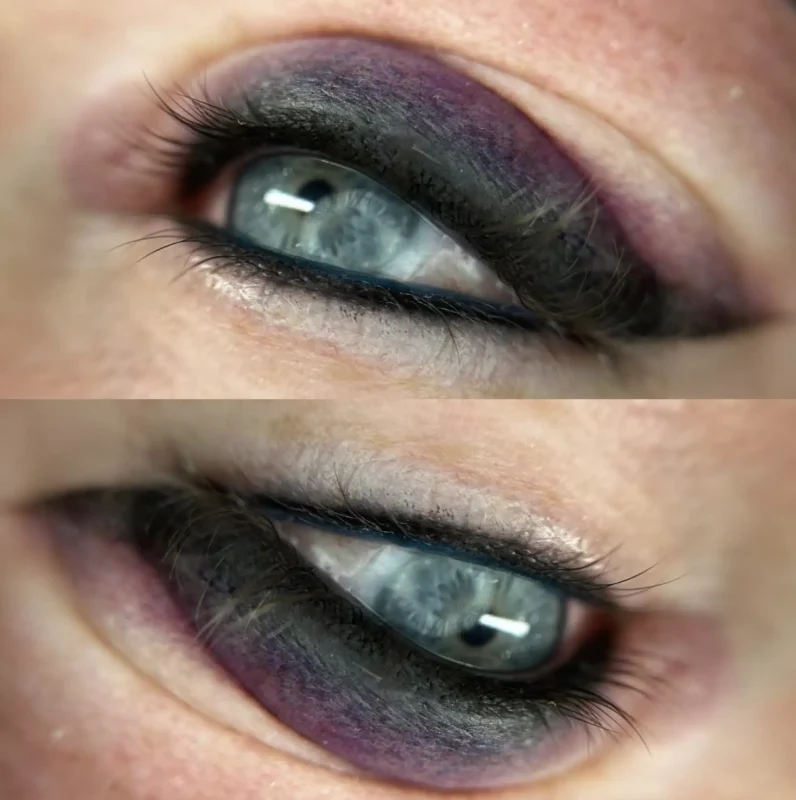
One of our regulars once came back after catching a healing brow tattoo on her jumper sleeve — she thought it was ruined. It wasn’t. The pigment had simply lifted in one small area and was easily corrected during her perfecting session.
Infection And Inflammation
Tattoos are technically controlled injuries, and infection prevention is half the job. Here’s how to protect your new ink and your health:
Use sterile, medical-grade bandages or “second skin” dressings for the first 24–48 hours.
Avoid warm-water environments — hot tubs, steam rooms, infrared saunas, float tanks and chlorinated pools for at least 2 weeks.
Keep your immune system strong — good sleep and hydration boost your metabolism and healing.
Change your bedding and clothes daily to prevent bacterial transfer.
Avoid contaminated ink touch-ups — only visit certified tattoo shops with proper hygiene licensing.
Also, remember that tattooing carries a rare risk of bloodborne disease when done by unlicensed operators. Always check your studio follows Queensland Health infection control standards to avoid exposure to hepatitis B, hepatitis C or other pathogens.
Long-Term Tattoo Care Tips
When your tattoo is fully healed, establishing long-term care habits is key to keeping that colour looking great and your skin in top shape. The truth is, how your tattoo looks in the long run depends on how you live—UV exposure, hydration, and even your metabolism all play a part.
Use a sunscreen with at least SPF 30 every day to prevent fading.
Moisturise daily using a fragrance-free formula with vitamin E or shea butter.
Avoid harsh exfoliation that speeds up pigment loss.
Drink plenty of water to support circulation and elasticity.
Never laser or peel over a tattoo without professional advice.
If your tattoo is looking faded or problematic, options like saline tattoo removal or a cover-up may help — but only after a proper skin health assessment. Safety always comes first.
artist
With professional experience since 2016, Anastasia specialises in tattoo healing and aftercare, with particular expertise in lip blush and fine line tattooing. Fully certified and licensed in Europe and Australia, she applies advanced healing protocols to support skin recovery, colour retention, and smooth, long-lasting results.