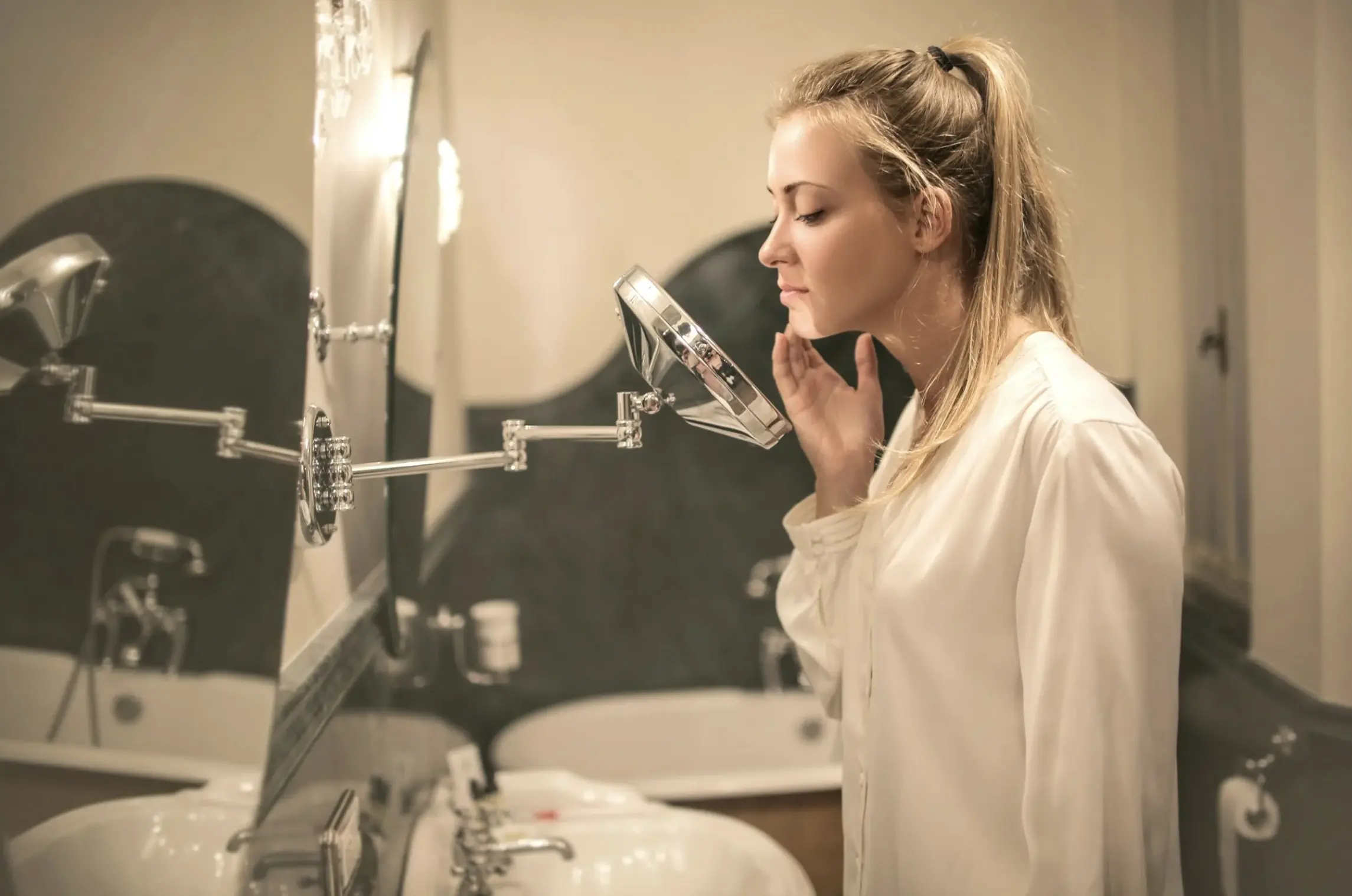
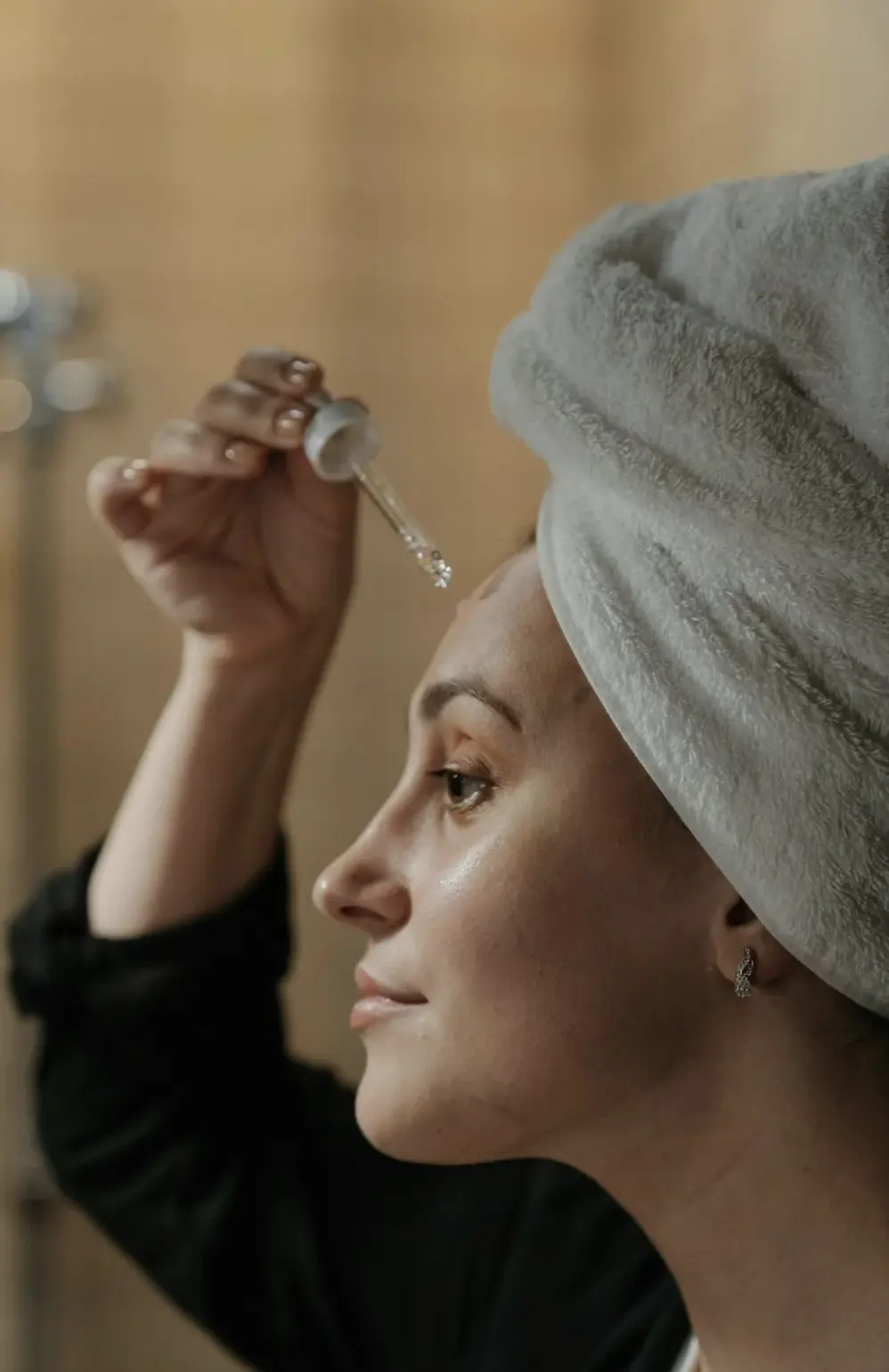
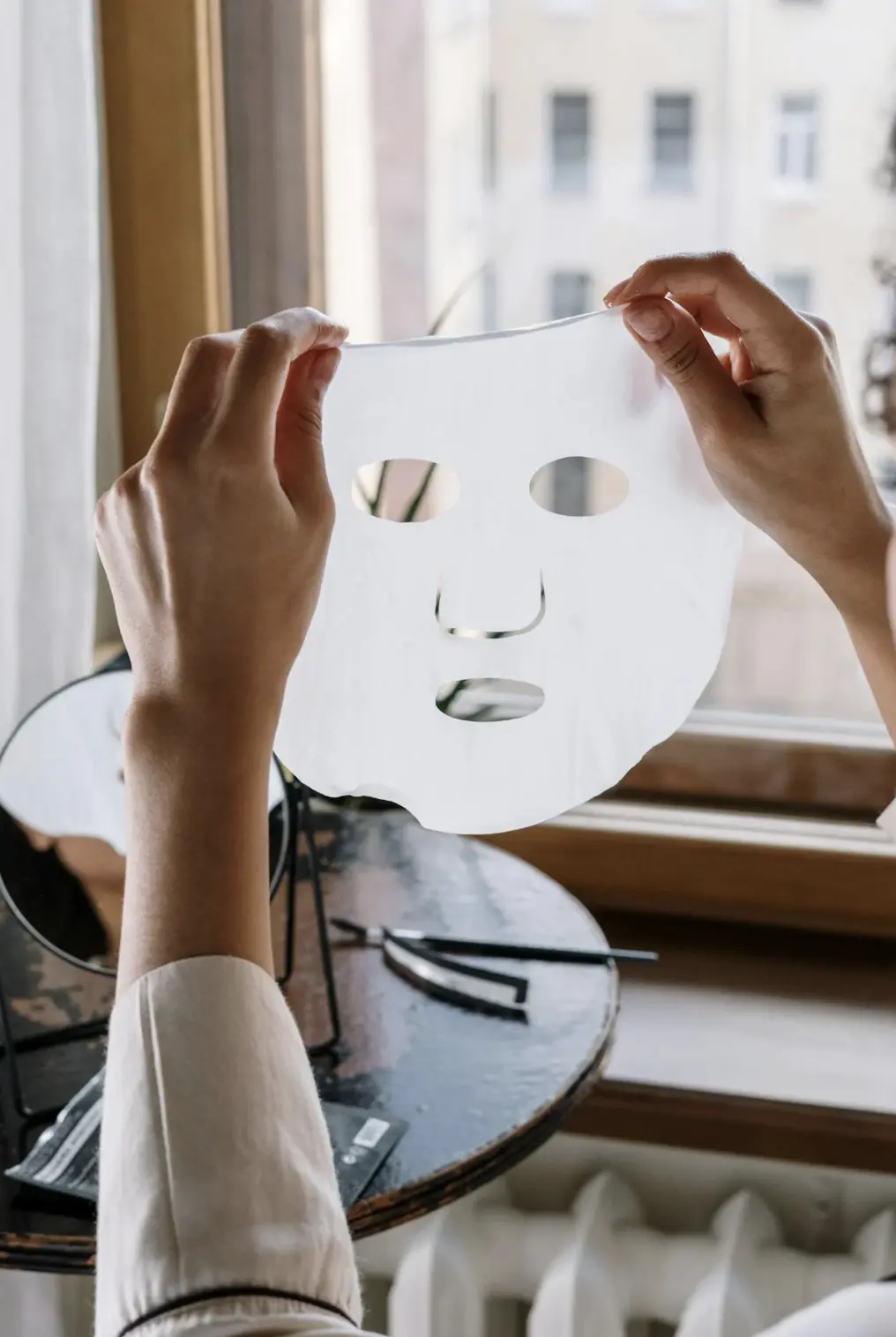
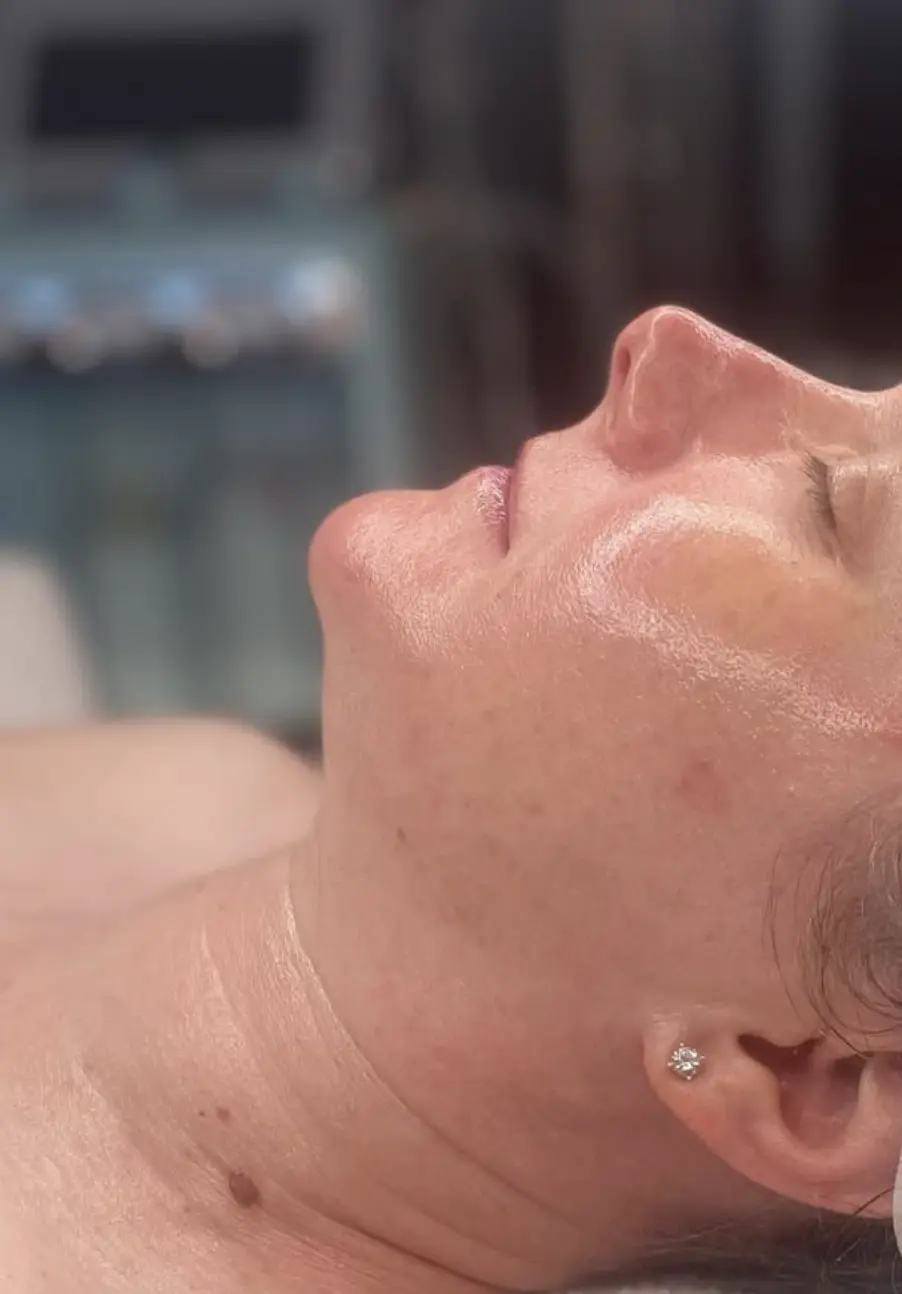
When clients ask me, “What should I do before my appointment?” I always get a kick out of it – because how to prep your skin before any cosmetic procedure is basically a no-brainer way to get your skin in better nick, reduce sensitivity, and turn up to your appointment feeling like a blank canvas ready for whatever treatment is on the cards. As someone who’s spent years helping Brisbane clients sort out their skin prep game, I’ve learned that there’s no need to get all high-tech or use harsh exfoliants – just reasonable old-fashioned steps to get your skin in top condition.
If you were sitting in my treatment room, getting this pre-treatment rundown, I’d be talking to you about personalising advice for your skin, getting you up to speed on the latest products and their benefits, what you need to think about depending on your skin type, and the simple tweaks to avoid irritation, uneven healing, or the dreaded hyperpigmentation that comes after treatment.
Your skin’s in a pretty vulnerable state before any cosmetic treatment – it determines how well you’ll handle the good stuff (active ingredients) and how smoothly you’ll heal afterwards. When you prepare in advance, the experience is more predictable, allowing us to do our work without complications.
Whether you’re after cosmetic tattooing, dermal fillers, laser treatment, a chemical peel or one of the many other treatments on offer, one thing is for sure: skin prep really does make a difference because it helps cut down on:
And living in Brisbane, where the weather’s always warm and humid, skin prep is just that much more crucial to keep your skin hydrated & reacting to treatments the way you want it to.
Your skin barrier is the foundation of everything – and if it’s dry, inflamed, or too stressed from potent actives like glycolic acid or salicylic acid, your treatment is going to be a whole lot more uncomfortable and healing times are just going to drag on.
And the thing is, hydrated skin doesn’t just look better; it’s also much more receptive to your pre-treatment product and reacts much less during the actual procedure. And let’s be honest, a strong, calm barrier is the best insurance policy against redness, swelling and sensitivity – it’s the holy grail of skin health.
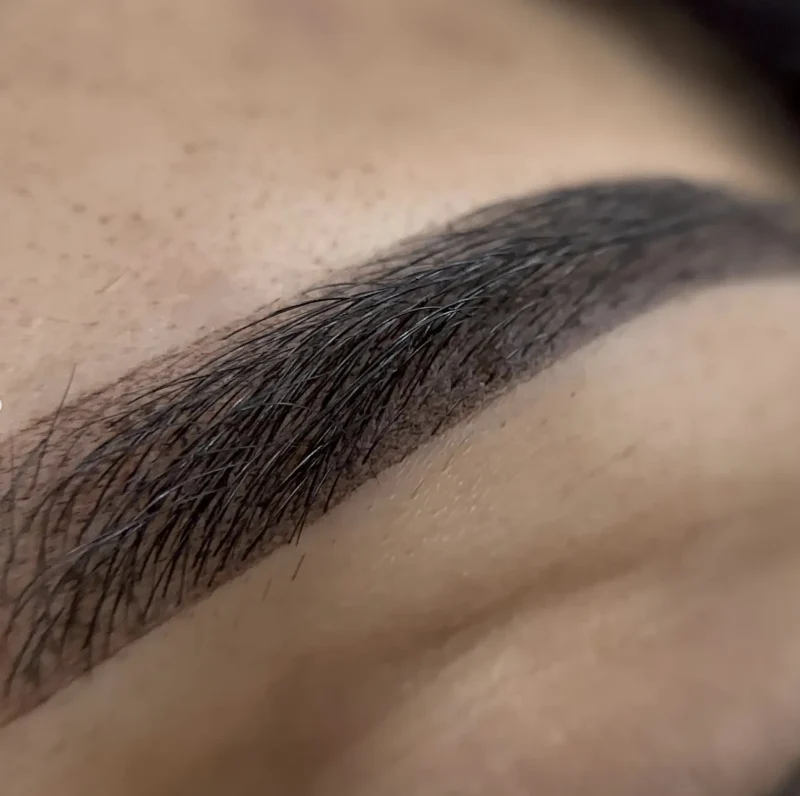
If microblading or lip blush clients do their prep properly, they come in with skin that’s in top nick – that means better pigment retention, smoother strokes and fewer touch-ups. But if your skin is dry or irritated, it’s just going to grab at that pigment unpredictably and then heal all patchy – not good.
Brisbane is just the best – but that UV? Not exactly your skin’s best friend before cosmetic work.
If your skin has been exposed to excessive sun or direct sun in the days leading up to treatments, it’s at risk of irritation, inflammation, and generally being a challenge when it comes to pigment.
If your skin’s been a bit sun-stressed, it will struggle to heal and be much more reactive. And no, a light tan isn’t harmless – in fact, it’s probably one of the top causes of sensitivity and uneven healing after lip blush.
Certain ingredients, habits, and supplements can significantly increase bruising, bleeding, or sensitivity. Pausing these helps keep your skin calm and reduces risk—especially for dermal fillers, injectables, and fine line tattooing.
| Product / Activity | Stop Before | Why |
|---|---|---|
| Retinol/retinoids | 5–7 days | Reduces irritation + compromised skin barrier |
| AHAs/BHAs (glycolic acid, salicylic acid) | 3–5 days | Prevents over-exfoliation and increased sensitivity |
| Fish oil, vitamin E, and blood thinners | 48 hours | Minimises bruising for injectable appointments |
| Alcohol | 24 hours | Reduces swelling + bleeding |
| Hair removal in the treatment area | 5–7 days | Avoids micro-abrasions |
| Intense exercise | 24 hours | Helps keep inflammation low |
Data note: Barrier-disrupted skin shows a 30–50% higher inflammatory response during cosmetic procedures (dermatology data, 2024).
Every treatment is unique – so should your prep plan be:
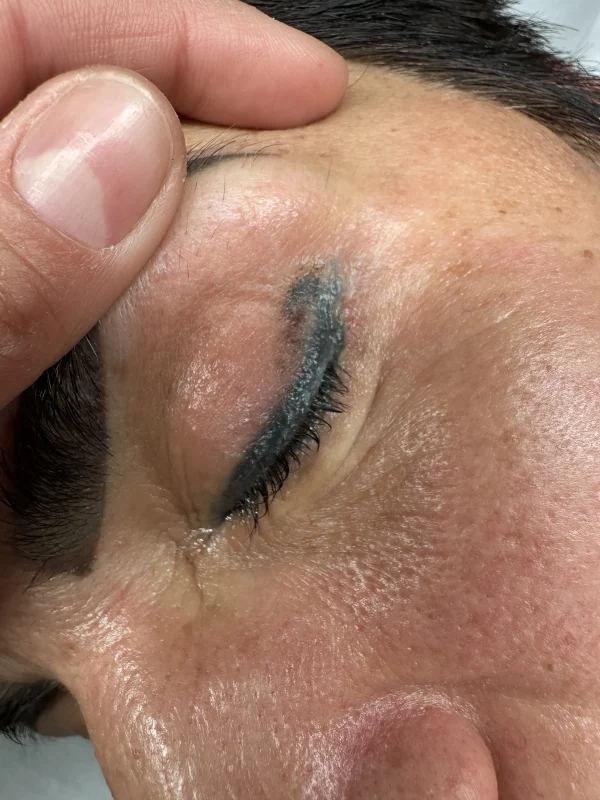
Studio Insight: When we’re preparing clients for eyeliner tattooing at Cosmetic Tattoo Studio Brisbane Face Figurati, we always emphasise the importance of caring for your skin before your procedure. When our clients follow our prep tips – keeping their skin hydrated, protected from the sun and avoiding harsh products – they tend to heal cleaner, their pigment looks more even, and they need fewer follow-up procedures.
What you put into your body can affect everything – from swelling and bruising to how long you take to heal and even how well your results last. Good skin prep isn’t just about taking care of the surface – it’s about getting your whole body in shape, too.
It’s essential for injectables – dehydration or stimulants can make the process a lot more uncomfortable for you.
By avoiding these traps, you set yourself up for a smooth process, a predictable outcome, and results that last well beyond the initial excitement.
The truth is, proper skincare prep is the unsung hero behind all of this. Whether you’re getting fillers, a tattoo, a laser treatment or a peel, following these steps gives your practitioner the best possible canvas to work with.
Since 2016 of expertise in the professional tattooing industry, Uliana is a certified and licensed beauty cosmetic tattooing specialist. She has all the necessary licenses and qualifications for permanent makeup in Europe and Australia.
Absolutely not – heat and sweat are the last things you want to be dealing with right before a treatment. Trust me, you don’t want to be in a hot, sweaty state, especially if you’re concerned about irritation afterwards.
No – harsh exfoliants like glycolic acid or salicylic acid can totally screw up your skin’s barrier function and cause all sorts of problems with healing.
No – always, always, always arrive without a scrap of makeup on. It’s just good hygiene and makes a total difference to how well the treatment goes.
Yes – some of these things can act like blood thinners and make bruising way worse, especially with things like injectables and fillers.
Well, if your skin is all reactive and stuff, it’s just going to make everything more complicated – you’ll be at increased risk of hyperpigmentation, irritation, and delayed healing. Try to limit your direct sun exposure for a bit before treatments, yeah?