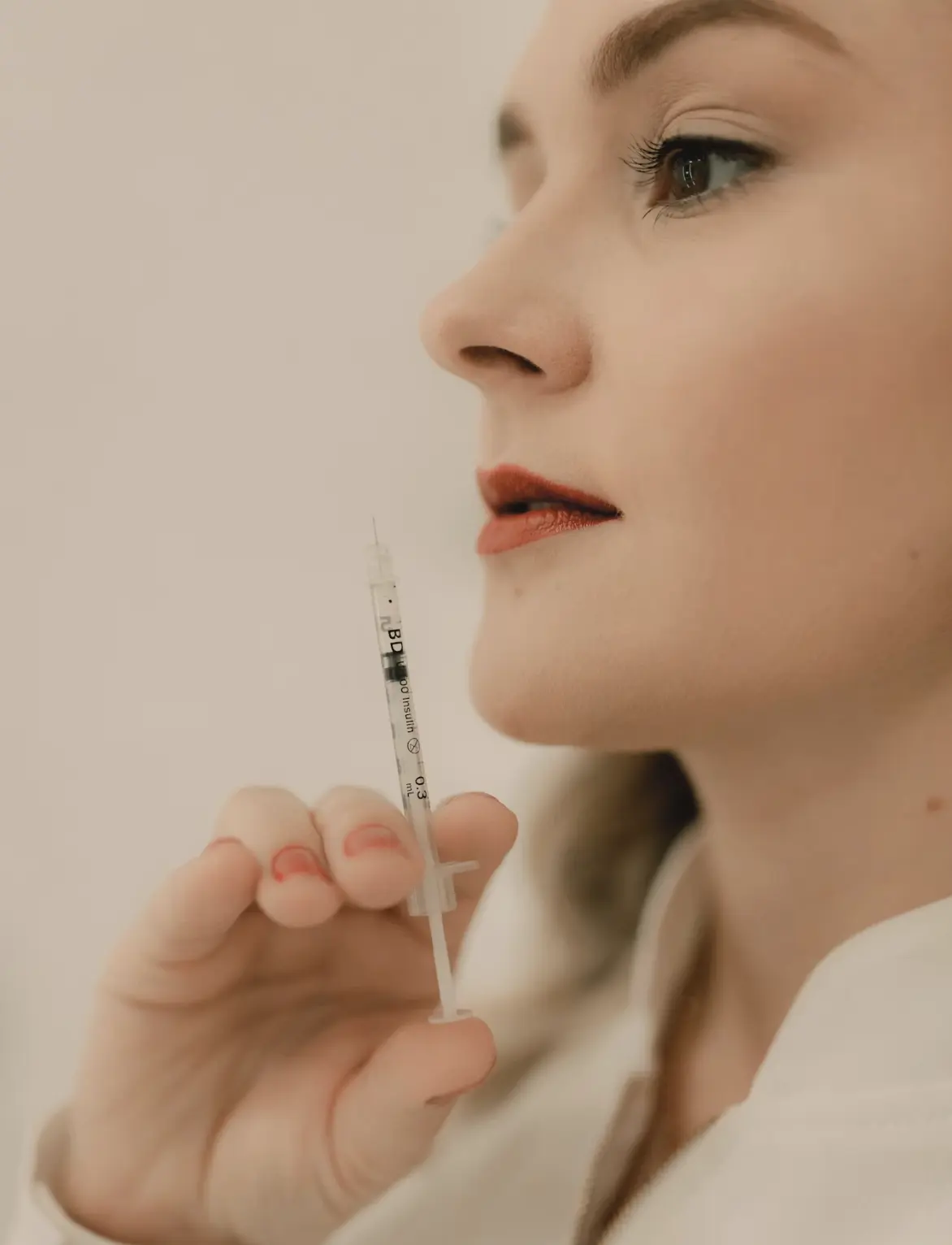
If you’ve ever wondered how to avoid overfilling the face? You’re you’re definitely not the only one. I mean, who hasn’t been there, right? We meet clients all the time who’ve had dermal fillers or rejuvenation treatments and now their faces look just a touch… puffy. Not that we do any facial fillers ourselves – we leave that to the experts – but we do work with clients who are looking for cosmetic tweaks – including hyaluronic acid fillers – and that can have an impact on how we design their brows, lips and overall facial symmetry. And let me tell you, when an over-filled face walks through the studio door – it’s pretty obvious straight away.
This article is your honest, no-bull guide to keeping your facial features looking fresh and natural – without looking like you’ve been dipped in a pillow. And yes, we’ve even seen a lip blush tattoo look completely different once the cheek volume starts shifting.
Table of Contents
The Real Reason Some Faces Look “Too Full”
Overfilling usually happens when facial contours are treated in isolation, rather than considering the overall anatomy, natural proportions, tissue layers, and how mid-face volume affects your appearance. In aesthetic medicine, adding filler without respecting those deeper structures can create a distorted look – and even small miscalculations of cheek anatomy can change your facial structure far more than you’d expect.
The Psychology Behind “Just a Bit More”
The way filters work on social media can play tricks on your mind. Trends get all the hype, and before you know it, you’re convinced you need more filler treatments because your face doesn’t look like that of someone you’re comparing yourself to. We’ve had clients with gorgeous natural contours who were worried about their nasolabial folds or tear trough areas looking a bit rough, when in fact it was all about facial aging or just a bit of bad lighting.
What We Notice Most in Brisbane
Brisbane’s humidity does tend to make visible swelling after hyaluronic acid treatments more noticeable. At Cosmetic Tattoo Studio Brisbane Face Figurati, we regularly meet clients who think they’ve lost volume or need extra filler, only to find that their skin is just holding water. We’ve even had one client come in straight from a hydra facial in Brisbane, wondering why her lips looked a bit puffy – it’s not a filler problem, it’s just the hydration doing its thing!
How Facial Shape Guides Subtle Cosmetic Choices
Cosmetic work – whether it’s tattooing or filler work – all comes down to one thing: facial anatomy. And if you’re going to do it right, you need to have a good eye for what looks natural. Before you start adding volume with those facial fillers, take a look at how the zygomatic bone, the fat in the midface, and the way the soft tissues all interact with each other. How do they affect your face when you’re just sitting there, and when you’re moving around?
Fundamental Ratios That Keep Faces Harmonious
Divide up your face into thirds: right across the forehead, the midface and the lower face.
Measure your face in fifths: that’s the natural spacing across the face.
Make sure your profile looks good: cheek projection, lip ratio and chin position all need to work together in harmony.
Even something as subtle as doing aquarelle lips with a filler – it can look totally different depending on how you’re reshaping the surrounding tissues.
Why Movement Matters
A face that looks great in a still shot can start to look weird when you’re speaking or smiling, if you’ve overfilled it. And filler fatigue (when your skin just starts to tighten up and get less supple) makes this all even more obvious. As cosmetic tattoo artists, we’re used to watching faces move, and we use that to ensure our brow work, lip blush, and lip liner tattoos look good, even when our clients are talking or smiling.
Where Extra Volume Shows Up First
There are some areas of the face that are just super responsive to even a tiny bit of extra volume, so these are the first places you’ll notice if you’ve overdone it.
Cheeks: The Fast Track to Pillow Face
Cheek enhancement is meant to restore midface volume, but too much can create the classic pillow-face look. We see overfilled cheek fillers when clients come in for brow mapping, and their zygomatic area appears rounded, shiny, or overly projected.
Lips: When Hyaluronic Acid Meets Brisbane Humidity
So hyaluronic acid fillers just absorb water, and in a place like Brisbane, that means they can swell up a bit more easily than they would somewhere cooler. And that makes lip tattoos designs that were supposed to look good look all uneven and wrong. Especially if you’re trying to correct things after the fact.
Tear Trough: Subtlety Is Everything
This is an area that’s really sensitive to even a tiny bit of extra volume. If you get it wrong with the filler – or if you just put too much in there in the first place – you can end up with a puffy under-eye look that looks really odd.
Nasolabial Folds: Not Always a Filler Issue
Sometimes these folds are just a sign of your cheeks sinking a bit, and overfilling them is just going to make things look even more heavy and lumpy.
How We Help Clients Maintain Natural Shape
Most of the time, the best results come when you know when to say when, seasoning: not when to keep piling it on. Think of fillers like seasoning: you can always add more, but you can’t always take it away. A little bit of hyaluronic acid filler spread out over a few appointments will give you a far more natural look and save you from that unflattering, overfilled face.
Things our smart clients do:
Start with just a tiny bit of filler
Take another look at your face once the swelling has gone down
Give it 4-8 weeks before adding more
Compare how you look in movement vs still
Work With Professionals Who Value Subtlety
A really skilled injector thinks about all the right things – proportion, contours and how your skin will look in years to come. They’ll have a chat with you about what filler is best, and what happens if you decide you don’t like it anymore – that sort of thing. At Cosmetic Tattoo Studio Brisbane Face Figurati, we often send our clients to people who keep things simple – because those are the people who age well and tattoo well too.
Consider Climate And Lifestyle
Fillers behave differently in this sort of climate. Injectors who understand how the weather and your lifestyle can affect the way things look on your face will do a better job of making you look great – and for longer.
Sometimes when people are trying to balance out a wonky face or deal with some volume loss, they also think about getting ombre lips permanent makeup, but you don’t want to do it when your lips are all puffy.
Real Studio Experiences (Without Naming Names)
Real-life examples are a great way to show just how small changes can totally turn a face around.
The Time a Lip Colour Refresh Went Awry
A client came in for a colour refresh and was worried about the shape of her lips. Trouble was, her filler was still settling – not exactly ideal for tattooing. Once the swelling had gone down, her shape came back, and the design for her lip blush treatment looked perfect.
The Cheek That Needed a Second Opinion
Another client came to us with a lot of filler in her cheeks, making her look way puffier than she actually was. We told her to go back to her injector and see if they could sort it out with an enzyme to dissolve it. Once the filler was out of the way, her face looked great, and her brow tattoo really stood out. It’s really interesting to see how closely face rejuvenation and tattooing are connected.
A Simple Guide to Understanding Volume Levels
Seeing typical dosage ranges helps you understand what “small amounts” actually look like in real life.
Area
Typical Subtle Amount
Signs of Overfilling
Cheeks
0.5–1 ml per side
Overfilled cheek filler, puffiness, pillow face
Lips
0.5–1 ml
Migration, swelling, blurred borders
Tear Trough
0.3–0.5 ml
Puffiness, shadowing
Nasolabial Folds
0.3–1 ml
Heaviness, flatness in midface
Stat: In 2025, more than 37% of dissolving filler appointments in Australia were linked to overfilled faces rather than incorrect injection technique.
How Volume Settles Over Time
Understanding the way volume settles in the face helps you avoid mistaking a temporary puffiness for a long-term overfilling problem.
Week 1
At this stage, your body is absorbing the filler material and hydrating the area. Swelling will be at its peak, and for a little while, the filler will make the area look a bit puffier than it should.
Week 2–4
It’s during this time that the filler starts to integrate with your natural tissues – and you may start to notice that the effect is starting to wear off a bit sooner than you’d like if too much was used.
Week 8–12
It’s only after this that you’ll start to see your true facial contours emerge, which is also when planning any cosmetic tattoo work becomes easier as the lip tattoo healing process depends heavily on stable facial volume – and this is actually the ideal time to consider making any corrections or getting your facial tattoo mapped out at Cosmetic Tattoo Studio Brisbane Face Figurati.
Common Misunderstandings About Cosmetic Volume
Most concerns about volume come from a few myths that have got totally out of hand.
Myth 1: More Doesn’t Mean Younger
But the truth is that too much volume can actually age your face by blunting those natural contours – making you look older, not younger.
Myth 2: Only Cheap Clinics Cause Problems
But the reality is that even the best, most reputable clinics can get it wrong – whether it’s just a matter of misjudging the facial anatomy or trying to follow the latest fashions.
Myth 3: Dissolving Means Going Backwards
But thanks to the reversible nature of hyaluronic acid, when you do need to dissolve some of that filler, you can often get back to where you started in no time – and have your confidence restored.
Questions to Ask Before Adding More Filler
Before you go ahead and add more filler, you should really ask yourself:
Does this look like it will follow my natural contours?
Will it change my expressions?
Is this addressing the volume loss or just masking something else?
Should we review things at a follow-up appointment before deciding on more — especially if you’re planning tattoo work later and need to consider proper aftercare eyeliner tattoo routines as well?
Asking yourself these questions will help prevent most cases of facial overfilling.
Final Thoughts
It really isn’t that complicated to avoid overfilling – it’s just a matter of being patient, showing some respect for facial anatomy and aesthetics, and working with an injector who actually values natural beauty. At Cosmetic Tattoo Studio Brisbane Face Figurati, we see firsthand the difference that a proportion-based design can make to every face.
Face Filling Expert
Since 2016, Uliana Kasperska has worked in the cosmetic tattoo and aesthetic industry in Brisbane, focusing on natural-looking results and balanced facial proportions. With professional training across Europe and Australia, she helps clients understand how gradual, well-planned treatments support facial harmony and prevent the heavy or overdone look that can happen when procedures are rushed or excessive.
Well, if you’re experiencing swelling, stiffness, disproportion, or changes to the shadows around your tear trough, it’s a pretty good indication that you might have too much filler.