

If you’ve ever Googled how to avoid hyperpigmentation after procedures, then you’ve probably got a head start on many of the people who come into our Brisbane studio – usually after spotting some unexpected dark patches after a treatment. That’s us – and let me tell you this: post-treatment hyperpigmentation is avoidable in most cases – but only if you take the time to get to know your skin and follow the right steps before, during and after treatment.
In Brisbane’s climate – we’re talking intense UV rays, high humidity and 12 months of sun exposure every year – your skin is already working overtime. Then you add procedures like dermaplaning, or a hydrafacial into the mix, and your melanocytes can get a bit overexcited, causing them to produce more melanin. That’s when post-inflammatory hyperpigmentation (PIH) shows up at the party uninvited.
The good news is that with a bit of prep, the right techniques and some decent aftercare, you can massively reduce the risk – and we’re happy to walk you through how to do it.
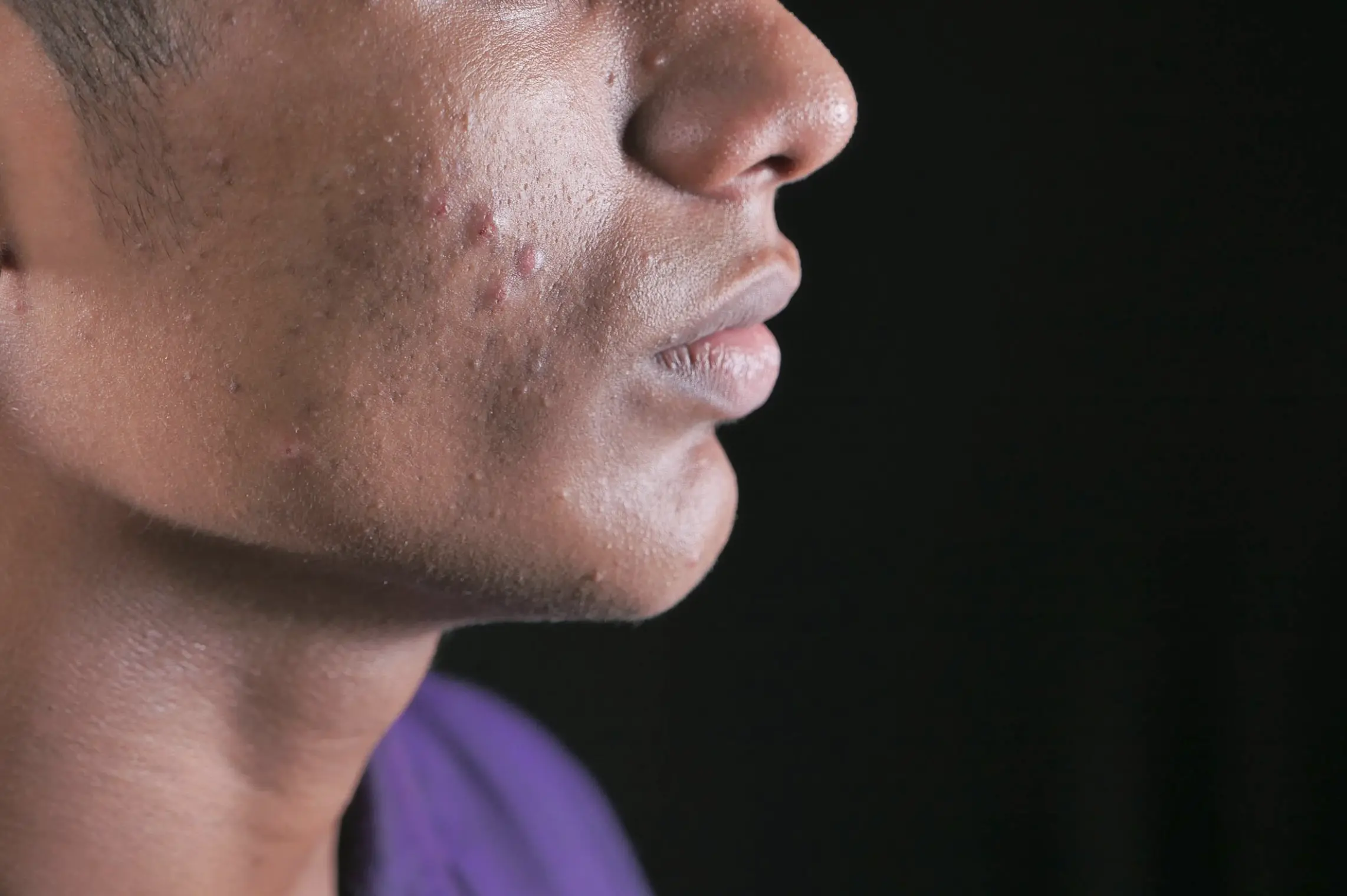
Before we jump into prevention, let’s get some clarity on the “why” behind all of this, because once you get your head around what’s going on, the rest starts to make a lot more sense.
Hyperpigmentation after treatment is usually caused by inflammation that is triggered in the skin. When that skin barrier gets disrupted – even in a controlled environment – the body starts to ramp up melanin production (which is often linked to questions like which hormone causes skin darkening) as a defence mechanism.
We’ve seen people come in after a botched facial treatment in Brisbane, where the skin got exfoliated too aggressively, and then they went out and got a bit too much sun exposure. A few weeks later, and you’ve got patchy pigment – completely avoidable with a bit more care.
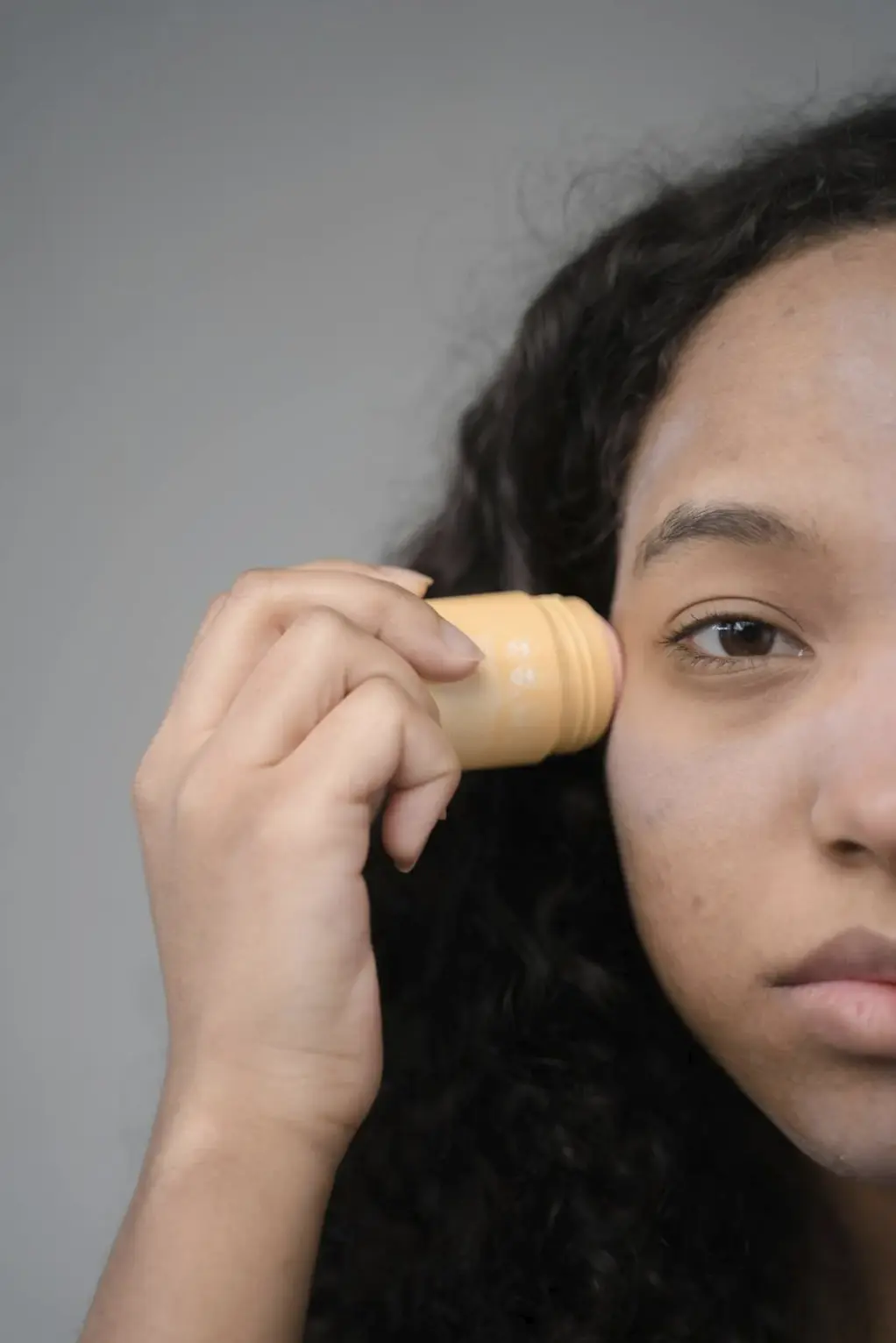
Some skin types just can’t help but over-react – and that’s where experience and a good understanding of skin really come into play.
People with Fitzpatrick skin types III to VI are more prone to PIH because they naturally have higher melanin activity. Dermatology numbers suggest that up to two-thirds of people with medium to deep skin tones will develop some form of pigmentation after skin trauma (numbers don’t lie, do they?).
At our Brisbane studio, Cosmetic Tattoo Studio Brisbane Face Figurati, we always adjust our techniques based on things like:

Preparation can really make all the difference – and for most people, it’s where things go wrong. Which is a shame because it affects how well your skin heals.
We always recommend a gentle prep facial – nothing too strong. A light hydrafacial or a session with a hydrojelly mask will do the trick, and get your skin hydrated and in a good place to handle the treatment you’re coming for.
Not every treatment is created equal. This is where having a skilled professional on board makes all the difference.
Whether we’re talking about cosmetic tattooing, lip neutralization or one of the more advanced skin rejuvenation treatments, what we’re after is:
When you stress the skin out too much, you end up with a higher risk of rebound hyperpigmentation. And that’s especially true in Brisbane’s climate, where the sun is strong.
We’ve seen cases where lip neutralization has been done too aggressively elsewhere – and the colour doesn’t even end up being the issue, it’s the trauma that’s the problem.

Here’s where most pigmentation issues begin — not during treatment, but during healing.
| Stage | Days | What Happens | Risk Level |
|---|---|---|---|
| Immediate | Day 1–2 | Redness, mild inflammation | Low |
| Early Healing | Day 3–5 | Flaking, barrier repair begins | Medium |
| Surface Recovery | Day 6–10 | Skin appears healed, but fragile | High |
| Pigment Settling | Week 2–4 | Melanin stabilises | Medium |
| Full Healing | Week 4–8 | Final skin tone and results | Low |
The biggest risk window is days 5–10, when the skin appears healed but remains vulnerable to UV exposure and irritation.
The truth is, aftercare is where it all comes together – or falls apart, pretty much as simple as that.
In Brisbane, the sun’s intense year-round. A quick trip outside, and your body starts producing melanin in no time.
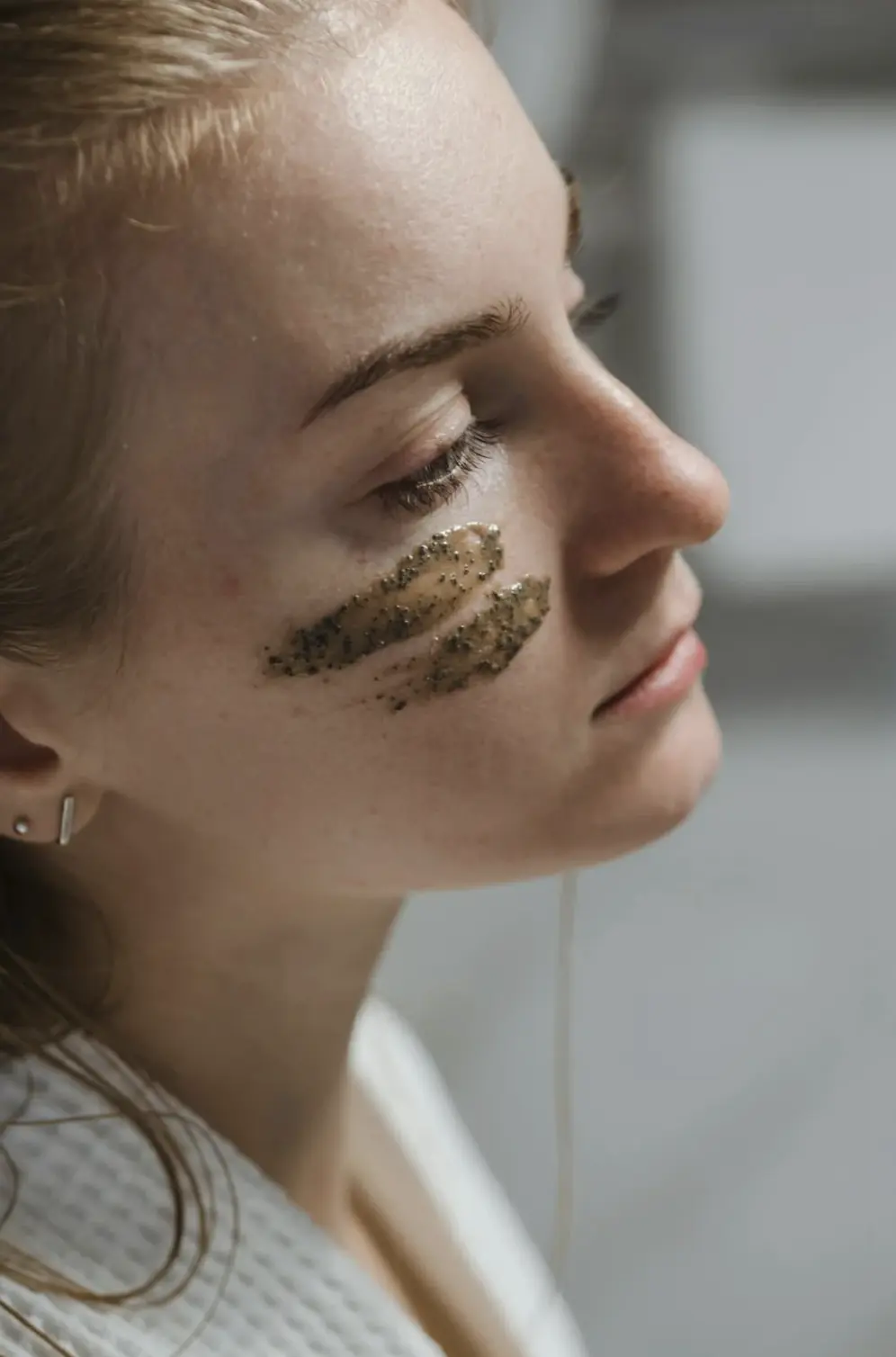
We don’t overcomplicate things — but we do think about it a lot.
These support even skin tone without damaging your skin barrier.
We had one client come in after years of trying to fix uneven, patchy pigment — after laser therapy and chemical peels had left her skin in a right old state.
Her skin wasn’t being difficult; it was just overwhelmed.
We backed off and focused on repairing the skin barrier first. No more aggressive treatments, no quick fixes — just gentle support to let the skin heal properly.
In the end, her skin evened out — and it was all because we approached it the right way.
Your environment plays a bigger role than most people realise.
In Brisbane, the UV levels stick around all year, and combined with humidity, it’s a recipe for skin inflammation during healing. Even low-impact treatments like microneedling or light exfoliation need extra caution.
That’s why we adjust our aftercare advice depending on the season — because what works elsewhere in winter just doesn’t fly here.

Unfortunatly social media’s got a lot to answer for – all these trends and ‘tips‘ just don’t sit well with real skin experts.
“A facial can’t cause pigmentation.” – Actually, if your skin is already a bit sensitised, it can – and probably will.
“SPF is just a bonus if you’re indoors.” – No way – UV still gets through windows in Brisbane.
“Hydrating masks are just a nice-to-have.” – Nope – hydrojelly masks can calm inflammation and speed up healing.
“The more aggressive the treatment, the better the results.” – aAbsolutely not. Over-treating increases the risk of inflammation and further skin damage.
Hyper-pigmentation after a procedure isn’t random – it’s a response to inflammation, UV damage and your aftercare routine. But with a bit of planning, it’s often completely avoidable.
As someone who works hands-on with clients every day – me, Uliana Kasperska – I can tell you that the difference between a smooth recovery and months of correction work (or even tattoo removal in more severe cases) often comes down to consistency with your aftercare.

Since 2016, Anastasia has worked in the professional tattooing and aesthetic industry in Brisbane, helping clients minimise the risk of post-procedure hyperpigmentation. As a certified and licensed specialist with qualifications across Europe and Australia, she focuses on proper preparation, safe techniques, and guided aftercare to support even healing.
Her approach emphasises sun protection, protecting the skin barrier, and avoiding irritation during recovery, ensuring results heal clearly and maintain a balanced, even skin tone.
Well, that depends – in some cases it can last just a few weeks, and in others it can drag on for several months. It depends on the severity and your aftercare.
Yes, they can, especially if your skin is over-treated or exposed to the sun without protection.
In a nutshell, SPF 30 or higher is a good starting point, but you need to use it daily and wear a hat.
Once the healing process is over, usually 2–4 weeks, depending on your skin.
It can, if your skin is already sensitised and you don’t follow proper aftercare.