

“How does the laser enter the skin?” is one of those questions we get all the time in the studio. Usually, it pops up right before someone books their first session and suddenly goes “wait a minute, I have no idea what’s actually going on underneath it all”.
Short answer: the laser isn’t going to “enter” your skin like a bloody needle. What it does is deliver a controlled blast of laser energy through a focused beam that penetrates the outer layers and zeroes in on specific targets (such as pigment, water, or blood vessels), depending on the treatment. No cutting, no poking – it’s just good old laser tech doing its thing at a very precise depth.
At Cosmetic Tattoo Studio Brisbane Face Figurati, Uliana Kasperska and our team make sure to explain all of this clearly during consultations. And honestly, once you understand how lasers work, the whole process is a heck of a lot less intimidating – and a whole lot more logical.
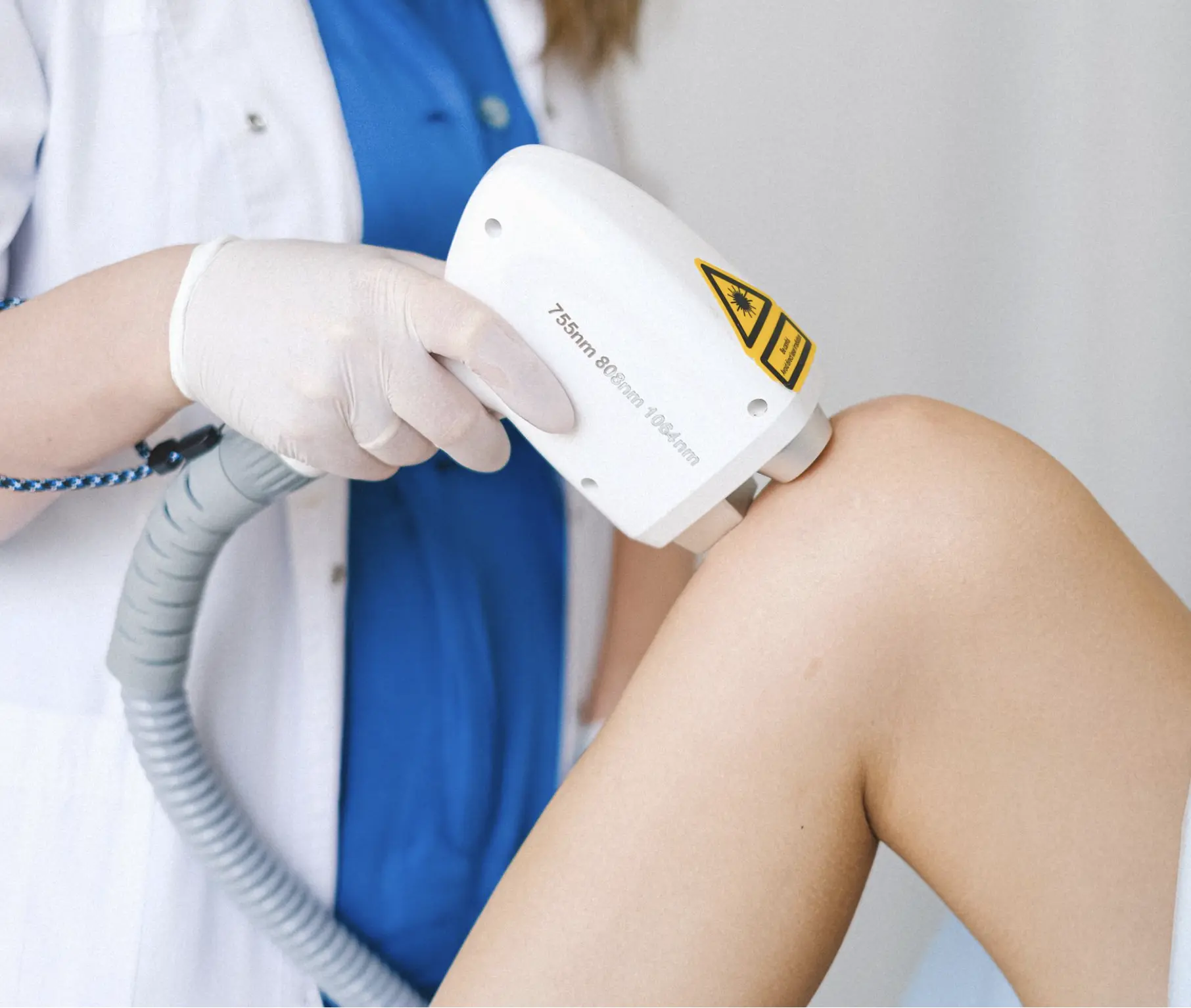
Before we get all into the nitty-gritty of layers and depth, let’s get one thing straight. A laser won’t pierce or puncture your skin.
It’s just a focused beam of laser light, generated inside a fancy optical system (an optical cavity) that amplifies and directs the energy in a way that’s totally under control. The energy just travels on through the skin and is selectively gobbled up by the bits it needs to affect – pigment (including colours commonly used in lip neutralization tattoo procedures), water or blood vessels – depending on what treatment you’re doing.
I tell clients sometimes that it’s like sunlight through a magnifying glass – it doesn’t “enter” the surface in some physical way, but it delivers that energy exactly where it’s needed..

Now let’s actually break it down properly – because this is where things start to get really interesting. And honestly, most Google answers just fall flat. Your skin has three main layers:
The laser energy just slips through the epidermis and into the dermis without cutting the skin open, which is why treatments like fractional laser and advanced laser therapy can get to work on the deeper stuff while the surface stays pretty intact.
No incision. No “entry wound” – just controlled energy being absorbed.
Not all lasers behave the same — and this is where professional training really matters. Using the wrong depth or wavelength can lead to skin damage or uneven results, and understanding laser vs ipl skin concerns is one of the most important parts of choosing the right treatment.
| Laser Type | Target | Depth | Common Use |
|---|---|---|---|
| Q-Switched / Pico | Pigment | Mid to deep dermis | Tattoo removal, pigmentation |
| Fractional Laser | Water in the skin | Surface to mid dermis | Skin resurfacing, fine lines |
| Fractional Ablative Laser | Water (deeper) | Mid to deep dermis | Acne scars, scar tissue, wrinkles |
| Carbon Dioxide Laser | Water (ablative) | Deep layers | Laser peel, resurfacing |
| Pulsed Dye Laser | Blood vessels | Surface layers | Redness, spider veins |
| Intense Pulsed Light | Pigment & vessels | Surface to mid | Sun damage |
In our Brisbane clinic, we’re often explaining to people that not every skin concern needs laser – sometimes a hydra facial treatment or a dermaplaning facial makes a lot more sense for getting your skin texture back in order before moving on to any more intensive treatments.

And let’s be straight up for a sec – most of the time, it is the sensation our clients are most interested in. People tell us the sensation is usually a quick snap against the skin, followed by warmth in the area we’re treating. If we’re doing something a bit more intense, like deeper resurfacing, it can feel that way too. But if we’re doing something like intense pulsed light, that’s generally much gentler. We adjust the settings carefully, and we use topical numbing agents if we think it’s a good idea. It’s not like we completely numb the sensation out, but it’s still pretty easy to handle – and before you know it, the treatment is over.
You know, one of the smartest things about laser tech is how selective it is. Different parts of the skin absorb the laser energy in different ways, which is why treatments such as brow tattoo removal require careful assessment. So the pigment absorbs more than everything else, and the surrounding tissue absorbs less. That’s why we can sort out pigmentation issues, sun damage, and all that other uneven tone business without worrying about messing with the entire skin surface. At the same time, this process stimulates collagen production, which is great for improving skin texture, softening facial wrinkles, and generally making the skin look a lot healthier. Over time, this can even contribute to mild tightening and improved elasticity.
We’ve had heaps of clients come to us after treatments that went wrong elsewhere. We’ve got one client who went to see someone else for a bit of resurfacing, but the settings were a bit too aggressive for their skin type, so it ended up irritating her skin, took ages to heal, and even posed a risk of post-inflammatory hyperpigmentation.
So instead of doing anything like that again, we did the opposite: we slowed down the process and focused on gently correcting everything. We even ended up combining that with a saline tattoo removal treatment to make sure the skin had a chance to recover properly before we decided to do anything else. It’s a good reminder that it’s not about pushing harder with the laser – it’s about working with the skin, not against it.
Living in Brisbane changes how your skin behaves and how it heals. We get heaps of sun here, and that increases the risk of skin damage after treatment – and the heat and humidity don’t help either. And if you’re not careful, sweat can just irritate the skin and make it a right pain to deal with.
So we’re pretty serious about sun protection. We tell all of our clients to put on their daily SPF – and we even recommend tinted sunscreens to protect the skin and give it a bit of a nice, even look while it’s healing.
Laser is definitely powerful – but it’s not always the first thing we turn to. We use it when we can to sort out:
But when it comes to cosmetic tattoos, we usually have to take a different approach. At Cosmetic Tattoo Studio Brisbane Face Figurati, we regularly help clients get their brow or eyeliner tattoos removed in Brisbane – and we combine a few different methods sometimes to make sure we get the best outcome we can.

Laser treatments are taking off worldwide – it’s no surprise.
Recent data shows:
And the reason is simple: People want results – but without having to go under the knife, which is why questions like “Is laser harmful for the human body?” continue to come up during consultations.
Laser might sound a bit scary at first, but once you get the lowdown on how it works, it all starts to make sense.
Here’s the thing: the laser isn’t actually entering your skin. What we’re using is targeted laser energy, which interacts with specific areas of your skin, kickstarting the repair process where needed, breaking down what’s unwanted and even regenerating new tissue.
We, Uliana Kasperska and our team here at Cosmetic Tattoo Studio Brisbane Face Figurati, take a super tailored approach; we don’t do one-size-fits-all. Sometimes that means laser, sometimes it means starting slower with something like a hydrafacial, a dermaplaning facial to get your skin in the best shape possible before we even think about laser.

Since 2016, Anastasia has worked in the professional beauty industry in Brisbane, developing a strong understanding of how advanced aesthetic technologies interact with the skin. As a certified and licensed specialist with qualifications across Europe and Australia, she focuses on safe, evidence-based treatments and informed client education.
Her approach includes understanding how laser energy interacts with different layers of the skin, how various skin types respond to treatment, and how to achieve effective results while maintaining skin integrity. By combining technical knowledge with personalised care, she helps clients make confident, informed decisions about their treatment options.
No way – the laser just zaps through without doing any damage.
Only if the settings aren’t quite right. With the right technique, though, we can keep the surrounding tissue safe.
That’s just part of the process – the body’s clearing out pigment & getting on with healing.
Some changes can be visible right away, but it usually takes a few weeks for the full results to kick in as your skin heals.
No way – your skin tone, past experiences & lifestyle all play a part in how well you respond to treatment.