

duration 4 hours

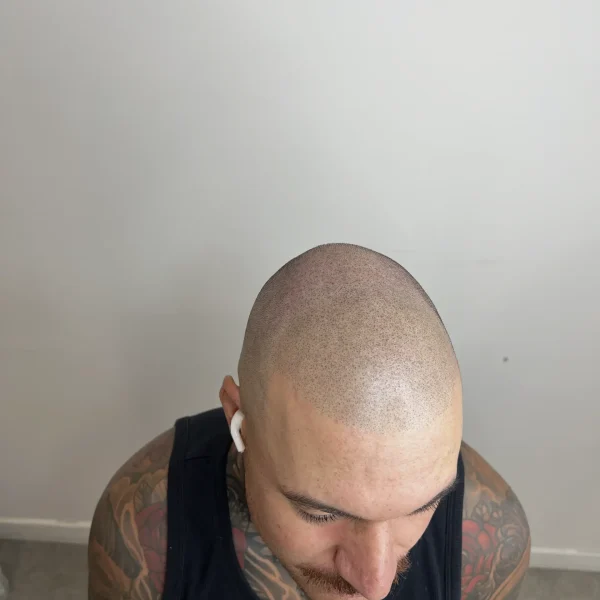


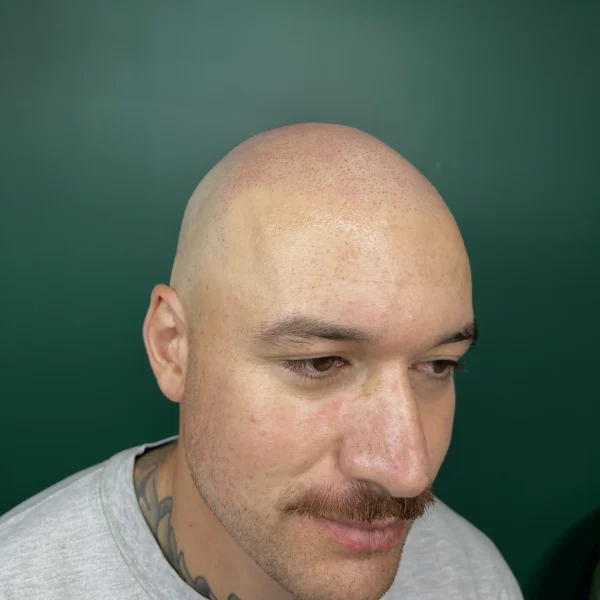

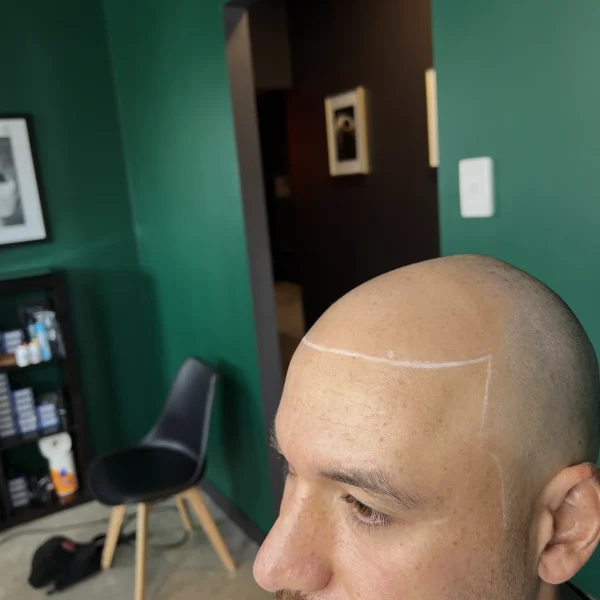


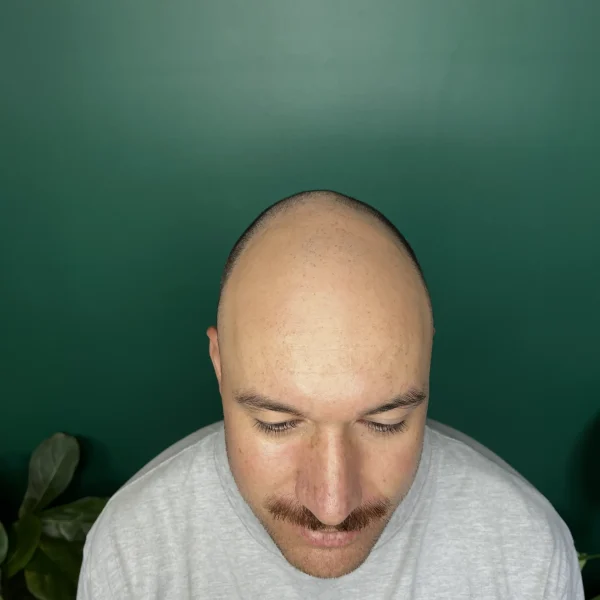


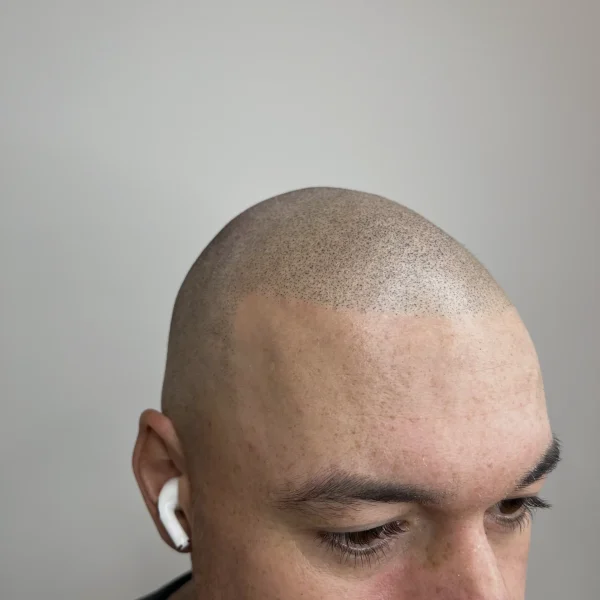
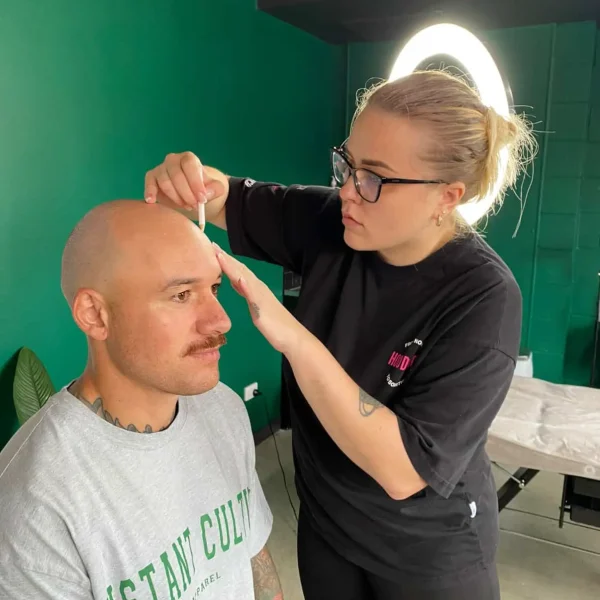

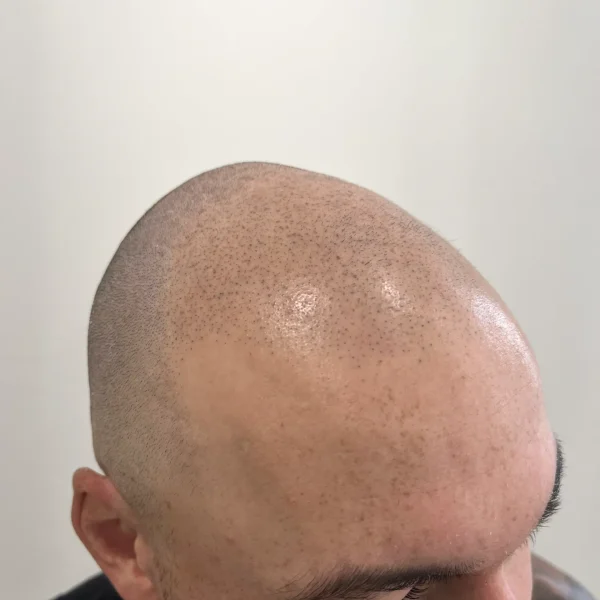
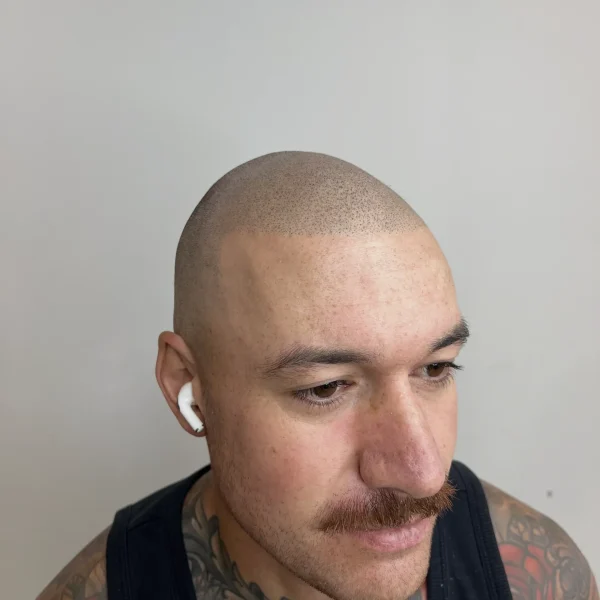


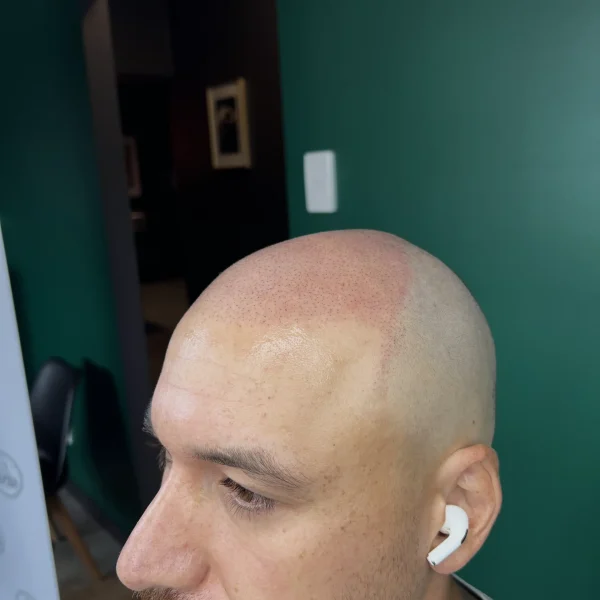

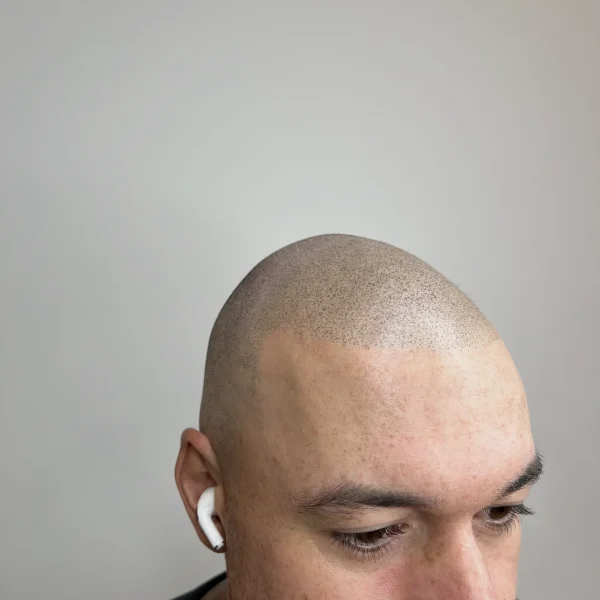



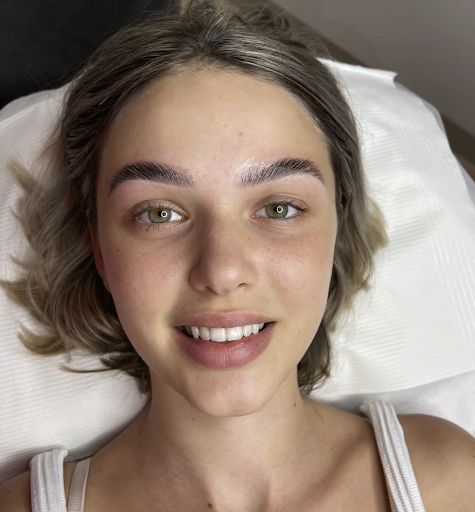









Discover the art of scalp micropigmentation with our Hairline Tattoo Artist, a leader in non-invasive hair loss solutions. Our skilled practitioners use advanced SMP techniques to create natural-looking hairlines, offering immediate and long-lasting results. Perfect for men and women dealing with hair thinning, pattern baldness, or alopecia, our customized treatments blend seamlessly with your natural hair. Experience the confidence boost of a fuller, more defined hairline with minimal maintenance. Schedule your initial consultation today and embrace a new you.


Hairline Tattoo, also known as scalp micropigmentation, provides ground-breaking non-invasive solutions for individuals experiencing baldness problems. The treatment guarantees instant natural-looking results with little maintenance thus making it an appealing alternative method of restoring lost hairs compared to other conventional ways. By selecting an experienced practitioner and adhering strictly with aftercare rules, clients will enjoy a restored hairline thereby boosting self-confidence.
One of the key benefits of scalp micropigmentation is that it does not involve surgery. Unlike a hair transplant operation where hair follicles are removed and then implanted elsewhere in the head, this cosmetic procedure does not require cuts or even anesthesia. This means that there is no risk of surgical complications and recovery time is significantly reduced.
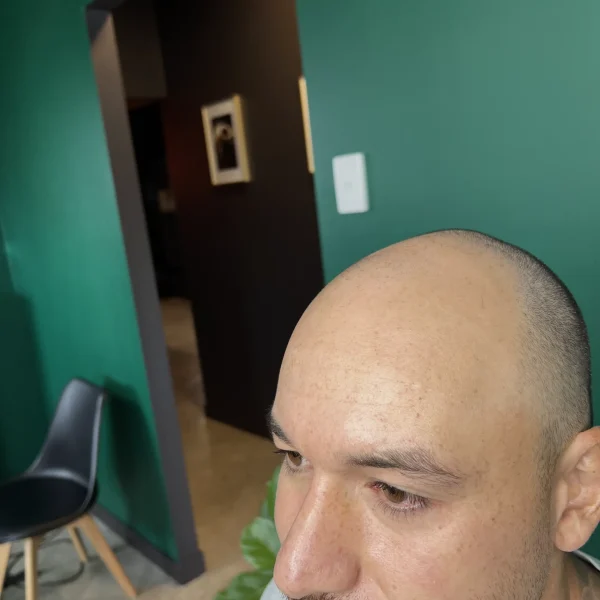
Also, there is immediacy in terms of the outcomes when it comes to getting these line tattoos. Traditional treatment options for baldness such as hair transplants or medications for growing hairs usually take months before showing any visible results. Conversely, through SMP all the changes required can be seen immediately after completion of its application on someone’s head. In most cases such people will suffer from low self-esteem caused by balding problems.
Following healing and finishing SMP treatment, maintenance becomes less demanding. In comparison to hair systems or wigs that demand regular maintenance and replacement, these tattoos keep their appearance looking good with very little effort. Clients can go for a natural-looking frontal region without having to worry about taking care of artificial hairs each day.
To initiate this process you will have to talk with an experienced SMP specialist concerning your situation. At this point several issues will be discussed including your desired hairline outcome, how your current hair loss pattern presents, and the most suitable design based on the shape of your face. This step is crucial to ensure that the final look appears natural and well-balanced with your facial features.
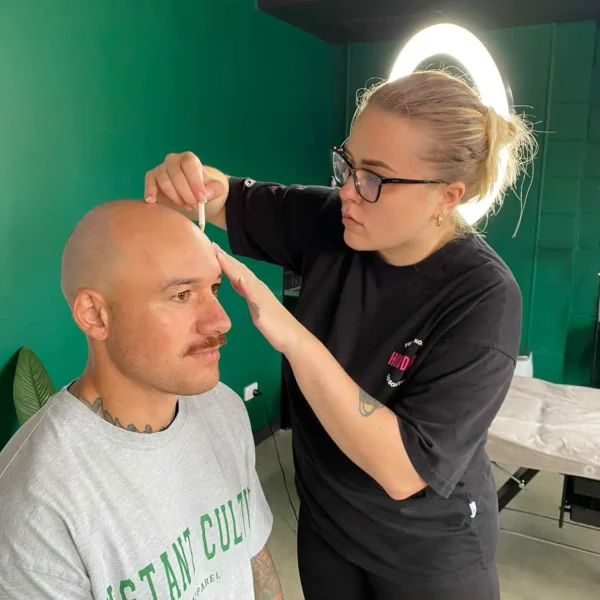
In line with the initial session, a custom hairline design is created. To ensure a seamless blend with existing hair, factors such as skin tone, natural hair colour, and direction of hair growth are taken into account. This step ensures the hair tattoo looks subtle, realistic, and indistinguishable from natural follicles.
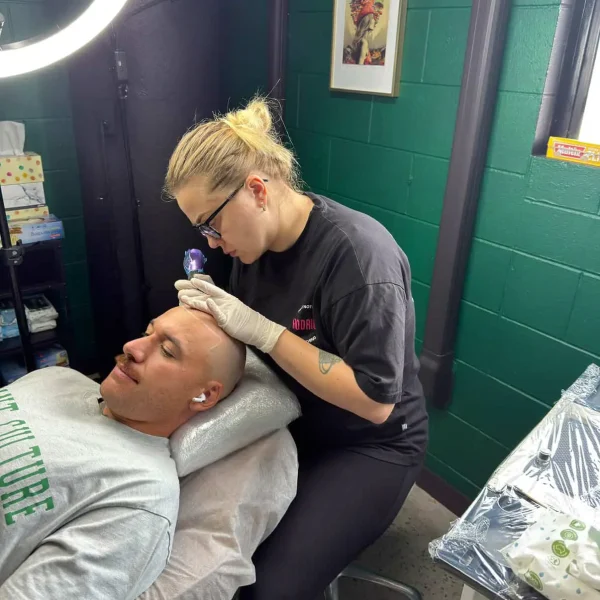
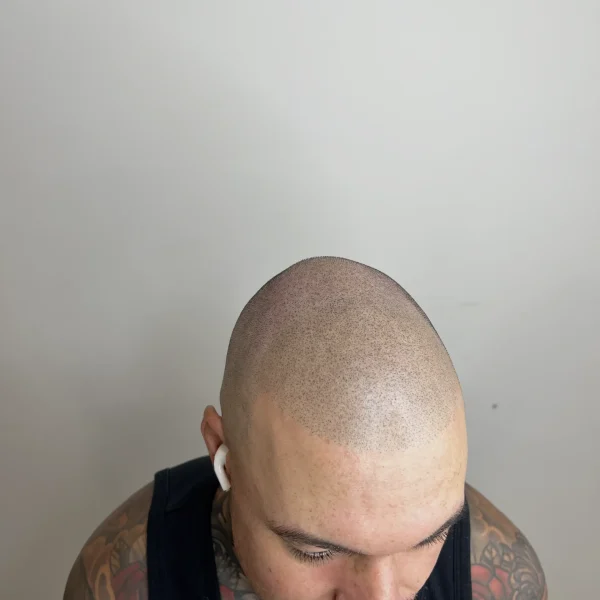
The SMP procedure usually takes a few hours and is completed in multiple stages. During the session, the practitioner uses microneedles to deposit pigment into the scalp in small dots, replicating the look of tiny hair follicles. The session duration varies depending on the extent of hair loss and the desired density.
To achieve long-lasting results, proper SMP aftercare is essential. Clients are advised to avoid heavy sweating, direct sunlight, and harsh hair products during the initial healing period. A detailed aftercare guide will be provided by your technician to support optimal healing and pigment retention.
Many men suffer from male pattern baldness, a common condition among males. Hairline tattooing offers an effective solution by simulating the look of a full head of hair. This treatment helps restore confidence and self-esteem, allowing individuals to feel comfortable in any setting without worrying about hair exposure.
Women also experience hair loss, especially around the parting and hairline. Hairline tattoos provide the illusion of fuller hair, enhancing their appearance and offering a significant boost in self-confidence. It’s a gentle yet powerful method for addressing female hair thinning.
Alopecia is an autoimmune disorder that leads to total hair loss on the scalp and sometimes other parts of the body. Scalp micropigmentation helps recreate the appearance of natural hair follicles, giving individuals with alopecia a restored sense of normalcy and confidence.
Hairline tattooing for scars is a great way to camouflage scalp scars from injuries or previous transplants. Pigment is carefully deposited in these areas to help them blend with surrounding hair, improving the overall appearance of the scalp and restoring individual self-assurance.
It is essential for patients considering scalp micropigmentation to find an expert who has the proper qualifications and substantial experience. The practitioner should have completed formal SMP training and certification, and have a proven track record of delivering high-quality results to satisfied clients.
A practitioner’s client portfolio and public reviews are excellent ways to assess their expertise. A strong portfolio with before-and-after photos from diverse clients demonstrates consistent results. Additionally, positive reviews reflect a high customer satisfaction rate and reinforce credibility.
A successful first consultation depends on clear and honest communication. Both client and practitioner must understand the treatment goals and expectations. A skilled SMP artist will listen attentively, explain the process thoroughly, and provide transparent advice about achievable outcomes, building a foundation of trust and professionalism.
The level of discomfort during a hairline tattoo varies between individuals. Most clients report minimal pain, often describing it as a mild tingling sensation. In general, the procedure is well-tolerated thanks to the use of topical anesthetics applied by professionals to reduce sensitivity during treatment.
After the session, it’s common to experience slight redness and swelling in the treated area. This is a normal part of the healing process and usually subsides within a few days. Any lingering discomfort can be managed with over-the-counter pain relief. Following the aftercare instructions provided by your technician is crucial for proper recovery and optimal results.
Hairline tattoos are designed to be long-lasting, often remaining visible for several years. However, the pigments used in scalp micropigmentation naturally fade over time. The longevity of the results depends on factors like skin type, UV exposure, and how well a patient follows the aftercare routine prescribed by the practitioner.
Several elements influence how long a hairline tattoo maintains its appearance. Clients with oily skin may notice faster pigment fading compared to those with dry or balanced skin. Consistent exposure to sunlight can also accelerate fading, so it is recommended to use sunscreen or wear hats outdoors. Adhering to aftercare instructions is key for preserving the treatment’s quality and appearance over time.
One of the most common myths about hairline tattoos is that they appear fake or artificial. However, thanks to advanced scalp micropigmentation techniques and the use of high-quality pigments, skilled practitioners can deliver extremely natural-looking results. Choosing an artist with the right experience and a portfolio of realistic outcomes is crucial.
While long-lasting, hairline tattoos are not fully permanent. The specially formulated pigments used in scalp micropigmentation gradually fade over time. This allows clients the flexibility to schedule touch-up sessions or make appearance adjustments as needed, keeping the results fresh and aligned with personal preferences.
Another widespread misconception is that scalp micropigmentation is only for men. In reality, women can also benefit significantly from this treatment. It helps address female hair thinning, enhances the frontal hairline, and increases the appearance of overall hair density. Both men and women can achieve realistic, confidence-boosting outcomes through this versatile solution.
Different elements affect the cost of hairline tattoos. Key variables include the extent of hair loss, the specialist’s expertise, and the number of required sessions. Additionally, the clinic’s geographic location plays a significant role in pricing, with urban areas typically commanding higher rates.
The average cost for a full hairline tattoo procedure generally falls between $2,000 and $4,000. This pricing often includes everything from the initial consultation and custom design to aftercare guidance and all necessary treatment sessions. While the upfront cost may appear high, clients frequently report excellent value for money due to the longevity and realism of the results.
When weighing the confidence boost and long-term benefits, many patients believe the investment in scalp micropigmentation is fully justified. Unlike other hair restoration methods, SMP requires no surgical intervention and minimal maintenance. Its ability to produce a natural-looking hairline without ongoing upkeep makes it an increasingly popular choice for those dealing with hair loss.
Like any cosmetic procedure, hairline tattoos come with potential risks. These may include infections, allergic reactions to the pigments, or pigment migration where dots or lines shift into unintended areas. To minimize these risks, it’s crucial to select a practitioner with extensive experience in scalp micropigmentation.
Clients can reduce complications by following both pre- and post-treatment instructions provided by their SMP technician. It is essential to maintain proper scalp hygiene, avoid direct sun exposure, and refrain from excessive sweating due to intense physical activity. Regular check-ins with your practitioner will support safe healing and early detection of any issues that may arise.
Common side effects of scalp micropigmentation include redness, swelling, and itchiness at the treated area. These are typically mild and subside within a few days. If a more serious reaction occurs, clients should contact their practitioner promptly. Most symptoms can be managed with proper aftercare and basic over-the-counter treatments.
This method involves the surgical relocation of hair follicles from one part of the body (usually the back of the head) to the thinning or bald areas of the scalp. Hair transplants can offer a permanent solution to hair loss and natural-looking results. However, the procedure is invasive, involves long recovery times, and often comes with higher costs compared to scalp micropigmentation.
Topical treatments like minoxidil are widely used to encourage hair growth. Applied directly to the scalp, they increase blood circulation to the follicles, helping stimulate growth. While non-invasive, results are inconsistent and require continued application to maintain progress. Noticeable improvements may take several months to appear.
Wigs and hairpieces offer an immediate solution for concealing hair loss. Available in various styles, colors, and textures, they provide versatility and instant results. However, they require ongoing maintenance and frequent replacement. Compared to hairline tattoos, they are a temporary fix and may not deliver the same natural, low-maintenance benefits.
Most patients can return back into their normal activities within a few days, although following aftercare rules is important for healing purposes. The initial healing process usually takes about a week, during which clients must avoid excessive sweating, sunlight, as well as harsh hair products. It takes a few weeks for complete healing and pigment settling.
While scalp micropigmentation is intended to be permanent, laser tattoo removal can lighten or remove them if desired. The laser breaks down the pigment particles, allowing them to be naturally eliminated by the body over time. Removal sessions vary depending on factors such as the depth and color of the pigments.
This depends on how well the pigment retains its color, and differs between clients’ skin types—typically requiring touch-ups every three to five years. Longevity is influenced by factors like sun exposure, skin type, and how well aftercare instructions are followed. Maintaining a natural-looking hairline over time often involves regular touch-ups to preserve pigment vibrancy.
To ensure proper healing, clients must avoid excessive sweating, sun exposure, and swimming for around two weeks after the procedure. Also, it is vital to adhere to post-care instructions given by the practitioner, which may include using mild hair products, not scratching or picking at the treated area, and keeping the scalp clean.
Yes. The procedure does not stop natural hair growth in areas where the tattoo has been done. Moreover, scalp micropigmentation adds density and improves the overall appearance of a hairline, thereby complementing other hair restoration treatments like transplants.