

Dermaplaning is a manual exfoliation using a sterile blade at an angle to remove the top layer of dead skin cells, peach fuzz and excess facial hair. This treatment helps products absorb better, improves skin texture and gives a perfect canvas for makeup. Unlike other exfoliation methods, dermaplaning is a chemical-free physical exfoliation, so it’s great for dry skin, dull skin, uneven skin tone and mild acne scars.
Duration 1 hour















Confident and enthusiastic woman with over 9 years of international experience in beauty industry. Over 4 years I’m the owner of beauty salon in Australia with two employees providing a various beauty services including cosmetic tattooing. Adept at effectively providing services and training in cosmetic tattooing, lash lift, brow lamination. Committed to providing clients with the highest level of customer service.


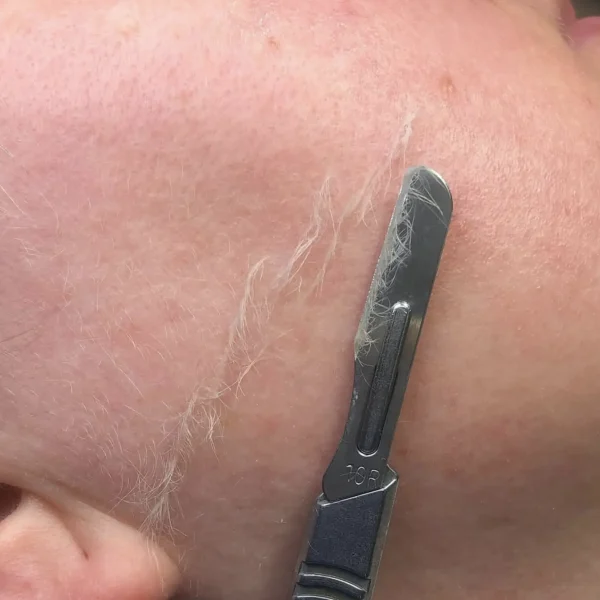
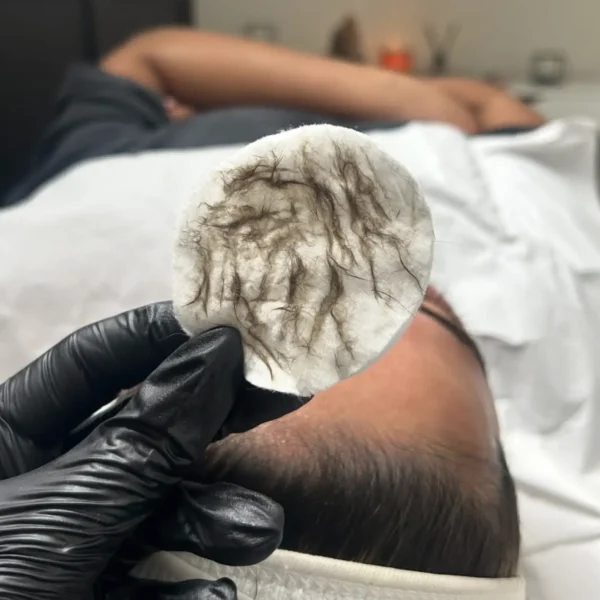
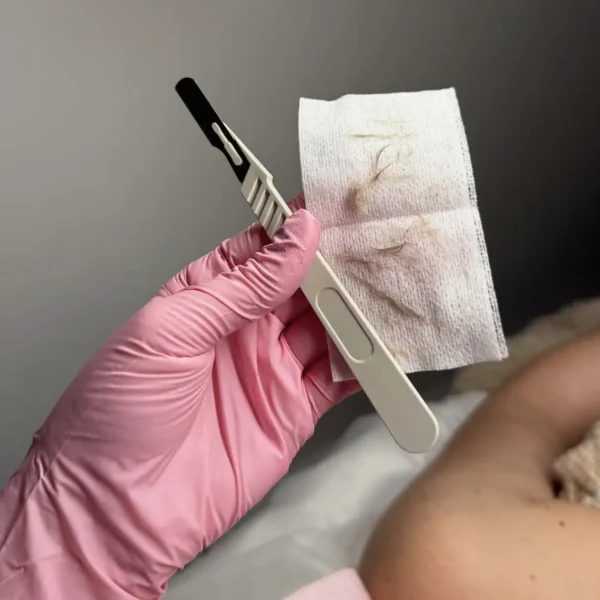
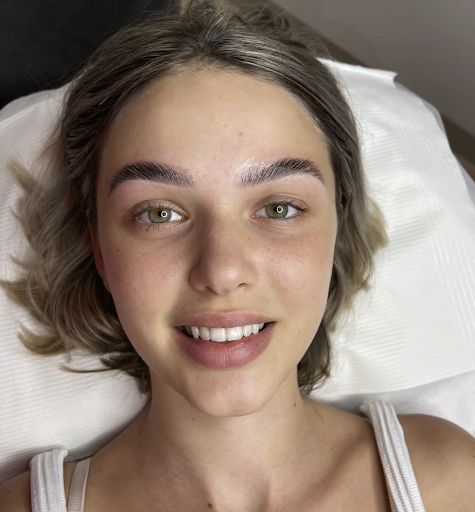
The treatment is done with a specialized blade at a 45-degree angle to the skin. The licensed aesthetician or skincare professional will glide the blade across the skin’s surface removing dead cells, facial hair and excess hair. Takes 30-45 minutes and is painless when done by a trained professional. Results are immediate, ultra smooth texture, brighter skin, healthier looking skin and better makeup application.
Dermaplaning has many benefits, which is why it’s a popular skincare treatment. Here are the advantages:
Dermaplaning is safe for most but not for everyone. Those who should not derma plane are:
To get the best results and minimize irritation follow these prep tips:
The dermaplaning process starts with a gentle cleanse to remove any makeup, oils and impurities from the skin. The licensed aesthetician will then use a dermaplaning blade or surgical scalpel to gently remove the dead skin cells and peach fuzz in light, upward strokes. This is usually painless but you may feel a slight sensation as the blade glides across the skin.
After the treatment the skin is often treated with a calming serum or hydrating mask to lock in moisture and soothe any irritation. There is minimal downtime for recovery and most people can go back to their normal skincare routine right away.
Post-treatment care is key to maintaining results and avoiding irritation. Follow these aftercare tips:
Dermaplaning is generally safe but there are some risks and side effects to be aware of:
There are at-home dermaplaning devices available but it’s not recommended to dermaplane at home without proper training. Using a dull or unsterilized blade can cause cuts, infections or irritation. Leave dermaplaning to a licensed aesthetician or skincare professional who has the knowledge and tools to do the treatment safely.
Dermaplaning uses an angled, sterile blade and removes dead skin cells, while standard shaving only removes hair without any exfoliation. Microdermabrasion uses abrasive tools and suction—great for deeper exfoliation, but it doesn’t remove peach fuzz the way dermaplaning does.
Absolutely. Dermaplaning is often used as a base to supercharge other treatments like facials, peels, or LED therapy—because it clears the way for deeper absorption and better overall results.