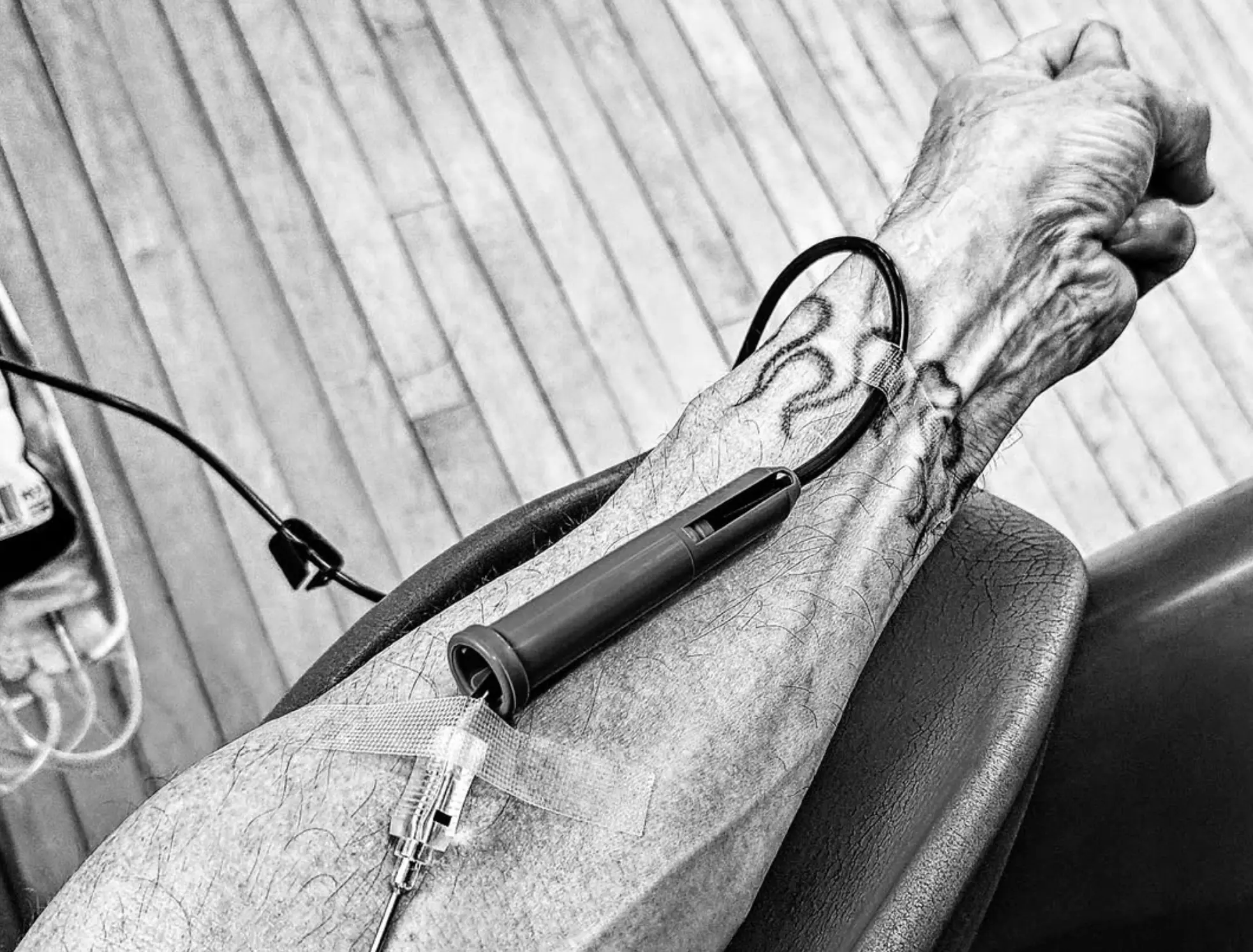
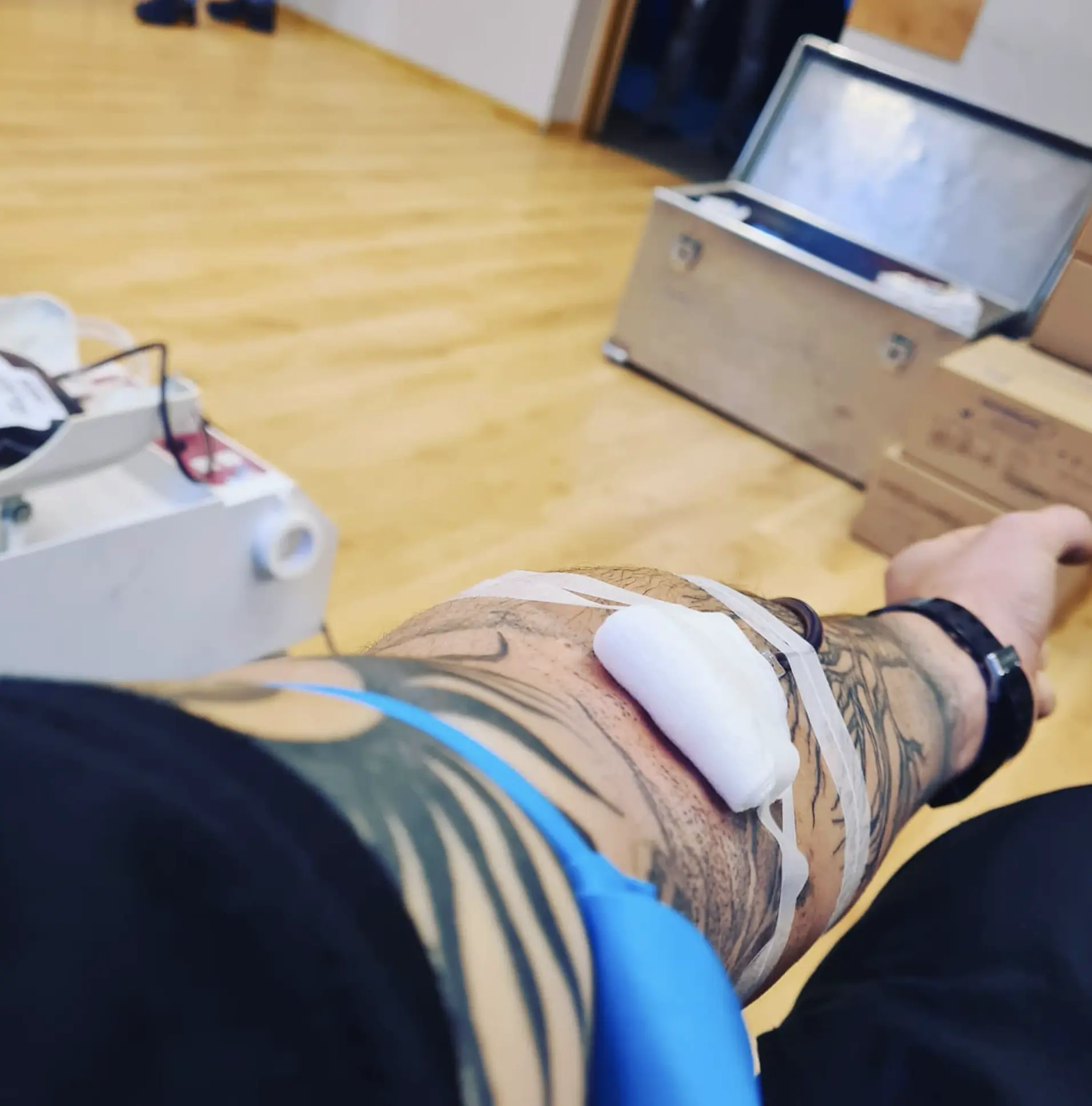
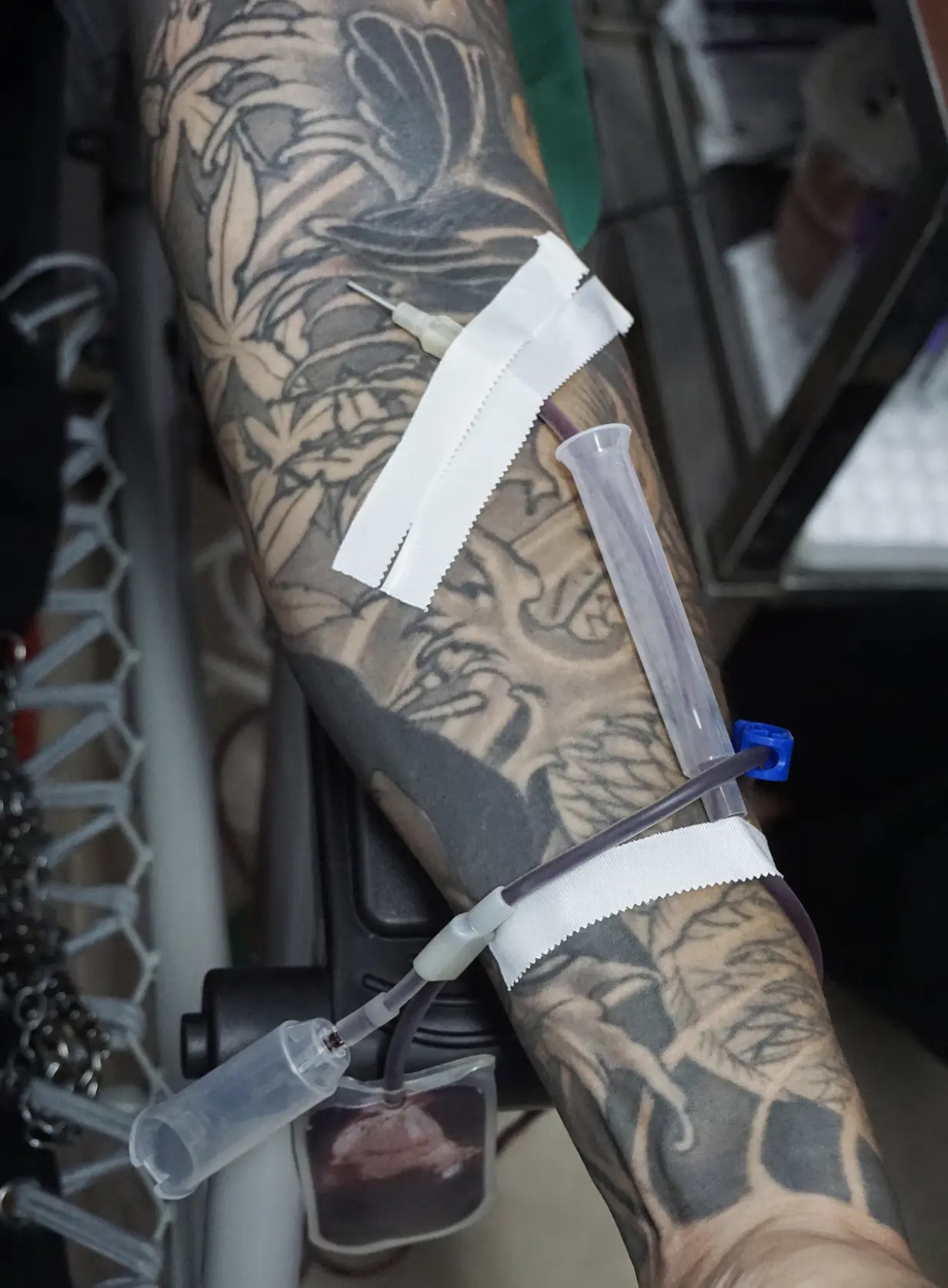
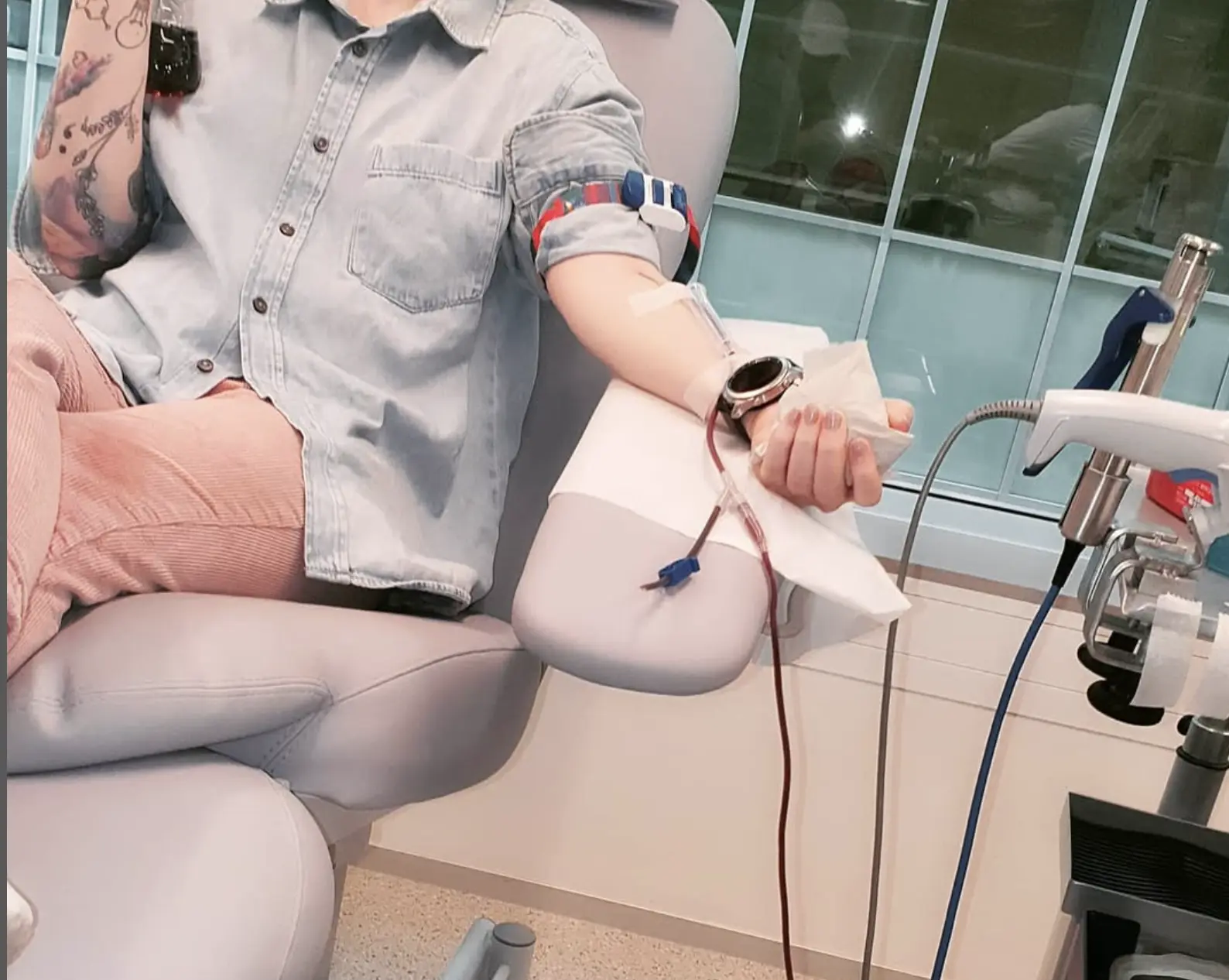
You’ve probably wondered at some point, “Can I donate blood if I’ve got tattoos?” It might have popped up while booking your next brow touch-up appointment, or while chatting with your tattoo artist in between sessions. Whatever the case, it’s one of the most common questions we hear here at Cosmetic Tattoo Studio Brisbane Face Figurati.
At Uliana Kasperska’s Brisbane cosmetic clinic, we’ve seen our fair share of clients – from people with full sleeves to first-timers getting a delicate lip blush. And here’s the good news: having tattoos won’t stop you from giving back to others. You just need to know the rules and how the process works if you’ve had a tattoo done recently.
If your tattoo was done at a licensed tattoo parlour or state-regulated place, using sterile needles and disposable equipment, you’re good to go after one week.
That’s the current rule from the Australian Red Cross Lifeblood. The deferral period used to be 12 months, but after a major rule change, safe, licensed tattoo work is now seen as low-risk for bloodborne viruses like Hepatitis B, Hepatitis C, and HIV.
But if you got inked at an unlicensed place, overseas or in some private setup that’s not a licensed shop, you’ll have to wait 12 months before you can donate blood or plasma.
Table of Contents
Why There's A Waiting Period
That wait isn’t just bureaucracy – it’s about keeping our blood supply safe. Even when everything looks spotless, any tattoo involves some minor skin trauma, and there’s a tiny risk of exposure to bloodborne infections.
The waiting period gives us time to make sure that if someone did get infected with something like Hepatitis B, Hepatitis C, HIV or Zika virus, it would show up in the blood test we run on all donated blood.
Think of it like a safety net – it protects both the person donating the blood and the person getting the transfusion.
Tattoo Source
Deferral Period
Key Requirements
Notes
Licensed Australian tattoo parlour or cosmetic clinic
In Queensland, you can only really consider a tattoo parlour or cosmetic tattoo clinic to be safe if they’re fully licensed and genuinely meet the Therapeutic Goods Administration (TGA) standards.
Now you can see what we actually do here at our studio in Brisbane :
We use a brand-new, disposable tool for every client—no reuses!
Stock up on TGA-approved antiseptic skin creams and aftercare ointments – the good stuff
Give the place a good cleaning between each session using only medical-grade disinfectants – no messing around
Keep track of which sterilised cartridges and pigment caps we use, with a log by batch number – we’re not just guessing
Make sure our team are all up to speed with infection control training – we know our stuff
All this stuff makes a huge difference between getting a safe, low-risk tattoo and one that might leave you waiting a while before you can donate blood.
Permanent Makeup vs Traditional Ink
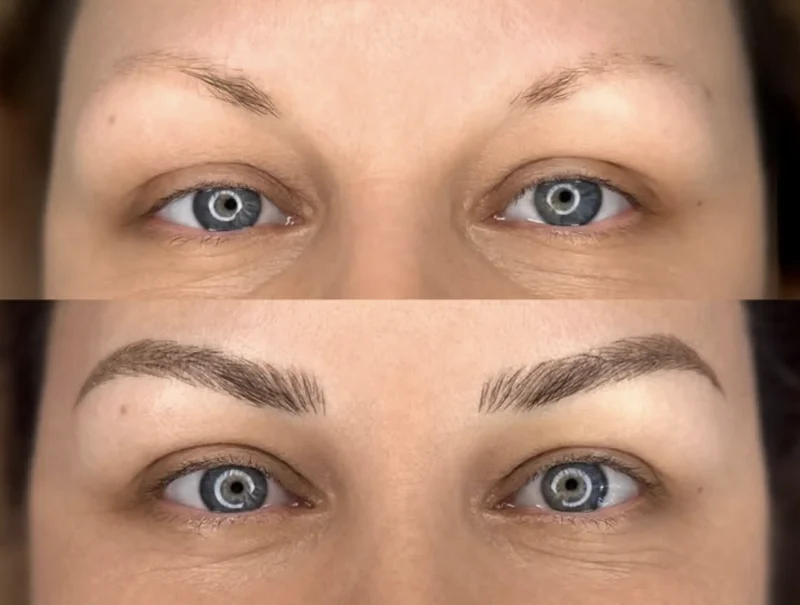
Now, when it comes to cosmetic tattoos (think lip blush, brow tattooing, or eyeliner), we’re only using very fine tattoo machines that only go a couple of dermal layers deep. So the risk of infection or getting a bloodborne virus is near zero, plus we’re working in a place that’s been properly licensed.
Uliana Kasperska puts it rather well: “Cosmetic tattooing is art with a medical twist. We follow the same hygiene laws as any other medical procedure and use disposable tools – our place is about as sterileas a surgical ward because – it is one.” Because of this, you can have a cosmetic tattoo and just wait a week afterwards before you can donate blood again
Healing and Health Considerations
Now you can donate when your skin is completely healed – no open sores or scabs, and your immune system has time to recover. If you donate too early, your haemoglobin levels and blood pressure might take a hit, and your whole experience just isn’t ideal. For a cosmetic tattoo like we do here, you can expect
Surface healing: around 7-10 days
Pigment settling in: usually up to 6 weeks
Colour to come good: takes about 8 weeks
Brisbane's Climate
Living in Brisbane, our pretty humid weather affects tattoo healing—either speeding it up or slowing it down. And yes, that moisture can make new tattoos sweat – trapping bacteria in the process. That’s why we almost always tell people to:
Give the gym, pool, and sauna a miss for the first week after getting ink
Skip the chemical peels, glycolic acid, and spray tans for now
Keep the area spotlessly clean and dry – unless you need a bit of antiseptic cream – and then only as advised by us
Once it’s all done and you’re good to go, get some SPF 50 sunscreen up on that new ink
And it makes a difference: healthy tattoo healing lets you get back to donating blood in no time and helps keep your tattoo looking crisp and bright.
Pre-Appointment Health Checklist
When your tattoo is all healed up, use this mini checklist before heading off to the donation centre:
Waited at least 7 days since getting your tattoo at a licensed parlour or clinic
Feeling healthy, no infections or other issues with medication
Got normal bloodpressure, are hydrated, and well-fed No recent
Zika virus infection, malaria or organ transplant
Not on blood thinners, antiretroviral therapy or malaria treatment
Not recently had a smallpox/monkeypox vaccine or mosquito-borne infection
Got the details of your tattoo artist or licensed establishment handy, just in case (Lifeblood may ask)
Myth-Busting
Myth 1:Aussies with tattoos can’t give blood. Nope. As long as you got your tattoo done at a licensed tattoo parlour or cosmetic clinic, you can give blood a week later.
Myth 2: Only cosmetic tattoos matter, right? Well, not quite. Cosmetic tattoos involve needles and pigment, so they are subject to the same donation rules.
Myth 3: Giving blood somehow affects my tattoo colour. Not a thing. Blood donation doesn’t touch on pigment retention – your ink stays the colour it is.
Myth 4: The American Red Cross has the same rules. Not really. In the US, each state has its own rules – most states have a one-year wait, but state regulations vary. Australia’s got stricter, clearer standards.
Myth 5: Tattoos increase the risk of blood clots or pressure drops during donation. Nope – once you’re all healed, your blood clotting process just works as normal.
Real Story From The Studio
We had one client who did plasma donations every month until she booked in for a soft ombre brow tattoo. Then she thought she was out of luck for a year – but once we explained the licensed establishment rule to her, she was able to do her next plasma donation just 9 days later.
No drama, no issues – just a happy blood donor with perfect brows.
We like moments like this because they remind us just how important community education is when it comes to tattoo safety and blood donation – especially when all sorts of misinformation is floating around online.
artist
Since 2016 of expertise in the professional tattooing industry, Anastasia is a certified and licensed beauty cosmetic tattooing specialist. She has all the necessary licenses and qualifications for permanent makeup in Europe and Australia.