
Opening a fresh page in the cosmetics world of tattoo technology leads us straight to a question I get asked all the time by my clients: Does using wireless/low-vibration equipment really reduce healing time?
My name’s Anastasia, and I’m a cosmetic artist with years of experience watching all sorts of trends come and go. Some of these innovations really do make a positive difference to treatment quality. Still, others are just fanciful marketing promises that don’t quite live up to the hype – I’ve seen it all at our studio. When explaining the healing process to my clients, I always say that what happens when your skin is repairing itself has little to do with which whiz-bang piece of kit my assistant has bought lately and more to do with your body just doing its own thing.
Of course, clients – understandably – want to recover faster, with less redness and better colour retention. The good news is that modern equipment can make the treatment process smoother, although long-term outcomes still depend on proper technique and, in some cases, future saline tattoo removal options if corrections are ever required. The slightly less exciting truth is that your skin will still follow its own natural healing schedule.
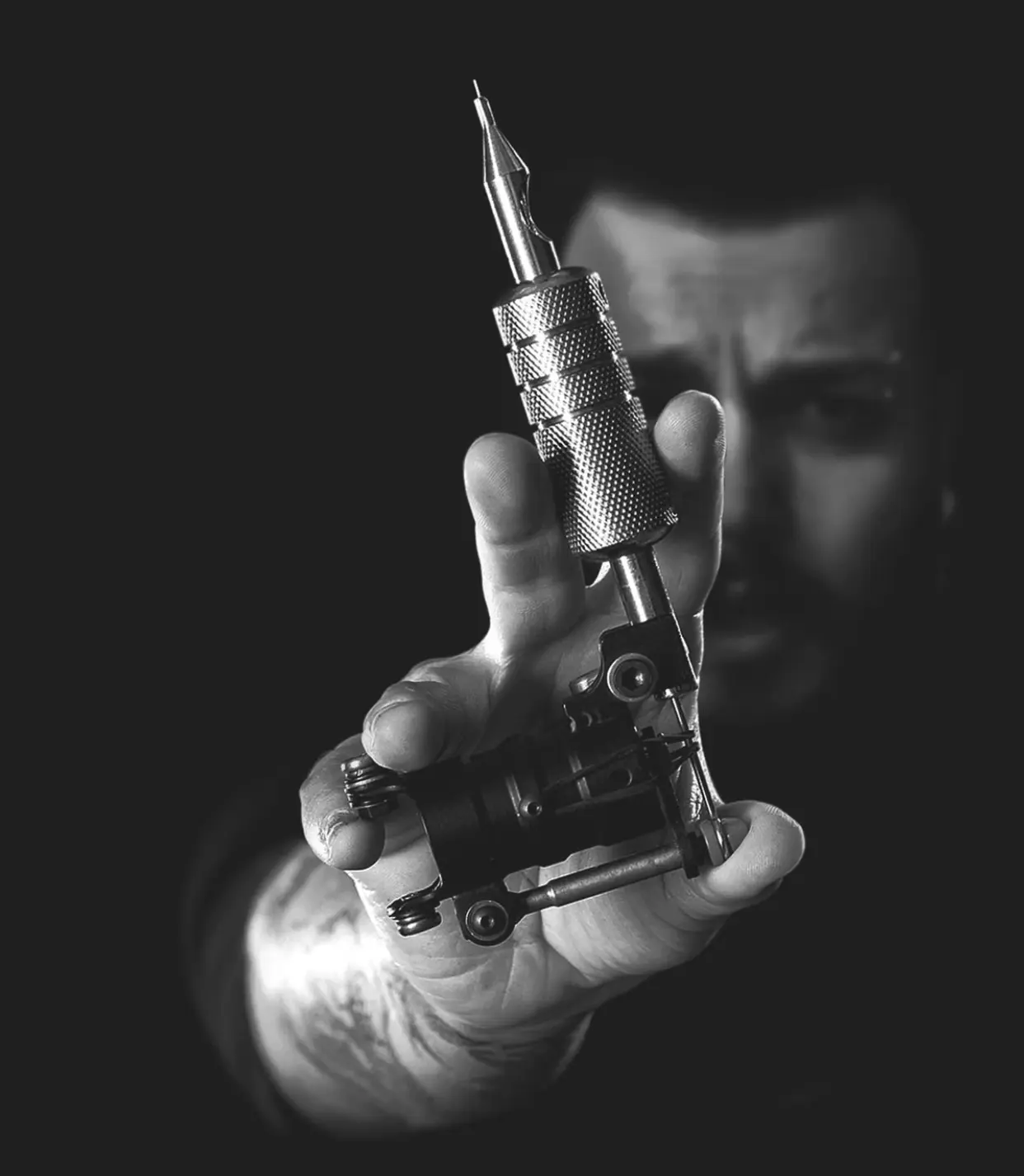
Now and then, the cosmetic tattoo industry comes out with a new shiny gadget that promises better results, less discomfort, or faster healing. The thing is, wireless systems have really been making waves in recent years.
The reason they’re so appealing is easy to see: with no cables, artists can move more freely, treatments are less likely to be painful, and many of these machines feel less jarring to use. And then of course, clients naturally start wondering if all these improvements translate into a faster recovery.
Before we start talking equipment, I think it’s worth taking a look at the basics of what happens when your skin is getting tattooed. Whether its brows, lips or eyeliner tattoo, the process involves making tiny little holes in the skin and implanting pigment into them. This gets the body’s natural healing process started.
After treatment, most people tend to go through the same stages of tattoo healing:
Even with the most expensive, high-tech machine, you can’t change the fact that your skin will still heal at its own pace and follow its natural schedule.

Blood flow is crucial for recovery – it’s the delivery system that brings oxygen, nutrients and immune cells to healing tissue. Many experts have used techniques to measure blood flow and have found that certain types of mechanical stimulation can affect skin blood flow and muscle blood volume.
On the other hand, if you cause excessive trauma to the skin, all you end up doing is increasing inflammation and slowing down the recovery process. That’s why all the top artists swear by controlled technique rather than just pummelling the same spot over and over again.

While no machine can actually speed up the body’s natural healing process, they can definitely make a difference in how smoothly the procedure goes. A machine that’s vibrating all over the place is going to cause as much instability as possible with the needle, which isn’t exactly what you want. In contrast, modern low-vibration systems tend to offer much more control and consistency.
The type of cosmetic tattoo machine you use is just one of the factors that can affect the outcome – and even then, it’s not the only one. From what I’ve seen, some of the biggest benefits of using low-vibration equipment include:
And all of this can help reduce unnecessary trauma to the skin, making the recovery process much smoother.
Let’s be real – real-world experience is way more valuable than marketing claims. Over the years I’ve worked with traditional wired equipment and all sorts of wireless machines. There are definitely some differences in how they handle and feel, but what really affects recovery? They’re actually pretty consistent.
| Factor | Influence On Healing Outcome |
|---|---|
| Practitioner technique | Very High |
| Skin condition | Very High |
| Aftercare compliance | Very High |
| Treatment depth | High |
| General health | High |
| Pigment quality | Moderate |
| Equipment vibration level | Moderate To Low |
This is something we see time and time again in the studio. The bottom line is that proper technique always produces better results than relying purely on high-tech equipment.
I’ve seen some excellent healing outcomes with powder brows in Brisbane using both the latest wireless and traditional devices – but only when technique has been given top priority.
While technology is a useful tool, it can’t replace good old-fashioned skill. An experienced practitioner knows what to expect from different skin types, when to apply just the right amount of pressure, and how to avoid overworking delicate areas – all of which can have a big impact on inflammation and recovery.
The same principles apply to a lash line enhancement tattoo, where precision and skin response usually have a greater impact on healing than the machine’s wireless status. When clients ask me what they can do to get better results, my answer is rarely ‘buy the best equipment’ – instead I talk to them about preparation, skin health and aftercare, because in the end it’s those things that make all the difference.
No two people heal in the same way. Age, hydration, stress levels, medications, your immune response, lifestyle habits and any existing skin issues can all affect how you recover. So two people getting the same procedure on the same day may find their healing timelines are worlds apart. And that’s regardless of what device was used.
Another factor that doesn’t get enough attention is climate. Brisbane’s hot and humid weather, combined with all the outdoor exercise and strong UV exposure, can create some pretty unique recovery challenges – especially in the two weeks after treatment.
Lots of clients who enquire about a fine line tattoo in Brisbane are surprised to learn that it’s often their aftercare habits that have the biggest impact on how they recover – not the equipment we use. I always tell my clients that what happens after they leave the studio is just as important as what happens during the appointment.
I recently had a client who booked her combination brow appointment just before heading off on a beach holiday in Queensland. The procedure itself went really smoothly, and we used a great new wireless system that worked beautifully. But then she went out and did a lot of outdoor activities, got lots of sun, and sweated a lot – all of which delayed some of the healing stages a bit. The machine performed perfectly – but the environment had a much greater impact on how she recovered. That’s not a one-off situation by any means.


The truth is that healing is a really complex process involving a whole bunch of biological processes.
After treatment, your body sends in the white blood cells, blood flow increases, and new tissue starts to form – and researchers are still trying to figure out exactly how all that works together.
There are a few things that have a consistent impact on recovery:
When we talk about cosmetic tattoo healing, I always remind my clients that having healthy skin, being realistic about what to expect and looking after yourself properly after treatment have a much bigger impact on results than any particular equipment feature. These fundamentals matter a lot more than any fancy gadget.
Healing claims can be overhyped, but the benefits of wireless equipment are undeniably real.
Artists appreciate the way wireless sets give them more flexibility and less hand strain with longer procedures. Clients often comment on the reduced noise and a generally smoother experience during treatment.
These little improvements can make a big difference – appointments start to feel a heck of a lot more comfortable and relaxed. And for many people, that alone is worth it even if recovery time remains pretty much the same as always.
The thing is, wireless tech makes the treatment experience a whole lot better more consistently than it magically accelerates your body’s recovery.
Folks think the secret to healing is some fancy product or trick they read about online. But it’s actually pretty straightforward. Just follow the aftercare instructions to the letter, keep the area clean, and avoid the urge to go poking at it all the time. Be gentle and protect that skin from too much sun exposure. Consistency is everything.
I tell my clients all the time, it’s that first week after treatment where things either take off or flounder. Taking proper care of your skin during that period really gives that pigment the best chance to settle out evenly. Little habits make a big difference.
So does wireless equipment actually speed up healing time? Well, based on what we’ve got so far, low-vibration tech might make the procedure a bit smoother and reduce irritation from traditional machines. But there isn’t any real solid evidence to back up the claim that wireless devices will dramatically shorten the healing process.
From where I’m sitting, I’ve found that it’s factors like the practitioner’s skill, the condition of the skin, aftercare routine, lifestyle factors, and overall health that have way more impact on recovery than whether the machine is wired or wireless. Tech matters, but experience matters way more.


Since 2016, Anastasia has worked in the professional cosmetic industry in Brisbane, combining accredited training with extensive practical experience and recognised qualifications across Europe and Australia. As a certified and licensed specialist, she keeps pace with advances in tattoo equipment, treatment techniques, and technologies designed to improve both client comfort and healing outcomes.
Her approach focuses on selecting professional-grade devices based on their performance, precision, and suitability for each procedure rather than marketing claims alone. By prioritising safe treatment protocols, skin integrity, and evidence-based methods, she helps clients achieve predictable healing and consistently high-quality cosmetic tattoo results.
Yeah, many of our clients find that the quieter, lighter feel of wireless systems makes a big difference.
Technique, skin condition, overall health, and aftercare habits tend to have way more influence on the outcome than the type of equipment being used.
Not necessarily. Reduced vibration can make the pigment implantation process a bit smoother, but that doesn’t necessarily mean you’ll heal any faster.
Factors like age, hydration levels, stress, lifestyle, and even your immune system can all affect just how quickly the skin recovers.
Nah. When it comes down to it, it’s the practitioner’s experience, hygiene standards, treatment approach, and aftercare guidance that are way more important than the device being used.