
If you’ve ever wondered why the most common cosmetic procedure mistakes professionals see, it’s probably because you see the same old mistakes popping up in search results again and again in the world of beauty and aesthetic medicine. I see it myself week in and week out, at Cosmetic Tattoo Studio Brisbane Face Figurati, where I work alongside my colleagues, including Uliana Kasperska. We’ve seen the whole gamut – from overdoing it with injectables to poor permanent makeup decisions that come back to haunt people later. Whether it’s injectable treatments, cosmetic procedures, or facial surgery that just didn’t quite work out as planned, we’ve seen it all.
Our aim isn’t to put you off getting cosmetic surgery, laser treatments, dermal fillers, or a chemical peel – it’s to help you steer clear of the landmines. Brisbane’s got a thriving cosmetic scene, but that comes with downsides: a whole lot of dodgy operators, inconsistent training, and a general lack of regulation in the cosmetic surgery sector. After 15+ years working in clinics across Europe and Australia, we’ve fixed countless cosmetic tattooing issues, helped people with permanent makeup corrections, and even ensured those who didn’t get the care they deserved got some form of justice.
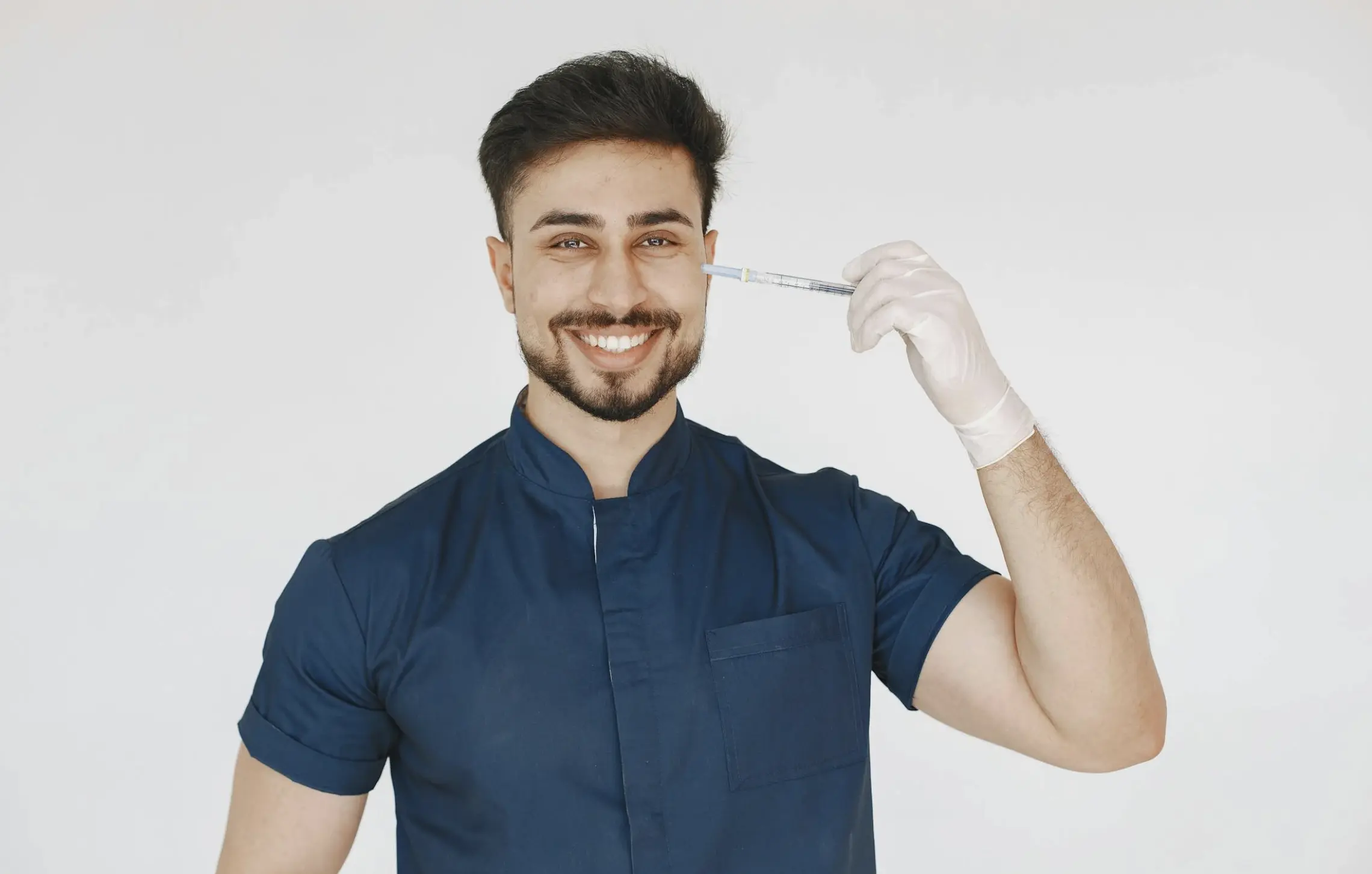
When it comes to cosmetic procedures – whether we’re talking about laser skin resurfacing, CO2 laser treatments, lip enhancements, or body contouring surgery – you should never rush through a consultation. But that’s exactly what’s happening all too often. A proper consultation needs to cover medical history, informed consent, safety protocols, medical records and whether a treatment is even suitable for you in the first place. But time and time again, we see people being pushed through the system, either because they’re in a hurry or because the practitioner is just trying to make a quick buck.
This lack of proper consultation can lead to some pretty avoidable – and potentially serious – complications. Everyone in this business agrees: slow and steady is the way to go.
Why Rushed Consults Lead to Trouble:
A Real Life Brisbane Example:
I recall a client coming to us convinced she needed some corrective lip work. But when we took a good, hard look at her medical records, we realised the real problem wasn’t the saturation – it was that she actually needed lip neutralisation, not more colour. If we’d had a more inexperienced practitioner or someone who was just in a rush, they would have made the problem worse, not better.

Overfilling – whether it’s done by a plastic surgeon, a nurse or a cosmetic physician – is one of the biggest mistakes in injectable treatments. Imagine someone with a lip job that looks more like a lumpy inflatable water slide than a natural pout, or cheeks that overpower the rest of the face.
Sometimes, we see intravascular injection risks go through the roof because someone with barely enough training to do the treatment has gone ahead and done a dermal filler job without even bothering to learn the basics of facial anatomy.
Signs You’ve Been Overfilled:
Australian cosmetic surgery figures (2024) show that dermal filler complications shoot up when someone gets more than 1ml of filler into the same spot in a single visit – and that’s usually because the person doing the treatment isn’t a properly qualified and registered medical professional.
It’s a story we’ve seen over and over – cosmetic surgery, laser treatments, chemical peels, facial plastic surgery – where someone thinks they need one thing when what they really need is something else. They want a tummy tuck when body contouring surgery would sort them out, or they think laser treatments are the answer when really they need reconstructive surgery. Sometimes they even go for deep CO2 laser work on skin that’s already got a damaged barrier.
We once met a client who believed that eyeliner tattooing would make her eyes look better. In reality, she needed to get her eyelids checked out for laxity, not tattooing. We were lucky we caught that one before things escalated.
No matter how skilled your practitioner is, bad aftercare can undo even the best work. Whether you’re recovering from a facial surgery, a round of injectables, a chemical peel, breast augmentation or cosmetic tattooing, the healing environment is just as important as the procedure itself. Just ignore those post-op instructions, rush back into exercise too soon, don’t bother protecting that incision site, or leave your treated skin exposed to Brisbane’s sunshine (and we all know how tough that sun can be)… and you’re likely to end up with delayed healing and all sorts of complications – think wound infection, or pigment disruption – the works.
Living in Brisbane can be tough for clients – the humidity just piles on the swelling, irritation and the risk of nasty post-op infections. Something that gets hammered home is that following those instructions is not just a good idea – it’s a patient safety must. We’re constantly telling clients that putting safety first isn’t optional – it’s vital to avoid ending up on the receiving end of some pretty nasty negligence claims later down the line.


You can get a great pair of shoes for a song, but when it comes to cosmetic procedures, low-cost treatments are a recipe for disaster. These sorts of deals are usually dished out in unlicensed clinics with minimal medical oversight and no guarantee of compliance with the rules. You can bet your bottom dollar they’ll probably skip informed consent, give you the bare minimum in pre-operative instructions, or use dodgy fillers and equipment that barely meet Aussie guidelines. And if things go wrong – internal injuries, heart problems, wound infection or dodgy results – you’ll find yourself in a pickle with no support in sight.
We’ve even had clients rock up here at Cosmetic Tattoo Studio Brisbane Face Figurati and ask us if eyebrow tattoo removal is their only option after a dodgy bargain treatment went wrong. Sadly, sometimes it is.
Aesthetic trends come and go, but the work it takes to fix a dodgy treatment lasts a lifetime. Treatments like extreme lip enhancements, fox-eye threads, oversized implants or those extreme laser treatments might look rad online, but they don’t always age well – and they don’t always suit every face in the world.
Some of the most common corrective requests we get here are for things like microblading removal after dodgy brows, or saline tattoo removal after someone ends up with a shape or tone that clashes with their natural features. And that’s where experience really counts: trends shouldn’t override facial harmony, ever.
Everyone reacts differently to treatments. The problem is that practitioners just don’t take the time to figure out a person’s skin type, health conditions, or which medications they’re on. End result? Outcomes suffer. People with oily skin may notice their microblading strokes blur. People with dry skin might react horribly to deep chemical peels. And then there are people with lots of melanin in their skin who can develop hyperpigmentation after the wrong type of laser treatment. Sensitive skin just gets worse and worse with strong actives or resurfacing.
Some of our clients end up coming to us to fix issues that weren’t really caused by the procedure itself – it was because the treatment just wasn’t suited to their skin type. Others come to us wanting to know about getting rid of cosmetic lip tattoos, thinking they just got it wrong – but in reality, the issue was probably how they looked after it in the aftermath.


Healing time is non-negotiable, whether you’ve had a tummy tuck, breast implants, a CO2 laser treatment, fillers or facial surgery.
Typical healing windows:
The more you rush things, the higher the risk of complications such as wound infection, uneven healing, and just generally getting into trouble.
We’ve even had to offer support to some of our clients in Brisbane who just rushed their permanent makeup healing and ended up causing themselves loads of unnecessary trauma, which meant we were able to help them with a saline eyeliner tattoo removal.
Cosmetic procedures – from fillers to full-on plastic surgery – need to be approached with a lot of thought and care, a good understanding of medical standards, and some genuine time taken to get to know the person. If you’d like some advice or maybe someone to bounce your treatment options off, we’re here to help you make more informed decisions that will give you the results you want safely.

Since 2016, Uliana Kasperska has built extensive experience in the cosmetic tattoo and aesthetic industry in Brisbane, giving her strong insight into the treatment errors and unrealistic expectations often seen in cosmetic work today. As a certified and licensed specialist trained across Europe and Australia, she focuses on careful assessment, safe techniques, and personalised planning to help clients achieve natural, balanced results while protecting long-term skin health and facial harmony.
Not taking the time to have a proper consultation with a practitioner, to get a thorough medical history review, and to obtain proper informed consent before any treatment is a sure-fire way to increase the risk of complications and, of course, negligence claims.
Yes, you can. If the fillers dissolve, we can start corrections. More severe cases might need reconstructive surgery, but that’s kind of a last resort.
It’s a combination of blood flow, how well you care for the incision sites, your overall lifestyle, swelling, and how well you follow the post-surgery care instructions.
As long as you go to a practitioner who is properly registered and certified, things are pretty safe. But it’s a whole different story if you go to some dodgy unlicensed clinic.
Yes, you can. There are usually options available – it might be corrective techniques, or more commonly, things like cosmetic lip tattoo removal, microblading removal – basically, whatever the specific mistake is, there will be a way to fix it.