

“ Hair shedding vs. hair thinning: how to tell the difference” is a question clients frequently ask when they visit our Brisbane studio, they often arrive worried about sudden hair loss or the amount of hair falling out in their brush. And honestly? We get it. Seeing more strands than usual can make anyone question whether their hair follicles are “just shedding” or signalling early thinning.
Before you spend half the night scouring Google for some magic bullet to stop your hair loss in its tracks, just take a deep breath. The thing is – if you understand that hair grows in cycles, and how the density of your hair changes over time, you can start figuring out what you need to do to get things under control – and do so without getting too stressed about it. In fact, much of that stress is unnecessary.
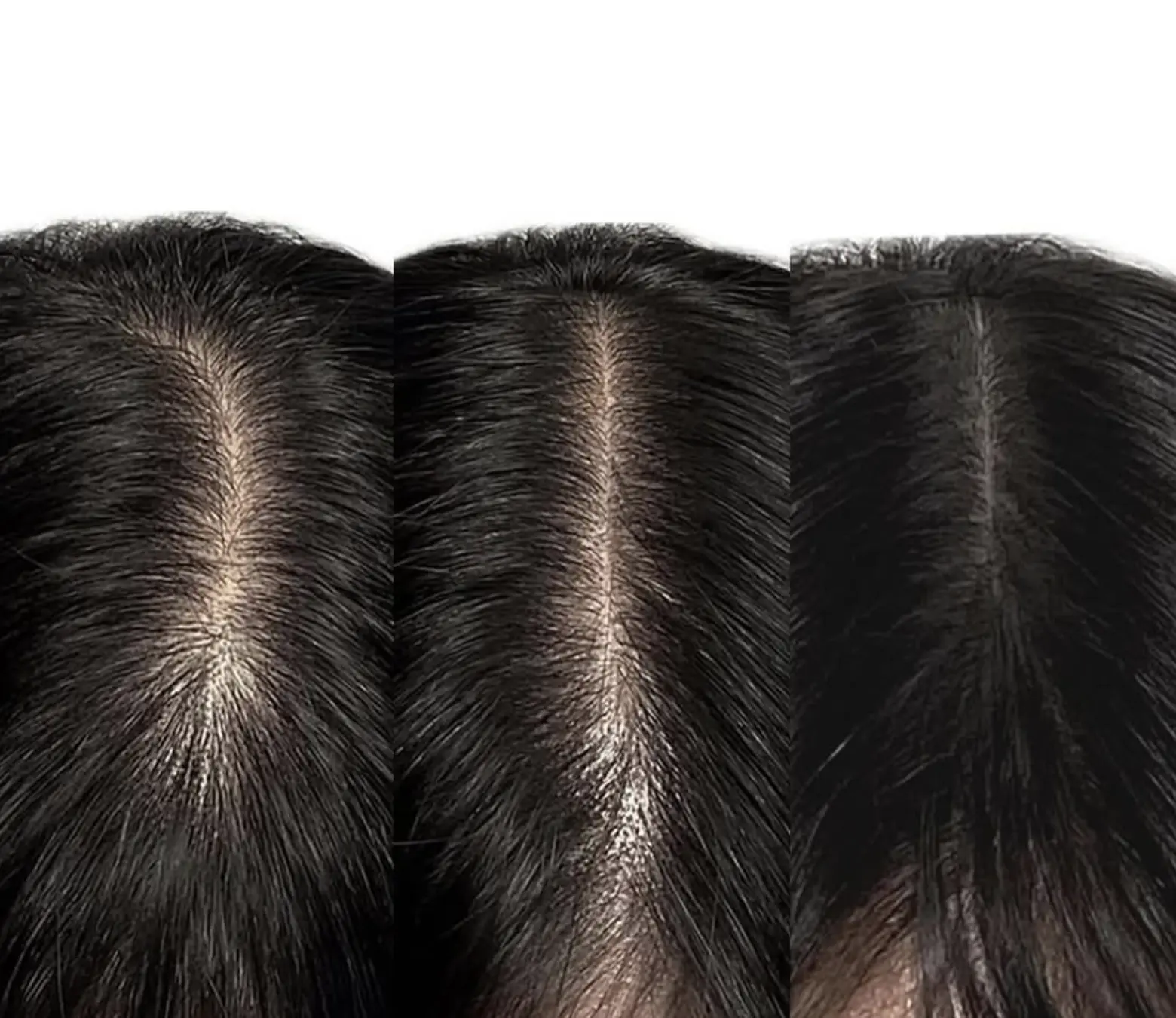
Look – a certain amount of hair fall is just perfectly normal – it’s all part of the natural cycle of hair growth. Every hair follicle on your head is just going to go through this process of growing, resting and then letting go – so you’re bound to shed a bit here and there.
Here in Brisbane, we tend to see a lot more of this in people when it’s humid and hot – all that heat styling and chemical treatment can make your hair fall out a bit more than usual. But the thing is – this kind of hair loss is usually pretty even all over your scalp, and you won’t suddenly go bald or see any big gaps in your hairline.
According to Australian dermatology data, which I expect to be released in 2025, you can expect to lose 50-120 hairs a day. Now that’s not a problem – that’s just normal – and you can expect to lose more around the times of year when the weather is getting all mixed up, or when you’ve got hormonal changes or maybe even recovered from an illness.

Thinning isn’t just about losing a few more hairs; it’s about seeing your thicker stuff going down the drain. When hair follicles start to shrink, the new hair that grows out of ’em is paler, shorter and a heck of a lot weaker.
People often come to us and say that their hair still falls out in the same amount, but when they throw it all up in a ponytail, it just looks smaller than it used to. That’s a major red flag for thinning rather than shedding.
This can be caused by conditions linked to male pattern baldness early signs (androgenetic alopecia), traction alopecia from pulling your hair too tightly, scarring alopecia from skin damage, scalp psoriasis, autoimmune diseases, or years of chronic inflammation.
Some people we see choose cosmetic fixes, such as a scalp or hairline tattoo, which can create the illusion of thicker hair, even as they work to address the underlying issues through treatment.
| Feature | Shedding | Thinning |
|---|---|---|
| Pattern | Even hair fall | Pattern hair loss, widening part, visible scalp |
| Hair Strand | Normal thickness | Miniaturised, weaker |
| Common Causes | Telogen effluvium, stress, and hormonal fluctuations | Androgenetic alopecia, scarring alopecia, and traction alopecia |
| Timeline | Temporary | Progressive |
| Related Signs | Seasonal hair shedding | Bald patches, pattern hair loss, density reduction |
| Helpful Options | Scalp care, supportive products | PRP, hair transplant, low-level laser therapy, scalp micropigmentation |
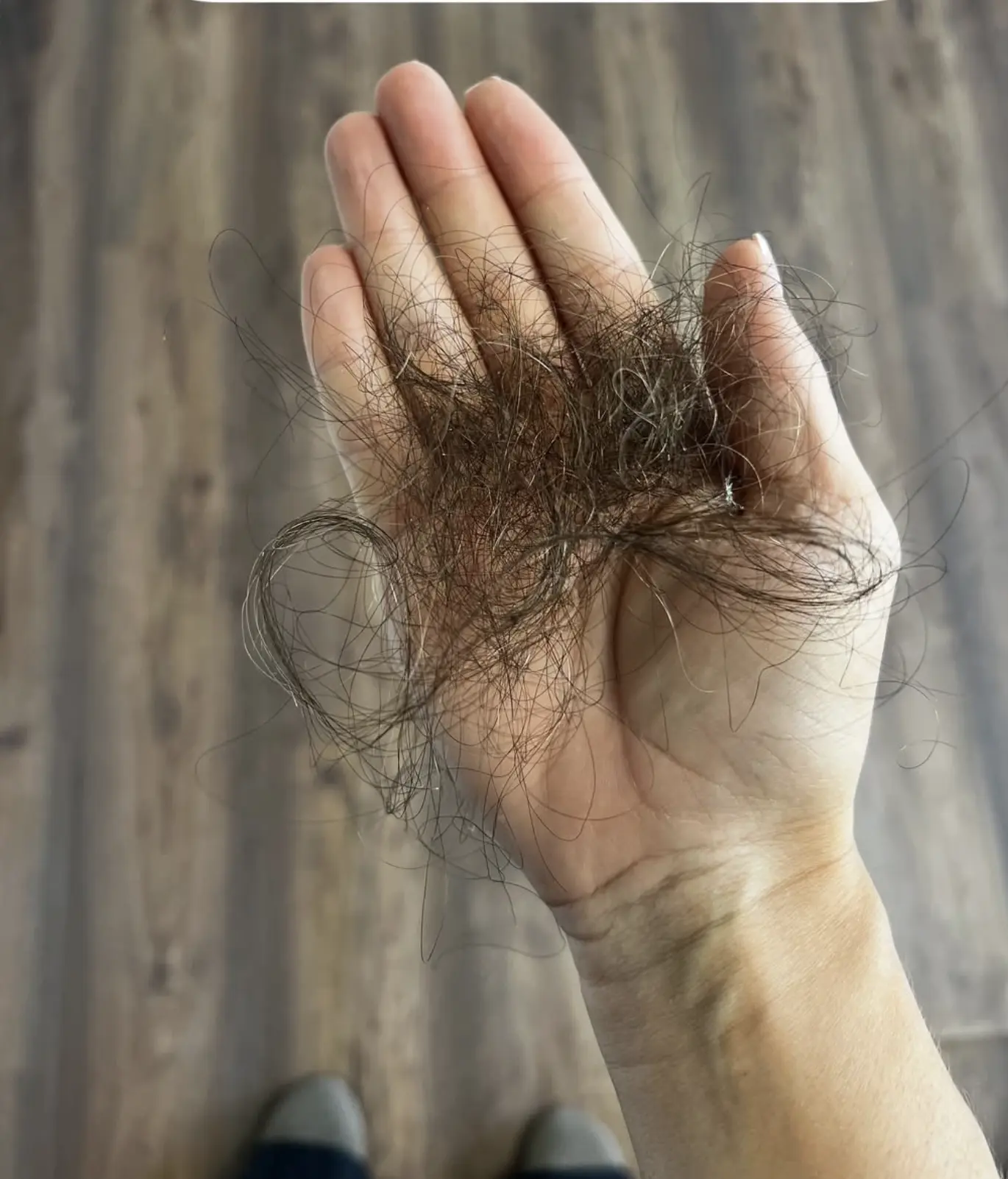
As more follicles switch into the telogen phase, hair loss increases – this is called telogen effluvium. It’s one of the most common hair loss issues people bring to uswithin 3-6 months & normal hair growth returns once the underlying cause is resolved.
Most of the time, shedding resolves within 3-6 months & normal hair growth returns once the underlying cause is resolved.
Thinning tends to follow a pattern and is often the result of long-term biological processes. Recognising these early can make a huge difference in the outcome.
These conditions can benefit from treatments such as PRP (platelet-rich plasma), low-level laser therapy, regenerative medicine & cosmetic density boosters like scalp micropigmentation.


A woman visited Cosmetic Tattoo Studio Brisbane Face Figurati after noticing what she believed was “loads of hair fall“. At first glance, it looked like telogen effluvium, but when we took a closer look, we found signs of thinning around her crown and temples.
Her customised plan included:
For a more cosmetic fix, she later opted for a scalp micropigmentation to soften the contrast in areas where her hair appeared sparse, while her medical plan took effect.
It’s surprisingly common for both patterns to happen together, and that combination can make changes feel far more noticeable. If you’re already managing underlying density loss and then develop telogen effluvium, a sudden fall can seem dramatic and alarming. The overlap often exaggerates the appearance of reduced volume, even if the long-term pattern hasn’t significantly changed.

You don’t need all that fancy lab equipment to figure out what’s going on with your scalp – just try a few simple checks to get a better sense of what’s happening.
Daily observation is key – it helps build awareness of your hair patterns. And that means you’ll be able to catch any changes much earlier and make adjustments before things get out of hand. In fact, doing these at-home checks can save you months of confusion and prevent you from wasting money on products that won’t work.
If your ponytail feels noticeably smaller than it used to – that’s a good sign that you might be experiencing hair thinning, rather than just shedding a lot.
If your part is getting wider, that’s usually a pretty clear sign that you’re losing hair density.
Finding 50-120 hairs on the floor on any given day is pretty normal, and you’ll probably shed a lot more after you wash your hair
Stand under your bathroom lights – and if you’re suddenly seeing more scalp than you used to, that’s a pretty good sign that you’re thinning.
A lot of people will opt for cosmetic solutions early on, like a scalp tattoo or even eyebrow tattoo treatments to help balance facial definition and overall appearance.

The thing is, hair shedding and long-term thinning need totally different approaches.
If you know that, you can avoid becoming frustrated and ensure you’re choosing treatments that actually match the problem.
If you’re noticing any of these things, it’s probably worth getting an expert take.
A proper assessment means you’re not just making an educated guess – you’re working with the facts.
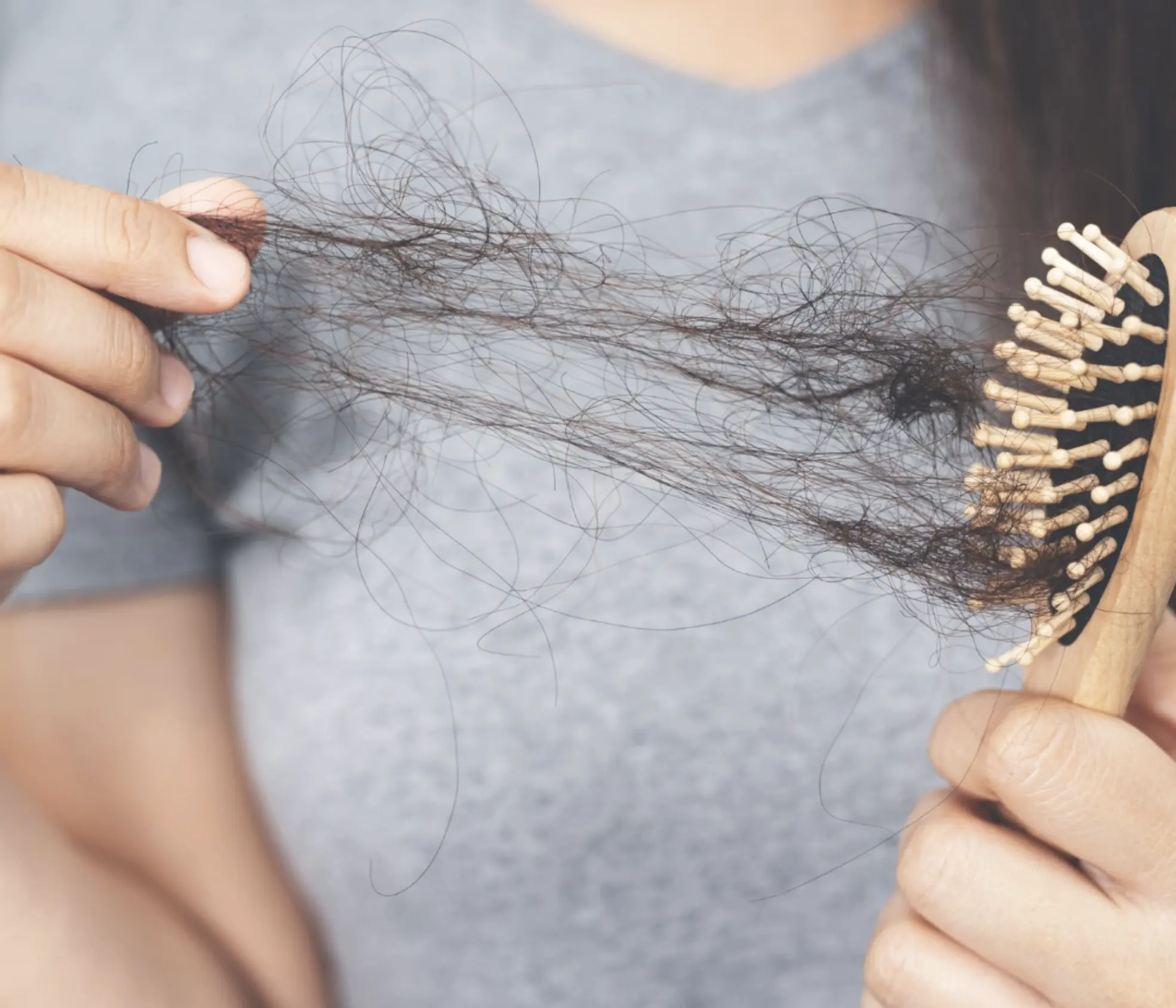
Getting to grips with Hair Shedding vs. Hair Thinning: how to tell the difference is a huge step toward understanding, for what’s going on with your scalp. Whether you’ve got telogen effluvium or you’re at the start of androgenetic alopecia – knowing the signs is a huge step towards getting some answers – and stopping googling worst case scenarios at 2 in the morning.
Still unsure? Then come on down to our cosmetic tattoo studio, for a cup of coffee and a chat. Want advice, a treatment plan, or even cosmetic density supports – we’re here to help.

With professional experience in the hair and scalp aesthetics industry since 2016, Anastasia is a certified and licensed specialist who understands the visual and structural differences between hair shedding and hair thinning. She holds recognised qualifications across Europe and Australia, supporting clients with expert guidance on hair density changes, early hair loss signs, and scalp-related concerns.
Yes, many of our clients in Brisbane notice more hair falling out when the weather changes and becomes humid.
Nope – even if you are thinning early on, that stuffs usually pretty treatable with PRP, laser therapy and some good scalp care.
If you don’t deal with it, yeah – you could be looking at some serious permanent damage. Get it sorted out asap.
No, our scalp tattoo or scalp micropigmentation just sits on top of the skin and doesn’t touch the actual hair follicle.
Yep – for people with pattern hair loss, it’s a cosmetic solution that can restore the look of density.