

We get to see a lot of faces here – whether it’s after they’ve had some cosmetic tattoo work done, taken advantage of a fresh skin treatment, or just dealt with the sun damage that snuck up on them over the years. You know what they all have in common, though? Daily sun exposure is much more important than most people give it credit for. So grab a seat, grab a cup of coffee and let’s have a real chat about SPF—no scaremongering, no marketing jargon – just the honest lowdown.
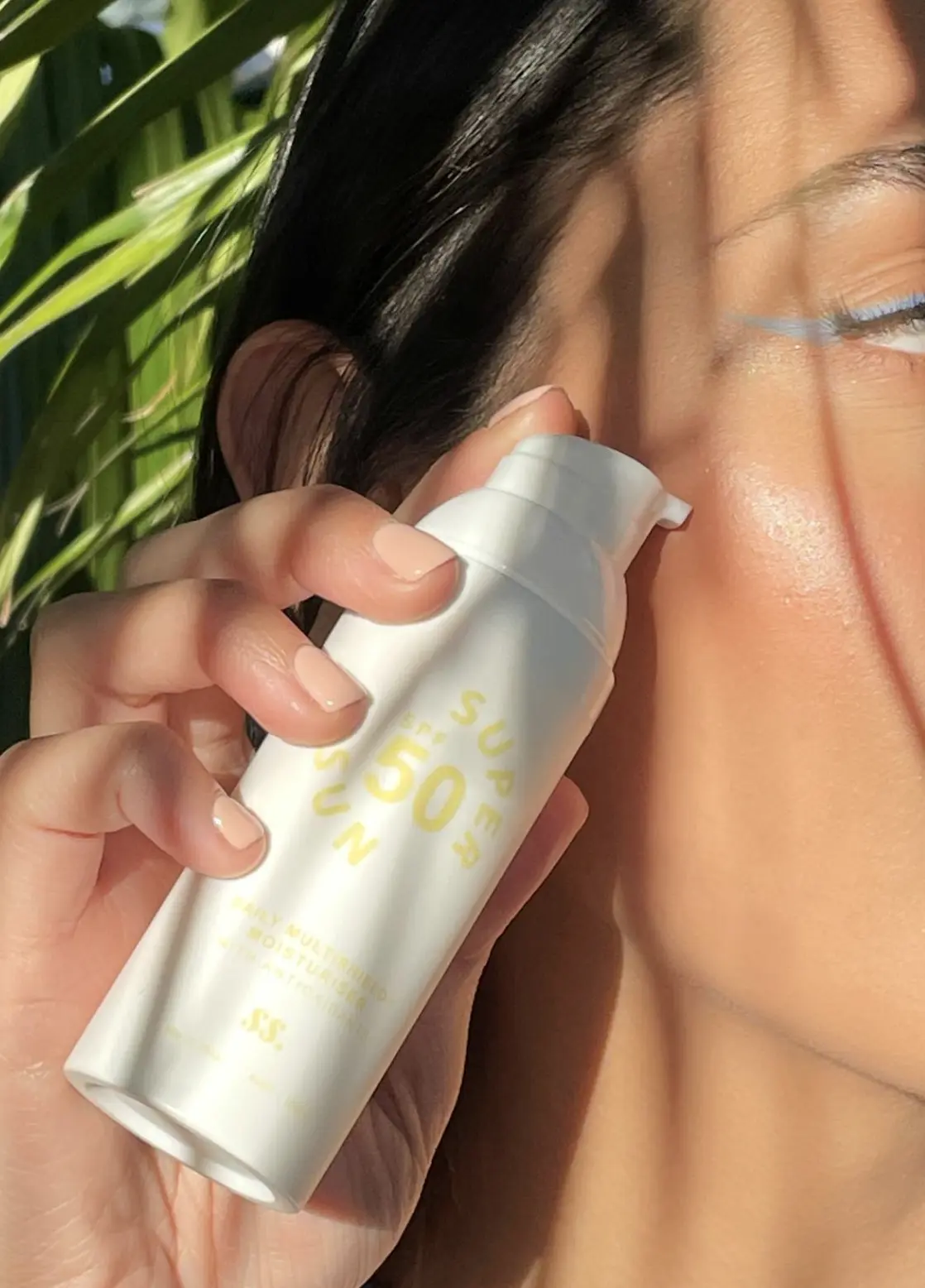

We all know that sunscreen isn’t a perk if you actually want skin that looks youthful, has a strong, healthy barrier, and is going to be okay long term. Broad-spectrum protection keeps you safe from the bad stuff – those UVA rays that are responsible for ageing and making you look all wrinkly, and UVB rays that cause burning and contribute to skin cancer. Both are causing gradual skin damage over time, breaking down collagen, leading to dark spots, and weakening skin proteins.
We see a lot of people come in worried about pigmentation, dryness or dullness – and it’s not uncommon for long-term sun damage to be the real cause of those skin concerns.
Brisbane‘s got a high UV index, even in the cooler months, which means your skin is under pressure 24/7. Even the little things you do – hang the washing, walk to the car, grab a coffee on the run – all count as UV exposure.
And of course, humidity adds another challenge – sunscreen can feel heavy in the heat, so finding the right base is crucial. Whether you prefer a lightweight sunscreen serum or a tinted sunscreen for everyday wear, the key is to get into the habit.
And let’s be clear: UV rays can penetrate clouds and car windows. Brisbane weather might look pretty mild in winter, but those UVA rays aren’t taking a break.
When people come in for a service at Cosmetic Tattoo Studio Brisbane Face Figurati, we always check for signs of sun damage. UV exposure can affect pigment adherence, colour accuracy, and skin recovery after procedures.
Sun damage is super sneaky – you might not even feel it happening, but you will definitely see the results later on.


Choosing a sunscreen shouldn’t be rocket science, so let’s break it down in a way that’s easy to grasp.
Mineral sunscreens are all about the simple stuff – they’re made with zinc oxide and titanium dioxide, and they do exactly what you’d expect – they sit on top of the skin and bounce UV rays straight back out.
Pros:
Cons:
These sunscreens absorb UV rays and convert them into heat.
Pros:
Cons:
| Sunscreen Type | Protection Method | Benefits | Considerations | Best For |
|---|---|---|---|---|
| Mineral-Based Sunscreens | Reflect UV Rays | Gentle, immediate protection, reef-safe | Possible white cast | Sensitive skin, post-treatment care |
| Chemical Sunscreens | Absorb UV Rays | Lightweight feel, makeup-friendly | May irritate some skin types | Oily/combination skin |
Both are FDA-approved sunscreens and will protect you effectively when used correctly.
Honestly, most folks don’t put on nearly enough.
To get the SPF rating on the bottle, use half a teaspoon for your face and neck, or two good dollops across your face, about the length of your fingers.
Don’t even think about relying on a small dab of tinted moisturiser with SPF. If you prefer a tinted sunscreen, ensure it’s a proper sunscreen formula that effectively protects you from UV rays.

This is where we review the daily habits that prevent proper sun protection.
Think again: indoor lighting can still cause pigmentation, and UVA rays can penetrate glass.
If you’re going to be out in the sun all day, you need to reapply every couple of hours – that’s a rule of thumb, especially on long summer days.
Tinted moisturisers are not a substitute for sunscreen.
Ears, eyelids, neck and chest are just as prone to sun damage as the rest of your skin.
Newsflash – clouds don’t block UVA rays.
At Cosmetic Tattoo Studio Brisbane Face Figurati, we see firsthand how sun-safe habits are key to getting long-lasting results from cosmetic tattoos.
SPF Supports Cosmetic Tattooing By:
Weve even seen clients with beautiful lip blush fade away because of daily sun exposure – just from driving to work in the morning. SPF makes a difference.
This section focuses on matching your sunscreen to your skin type, climate, and preferences.
Hydrating formulas with hyaluronic acid or creamy sunscreen bases are best for dry skin.
For oily or acne-prone skin, look for lightweight gels or non-comedogenic chemical sunscreens.
If you’ve got mature skin, SPF 50+ is a good choice – it’ll help keep your skin looking youthful and stop skin proteins from breaking down.
Mineral sunscreens with zinc oxide are good choices for sensitive skin – they’re calming and stable.


To get the most out of it, apply SPF as the last thing in your skincare routine, right before you slap on your makeup.
And don’t forget – hats, sunglasses and all that jazz help, but at the end of the day, sunscreen is still the best way to protect your skin.
If you’re in Brisbane, you should almost always use SPF 50.
SPF 30 blocks about 96% of UVB rays, while SPF 50 blocks about 98%. And trust me, that extra 2% matters – it’s not a lot, but it’s a lot over years of daily sun exposure.
Even if you’re doing everything right with your SPF, make sure you’re getting an annual skin check to stay on top of your skin health.
SPF may not be the most glamorous thing in the world, but it’s the best tool you’ve got for long-term skin health and keeping your skin looking young and fresh. It keeps dark spots, fine lines, sun damage and skin cancer at bay – and it even helps your cosmetic tattoo results stay looking sharp.
If you’re not sure which sunscreen is right for you, or just want some advice on how to fit sun protection into your morning routine, pop into Cosmetic Tattoo Studio Brisbane Face Figurati – we’re always happy to share our top picks and help you come up with sun-safe habits that don’t have to be a pain to stick to.


With professional experience since 2016, Anastasia specialises in the importance of SPF and sun protection for maintaining skin health and preserving fine line and cosmetic tattoo results. Fully certified and licensed in Europe and Australia, she applies this knowledge to reduce pigment fading, support proper healing, and ensure longer-lasting, stable outcomes.
Heck yes, darker skin can still get dark spots, sun damage and skin cancer too.
Yeah, if you’re using a heavy formula, it can, but no worries – there are loads of breathable, non-comedogenic options out there.
Yep – UVA rays can still get through the clouds.
Both work, but tinted SPF can be a game-changer if you’re looking for extra tone and coverage. The catch is that it must provide real UV protection, not just colouring.
You do, but only after your skin has healed from the brow or especially lip tattoo.