

If you’ve ever wondered Which hormone causes skin darkening?, you’re not alone in the confusion. Clients ask me that question on a pretty regular basis, especially in our sweltering Brisbane climate, where UV exposure, heat and sun damage can play havoc with pigmentation patterns in no time.
Hormonal pigmentation isn’t just about a few random dark spots. It can be a real pain in the neck – stubborn, patchy, emotionally draining and downright confusing, especially when your skin seems to be changing seemingly out of the blue to reflect your menstrual cycle, pregnancy, stress or the pollution in our air. Today, we’re going to drill down on the one hormone at the heart of most pigmentation concerns, how it works inside melanocytes, and why Brisbane’s climate keeps things buzzing year-round.
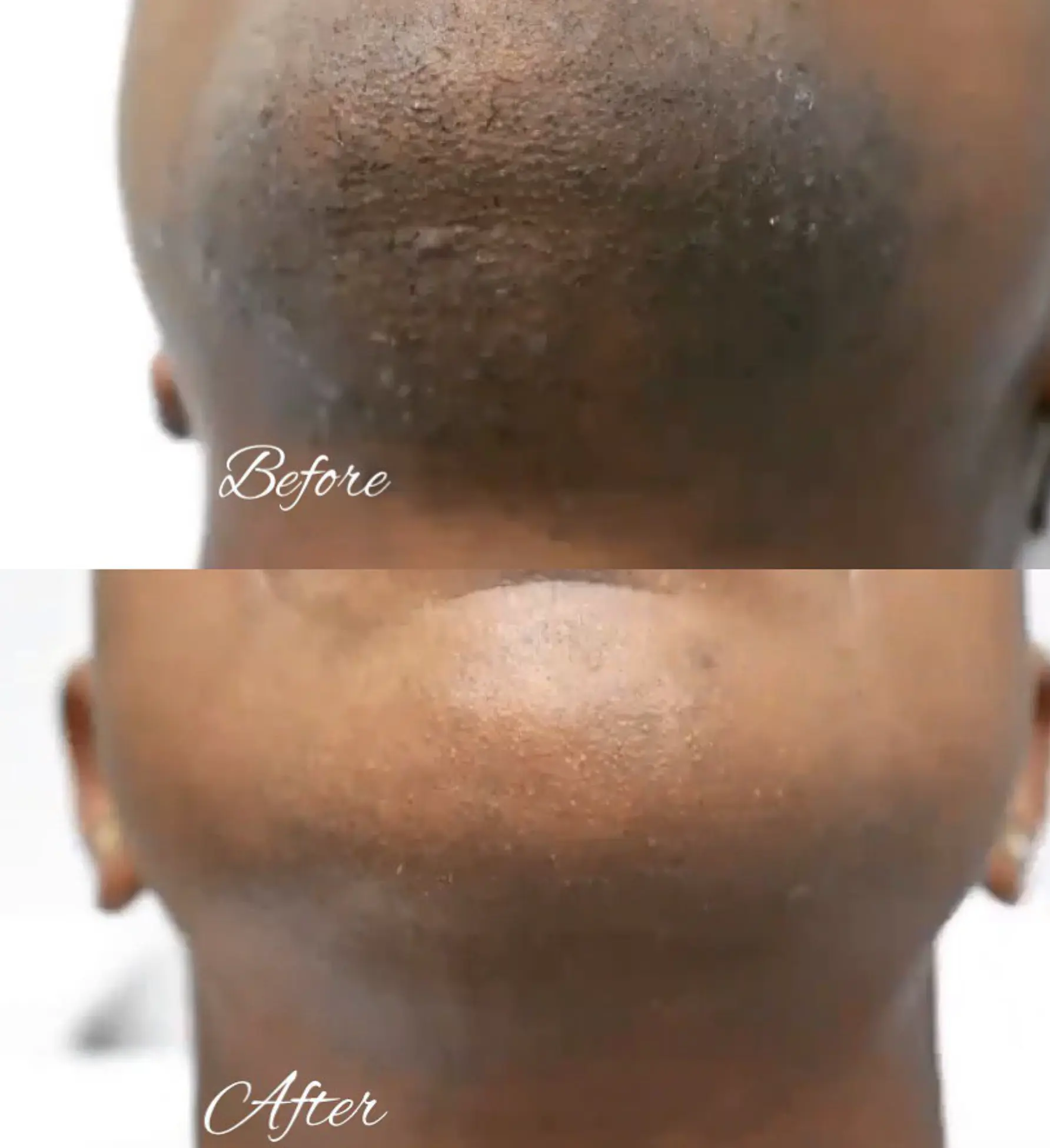
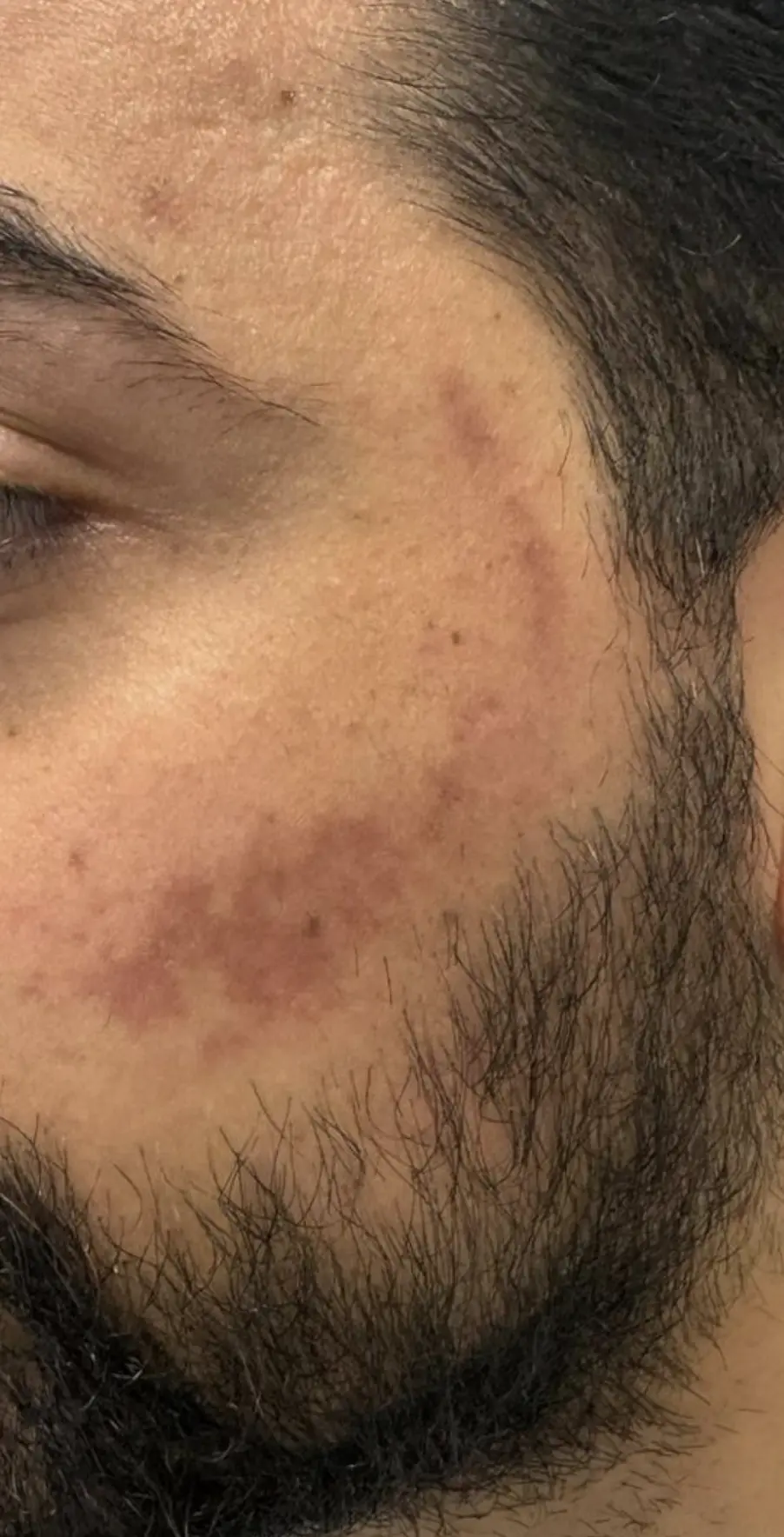
Melanocyte-Stimulating Hormone (MSH) is the key hormone that’s responsible for skin darkening – and it works by getting the melanocytes to kick up a gear and boost melanin production. The pituitary releases MSH and can also be influenced by the adrenal glands, especially in cases of adrenal insufficiency or congenital adrenal hyperplasia.
When MSH levels spike – whether it’s from UV rays, hormonal fluctuations during the menstrual cycle, hormone replacement therapy, birth control pills, thyroid problems, or just plain old inflammation – your skin can develop dark spots at an alarming rate. Pregnant women often notice melasma or spotted melasma developing because progesterone and estrogen appear to signal increased melanin production.
And then, of course, there’s b intensity – it’s like the sun is constantly slapping your skin with more and more ultraviolet light, stimulating even more MSH, and as a result, even more dark spots are likely to appear unless you’re consistent with your sun protection.
Melanocyte-Stimulating Hormone doesn’t work alone — it triggers a biological chain reaction.
The Simple Version
Brisbane’s climate exposes skin to constant ultraviolet radiation and heat, increasing inflammation and slowing skin cell renewal. When renewal becomes uneven, pigmentation appears darker and more pronounced — particularly in people prone to hormonal melasma or post-acne marks.
Understanding types of pigmentation matters — because treatment mistakes can make things worse.


Melasma is driven by MSH, estrogen, progesterone and UV exposure.
Sun-induced pigmentation occurs when UV light overstimulates melanocytes, leading to age spots and premature ageing.
| Pigmentation Type | Main Trigger | Worsened By | Appearance |
|---|---|---|---|
| Melasma | MSH + estrogen + progesterone | UV exposure, heat, pregnancy, and hormonal imbalance | Patchy melasma across cheeks, forehead, upper lip |
| PIH | Inflammation increasing MSH | Acne flare-ups, harsh treatments | Dark spots or patches after injury |
| Age Spots (Liver Spots) | Chronic sun exposure | Ultraviolet light, ageing | Localised brown spots |
| UV Pigmentation | UV stimulating melanocytes | Daily sun exposure | Freckles, sunspots |
Melasma prevalence ranges from 1.5–33% worldwide, higher in tropical climates with intense ultraviolet light.
Hormonal pigmentation doesn’t just magically disappear overnight. It’s got a whole crew of nasty hormones, receptors, and environmental triggers that want to keep it around.
Three Reasons It Clings On:
Hormone fluctuations never entirely stop – menstrual cycles throw up their hands every month, stress changes just add fuel to the fire, and menses-induced flare-ups plus hormone imbalance all keep sending signal after signal to those pesky pigment cells.
Environmental triggers are constant in Brisbane – UV rays in Brisbane are relentless – and heat, and humidity don’t make it any easier – all of which just keep boosting melanin production day after day.
Melanocytes have long-term memory – once they’ve been overstimulated, they tend to respond much more quickly to ultraviolet sensitivity and these hormonal shifts, which is a significant problem.
When I’m working with clients here, hands-on, the patterns are obvious:
And importantly, when clients come in for cosmetic tattooing at Cosmetic Tattoo Studio Brisbane Face Figurati, we always check out that pigmentation first – because hormonal melasma, dark spots and UV-triggered patches can totally affect how well the colour will hold up, what pigments we can use and how natural the healed result looks – especially for brows, lips and eyeliner.
And you know what never changes?
Even on cloudy days, UV rays always make it worse.


The truth is, you can’t get rid of hormonal pigmentation for good – but you can definitely keep it under control with a good combo of topical therapies, in-clinic treatments and some serious sun-smart habits.
UV rays basically just trigger that nasty melanocyte-stimulating hormone – and if you don’t use sunscreen, nothing else will even start to work.
Use broad-spectrum mineral SPF daily and keep those UV rays at bay – or your skin will continue to be damaged.
Some effective topical therapies out there slow down melanin production without stripping the skin of its colour:
These ingredients help slow melanin production but won’t simply bleach the skin.
These can be effective for improving skin cell turnover and fading those stubborn hyperpigmented spots – if they’re done right, of course.
Helpful In Brisbane Conditions:
Avoid:
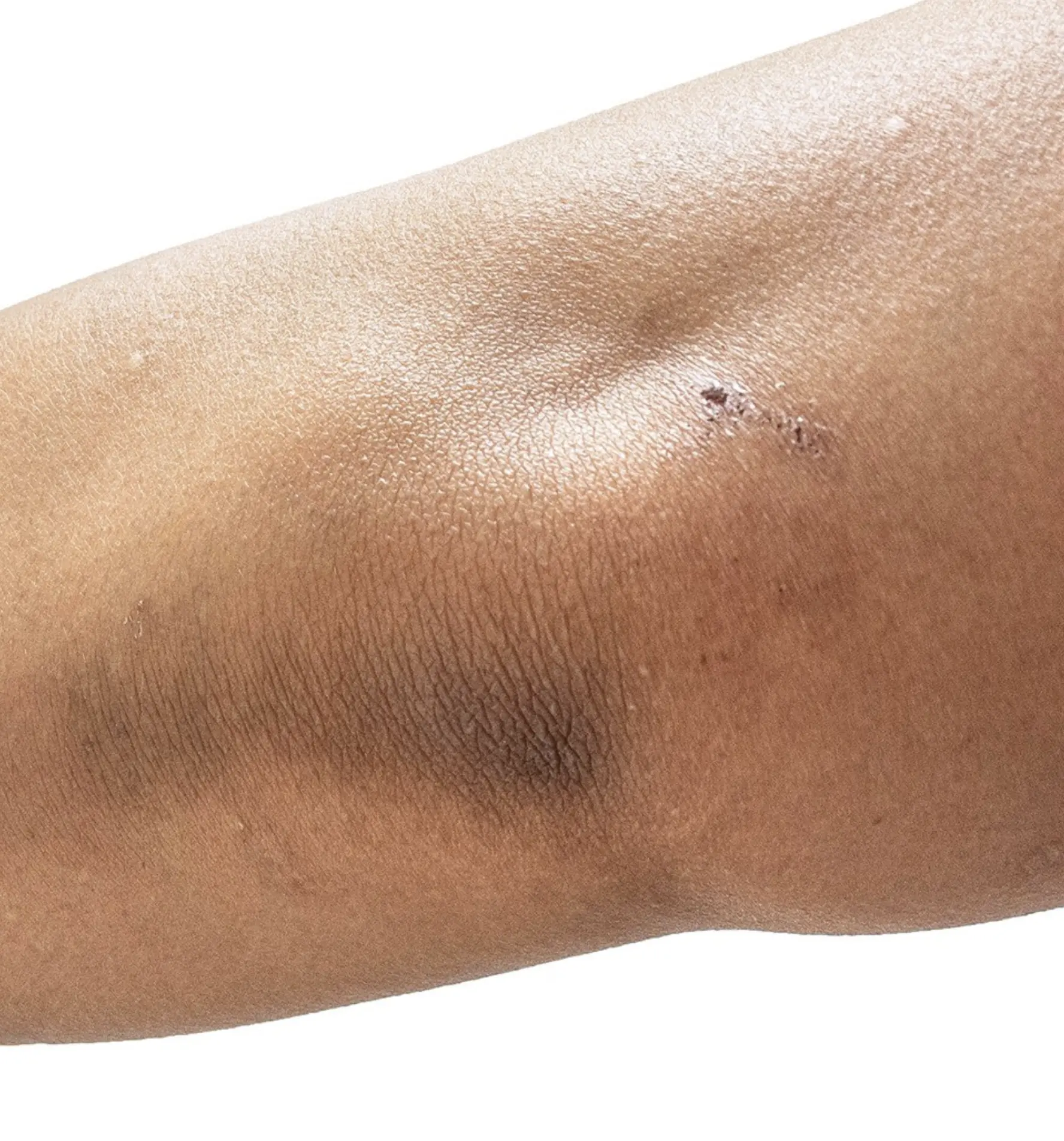
Little changes can have a significant impact on your skin’s health. Here are some of the most important ones:
Pigmentation caused by hormonal changes can feel really unpredictable. Still, once you get a handle on the role of melanocyte-stimulating hormone and sunlight, it starts to make a lot more sense. While living in Brisbane can add an extra layer of complexity, the right combination of sun protection, topical treatments, and in-clinic therapies can help keep your skin calm, bright, and far less reactive.

With industry experience since 2016, Anastasia specialises in understanding how climate, heat, and environmental exposure influence the skin, especially in brow and fine line tattooing. Fully certified and licensed in Europe and Australia, she applies this expertise to customise techniques, pigments, and aftercare for more predictable healing and longer-lasting results across different climates.
Melanocyte-stimulating hormone (MSH) is the primary hormone that tells your skin to produce more melanin and create dark spots.
Absolutely – hormonal melasma can get a lot worse when you’re pregnant, or if you have hormonal fluctuations caused by menstruation, hormonal imbalances, or certain types of birth control or hormone replacement therapy.
Because the sun is so intense there year-round, it increases tyrosinase activity and melanin production, making it harder to avoid spotty melasma.
Topical treatments with azelaic acid, vitamin C, glycolic acid, plus gentle chemical peels and carefully controlled laser therapy – as long as you remember to use a good sunscreen every day.
Unfortunately, hormonal pigmentation can’t be completely cured – but with the right treatments, SPF and topical therapies, you can really reduce the size and appearance of those dark spots in the long run.