

Why do people have different types of skin? It is one of the questions we get asked almost every day here in our Brisbane studio – usually just before someone comes to us and says why on earth does their friend get away with slapping on any old moisturiser, while their skin goes haywire the moment they try the same product. If you’ve ever stood in the skincare aisle feeling utterly bewildered by the sheer number of options staring back at you, then you’re definitely not alone.
We’re Uliana Kasperska and the team here – a bunch of certified cosmetic tattoo artists with over 15 years of experience in the beauty world, having worked in both Europe and Australia – so we’ve seen our fair share of skin types, skin combinations, and the many, many curveballs that Brisbane humidity likes to throw at a face. Let’s get down to earth and straight to the point – no beating about the bush, no sales pitches, just the facts that actually make a difference when it comes to really understanding your skin and treating it right.

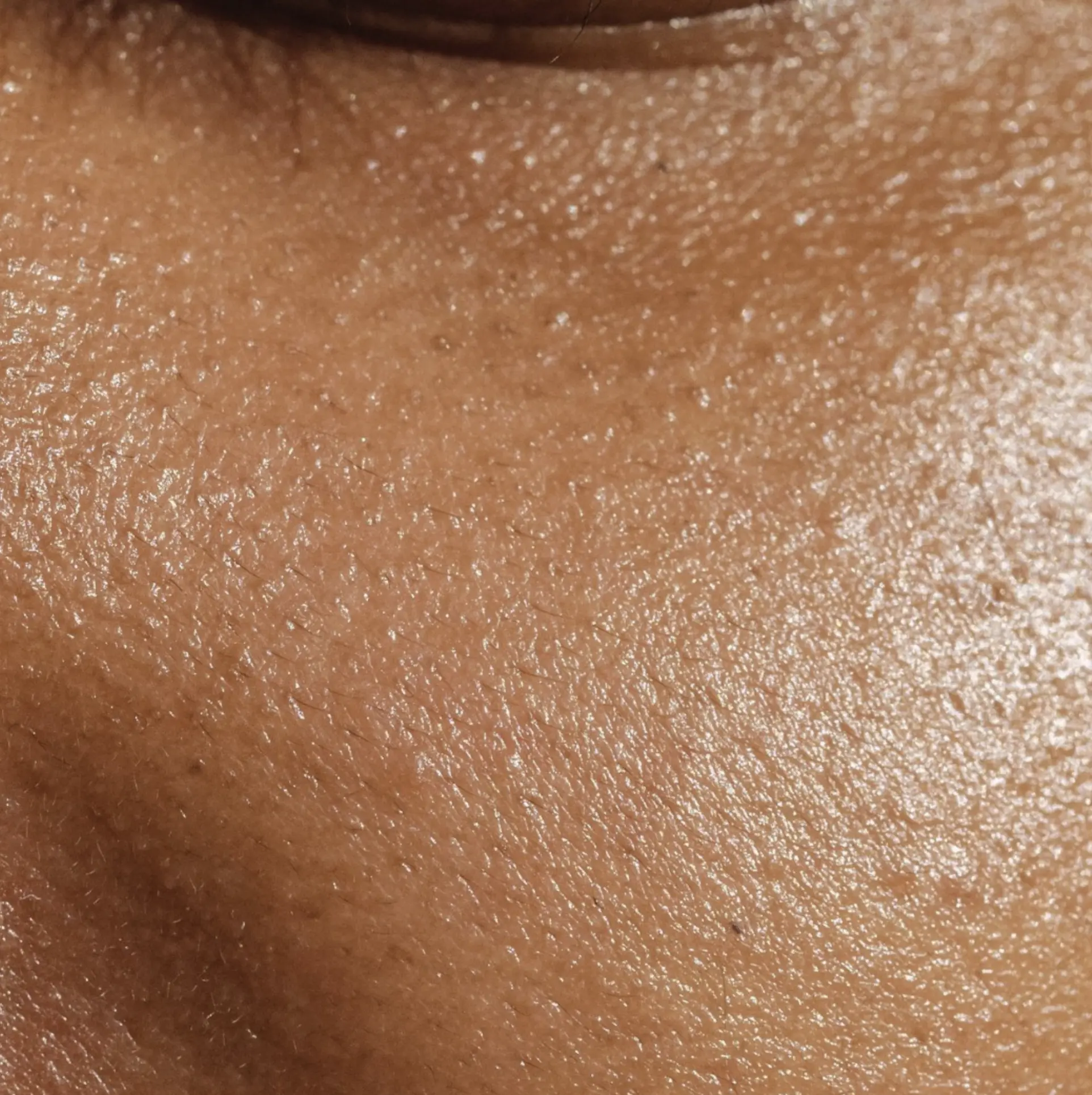
Your skin type isn’t just a crap shoot. It’s a combination of genetic factors, your lifestyle, the climate, the structure of your skin, and how your immune system reacts to stuff that might irritate it. Even the thickness of your stratum corneum – that’s the outermost layer of skin – plays a part.
When we’re mapping out a brow design or planning a lip blush tattoo, we always check out a client’s basic skin physiology – things like how much oil they produce, their skin reaction patterns, and sensitivity level. That’s because all of that can affect pigment retention, healing time, and the long-term results.
A lot of what your skin does is essentially written in your DNA. Some people naturally produce more melanin pigment, some have highly active sweat glands, and others have larger pores than they would like.
These genetic variants shape traits such as oil production, your ability to tan, skin sensitivity, and even how your skin distributes melanin.
Hormones can turn your skin from normal to oily overnight or make dry skin feel like sandpaper suddenly. They affect things like oil production, inflammation levels, and even the activity of your mast cells – those are the ones that cause all the skin irritation.
Living in Brisbane means your skin has to deal with:
All of that affects your skin type, hydration levels, and how your skin pigmentation develops over time. Ever notice a small sunspot appearing after a summer? That’s your skin saying, “Wear sunscreen next time.”

We break down skin types in the studio using classic dermatological categories — similar to Fitzpatrick’s classification or general skin type charts — but explained in real-world terms that clients actually understand.
| Skin Type | Characteristics | How It Behaves With Cosmetic Tattoos |
|---|---|---|
| Oily | Shine, congestion, active oil glands | Pigment can heal more softly due to sebaceous secretion |
| Dry | Flaking, tightness, impaired skin barrier | Holds colour well but heals more slowly |
| Combination | Oily T-zone, dry cheeks | Mixed retention — mapping is essential |
| Normal | Balanced oils, minimal sensitivity | Ideal for brow and lip tattooing |
| Sensitive | Redness, reactive, easily flushed | Needs gentle prep and extended healing |
According to dermatological research, over 50% of adults report sensitive skin, which aligns with what we see—especially when Brisbane humidity combines with UV radiation to cause irritation and post-inflammatory pigmentation.
Your skin is shaped almost as much by your environment as it is by your genes. In a subtropical climate like Brisbane’s, your sweat glands work overtime for most of the year, and you’re exposed to high UV levels, which pushes melanin production into overdrive.
When the humidity starts to rise, it can lead to an absolute flood of sweat & oil production – and that can dilute tattoo pigment, leave you with soft, powdery healed results – especially if you’re already on the oily side.
We talk about the dangers of sun exposure all the time in the studio because UV radiation does some pretty nasty things to your skin:
With the UV index here in Queensland being as high as it is, that means a greater risk of skin cancer, premature ageing & persistent pigmentation changes.
On top of all this, air conditioning dries out your skin, pollution can make your blood vessels go haywire and increase your sensitivity, and stress can wreak havoc on your immune system – all of which have a knock-on effect on how your cosmetic treatments heal.
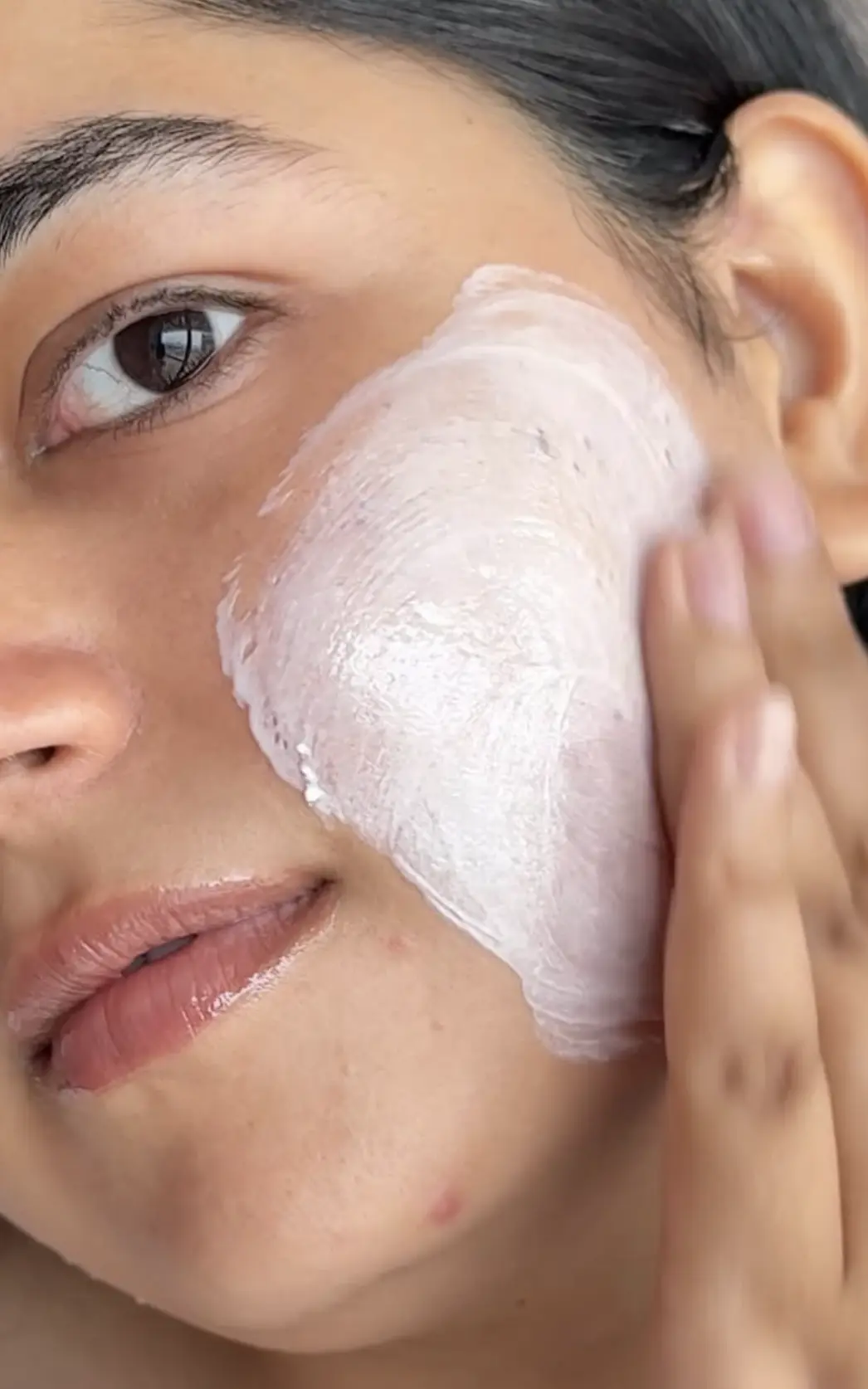
As you get older, your skin type can shift – it’s all down to shifting hormones, decreased collagen and changes in your oil glands & blood vessels.
In your 20s, you still have plenty of oil to go around, your skin responds quickly to UV exposure, and you can still get a good tan.
By the time you hit your 30s or 40s, your skin is likely to be more dehydrated, your skin pigmentation isn’t as even as it used to be, and your immune system isn’t as effective at repairing all that UV damage.
After 50, your skin is going to be thinner and a lot more reactive – your skin barrier is going to be weaker, making sensitivity levels go right through the roof.
We adjust our technique and aftercare based on what we know about how skin changes with age to help prevent issues such as pigment spreading or post-inflammatory pigmentation.
It’s not just about skin colour – your melanin levels play a huge role in all sorts of things.
Melanin production can affect:
Now, when it comes to darker skin tones, they tend to have:
On the other hand, people with lighter skin tones tend to:
So we adjust our approach – especially when it comes to cosmetic tattooing – to try and avoid things like pigment overload or uneven healing.

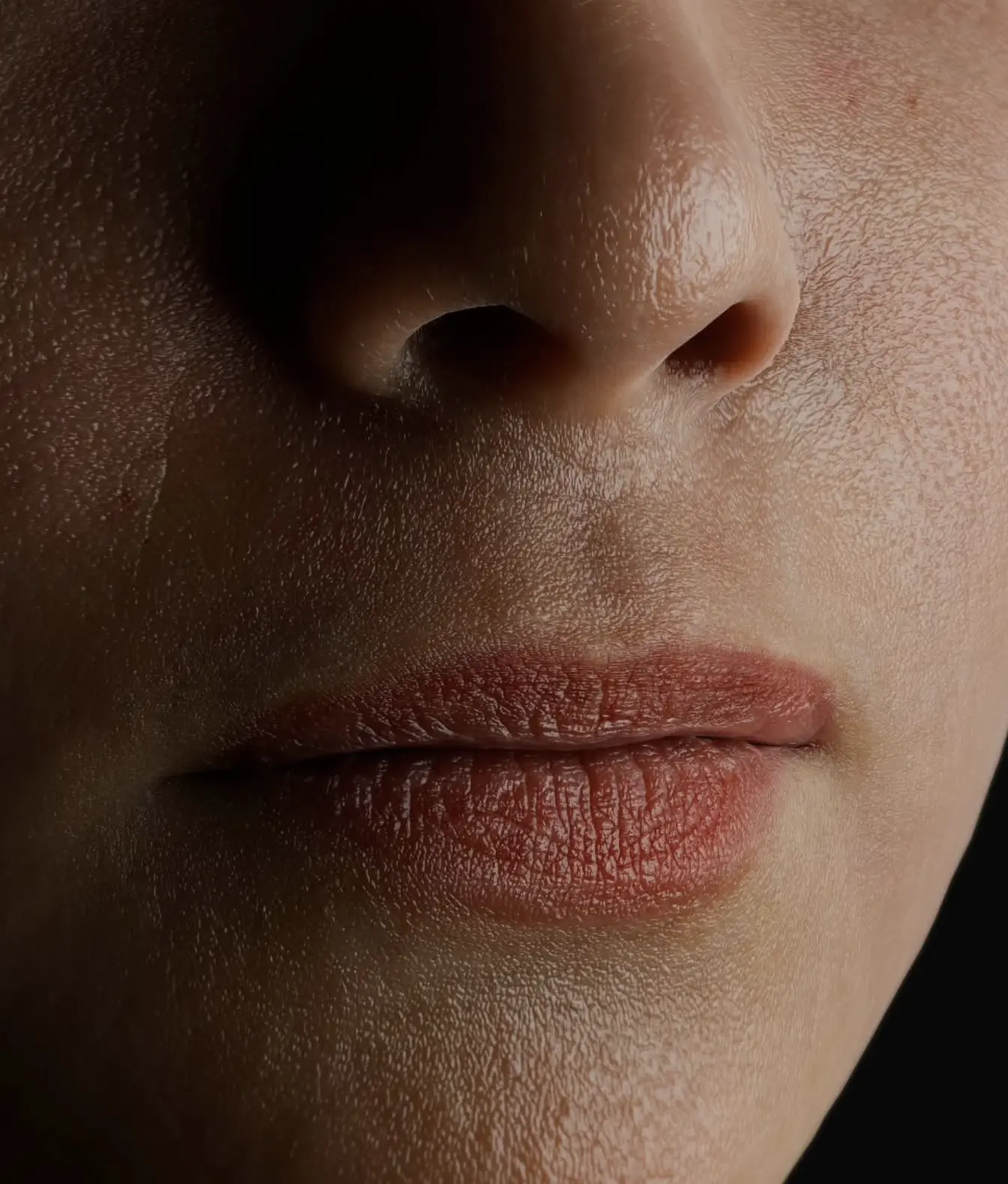
We get asked this question repeatedly in consultations, and we make a point of clarifying it.
Your skin type is essentially your genetic makeup – how oily you are, how strong your skin barrier is, and how much pigment you have.
Your skin condition, on the other hand, is how your skin behaves at that moment in time: is it dehydrated, breaking out in acne, or irritated by something.
And the good news is you can have all sorts of combinations. For example
Confusing your skin type with your current skin condition is one of the biggest reasons why people struggle to get the results they want from cosmetic treatments.
Your skin type can have a significant impact on how well you respond to various treatments – whether it’s cosmetic procedures, laser treatments, tattoo pigment retention, or how quickly you heal.
For instance, if you’ve got oily skin with lots of active sweat glands, you might find that the pigment from a treatment disperses differently than someone with a different skin type. If you have a lot of melanin in your skin, you’re at a higher risk of post-treatment pigmentation if you don’t follow the aftercare instructions.
In our studio in Brisbane, we adjust a range of things to account for different skin types – from the technique and depth of treatment, in the kind of pigment we use and how often we space out treatments, to the aftercare guidance we give you – including how to look after yourself in the sun.
This is how we deliver such predictable, natural-looking results for our clients.
When we’re working with clients in the studio, we often reference Fitzpatrick skin phototype as a way of getting a better sense of things like
It helps us determine the proper pigment depth for you and the aftercare advice you need.

Oddly enough, you don’t need to be a dermatologist to figure this one out – a clean face, some good lighting, and a bit of patience are all you need.
Give your face a gentle cleanse, then leave it alone for an hour. No skincare, no nothing.
Then take a thorough review of it. Ask yourself questions like
Please take a few sheets of blotting paper and press them against your face in several places. The oil patterns on the paper will give you a pretty good idea of what your skin type is like
Minor tweaks to your routine can make a huge difference in how your skin behaves – and how fast your tattooed brows or lips heal up.


Skin types can be different because of your genetics, the climate you live in, how your immune system works, and how your skin deals with sun exposure. When you understand your skin type – and your skin colour – you can choose treatments that really work for you.
If you’d love a personalised skin assessment or want to know how your skin will handle some cosmetic treatment, pop into Cosmetic Tattoo Studio Brisbane Face Figurati at any time. We’re here to help your skin behave at its absolute best, no matter what Brisbane’s humidity throws at you – or what life brings

Since 2016 of expertise in the professional tattooing industry, Uliana is a certified and licensed beauty cosmetic tattooing specialist. She has all the necessary licenses and qualifications for permanent makeup in Europe and Australia.
Yeah, it can – hormones, climate, immune system issues, and just getting older can all change your skin game.
A bit – because of the way melanin affects how pigments show up after healing, especially if you’re getting lip blush or microblading done.
It’s because UV radiation signals melanin production and can also cause DNA damage that leads to long-term skin colour changes.
It can happen, especially if you have higher Fitzpatrick skin types or sensitive skin, but taking good care of yourself after a treatment can significantly reduce the risk.
Genetics sets the baseline, but lifestyle, hormones, and environmental factors are the primary drivers of how your skin behaves day-to-day.