

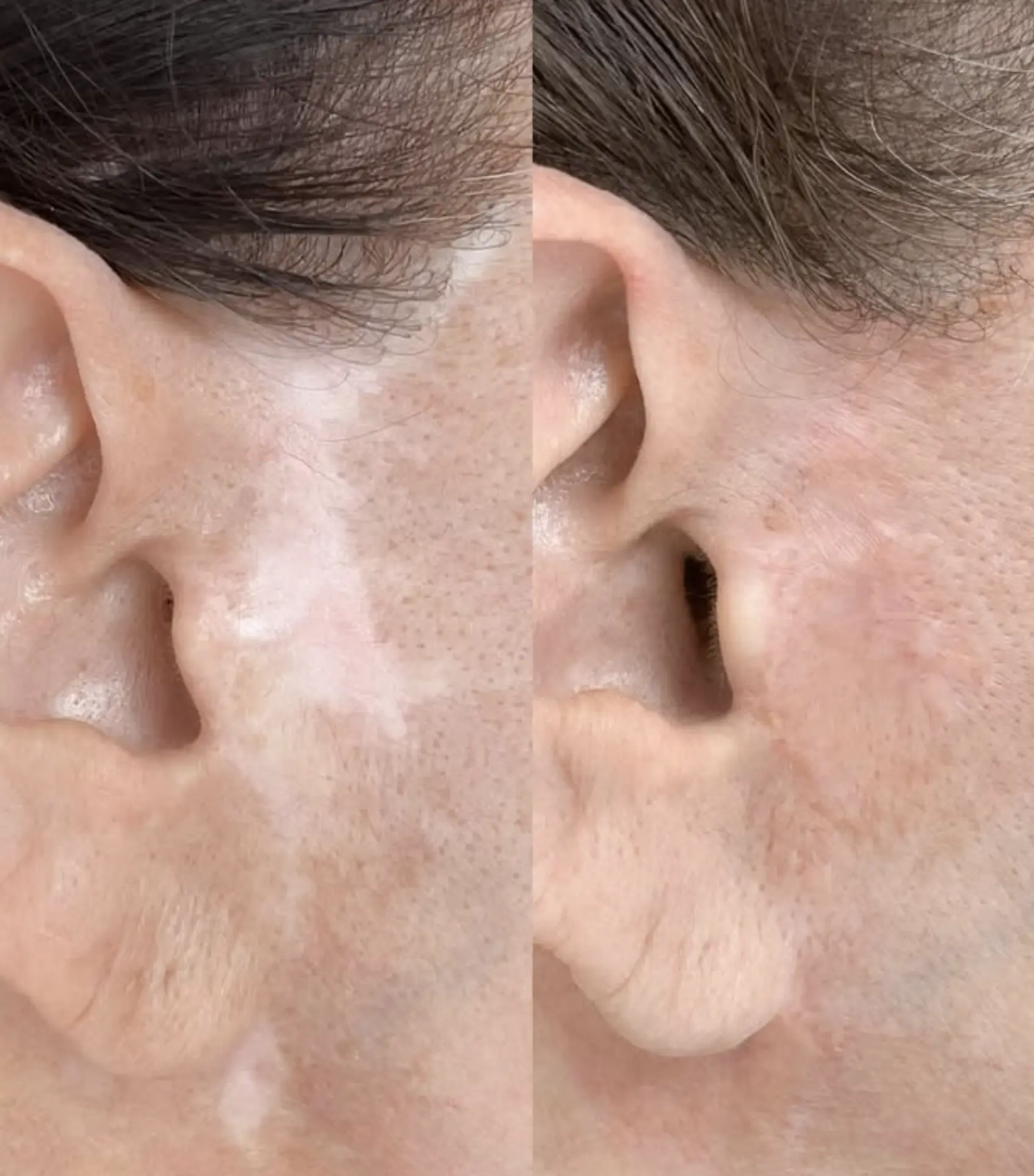
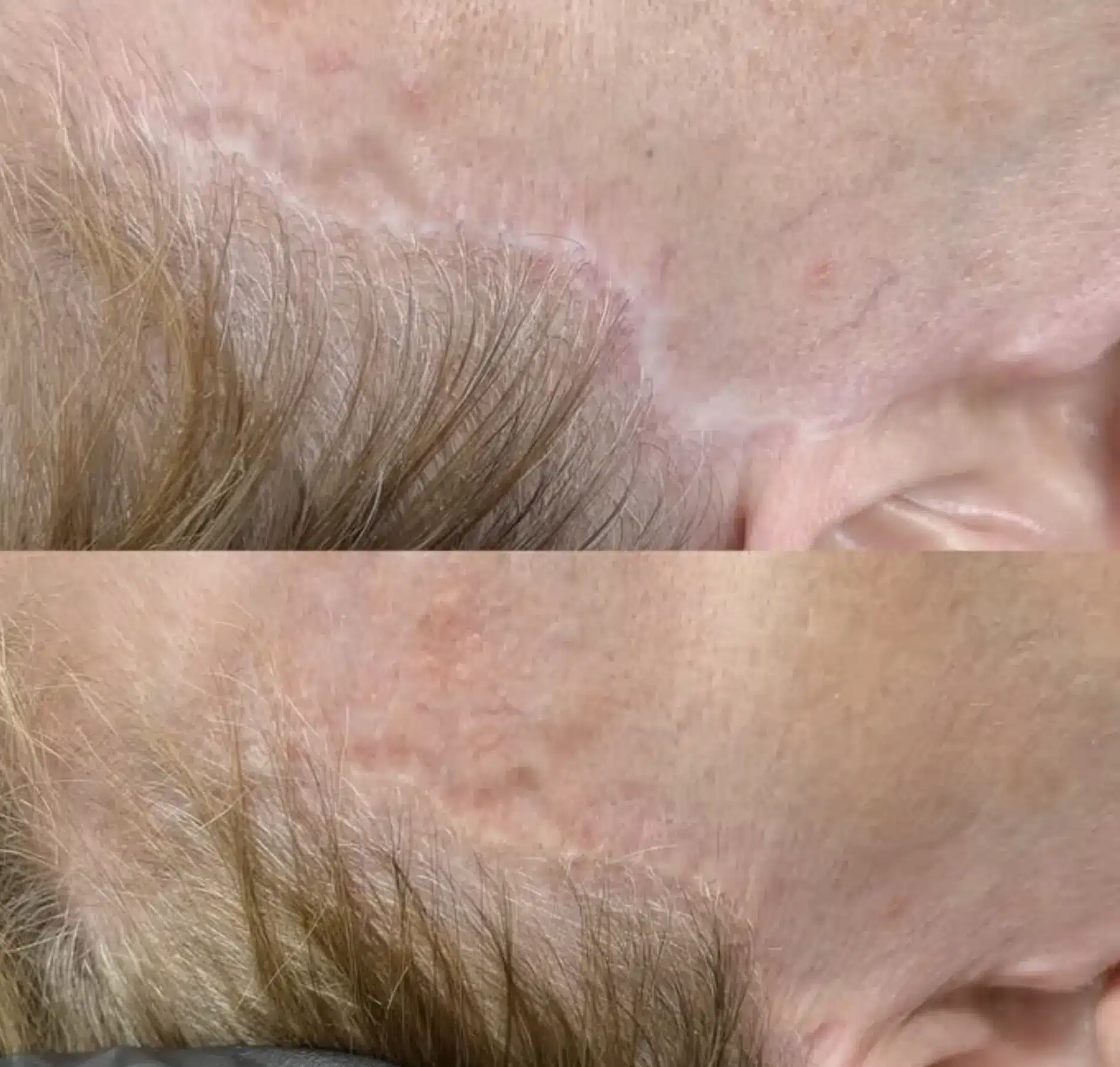
Scar Tattoo Camouflage is one of those treatments that people stumble upon and think: “Hang on, why didn’t anyone tell me this existed sooner?” For years, we’ve seen clients in our Cosmetic Tattoo Studio Brisbane, Face Figurati, carrying not just scar tissue but also the emotional weight that comes with it. Whether it’s burn scars, surgical scars or skin discolouration from old acne, paramedical tattooing offers a way to blend those marks back into the skin tone.
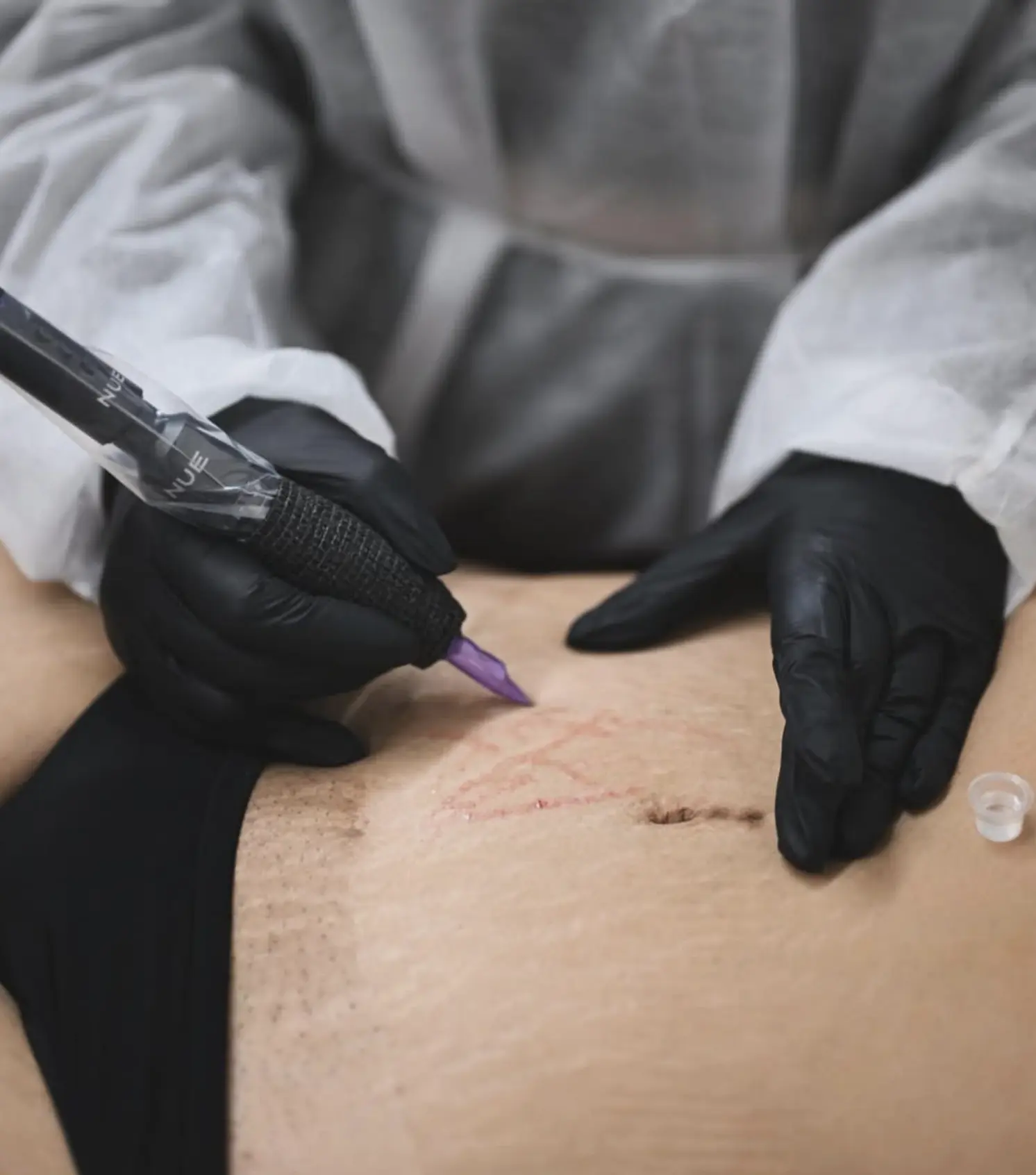
A Scar Camouflage Tattoo — also known as a paramedical tattoo — is a micropigmentation treatment where tattoo machines (electronic devices designed for skin procedures) implant medical pigments into scar tissue. These pigments are chosen to match your natural skin tone and help disguise the colour differences caused by skin trauma.
Unlike regular tattoos, this isn’t about linework or shading. It’s about softening skin irregularities, camouflaging hyperpigmented scar tissue and evening out areas where scar tissues stand out against surrounding skin.
Why do people choose scar camouflage tattooing? Because the benefits are more than skin-deep.
Studio story: One client with old surgical scars across her abdomen told us she finally wore a bikini on the Sunshine Coast again after treatment — something she hadn’t done in 15 years.

Scar camouflage uses medical pigments, not decorative tattoos. These are formulated with iron oxides and skin-shade pigments to match natural tones.
Tattoo artists need to consider how these pigments interact with scar tissue, as hyperpigmented or hypopigmented scars can absorb colour differently.
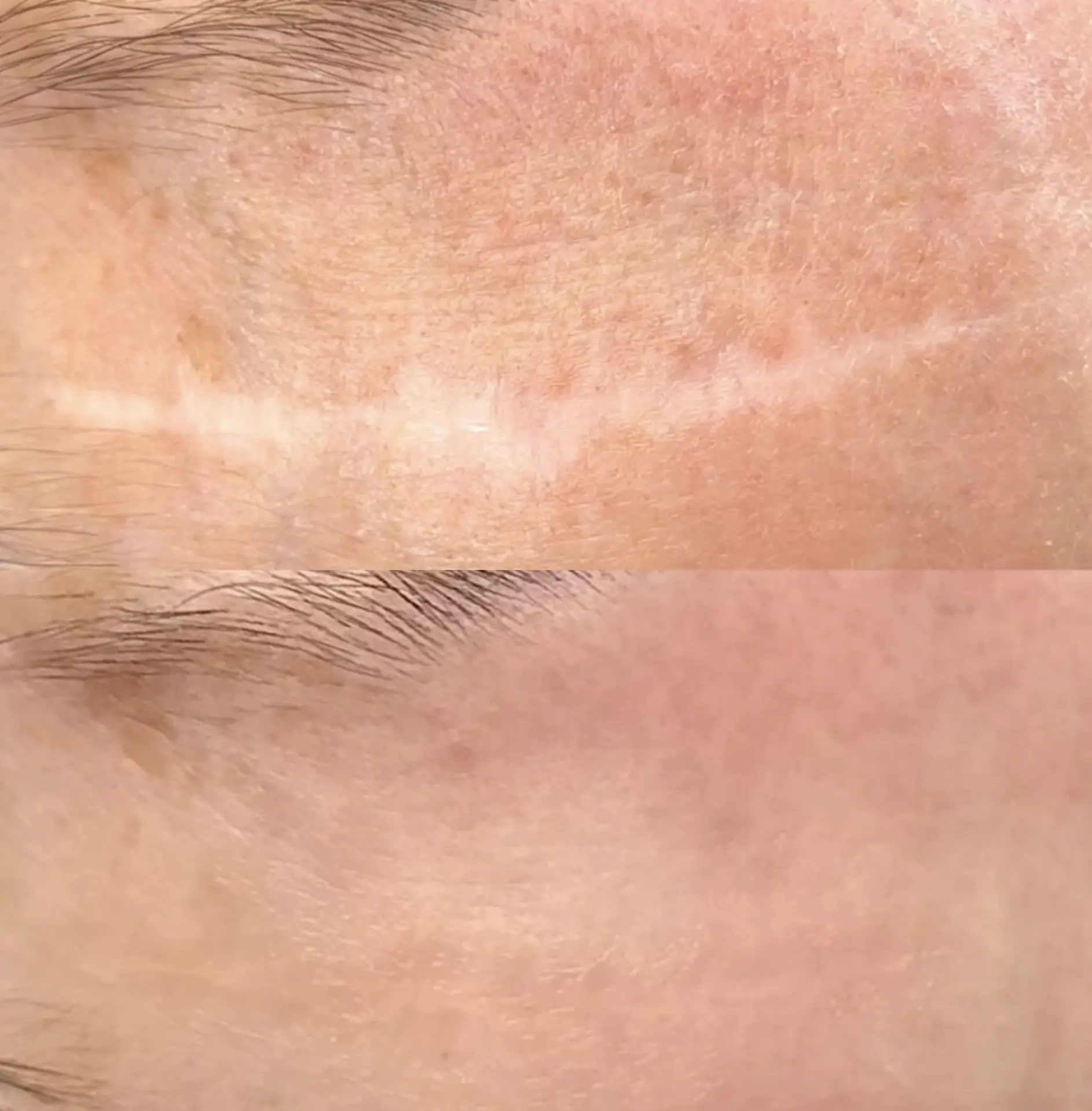
Every scar is different. The tattoo artist’s approach depends on whether the scar is raised, flat, light, dark or stretched.
These raised scars are caused by excess collagen fibres. Tattooing hypertrophic scars or unstable keloids can sometimes trigger more scar tissue growth, so camouflage isn’t recommended unless the scar has been stable for years. Stability over time is the key consideration.
Caused by acne or chickenpox, atrophic scars look like dents in the skin. Pigments can reduce colour contrast but don’t fix texture. Some clients combine camouflage with fractional laser or laser resurfacing to smooth skin first.
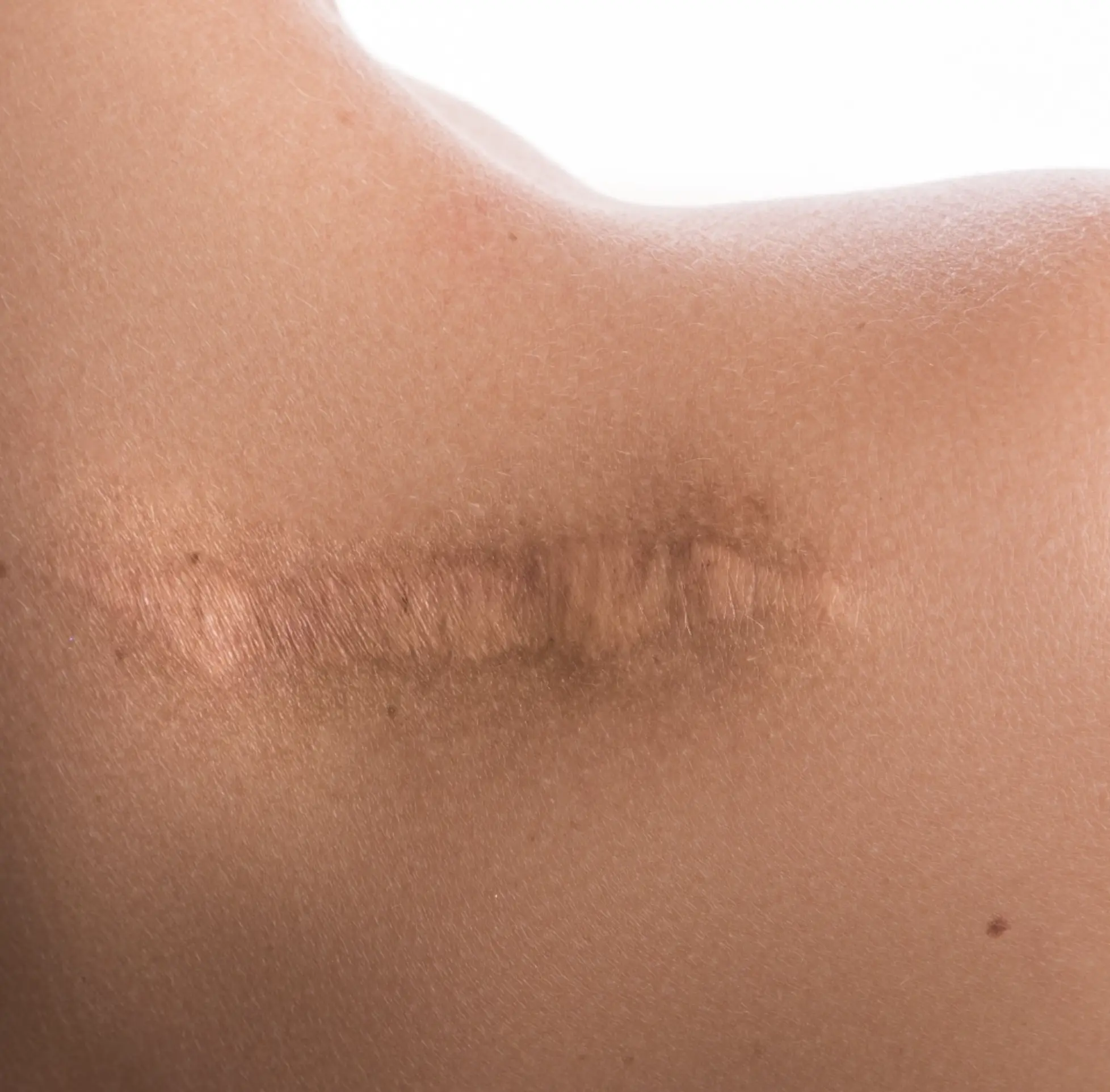
From C-sections to joint replacements, surgical scars are common. Once healed at the dermal level (usually after 12-18 months) scar camouflage helps blend the skin discolouration.
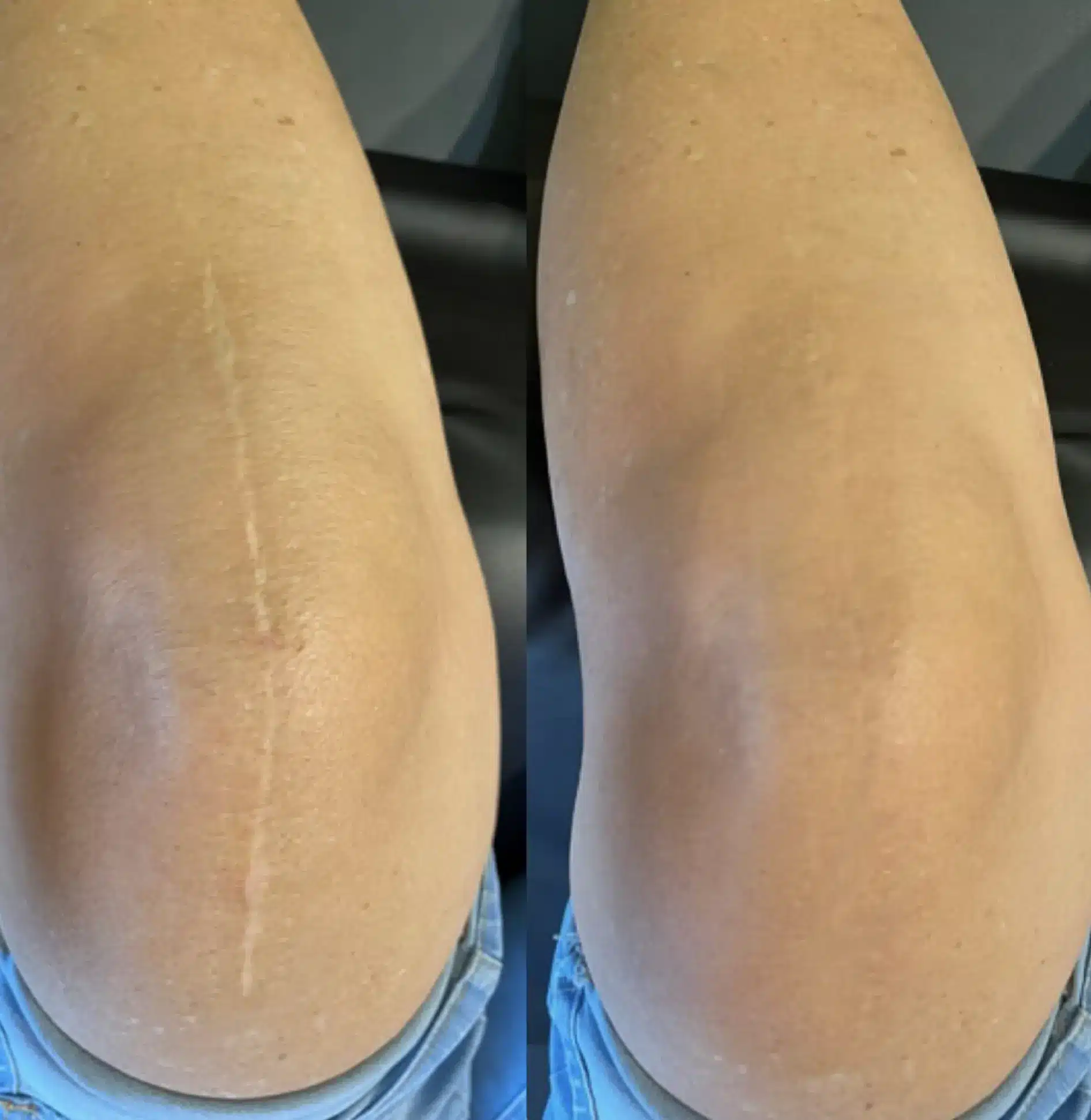

Stretch marks are technically small tears in the dermal layer of the skin. Pigments can reduce visibility, but large areas often need multiple sessions.
Burn scars are complex as they often involve both colour and texture irregularities. Scar camouflage tattooing can help soften the contrast but may need to be paired with other treatments.
You may be a good candidate for scar camouflage if:
A good candidate also comes with realistic expectations. We’re always honest in consultations: scar camouflage isn’t about erasing, it’s about blending. The goal is for your scar to be less noticeable, not invisible.
Scar camouflage tattooing should be avoided or postponed if you:
Your health history always matters. In fact, a consultation is just as much about ruling out risks as it is about planning treatment. If you’re unsure whether you’re a candidate, we’ll often ask for clearance from your GP or specialist before proceeding.
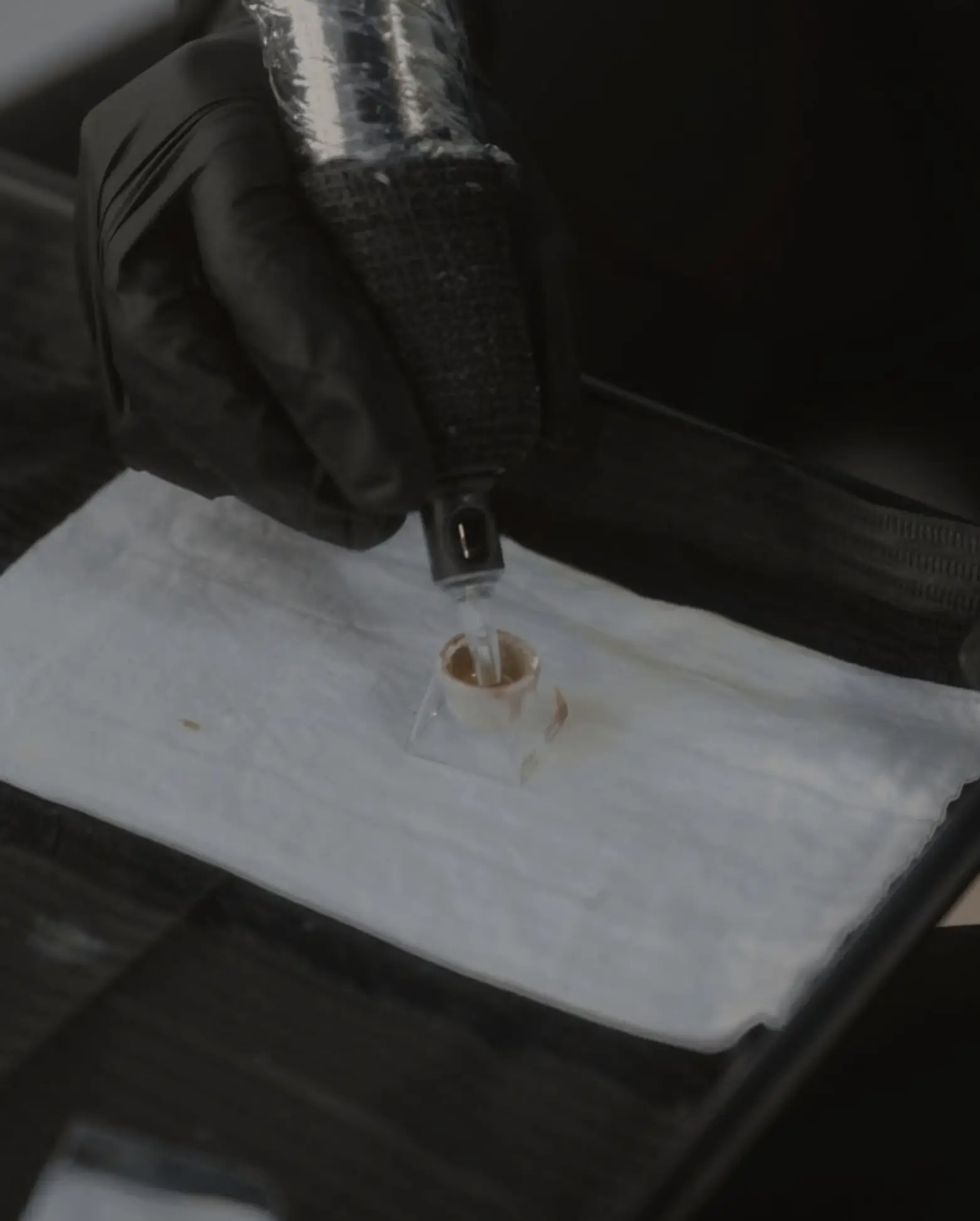

Proper prep is half the result. Here’s what we advise in our Brisbane studio:
We also recommend bringing along any questions, photos of how your scar has changed over time, or even skincare products you use regularly. The more we know about your skin, the more we can tailor your treatment.
We always do a patch test before full sessions. Scar tissues can behave unpredictably, and pigment can sometimes heal differently from the initial colour. By testing a small area, we can predict long-term results.
Sometimes we need to layer pigments gradually — starting with a base colour to neutralise discolouration (e.g. adding warmth to a cool-toned scar) before layering in the final skin shade.
A typical scar camouflage session involves:
Session length varies:
Scar tissue heals differently from unscarred skin. Blood supply, collagen density and elasticity are altered, so recovery can be unpredictable. Here’s what we tell our clients:
| Stage | What Happens | What You See |
|---|---|---|
| Days 1–3 | Skin is inflamed and adjusting to pigment. | Redness, swelling, tenderness. |
| Days 4–7 | The top layer of skin regenerates. | Light flaking and mild itching. |
| Weeks 2–3 | Pigments appear lighter under fresh skin. | Scar looks faded, colour “drops.” |
| Weeks 6–8 | Skin settles, pigment stabilises. | Final colour and blending are visible. |
Aftercare is not optional — it’s half the treatment. Poor aftercare can ruin even the best camouflage work.
As with any cosmetic tattoo procedure, risks exist. Our job as professional tattoo artists is to minimise them through training, hygiene and client education.
We always remind clients: healing isn’t linear. Some days, the area may look worse before it looks better. Patience pays off.
Scar camouflage tattoos are semi-permanent — they last for years, not forever. Most clients see results last between 3–7 years, depending on:
Think of it like hair colour — it’s not “one and done”. Over time, pigment fades gently, allowing adjustments as your skin ages or changes.
Pricing varies depending on scar size and sessions required. Here’s a guide for Brisbane:
| Scar Type | Sessions Needed | Cost Range (AUD) |
|---|---|---|
| Small surgical scar | 1–2 | $350–$600 |
| Medium scar area | 2–3 | $600–$1,200 |
| Large stretch marks | 3–5+ | $1,200–$3,000+ |
Stat: Australians spend $600–$900 per paramedical tattooing treatment, more for larger scar coverage.
If you’re interested in treatment, start with a consult. We’ll assess your scar tissue, skin type and do a patch test. Sometimes the best outcome comes from combining treatments like fractional laser with paramedical tattooing. Either way the goal is the same: to help you feel good in your own skin again.

Since 2016 of expertise in the professional tattooing industry, Anastasia is a certified and licensed beauty cosmetic tattooing specialist. She has all the necessary licenses and qualifications for permanent makeup in Europe and Australia.
No. Raised or unstable hypertrophic scars and some burn scars may not be suitable. A consult is essential.
Yes, once fully healed (12–18 months after giving birth).
No. When done by an experienced tattoo artist, scar camouflage blends in.
Most clients return to daily life within 1–2 days, but should avoid heavy sweating for at least 10 days.